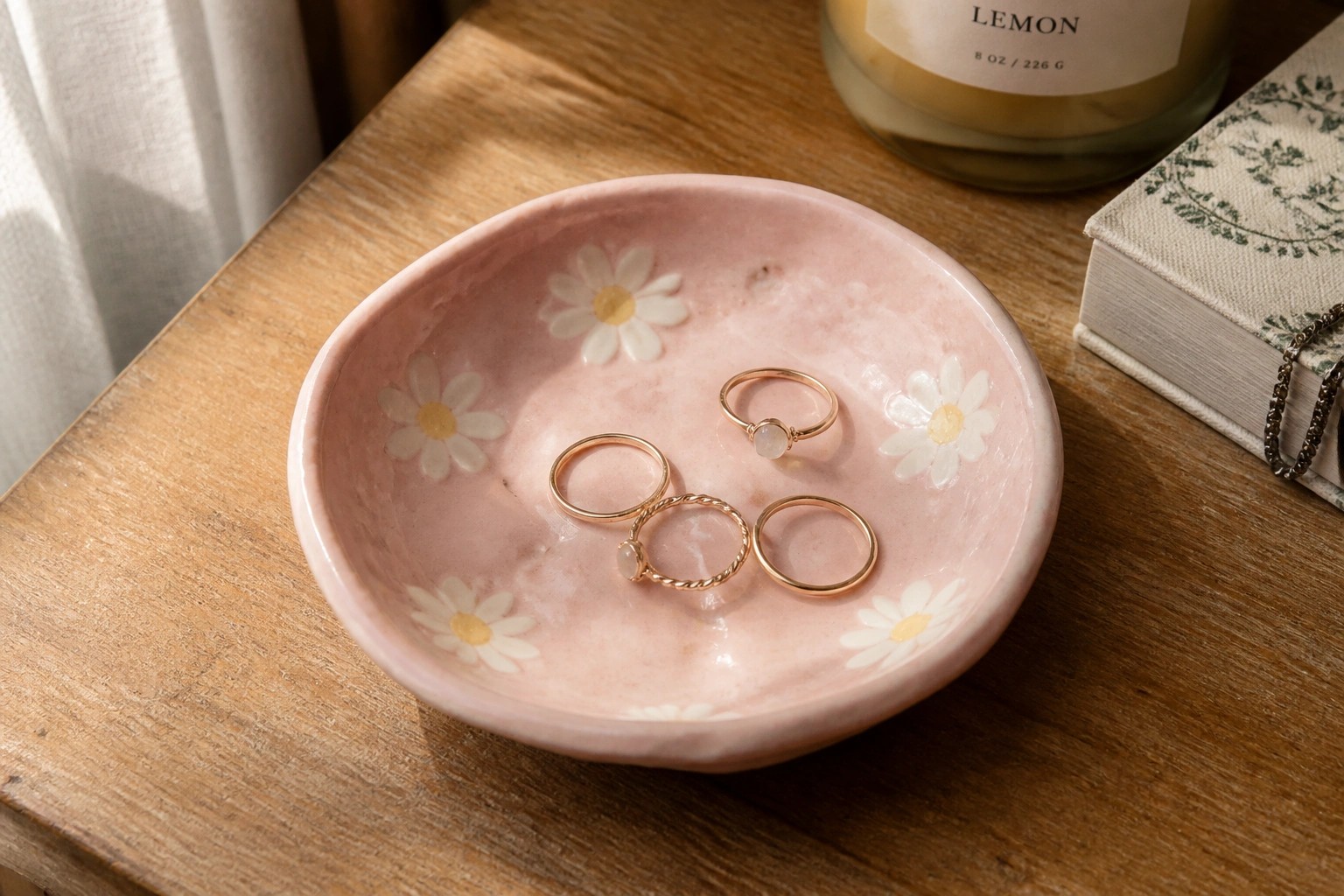
I started making pinch pots a few years ago when I wanted something simple to do with clay.
They work well for small things that I can keep on my desk or in the kitchen.
I have put together some ideas for useful pieces like salt bowls and ring holders.
These are all based on what I have actually made or seen work in my own space.
I hope a few of them give you a starting point for your next project.
Pink Daisy Ring Dish
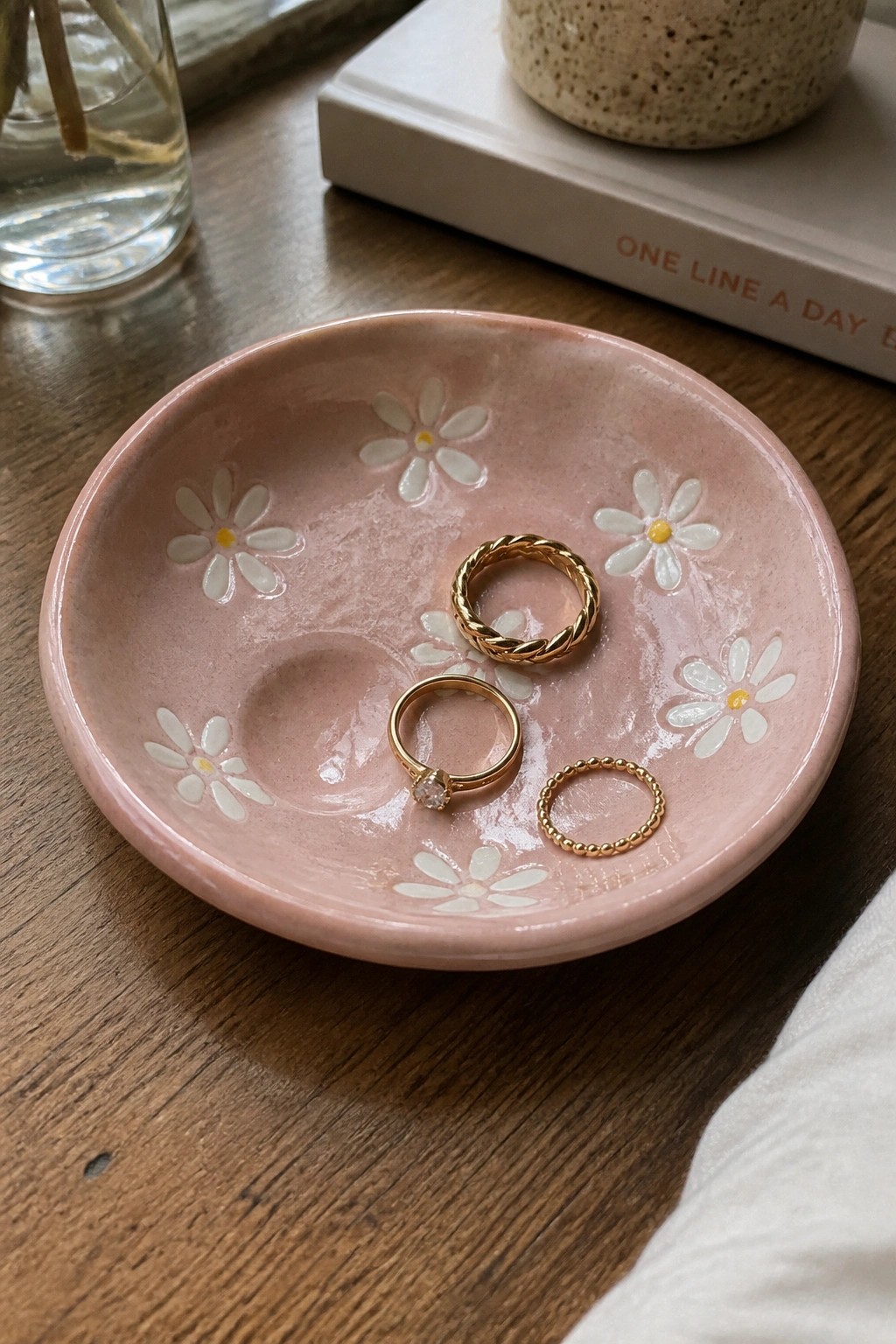
A small pinch pot formed into a shallow dish makes a practical ring holder when the rim is decorated with repeated daisy shapes. The soft pink glaze creates a smooth surface while the white flowers with yellow centers add just enough detail to keep the piece interesting without crowding the center space. This approach keeps the dish simple to throw or hand-build yet gives it a clear purpose as jewelry storage.
What makes this idea useful is the way the raised or painted flowers create natural resting spots for rings without needing extra compartments. The small scale works well on a nightstand or bathroom counter where space is limited. You could easily change the flower color or swap the motif for dots or leaves to match different rooms. The same basic shape can be made slightly deeper if you want to hold earrings or small hair accessories instead.
Divided Pinch Pot Salt Cellar

A two-part pinch pot creates a compact salt cellar that holds two different salts or seasonings side by side. One compartment takes larger pink crystals while the other holds finer white grains, with the shared rim providing a natural rest for a small wooden spoon. The simple oval shape and speckled clay surface keep the piece practical rather than decorative. This fits the kitchen item category for everyday use near the stove or prep area.
What makes this idea useful is the divider that keeps coarse and fine salts separate without taking extra counter space. The same form adapts easily to sugar and cinnamon or two spice blends. You could shorten one side and lengthen the other to match how much of each ingredient you reach for most often. In a kitchen, this kind of piece stays handy because it stays small and functional.
Cat-Shaped Pinch Pot Planter

A basic pinch pot shaped into a rounded cat head creates a small planter suited for succulents or tiny houseplants. The two pinched ears sit on top while the main body forms the container. Painted details include closed eyes, a simple nose and mouth, whiskers, and light pink inner ears on the matte gray surface. This approach keeps the form compact and functional without extra parts.
The shape does a lot of the work here because the cat head already suggests a finished piece once the face is added. It fits on narrow shelves or windowsills where a standard pot would not. You can adapt the same form for a different animal or change the ear position to make a dog version. For gifts the painted face is easy to customize with new expressions or colors while keeping the overall size the same.
Tiny Pinch Pot Espresso Cup
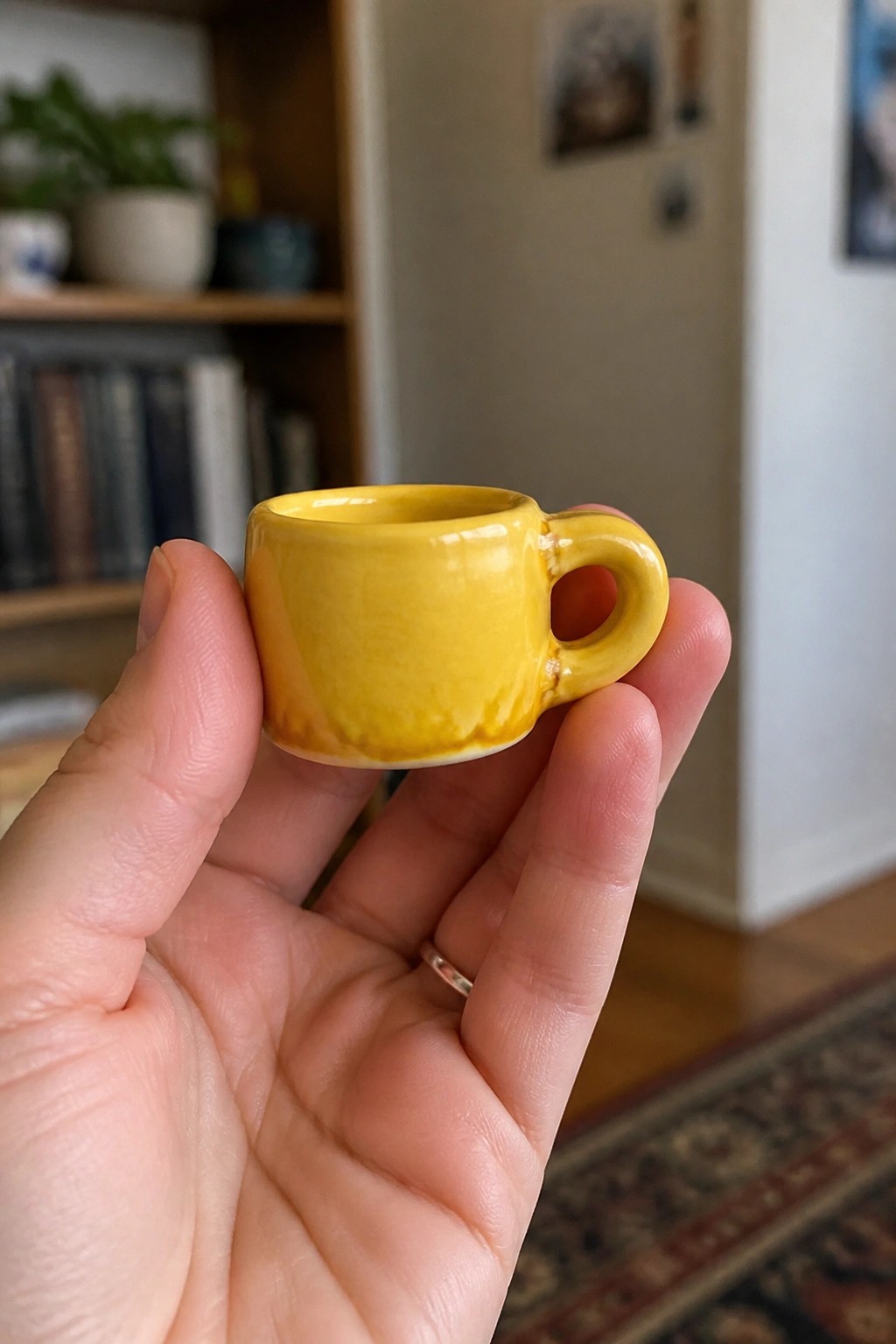
A small pinch pot forms the base of this miniature mug, with a simple looped handle attached to one side for easy grip. The compact size and rounded walls make it practical for espresso shots, small portions of sauce, or even as a single-serve creamer holder. A bright yellow glaze covers the surface evenly, letting the natural clay texture show through in places for a casual finish.
What makes this idea useful is how quickly the basic shape comes together from one ball of clay. You can repeat the same pinch pot in different glaze colors to build a set for a coffee station or use them as small dip bowls at meals. The handle detail turns a plain pinch pot into something more functional without adding much time. This scale also works well for testing new glaze combinations before committing to larger pieces.
Scalloped Tealight Holder
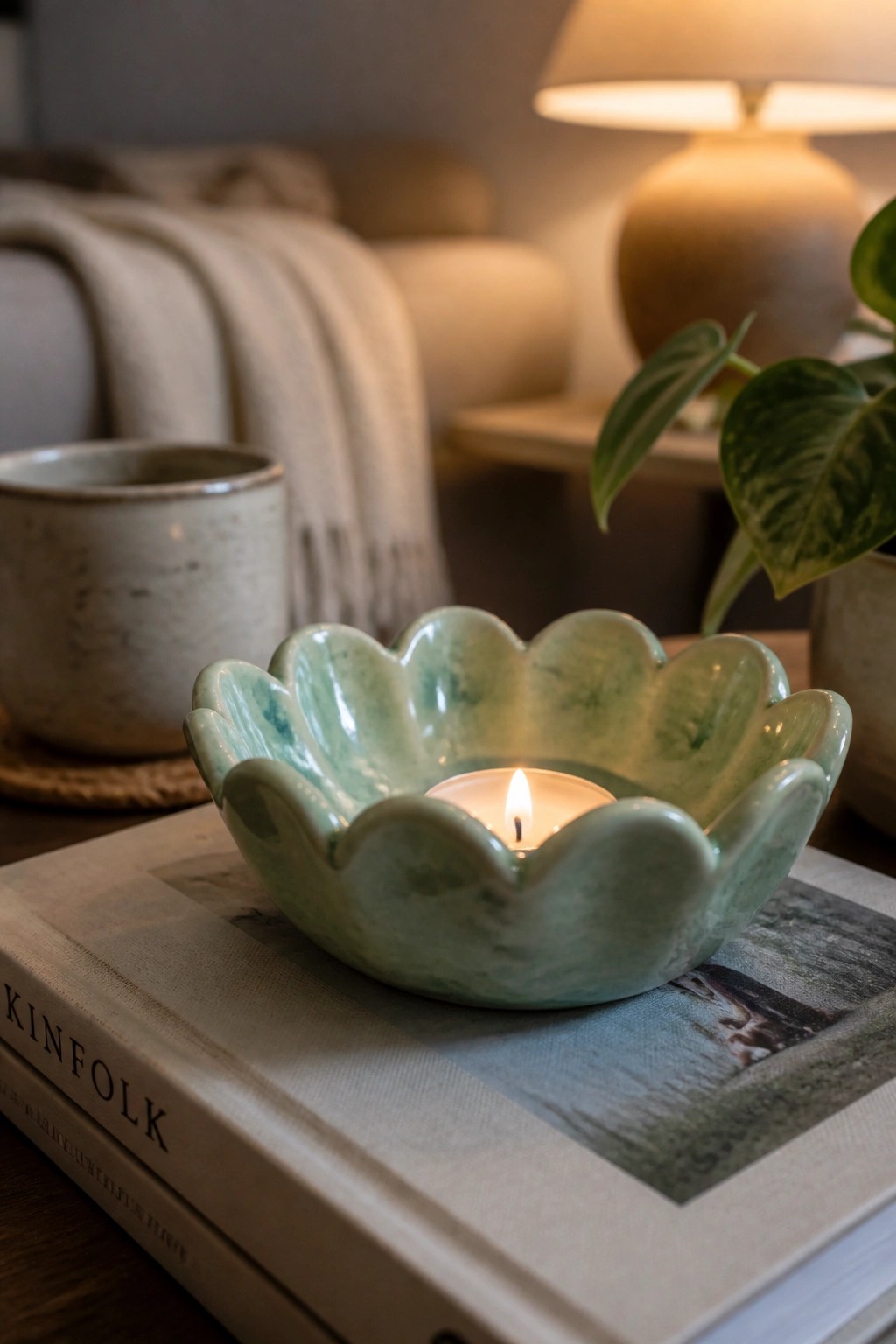
A small pinch pot formed into a shallow bowl with a wavy scalloped rim makes a simple tealight holder. The edge is pinched and shaped by hand to create soft curves that catch light and shadow once glazed. A light green glaze with subtle variations adds color while keeping the surface smooth and easy to wipe clean. This approach turns a basic pinch pot into a candle piece that stays functional at a small scale.
What makes this idea useful is how the shallow shape keeps the flame safely contained while the rim detail adds visual interest without extra steps. You could rework the same scalloped edge on a slightly deeper version to hold cotton balls or matches in a bathroom. The compact size also makes it easy to try in different glazes or repeat as quick gifts. For Pinterest, the contrast between the soft green and the lit candle tends to photograph well in styled settings.
Avocado Shaped Ring Dish
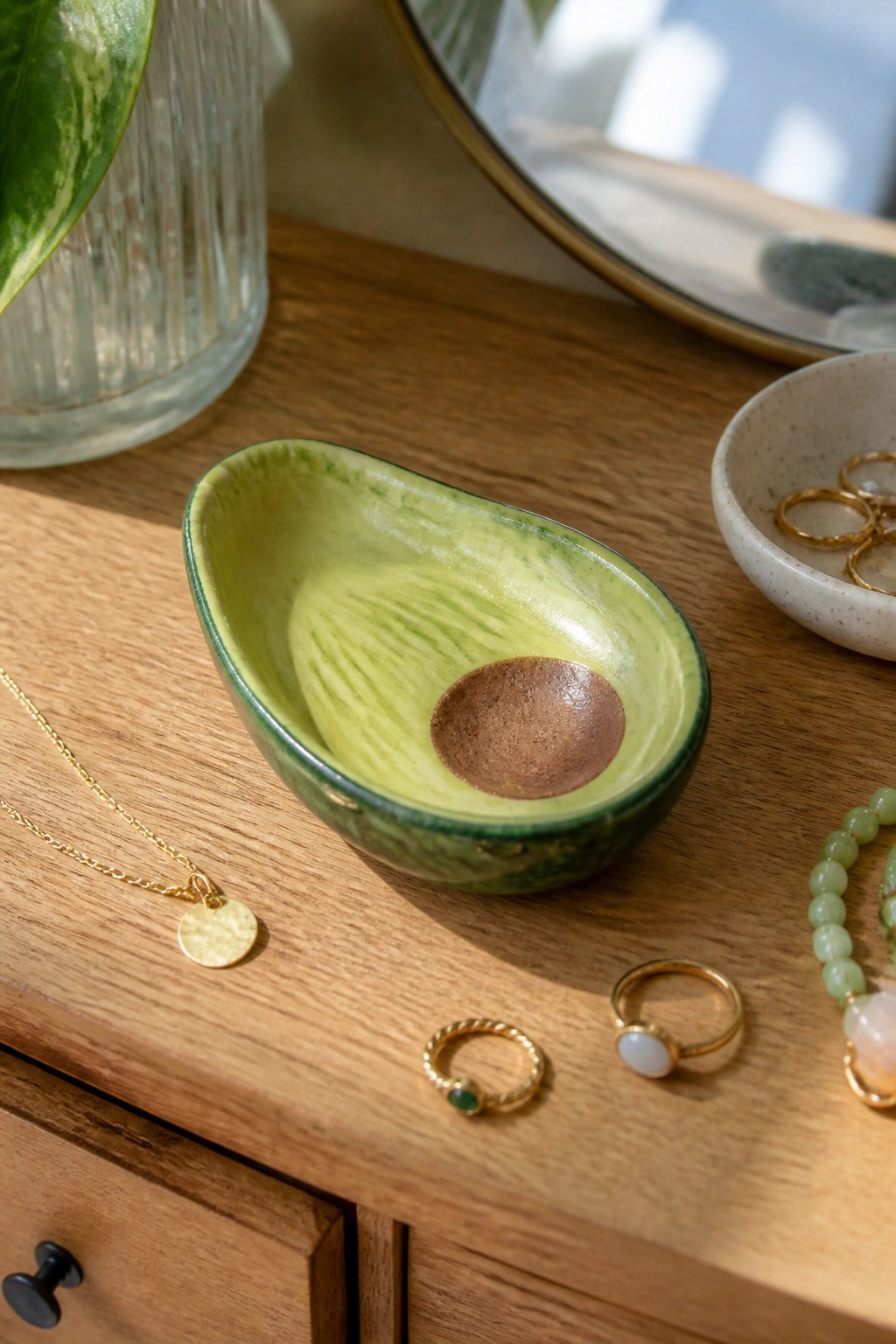
A small ceramic dish formed in the shape of an avocado half works as a ring dish or trinket holder. The design uses a green glazed rim and a streaky light green interior with a raised brown circle in the center to stand in for the pit. The oval form and shallow depth keep it compact while still giving enough surface area for a few rings or small items. This fits the category of a functional jewelry dish that doubles as light decor.
The shape does a lot of the work here because the oval bowl naturally contains small objects without taking up much space on a nightstand or dresser. You could adapt the same idea by changing the interior color or adding a simple line texture instead of the pit detail. For a gift, something like this pairs easily with a set of rings or a necklace. The small scale also makes it simple to turn into a matching pair using different fruit shapes.
Narrow Ceramic Spoon Rest
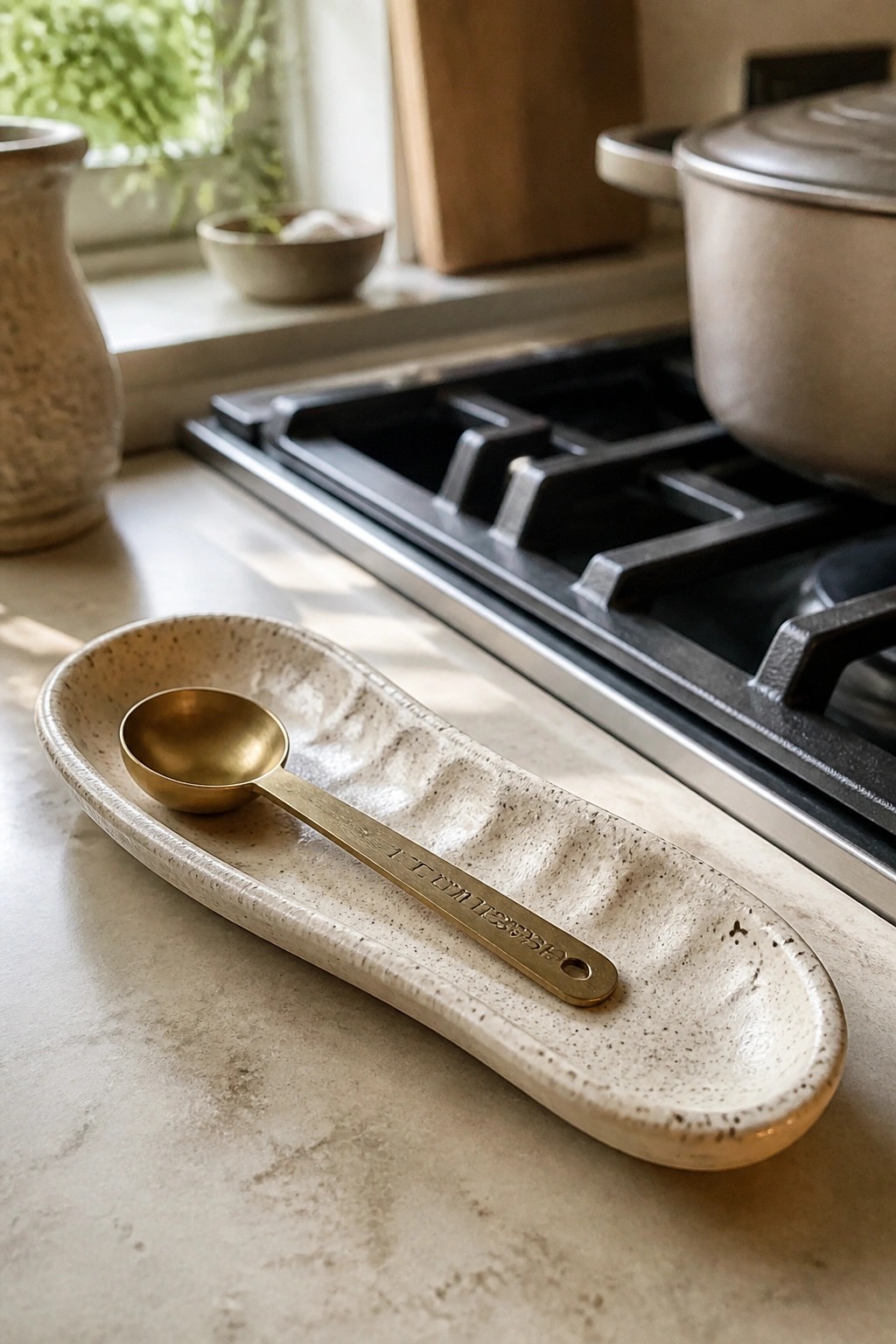
A long, narrow ceramic tray works well as a spoon rest for measuring spoons or small utensils. The elongated shape keeps the spoon contained while the ridged texture adds grip so it stays in place. Speckled glaze gives the surface subtle variation and a finished look without extra decoration. This approach turns a simple slab or pinch pot form into a practical kitchen piece that sits beside the stove.
The shape does a lot of the work here because the length matches common tablespoon sizes without taking up much counter space. You could adapt the same idea by making shorter versions for teaspoons or adding a small divot at one end for the spoon bowl to rest in. In a kitchen this kind of piece keeps counters cleaner during cooking and can be made in sets with different glazes for easy gifting. For Pinterest it stands out because the function is clear and the form stays minimal.
Polka Dot Scalloped Toothpick Holder
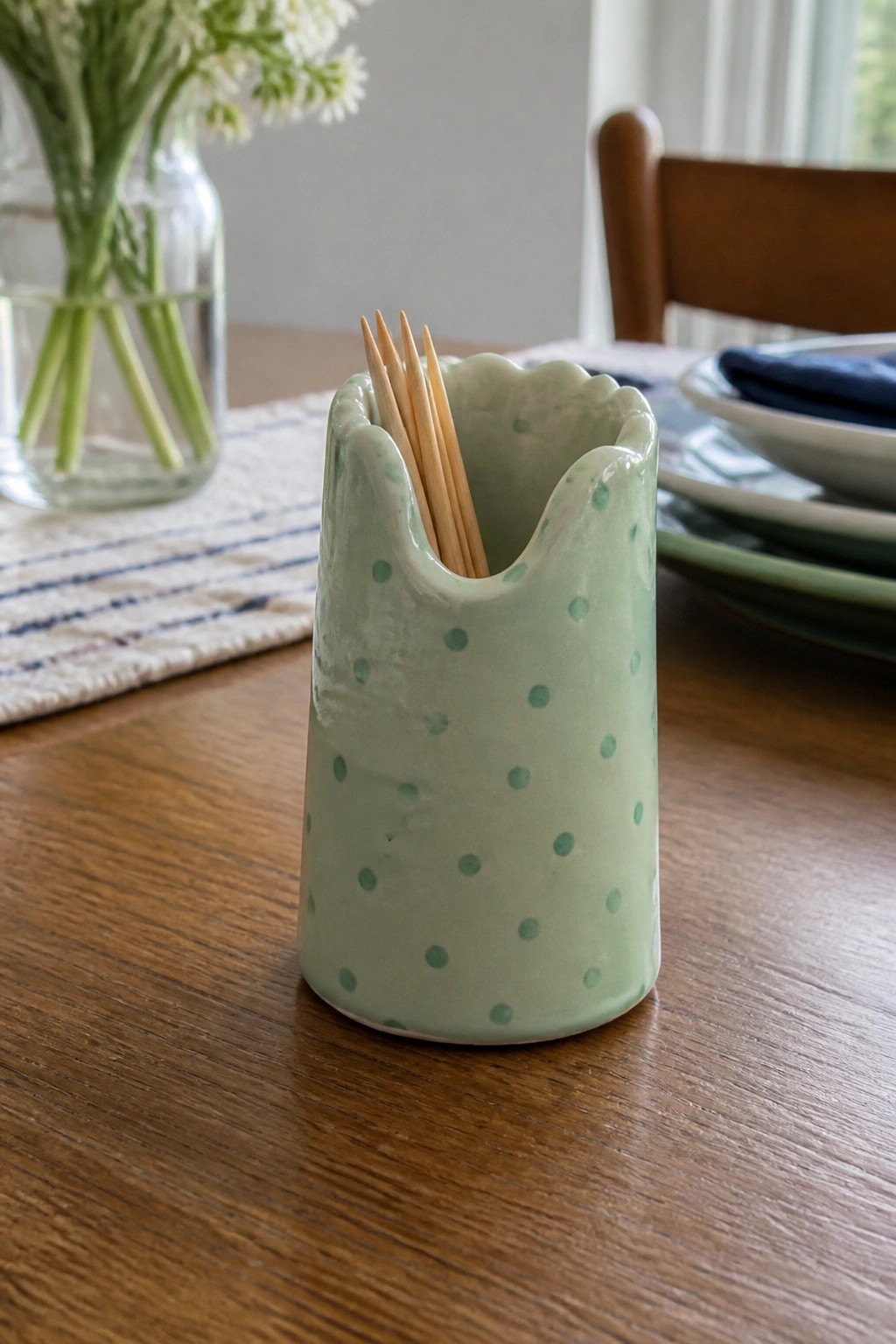
A small cylindrical ceramic holder with a wavy scalloped rim makes a practical toothpick or cocktail pick container for the table. The soft mint green glaze covered in darker green dots creates a simple repeating pattern that keeps the piece visually light. This kind of kitchen holder stays functional because the upright shape lets picks stand neatly without tipping over. The handmade form gives it enough weight to stay put during meals.
What makes this idea useful is the compact size that works on crowded tables or counters. You could repeat the scalloped rim on a slightly wider version to hold wooden utensils or shorten the height for a match holder. The dot pattern is easy to adapt by changing the spacing or switching to stripes if you want less detail. In a kitchen this shape doubles as a small utensil caddy while staying decorative enough to leave out.
Spouted Pinch Pots for Sauces and Dips
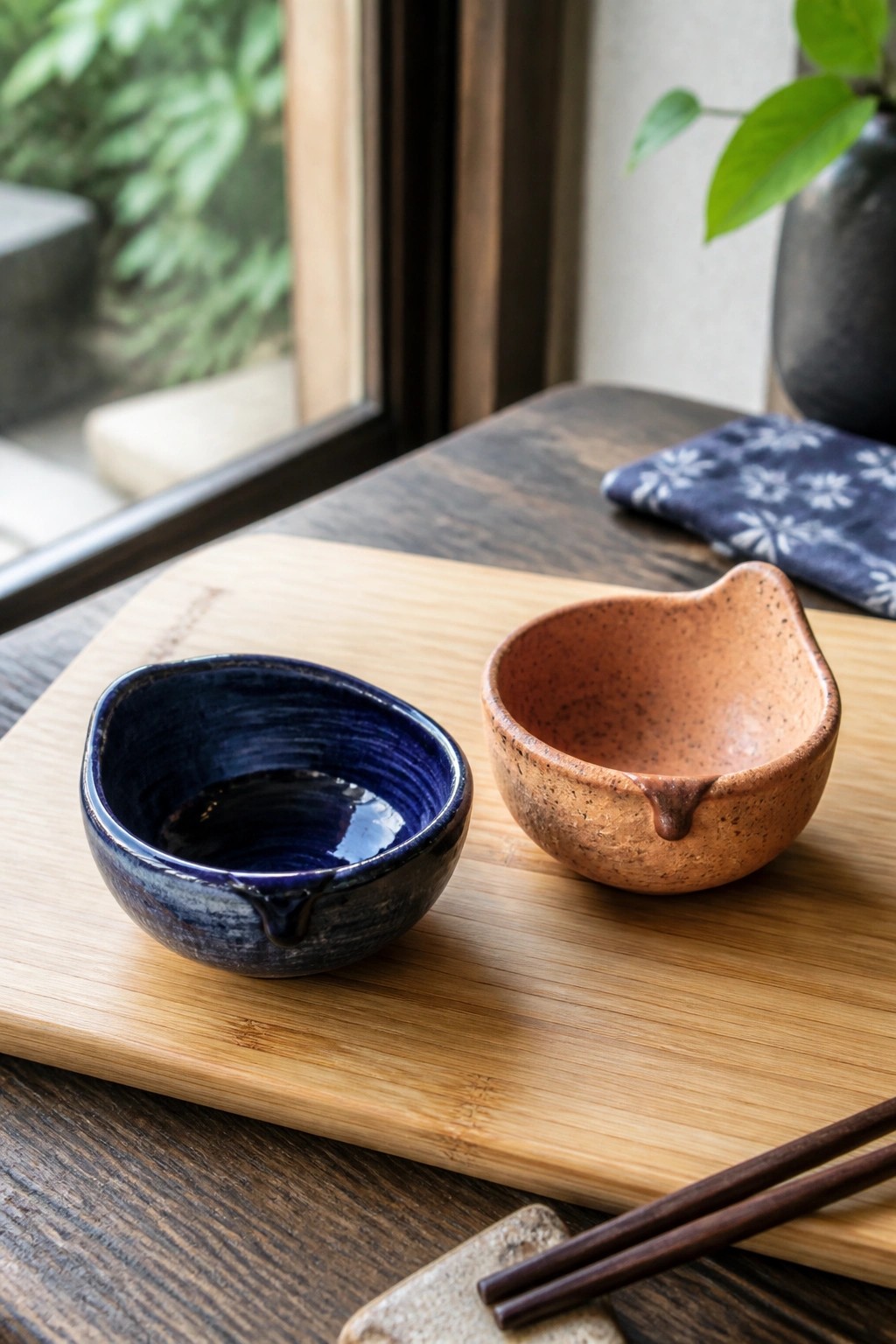
These pinch pots are formed into small, low bowls with one side pinched outward to create a simple pouring lip. The blue version carries a glossy glaze that settles into the handmade ridges, while the brown one stays unglazed on the outside with a speckled clay surface inside. Both stay compact enough to hold just a few tablespoons of liquid, making them suited to kitchen use rather than table decor. The shape stays practical because the spout directs flow without needing extra tools or handles.
What makes this idea useful is the way the pinched lip turns an ordinary bowl into a controlled pourer for soy sauce, oil, or dressing. You can adapt the same base form by changing the glaze on one side or adding a foot ring for a slightly raised look. In a kitchen these pieces keep counters clear since they stack easily and take up little storage space. The same spout detail could be reworked into a small creamer or a pinch pot for loose tea leaves.
Oval Soap Dish with Drainage Ridges
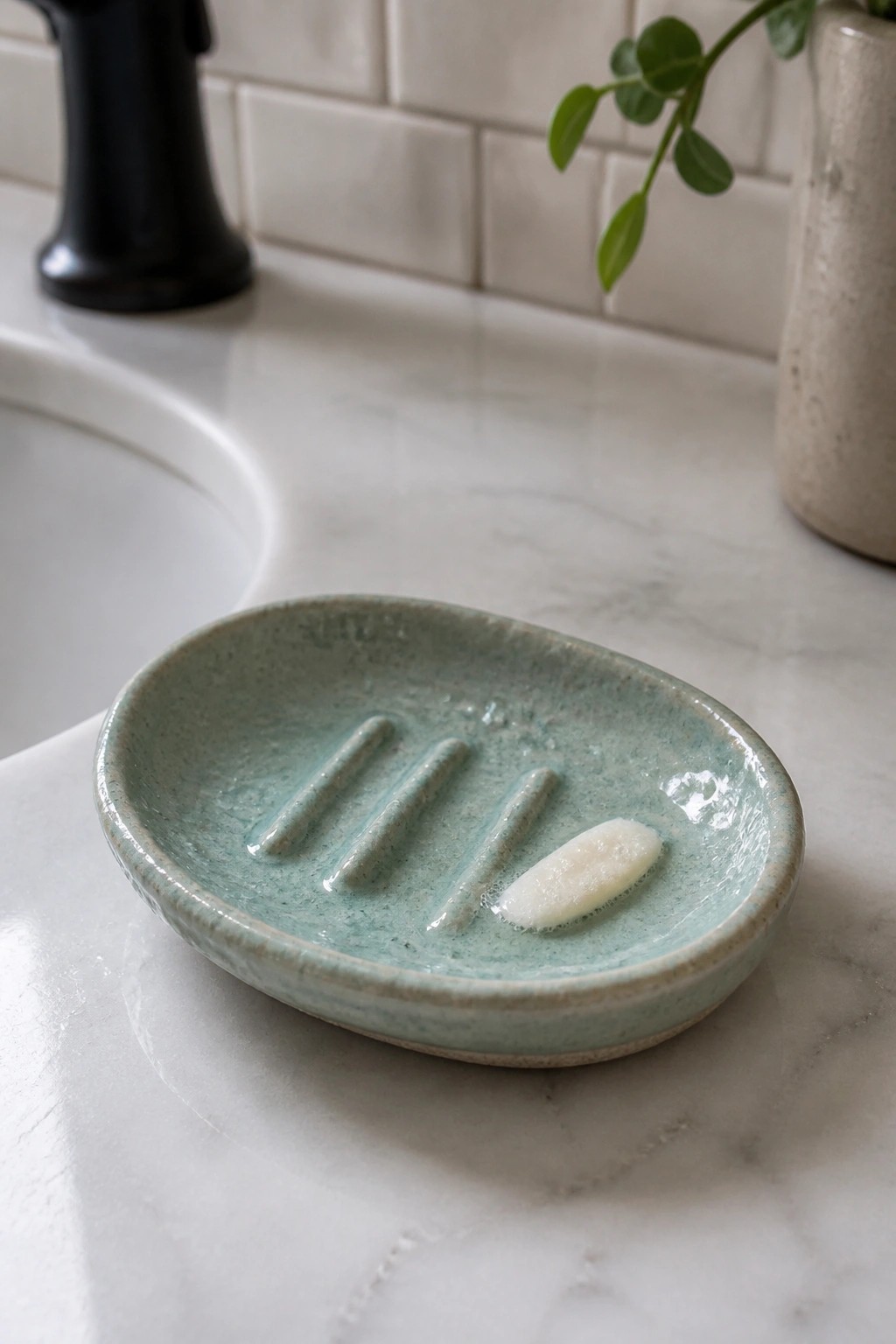
A small oval soap dish works well as a bathroom item when formed from a pinch pot or slab and finished with three raised ridges across the center. The ridges keep bar soap elevated so water drains instead of pooling underneath. A soft turquoise glaze with light speckling covers the surface and gives it a smooth, slightly textured finish that suits sink areas. This keeps the overall form simple while adding a functional detail that prevents the soap from sitting in moisture.
The shape does a lot of the work here because the compact oval fits easily on a bathroom counter without crowding the space. You could adapt the same ridges into a slightly wider tray for rings or small tools if you want a desk version. For a gift, something like this is quick to produce in batches and needs no extra hardware. The small scale also makes it easy to test different glaze colors or oval proportions without using much clay.
Speckled Cone Ring Holder
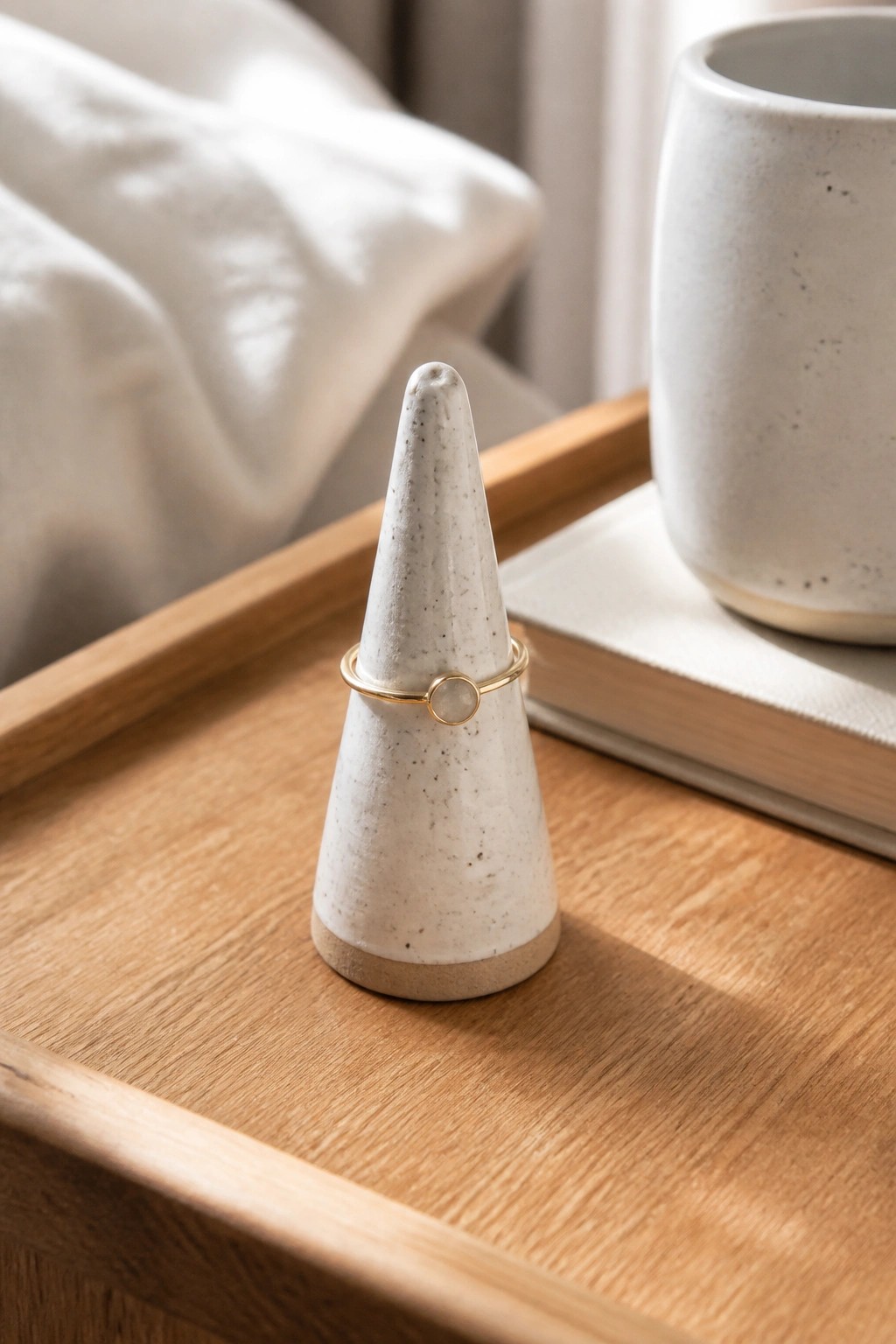
A tapered clay cone serves as a compact ring holder that keeps jewelry upright and easy to grab. The form comes from pinching and pulling a small ball of clay into a narrow peak, then smoothing the base so it sits flat. Speckled white glaze keeps the surface simple while the slight texture adds subtle variation. This fits the holder category for small functional pieces you can leave out on a surface.
What makes this idea useful is the way the cone shape holds multiple rings without taking much space. You could rework the same base into a shorter version for a desk or stretch it taller for bracelets. For a gift, something like this pairs well with a single piece of jewelry. The small scale means you can test different clay colors without using much material.
Crescent Moon Incense Cone Holder
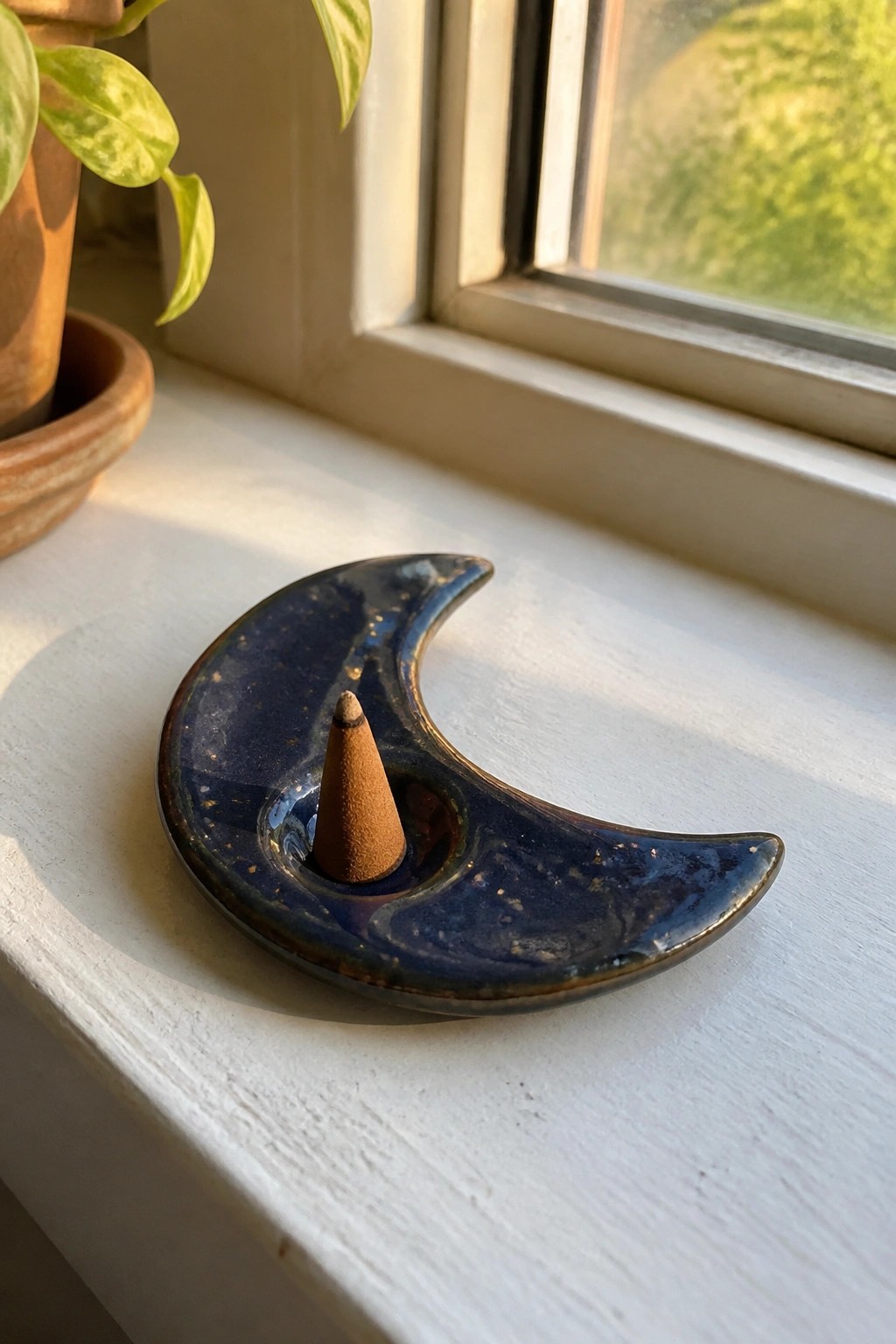
A crescent moon form made from clay works as a small incense cone holder. The curved shape creates a basin that catches ash while a raised central spike keeps the cone steady as it burns. A dark blue glaze with scattered lighter speckles covers the surface and gives the piece a finished look without added patterns. This fits the holder category for pinch pot projects that stay small and functional.
What makes this idea useful is how the curve contains the ash without needing extra walls. You could skip the spike and use the same shape for a ring dish or shorten one side to make a shallow tray for keys. The small scale takes little clay and fits easily on a shelf or desk. For a gift this stands out because the moon outline is simple to shape yet different from basic round dishes.
Hanging Wall Pocket Planter
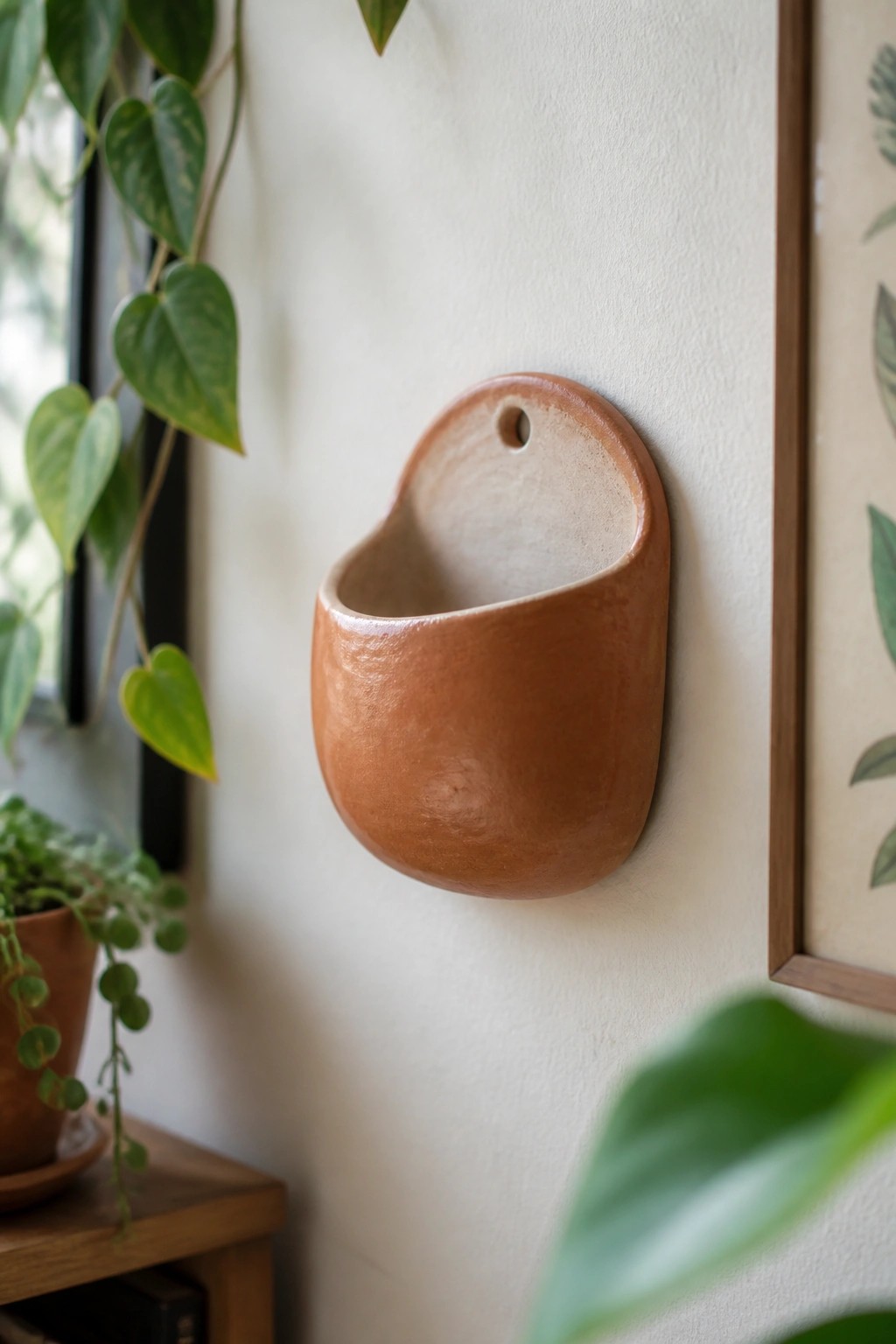
A wall pocket formed from clay creates a compact hanging holder that mounts directly on a vertical surface. The rounded, open shape with a single hole near the rim lets it sit flush against the wall while keeping the interior accessible. Its terracotta surface and simple silhouette make it a straightforward pinch pot project that doubles as a small planter or storage piece.
What makes this idea useful is how easily it fits into tight spaces like entryways or plant corners. You can adapt the same form for holding mail, small tools, or bathroom essentials by adjusting the depth during building. The hanging method keeps the piece off counters and works with any wall hook or nail. For a different version, try a wider opening or add a drainage hole if you want to use it strictly for plants.
Pinch Pot Egg Cup for Breakfast Use
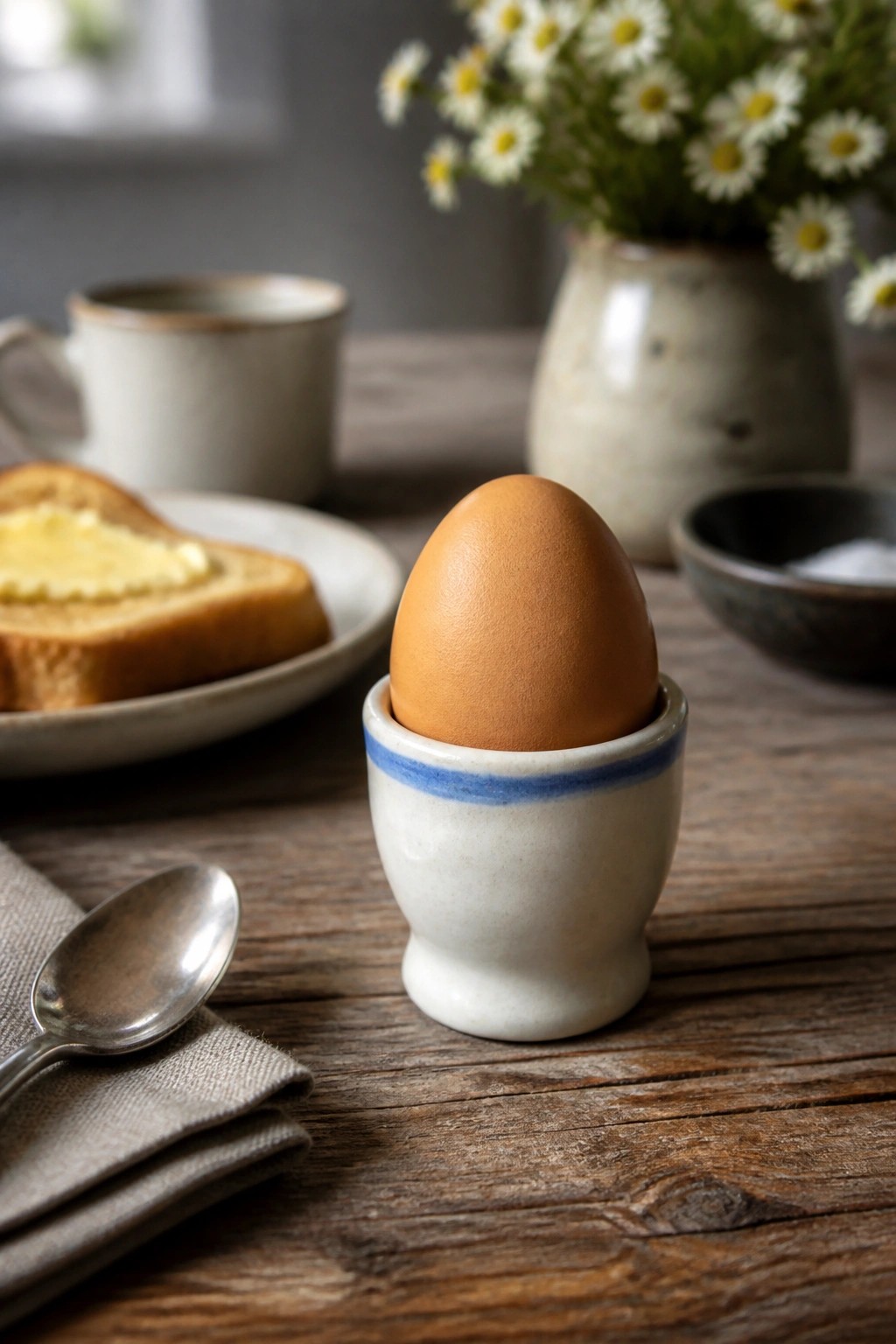
A pinch pot egg cup starts with a small ball of clay shaped into a compact holder that fits one boiled egg. The form includes a narrow foot at the base for stability and a slightly wider rim to keep the egg secure. A single band of blue slip or underglaze around the upper edge creates contrast against the white surface while keeping the overall look clean. This approach turns a basic kitchen need into a repeatable small project that stacks easily in a cupboard.
The shape does a lot of the work here because the proportions already match a standard egg without extra trimming. You can adapt the same pinch pot into a salt cellar or a small spoon rest by lowering the walls or widening the foot slightly. For a gift, something like this pairs well with a matching butter dish or a set of four for family use. The painted band makes the piece stand out on a shelf even when the clay body stays plain.
Pig-Shaped Pinch Pot Holder
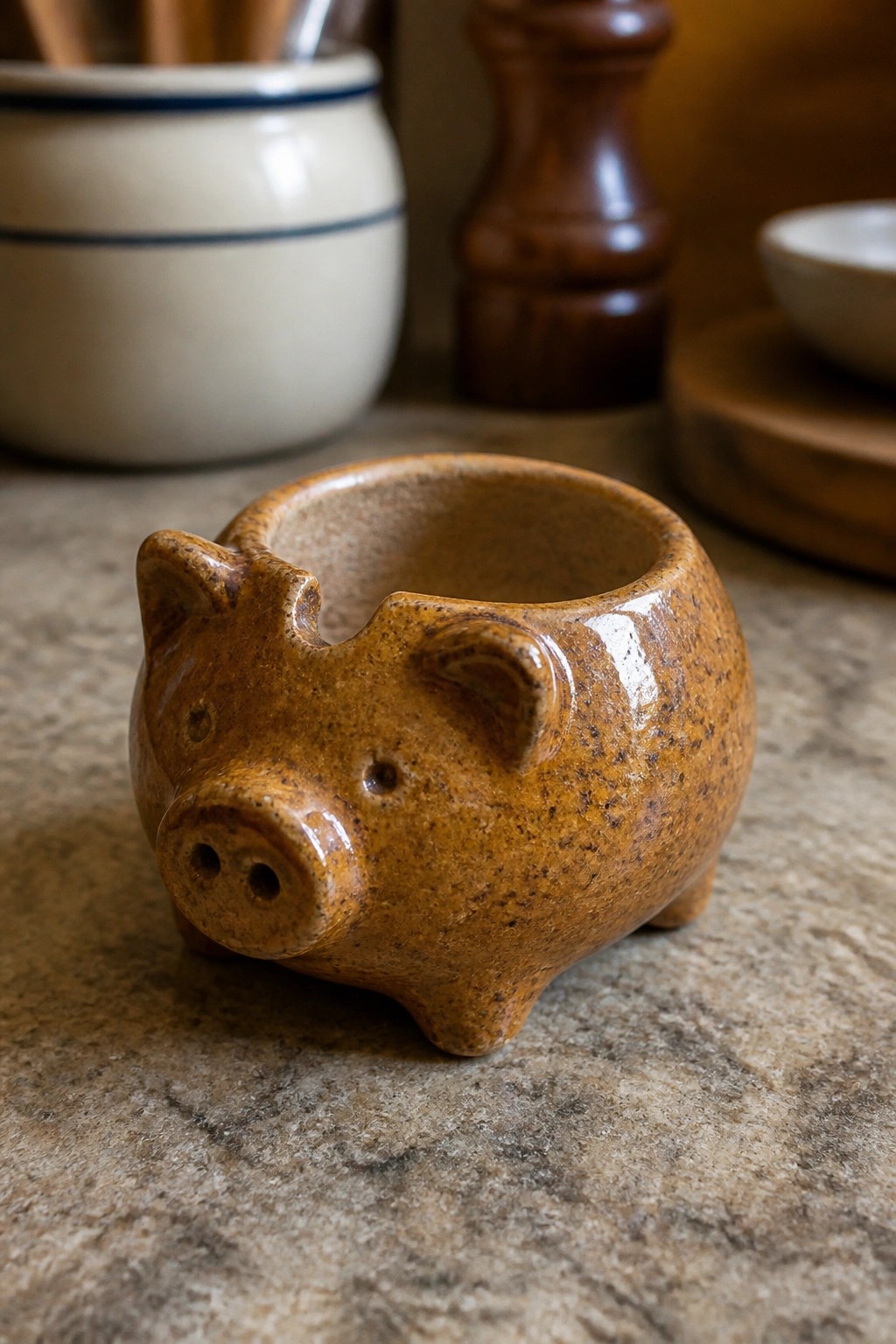
A pinch pot formed into a pig creates a small open holder that works for salt, spices, or kitchen odds and ends. The rounded body holds the contents while simple additions like ears, a snout, and legs turn the basic shape into a recognizable animal. The speckled brown glaze keeps the surface practical and easy to wipe clean. This approach fits the animal holder category for pinch pots that stay both useful and compact.
What makes this idea useful is how the animal details sit on a standard pinch pot base without adding much extra work. It sits well on a counter or table for daily use and takes up little space. You could repeat the same body shape with different heads to make a set or swap the glaze for a lighter tone if you want it to blend with white dishes. The small scale also makes it simple to turn into a ring dish or a holder for tea bags.
Cloud Shaped Trinket Dish
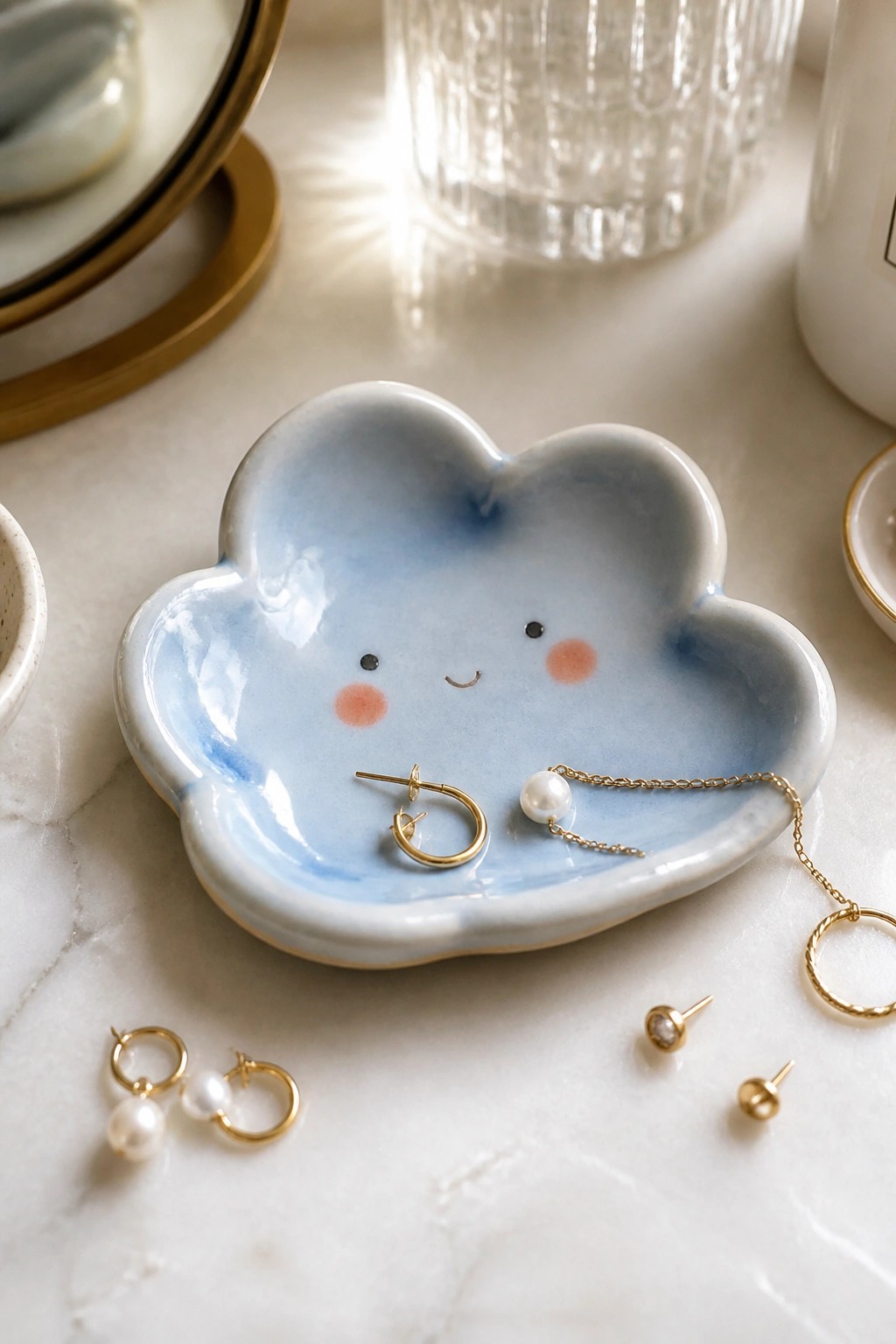
A cloud shaped ceramic dish makes a practical small tray for holding jewelry. The form is pinched into a shallow bowl with a scalloped outline and finished in a soft blue and white glaze. Simple facial features are painted on the interior with black dots for eyes, a thin line for the mouth, and pink circles for cheeks. This keeps the piece functional while turning a basic pinch pot into a dedicated spot for earrings, studs, and chains.
The small scale makes this easy to adapt by swapping the cloud shape for a heart or oval and changing the glaze color to match a room. It works especially well on a nightstand or vanity where daily jewelry needs a quick landing spot. For a gift, something like this can be reworked with different painted expressions or left plain for a more minimal look. The painted face adds just enough detail to make the dish stand out on a shelf without extra carving or texture work.
Smiley Face Pinch Pot Holder
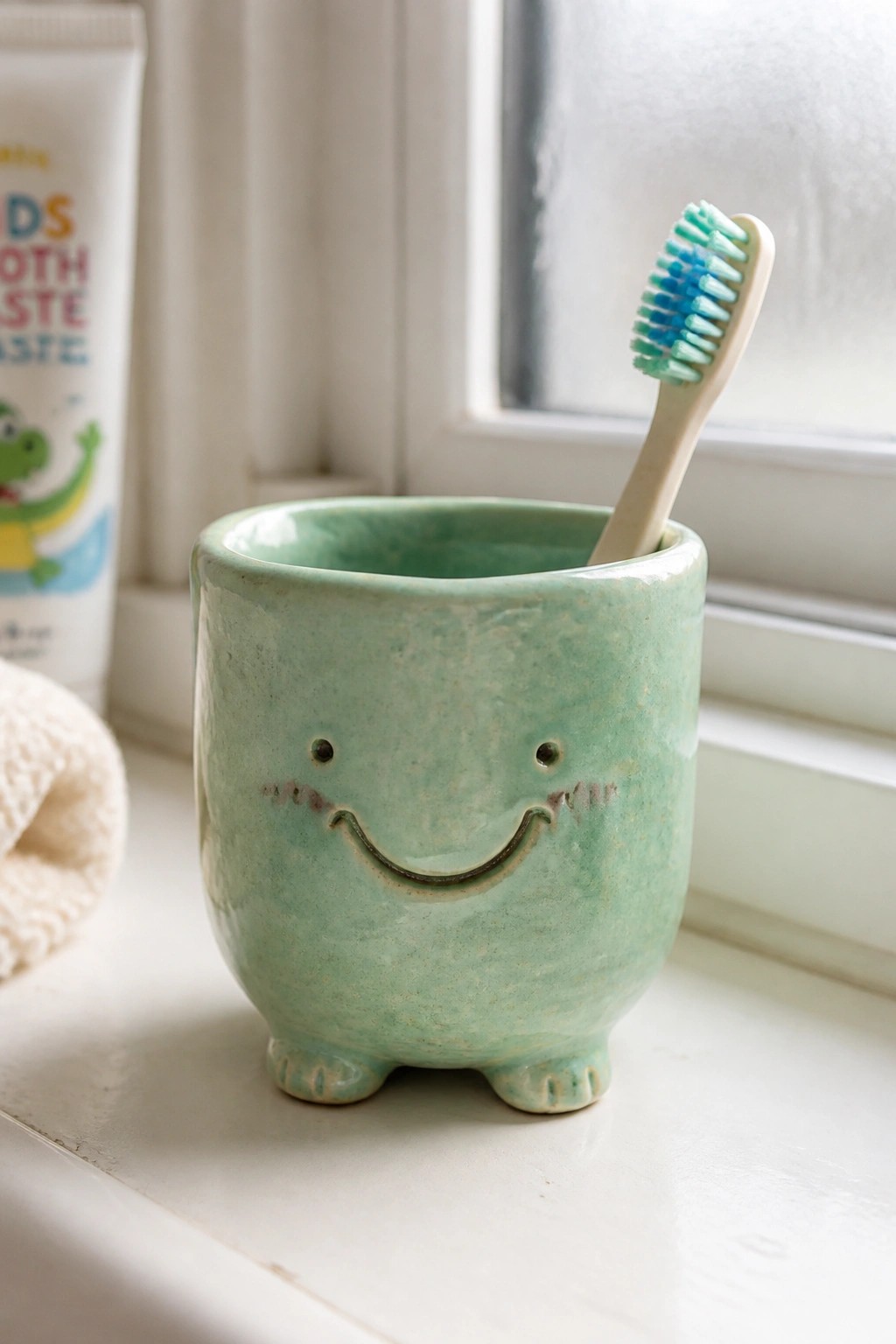
A basic pinch pot forms this small ceramic cup meant for holding a toothbrush upright. The rounded body sits on two pinched feet that add stability, while simple carved lines create eyes and a smile across the front. A single mint green glaze covers the surface and gives it a smooth, finished look. The design fits the bathroom item category and keeps the form compact enough for a windowsill or sink edge.
What makes this idea useful is how the same cup shape can switch to holding makeup brushes or cotton swabs without changing the construction. You can adapt the face by pressing different expressions or skipping the feet entirely for a flatter base. In a bathroom, this kind of piece keeps toothbrushes off the counter and works just as well for a child’s sink as an adult one. The small scale also means you can batch several holders in one firing session and customize each with different glaze colors.
Leaf-Shaped Spoon Rest
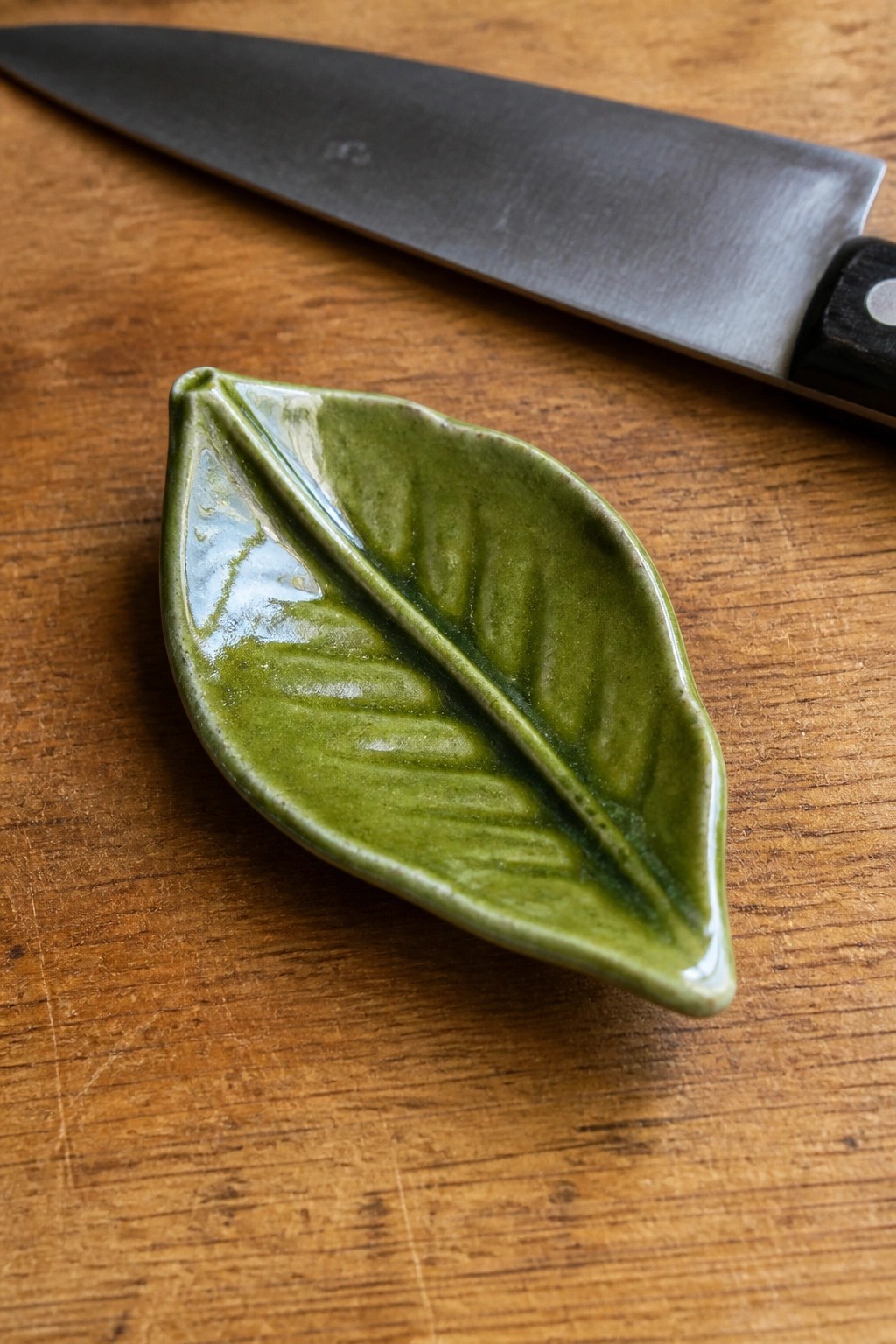
A leaf-shaped pinch pot works well as a small kitchen dish for resting spoons or holding a few herbs during cooking. The form uses a pointed tip and raised center vein to suggest a real leaf, with side veins pressed in for texture before glazing. A glossy green finish brings out the details without covering the handmade ridges.
What makes this idea useful is how the leaf shape stays recognizable even in simple versions. You could make a few in different sizes to use as individual spoon rests or adapt the same pressing technique for a tiny tray next to the stove. In a kitchen this kind of piece keeps tools off the counter while taking up almost no space.
Lemon Slice Pinch Pot Dish
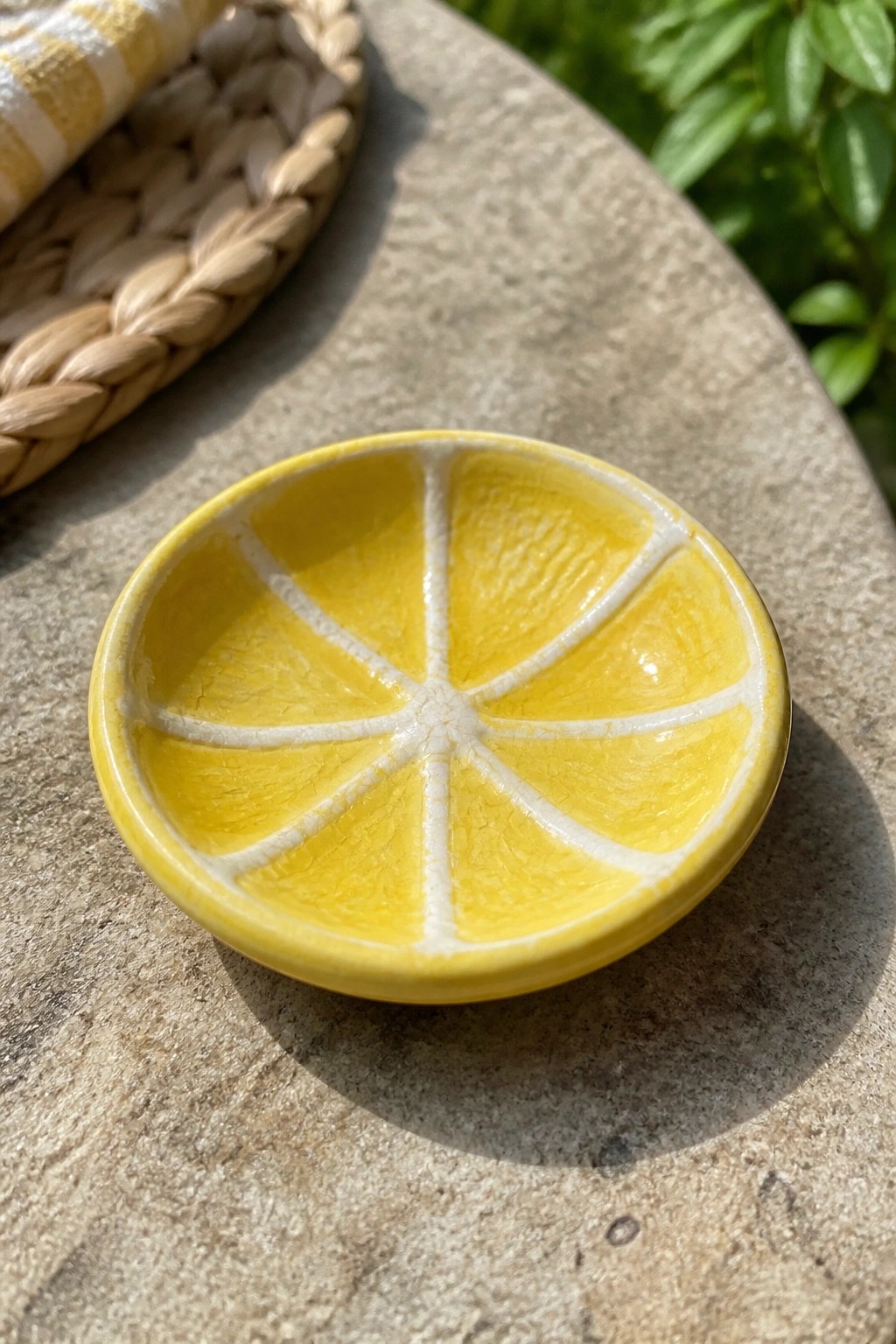
A basic pinch pot gets shaped into a shallow round dish and glazed bright yellow with white lines radiating from the center to suggest lemon segments. The design stays simple because the glaze pattern does most of the work to create the citrus look rather than added clay details. This turns an ordinary small bowl into a recognizable fruit form that still functions as a holder for rings or tiny items.
The small scale makes the dish easy to place on a bathroom counter or bedside table for daily jewelry. You can change the glaze color to make an orange or lime version or skip the lines entirely for a plain solid color. The same pinched shape works for other quick projects like a tiny salt dish or a holder for loose coins. A clear fruit motif like this tends to save well on Pinterest because the idea reads quickly in a small preview image.
Small Pinch Pot Bud Vase

A narrow-necked pinch pot vase with a rounded lower body holds a single stem upright without extra support. The soft green glaze adds a light variation in tone across the surface while keeping the overall form simple and balanced. This shape works as a basic holder that stays stable on flat surfaces even with a tall stem inside.
What makes this idea useful is how little clay and space it needs while still serving a clear purpose. You can stretch the neck taller or widen the base slightly to change the look for different flowers. The same form works on a bathroom shelf for a toothbrush or on a desk for a pen. Try repeating it in a few glaze colors to make a quick set for gifts or small storage spots around the house.
Fox-Shaped Ring Holder
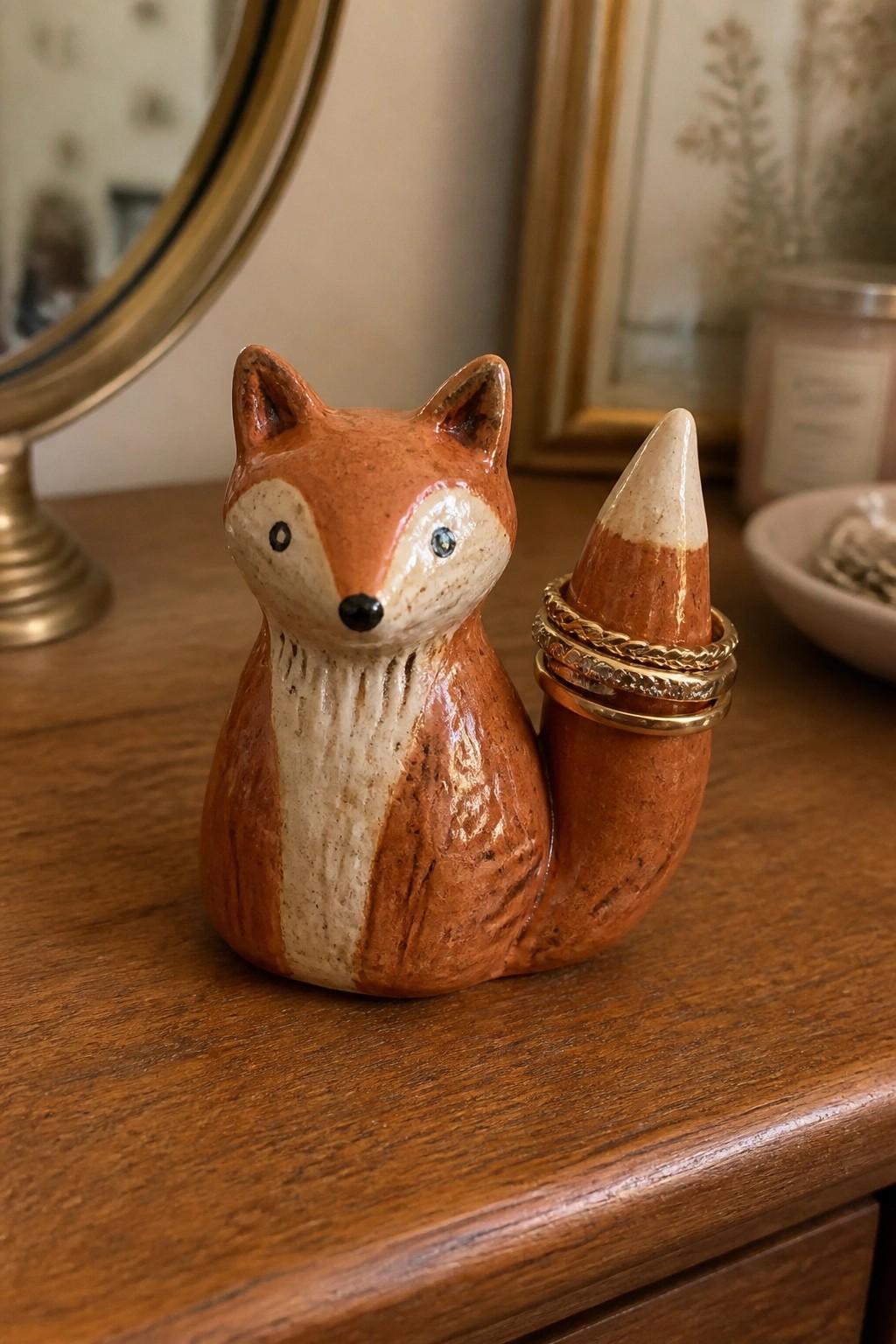
A small sculpted fox serves as a ring holder by using its upright tail as the functional post. The piece is built from clay with a rounded body, pointed ears, and a tapered tail that supports several rings at once. Earthy orange and cream tones with simple black accents define the face and fur lines, while the surface shows visible texture from hand forming. This approach fits the ring holder category of small functional decor.
The tail shape keeps rings stacked neatly without extra hardware. You can adapt the same body and tail structure to other animals by swapping the head details and adjusting the tail angle. The painted markings are simple enough to recreate or change with underglaze or acrylic after bisque firing. A piece like this works especially well on a dresser or desk where it stays visible but takes little room.
Match Holder Tray
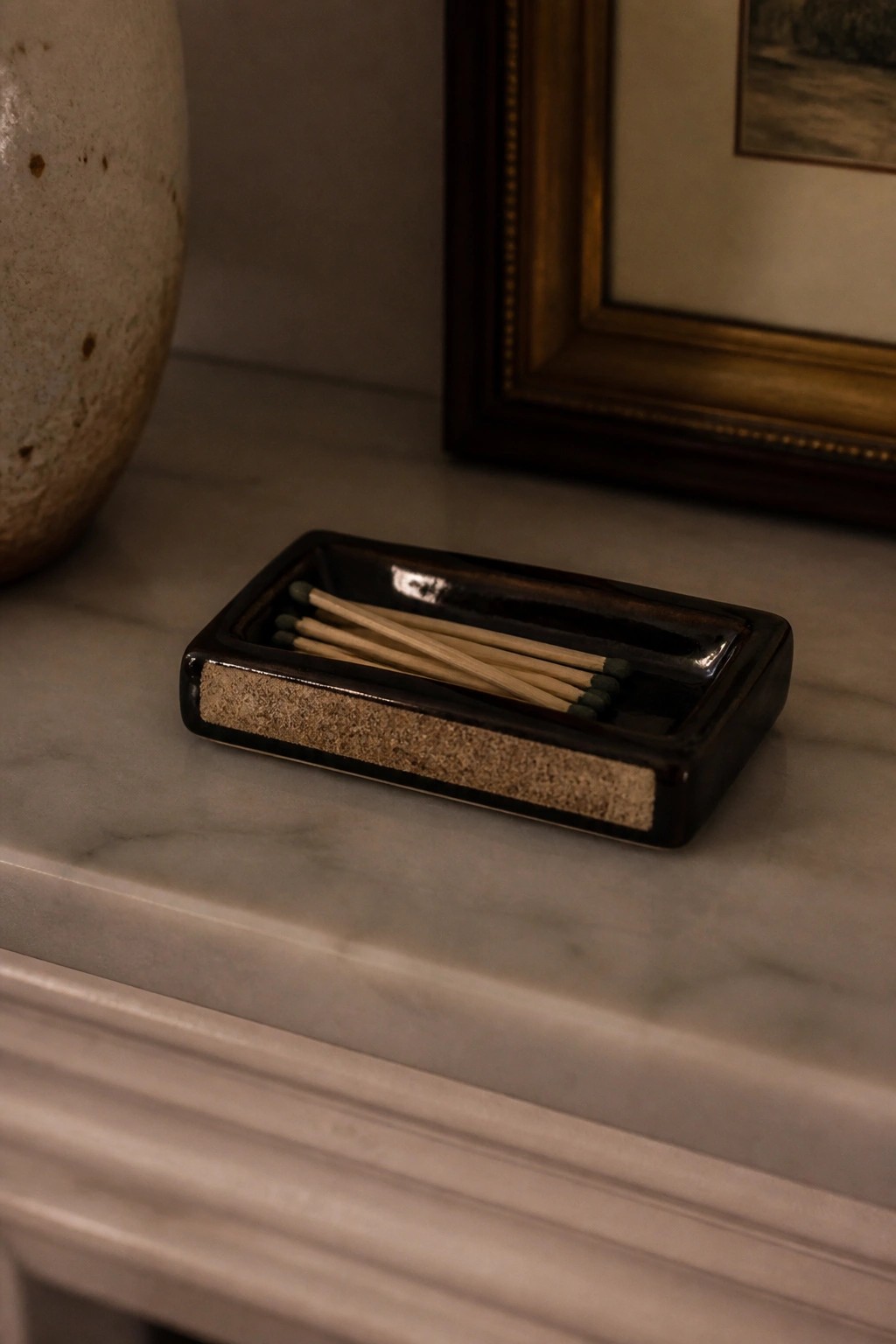
A small rectangular tray made from clay serves as a dedicated match holder that keeps loose sticks organized and within reach. The dark glossy glaze covers most of the surface while a lighter textured band runs along one long side, creating simple contrast without extra decoration. This shape stays low and flat so it works as a functional holder rather than a decorative accent.
What makes this idea useful is how the same tray proportions can be scaled slightly wider to hold incense sticks or safety pins instead. The textured band could be replaced with a stamped line or left plain depending on the glaze you already have. In a kitchen drawer area or near a fireplace, the compact size keeps matches from scattering while still looking intentional. You could also turn the basic form into a tiny soap rest by adding a shallow groove down the center.
Divided Pinch Pot Jewelry Tray

A three-section pinch pot forms a compact jewelry tray by joining small rounded bowls at the edges before glazing. The mint green, pink, and gray sections create separate spaces that keep rings and earrings from tangling while the matte and glossy glaze mix adds subtle contrast. This approach works as a ring dish or small storage tray that sits flat on a surface without taking much room. The handmade pottery construction shows in the slightly irregular rims and the way the compartments meet naturally.
What makes this idea useful is how the connected sections sort different jewelry types in one spot. You could rework it with two sections for a desk version that holds paper clips and earbuds, or change the glazes to match bathroom tiles for daily use. The small overall size makes it simple to test new color combinations without using much clay. For Pinterest, the divided layout gives the piece a clear function that stands out in search results.
Mini Ceramic Spice Spoon
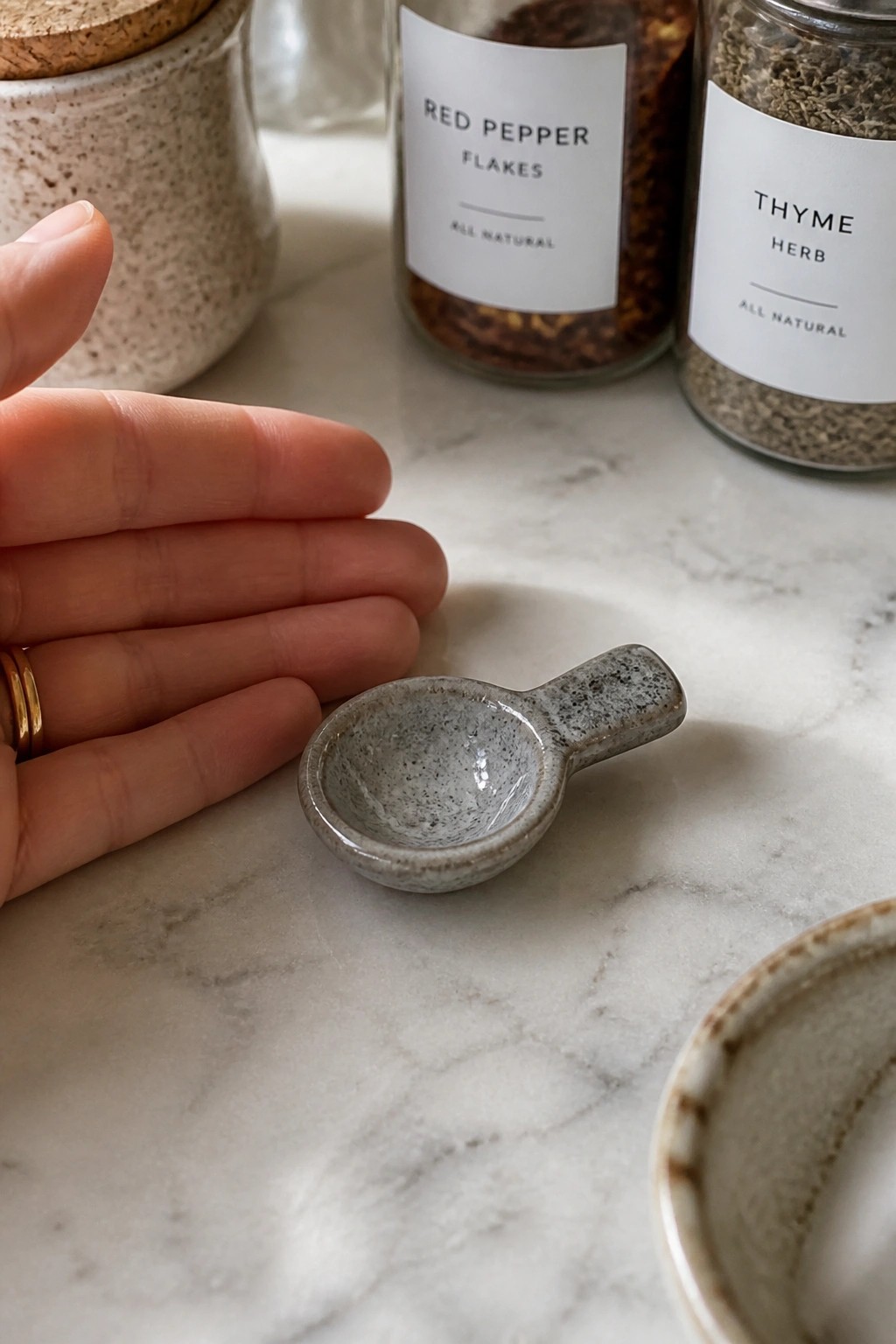
A pinch pot can be shaped into a small functional spoon by pinching a shallow bowl and attaching a short handle at one end. This creates a compact scoop suited for spices, salt, or dried herbs right on the counter. The speckled matte glaze adds grip and a simple kitchen look without extra decoration.
What makes this idea useful is how the small scale fits beside spice jars for everyday measuring. You could adapt it by widening the bowl for larger scoops or shortening the handle to sit flat in a drawer. In a kitchen this kind of piece stays practical while matching other handmade dishes. The same basic pinch and pull method also works for making matching salt spoons or tiny herb scoops in different sizes.
Frequently Asked Questions
1. What type of clay works best for creating small functional pinch pots? Air dry clay or polymer clay is ideal for beginners who lack access to a kiln because both can be hardened at home without special equipment. For more durable results that can hold liquids, use stoneware or earthenware clay and have it fired professionally at a local studio. Always choose a clay body labeled as food safe if you plan to use the pieces for eating or drinking.
2. How can I make sure my pinch pots are sturdy enough for everyday use? Start by keeping the walls an even quarter inch thick throughout the forming process to prevent weak spots that crack during drying. Allow the pots to dry slowly under plastic for several days before firing or baking to reduce the chance of warping. Adding a small foot or base during the pinching stage also helps them sit flat and stable on surfaces.
3. Are there safe ways to finish these pots so they can hold food or plants? Apply two to three coats of a lead free glaze designed for functional ware and follow the firing schedule recommended by the clay manufacturer. For air dry versions, seal the interior with a waterproof varnish or resin after the clay has fully hardened. Always test a finished piece by holding water overnight to confirm there are no leaks before regular use.
4. What simple tools do I need beyond my hands to try the creative ideas in the article? A basic set includes a small sponge for smoothing, a wooden rib for shaping curves, and a needle tool for adding fine details or scoring surfaces. Plastic containers or household items like bottle caps can serve as stamps for texture without buying extra supplies. Keep a spray bottle of water nearby to prevent the clay from drying out too quickly during longer sessions.
5. How do I adapt the ideas if I want to make the pots slightly larger or combine techniques? Increase the starting ball of clay by 50 percent and work in stages, letting the base firm up before adding height to maintain control. Combine two pinch forms by scoring and slipping the edges together while the clay is still soft to create divided dishes or small trays. Test one modified version first on a small scale to check proportions before committing to a full batch.

Pottery Path is my cozy corner of the internet where I share clay ideas, pottery inspiration, and simple projects you can recreate at home. I love exploring everything from air dry clay to handbuilt pottery to cute minis that brighten your day. My goal is to make clay crafting feel easy, fun, and welcoming for anyone who wants to try it.
You will find beginner friendly tutorials, creative pottery painting ideas, and lots of warm inspiration for slow and happy crafting. If you enjoy hands on creativity, this space will feel like home.