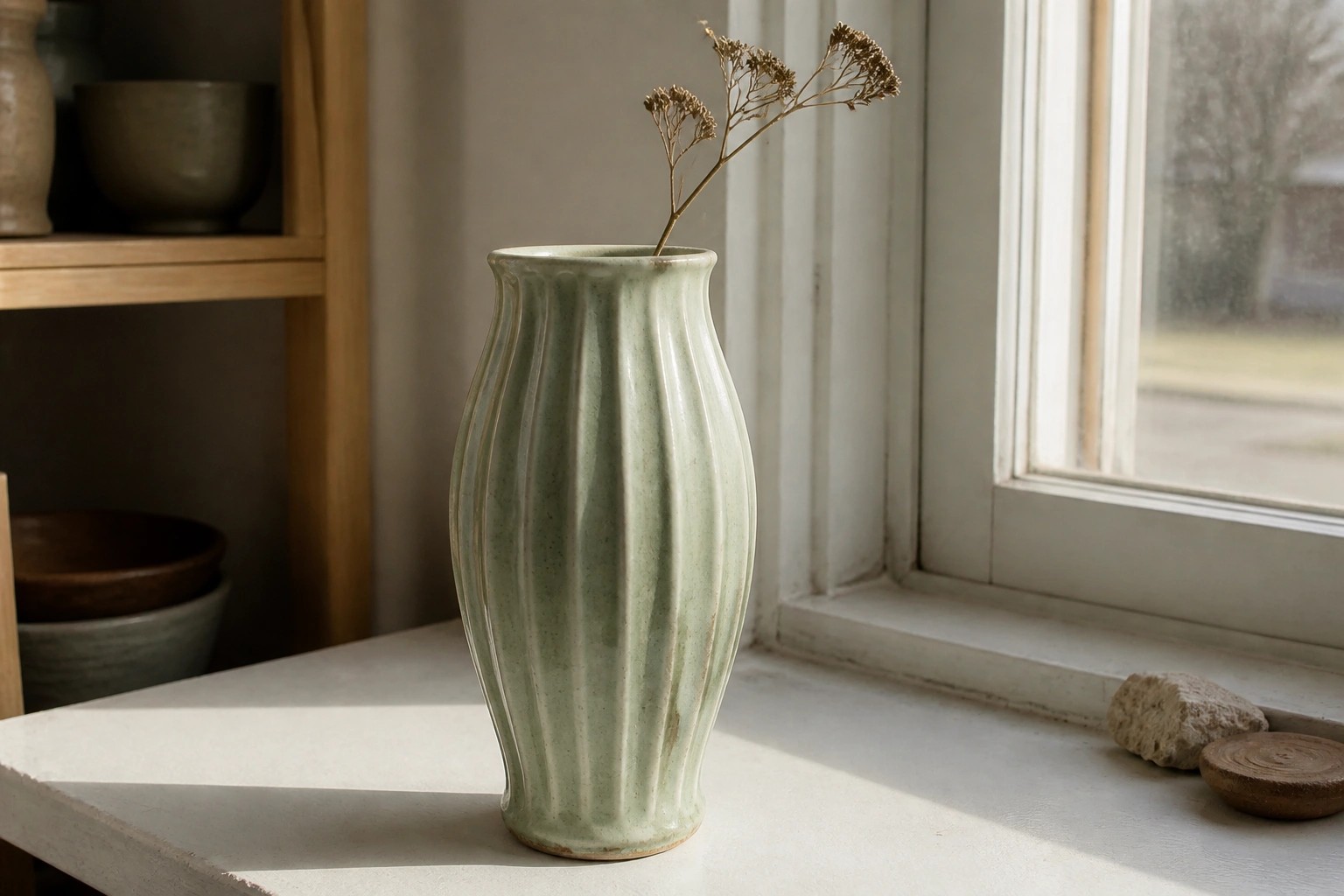
I’ve been messing around on the wheel for a couple of years and every now and then a piece turns out nicer than I thought it would.
Some of the simpler forms just need a steady hand and a good glaze to look like they came from a real studio.
I started keeping track of the ones that worked well for me so I wouldn’t forget how I did them.
A few of these ideas are ones I came back to more than once because they felt doable on a regular afternoon.
I figured I’d share what I’ve tried in case anyone else wants to give them a shot too.
Ribbed Tall Vase in Pale Green Glaze
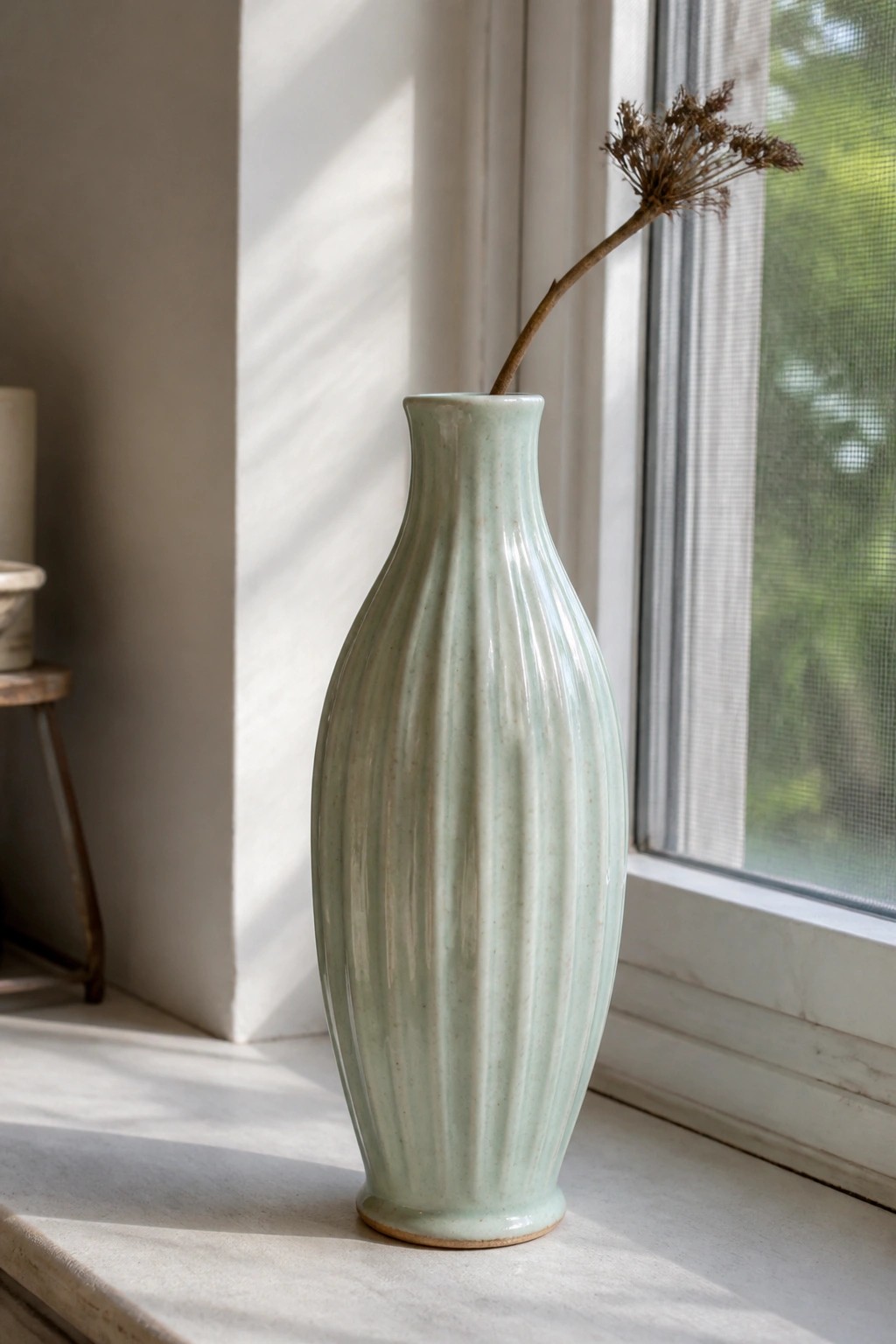
A tall vase thrown with vertical ridges creates a clean, elongated shape that draws the eye upward. The light green glaze sits in the grooves to emphasize the texture while leaving a soft matte finish on the raised areas. This project falls into the decor vase category and works best for single stems or dried botanicals rather than full bouquets.
The shape does a lot of the work here because the narrow neck and tapered body keep the piece balanced on a shelf or windowsill. You could adapt the same ribbing technique to a shorter version for a desk or bathroom counter. The glaze color also translates well to a set of smaller bud vases if you want matching pieces without repeating the full height. In a kitchen or living space, this style stays simple enough to fit modern shelves yet shows enough surface detail to stand out in photos.
Two-Tone Noodle Bowl with Speckled Exterior
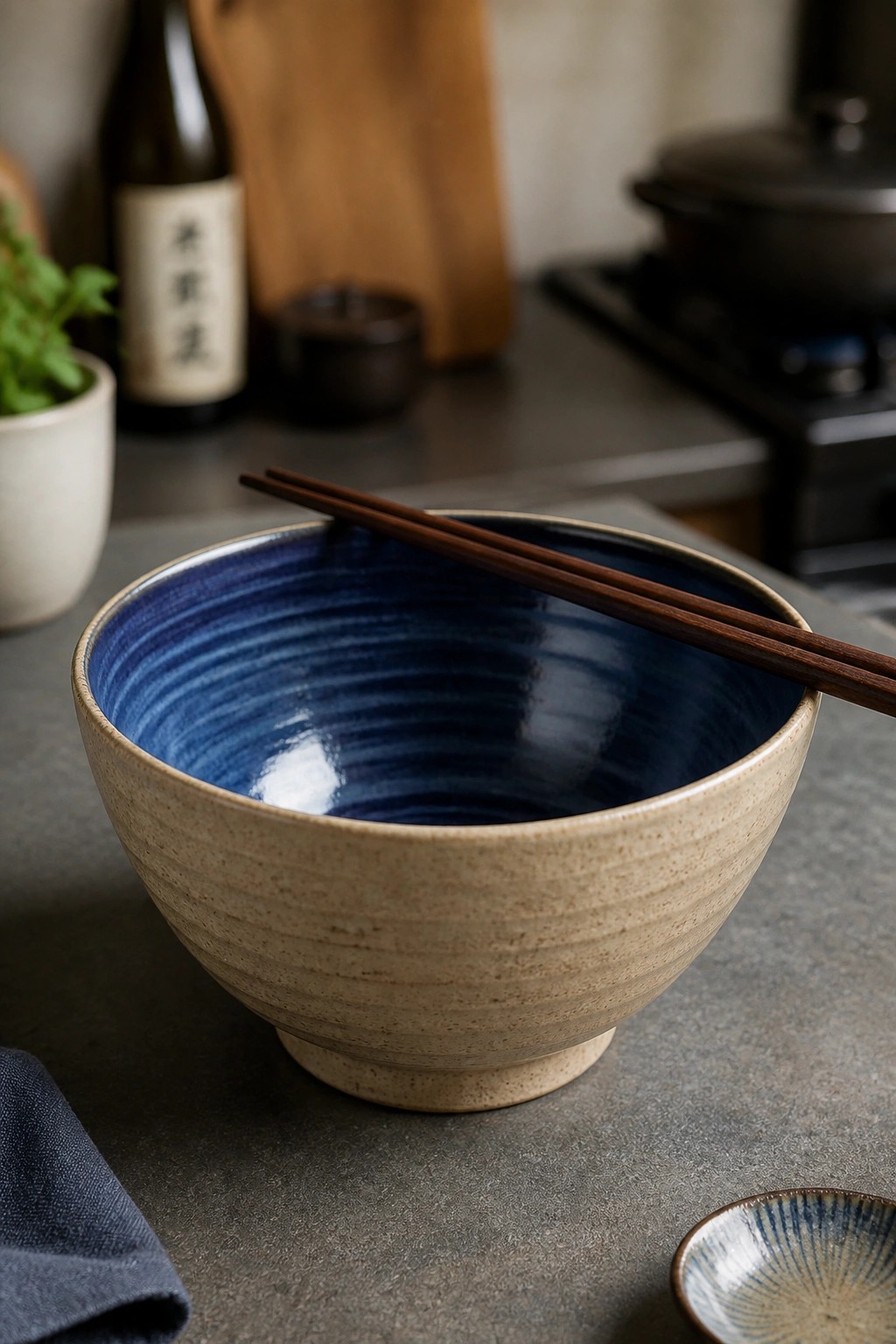
A wheel-thrown bowl with a wide opening and thick rim makes a solid choice for noodle or rice dishes. The interior carries a deep blue glaze that shows the throwing ridges clearly, while the outside stays in the raw speckled clay for contrast. The chopsticks laid across the top turn the bowl into a ready-to-use table piece without needing extra tools.
What makes this idea useful is how the shape itself supports both serving and storage. You could make a set of smaller versions for everyday meals or keep the large size for family-style dishes. The natural exterior means you can skip glazing the outside entirely and still get a clean look. In a kitchen this kind of bowl fits right into regular use, and the same form works just as well as a mixing bowl if you adjust the height.
Nested Ceramic Bowls in Graduated Sizes
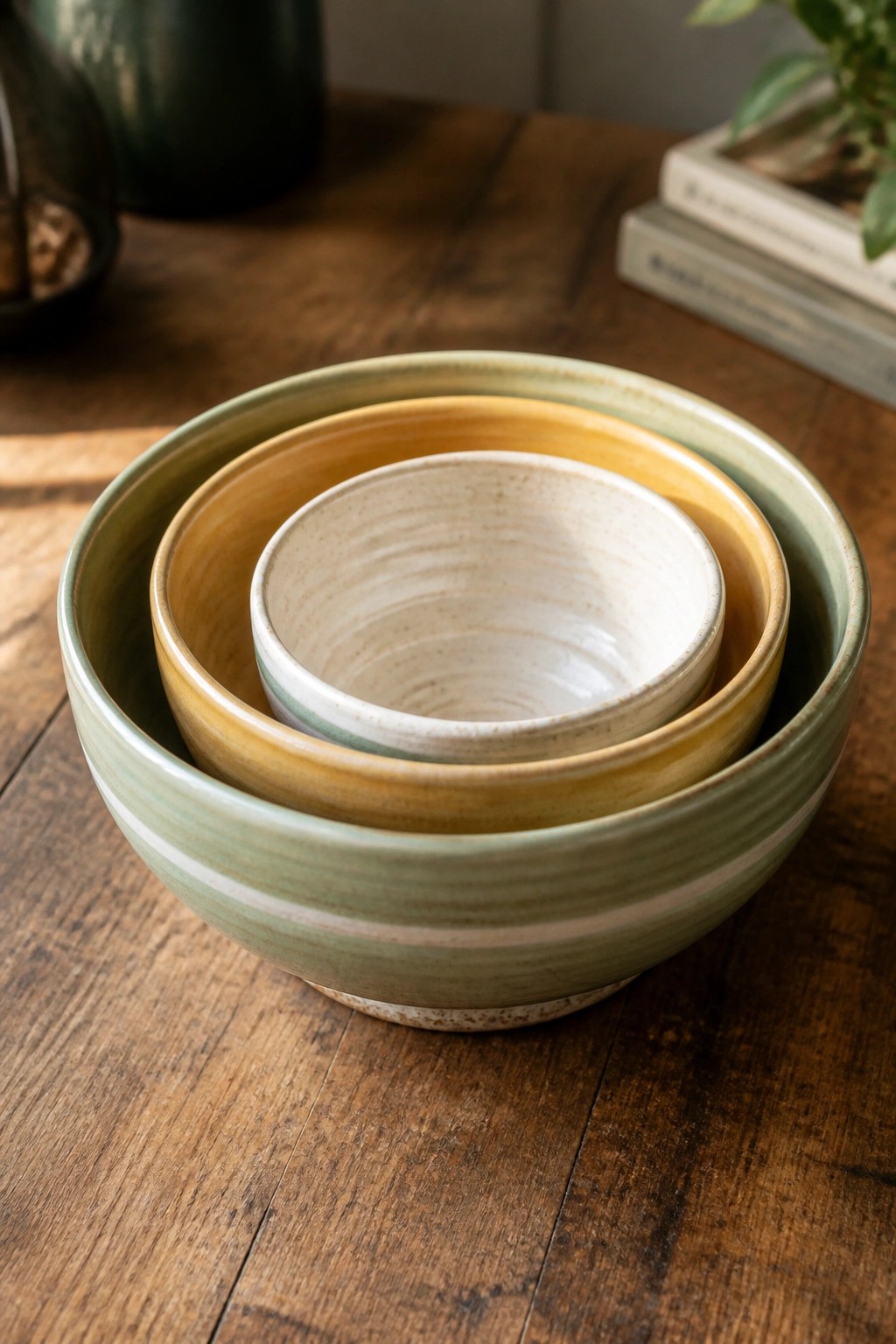
These are three wheel-thrown bowls made to nest inside one another, with the largest in a green glaze, the middle one in yellow, and the smallest in a speckled off-white. The rounded shapes and slightly different rim heights allow them to stack cleanly without wobbling. The simple color progression from outer to inner bowl gives the set a clean, organized look whether they are stored together or pulled out for use. This project falls into the kitchen item category as a set of mixing or serving bowls.
The nesting shape makes these bowls practical for kitchens with limited cabinet space since they take up almost no extra room when stored. You could adapt the idea by making just two bowls instead of three or by swapping the glaze colors to match existing dinnerware. For gifts, a smaller version of the same set works well because the finished pieces look complete even at a modest scale. The straightforward forms also translate easily to other sizes if you want to turn the concept into a set of prep bowls or small serving dishes.
Two-Tone Glazed Ceramic Mug
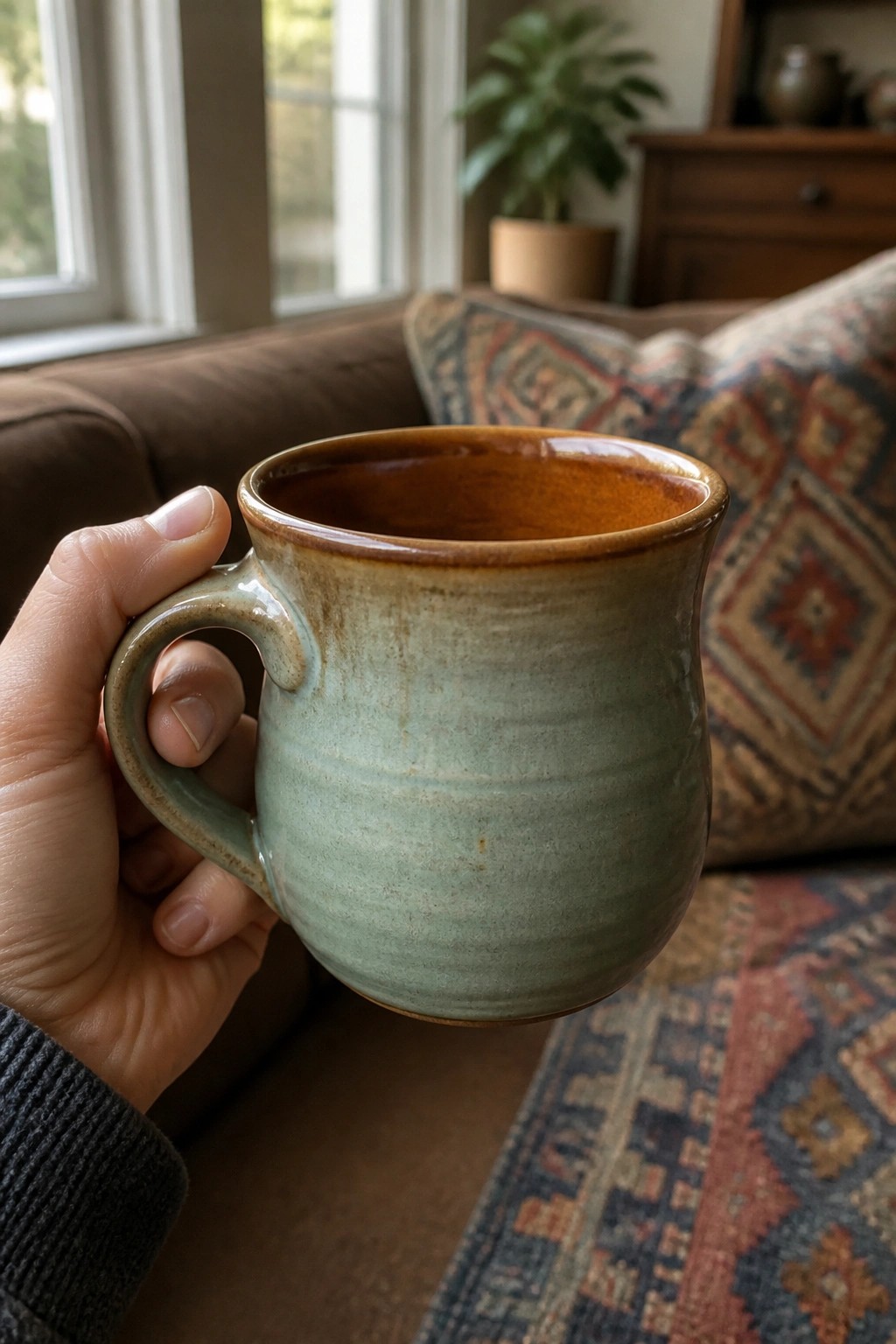
A wheel-thrown mug with a rounded body and pulled handle uses a simple two-tone glaze to create contrast. The exterior carries a muted blue-green that varies slightly across the surface, while the interior shows a warm amber-orange that stands out when the mug is in use. This approach keeps the focus on glaze behavior rather than added texture or carving, which suits basic drinkware projects.
What makes this idea useful is how the interior color becomes visible during everyday use without needing extra details. You can swap the glaze colors to match different kitchen palettes or create sets with matching bowls. The standard size works well for coffee or tea and stores easily on open shelves. The same shape and glazing method could shift into a small pitcher or soup bowl with minor adjustments.
Speckled Lidded Jar for Small Storage
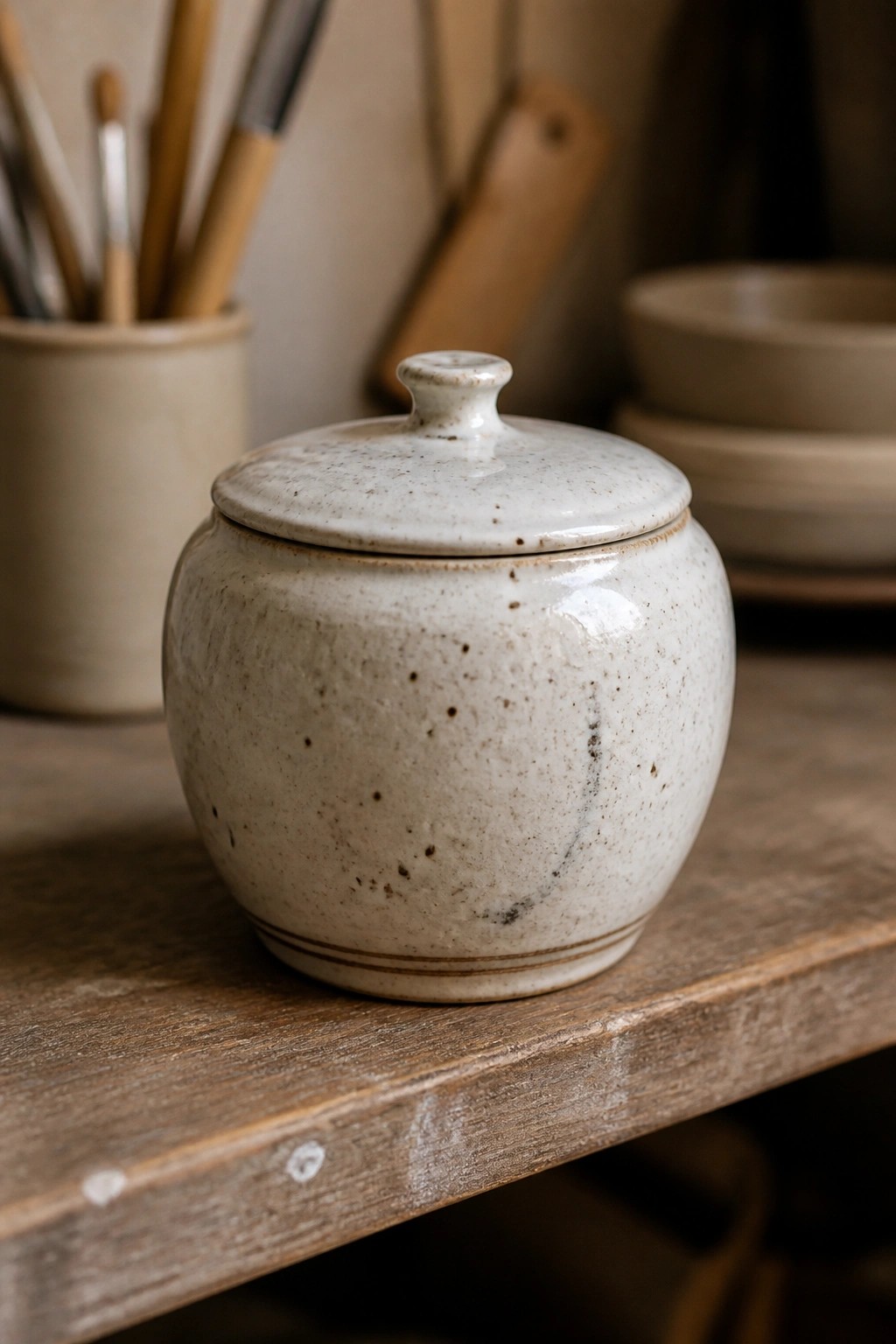
A small wheel-thrown lidded jar works well as a compact storage piece. The rounded body and simple knob lid keep the form clean while the speckled glaze adds subtle texture without extra decoration. This type of project fits into kitchen, desk, or bathroom storage categories where a covered container is useful.
The compact size makes it quick to throw and easy to fit on a shelf or counter. You can adapt the same shape for spices, cotton swabs, or loose tea by adjusting the opening width slightly. A piece like this stands out on Pinterest when the glaze is kept minimal and the form stays balanced.
Ceramic Pour-Over Coffee Dripper
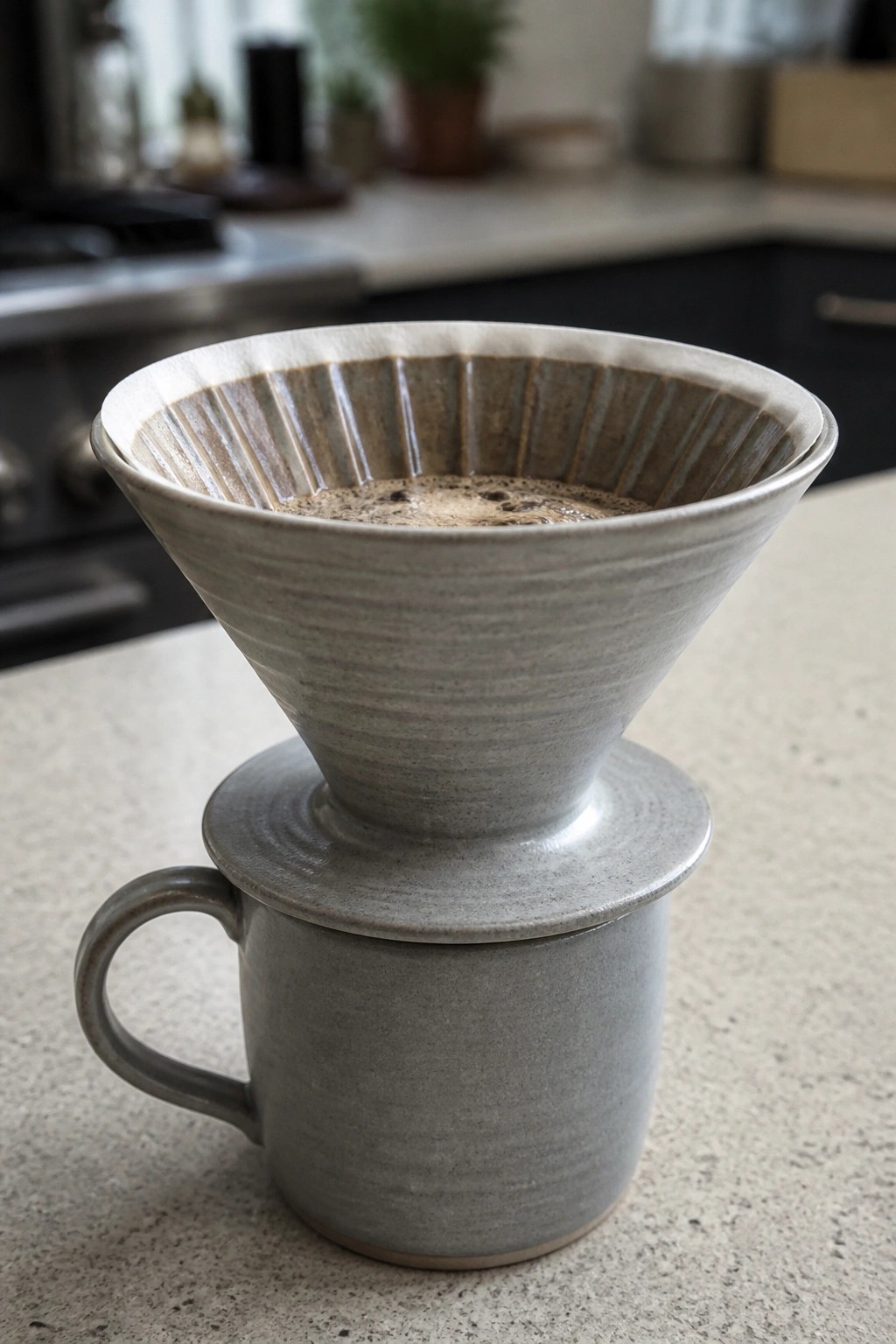
A wheel-thrown pour-over cone with a wide, fluted interior sits directly on a matching mug to create a complete coffee setup. The interior ridges guide water flow while the tapered base locks onto the rim of the cup below. The speckled gray glaze keeps the surface simple and matte so it reads as a kitchen tool rather than decoration. This project turns two basic thrown forms into one functional item.
What makes this idea useful is that the dripper stays in place during brewing without extra stands or holders. You can scale the same shape to fit wider or narrower mugs or swap the glaze for a lighter tone if you want it to match existing dishes. In a kitchen, this kind of piece replaces disposable plastic filters and metal cones with one ceramic object that stores easily. The small overall size also makes it simple to repeat as a weekend project or tweak into a smaller single-serve version.
Speckled Ceramic Pitcher
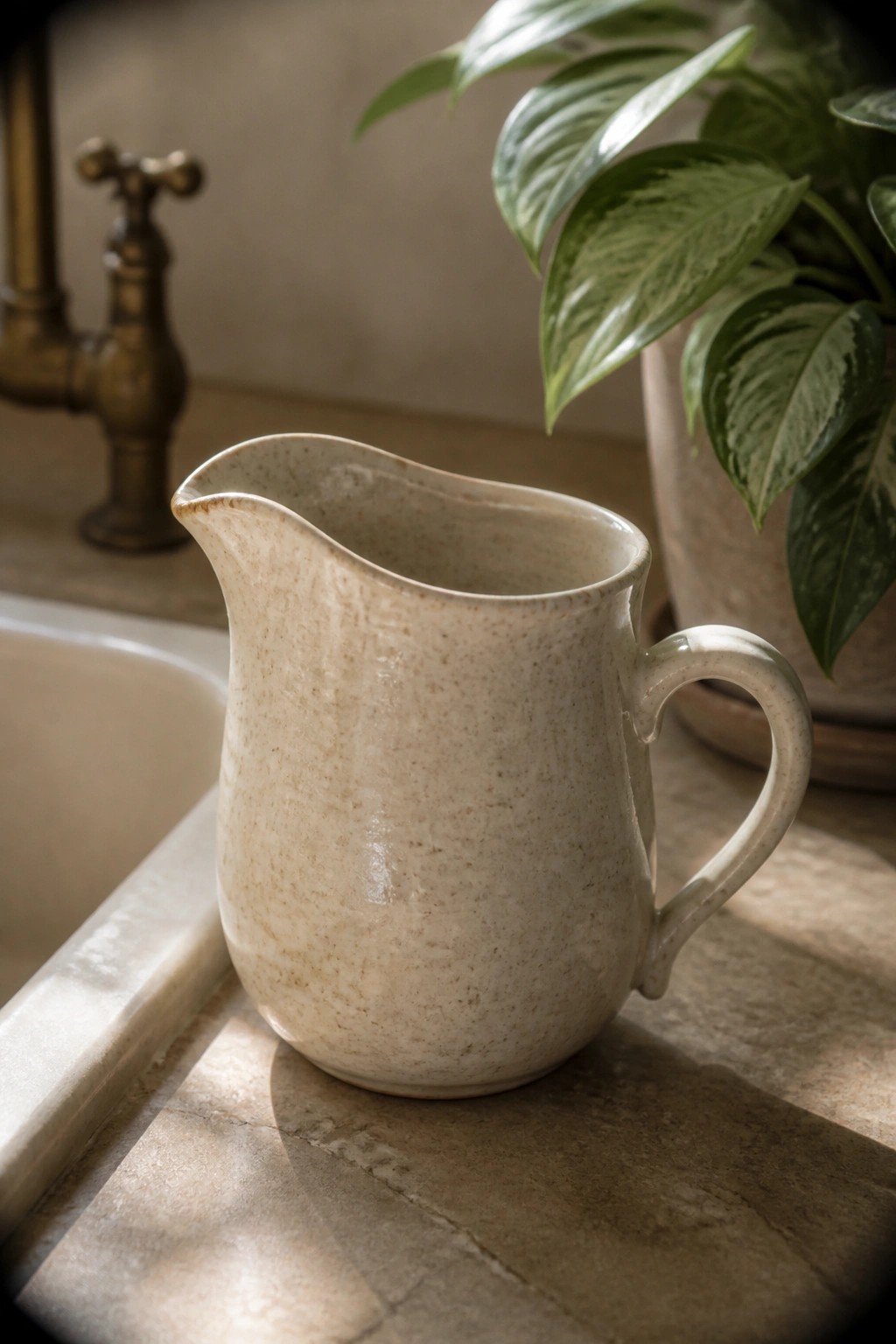
A wheel-thrown pitcher gives you a straightforward kitchen piece for pouring milk, cream, or sauces. The speckled surface comes from a single glaze layer that shows variation in the clay body without added decoration. The shape stays simple with a rounded body, a short spout, and a pulled handle that balances the weight when full. This approach fits the category of functional kitchenware that can move between table use and counter storage.
The shape does a lot of the work here because the wide base and tapered neck pour cleanly without extra trimming. You can adapt the same form into a taller water pitcher or shorten it for a small creamer depending on wheel time available. A neutral speckled finish like this works across different dinnerware colors and still looks intentional next to plain plates. For Pinterest, the clean profile and single glaze read well in flat lays with food or plants without needing extra props.
Wheel-Thrown Pedestal Bowl
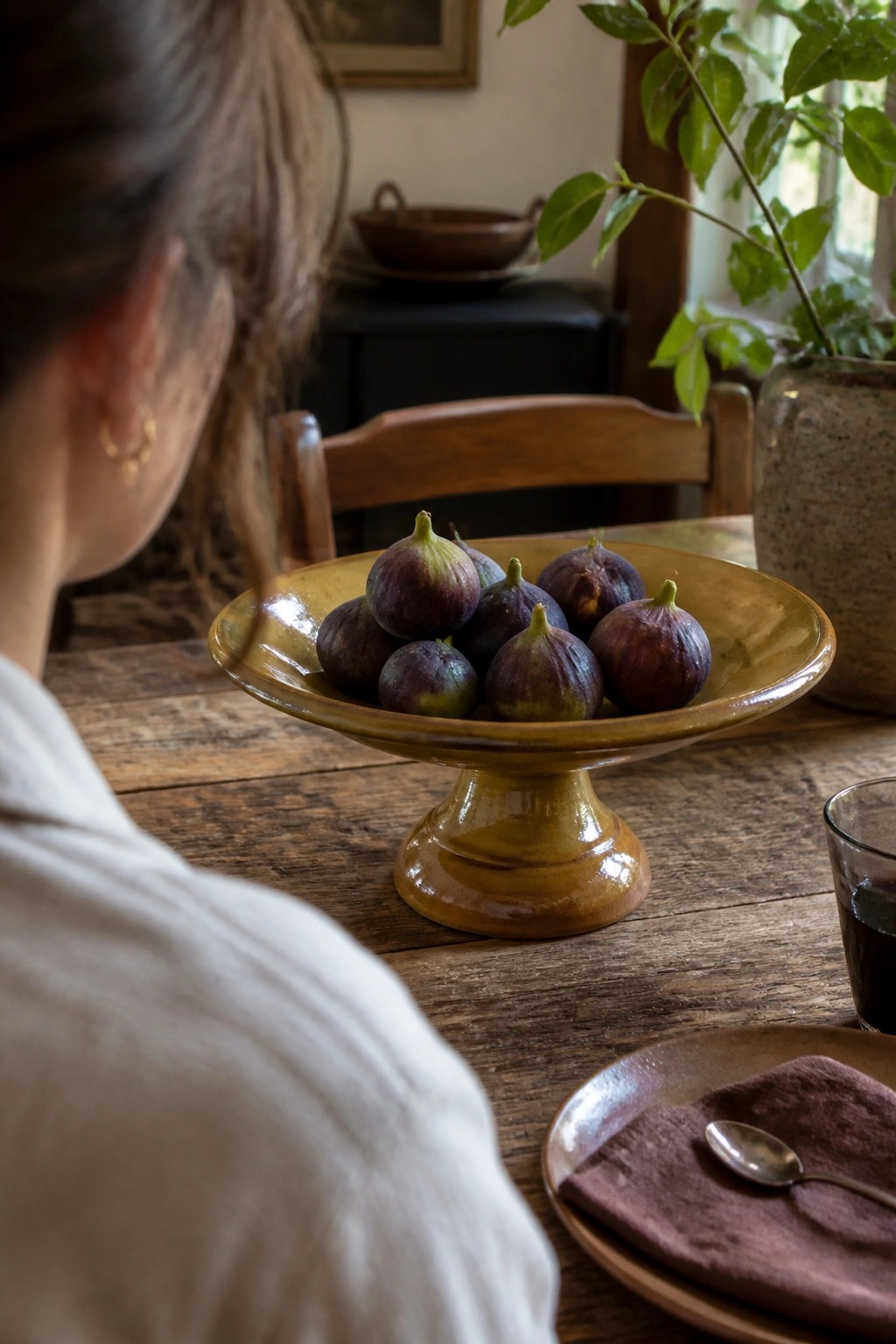
A pedestal bowl like this is made on the wheel as two or three separate parts that are joined before trimming and glazing. The wide, shallow bowl sits on a short, flared foot that lifts it off the table surface. The glossy amber glaze pools slightly in the curves and creates a reflective surface that emphasizes the clean lines of the form without added decoration.
What makes this idea useful is how the raised foot turns a basic bowl into a serving piece that works well for fruit or snacks on a dining table. The same shape can be scaled down for a smaller dessert stand or widened for a shallow catch-all. Changing the glaze to a matte finish or a deeper tone would shift it from warm and bright to more neutral while keeping the same structure. For a gift or market piece, this form stands out because the foot adds height and presence without extra surface detail.
Wheel-Thrown Cups with Layered Glaze
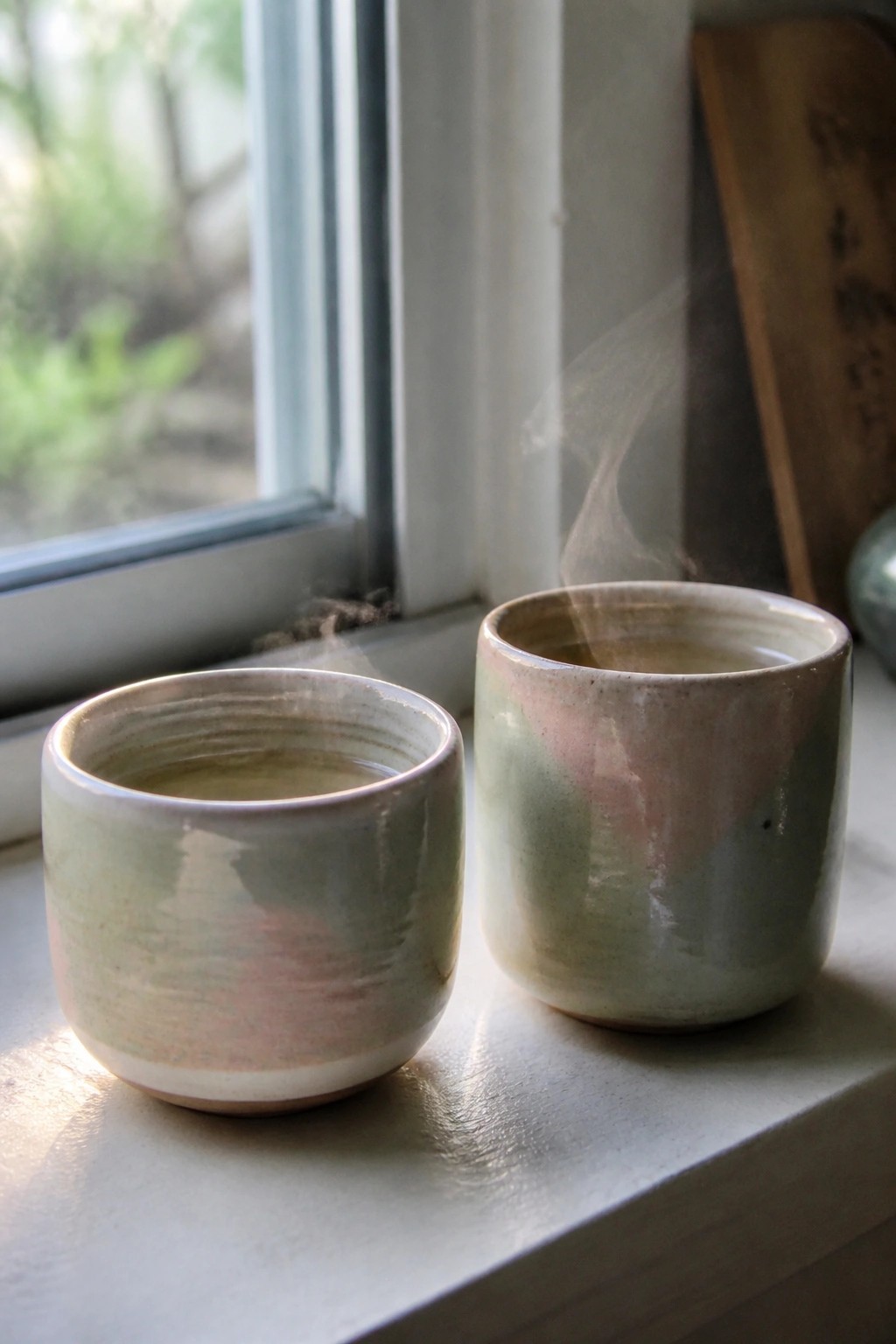
These small wheel-thrown cups use a simple rounded form that tapers slightly toward the base. The glaze application creates soft transitions between green, pink, and cream tones across the exterior while leaving the interior a single muted shade. The approach fits the mug or cup category well because the shape stays functional for hot drinks while the surface treatment provides visual variation without extra carving or handles.
A piece like this works especially well as a daily tea or coffee cup since the size fits easily on a windowsill or small table. You can adapt the same wheel-thrown profile and glaze layering to make a set of four or six for gifts, or scale the height up slightly for larger drinking vessels. The compact form also lets you test new glaze combinations quickly without committing much material.
Swirled Glaze Shallow Serving Bowl
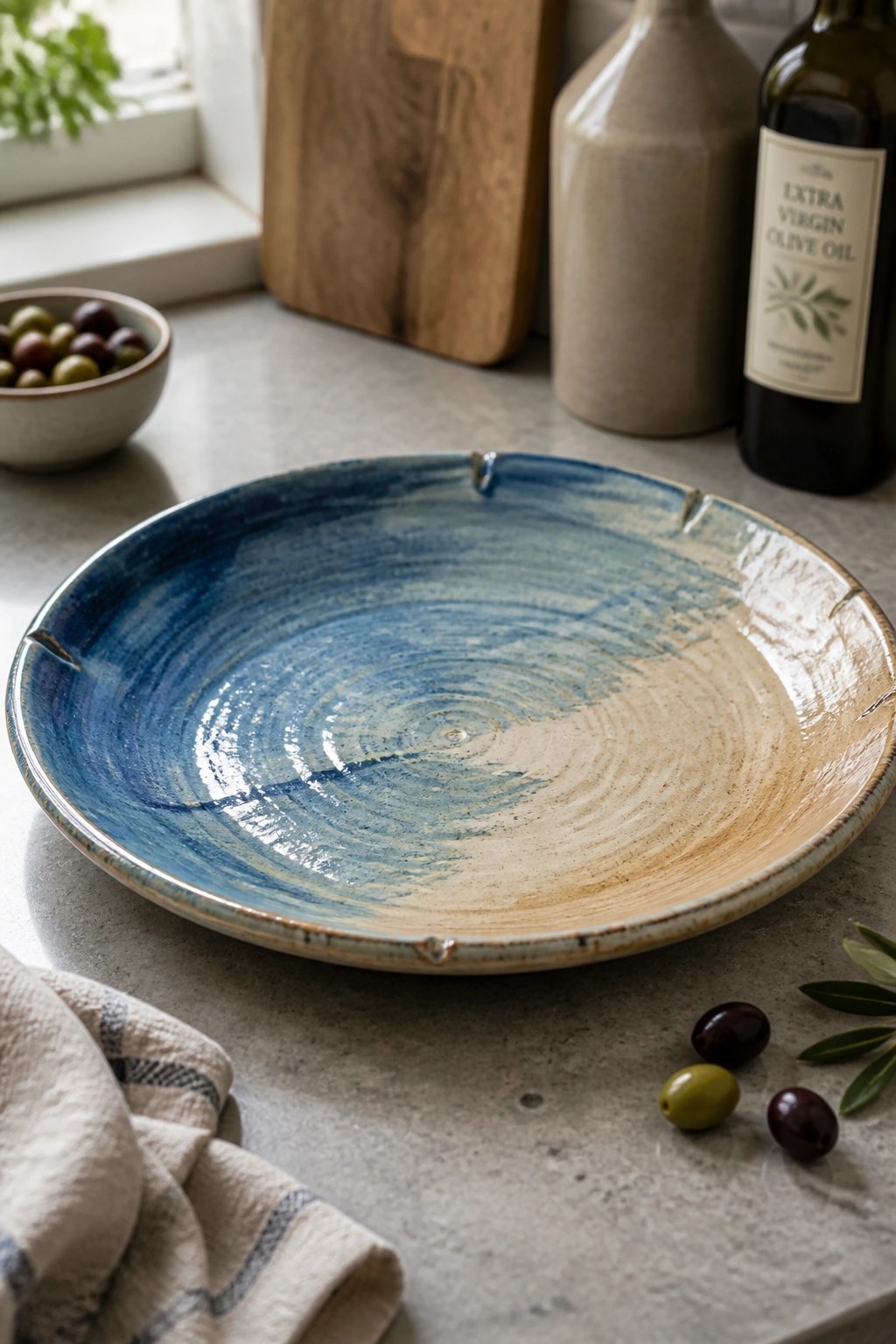
A wheel-thrown shallow bowl works well as a serving piece when the glaze is applied to highlight the spiral marks left from throwing. The blue glaze covers one side and blends into a lighter tone across the rest of the surface, giving contrast through the throwing lines rather than added decoration. Small notches spaced around the rim break up the edge and give the bowl a slightly different profile.
What makes this idea useful is how easily it fits into kitchen use for olives, bread, or appetizers. You could repeat the two-tone glaze approach on dinner plates or a set of smaller bowls using the same color split. The notches are simple to cut into the rim before firing and can be adjusted in size or spacing if you want to change the look for a different project.
Yarn Bowl with Spiral Cutout
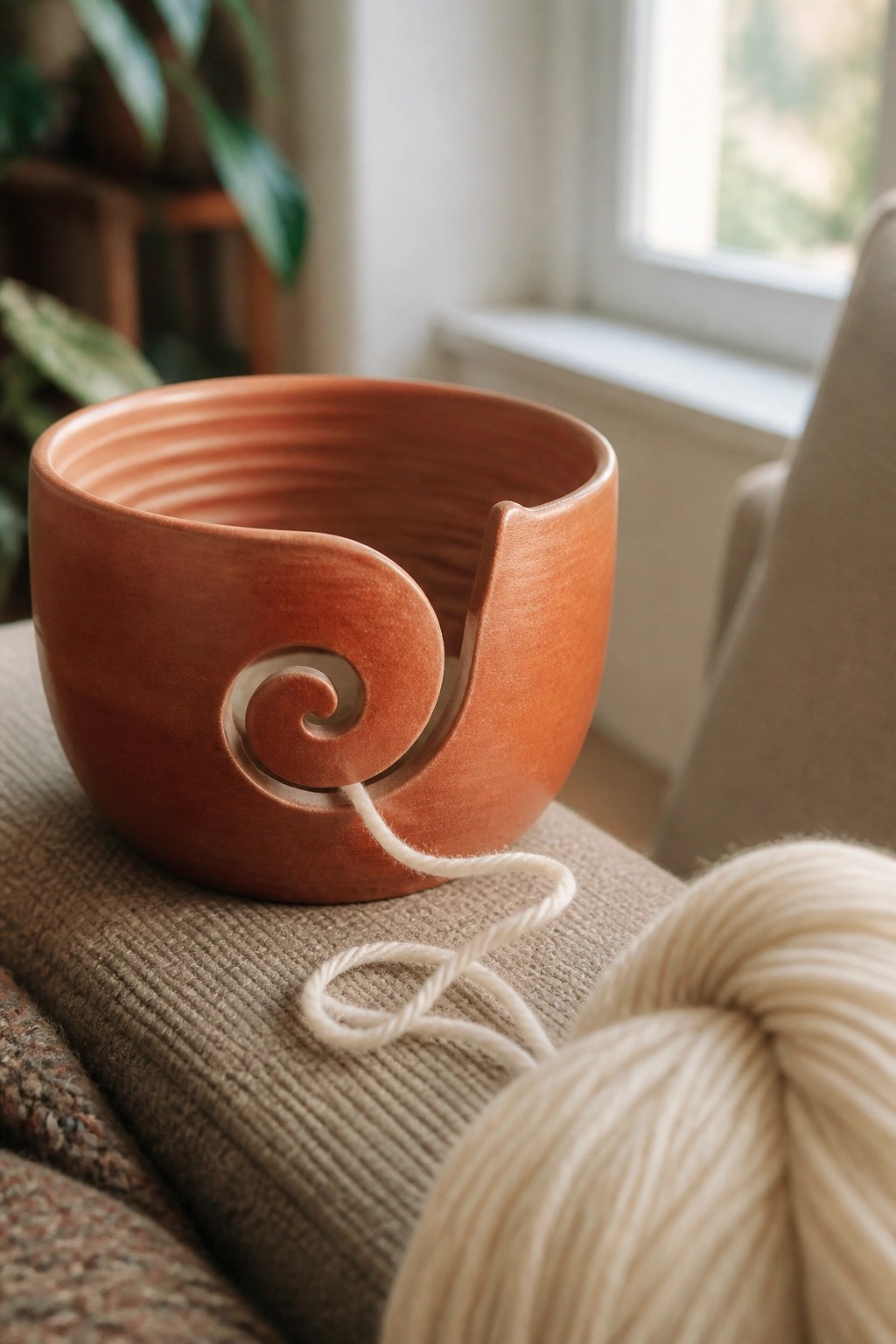
A yarn bowl is a round, wide vessel designed specifically for holding yarn while knitting or crocheting. The spiral cutout on the side creates a channel that guides the strand outward, which stops the ball from tumbling across the floor. The interior ridges help grip the yarn, and the simple terracotta finish keeps the focus on the functional shape rather than surface decoration.
What makes this idea useful is how the cutout turns an ordinary bowl into a dedicated tool that actually solves a common problem for fiber artists. You could rework the same form with a straight notch instead of the spiral or scale it down for smaller sock yarn projects. A piece like this sits well on a couch arm or craft table and works as a quick, practical gift for anyone who knits regularly.
Mottled Green Cylinder Planter
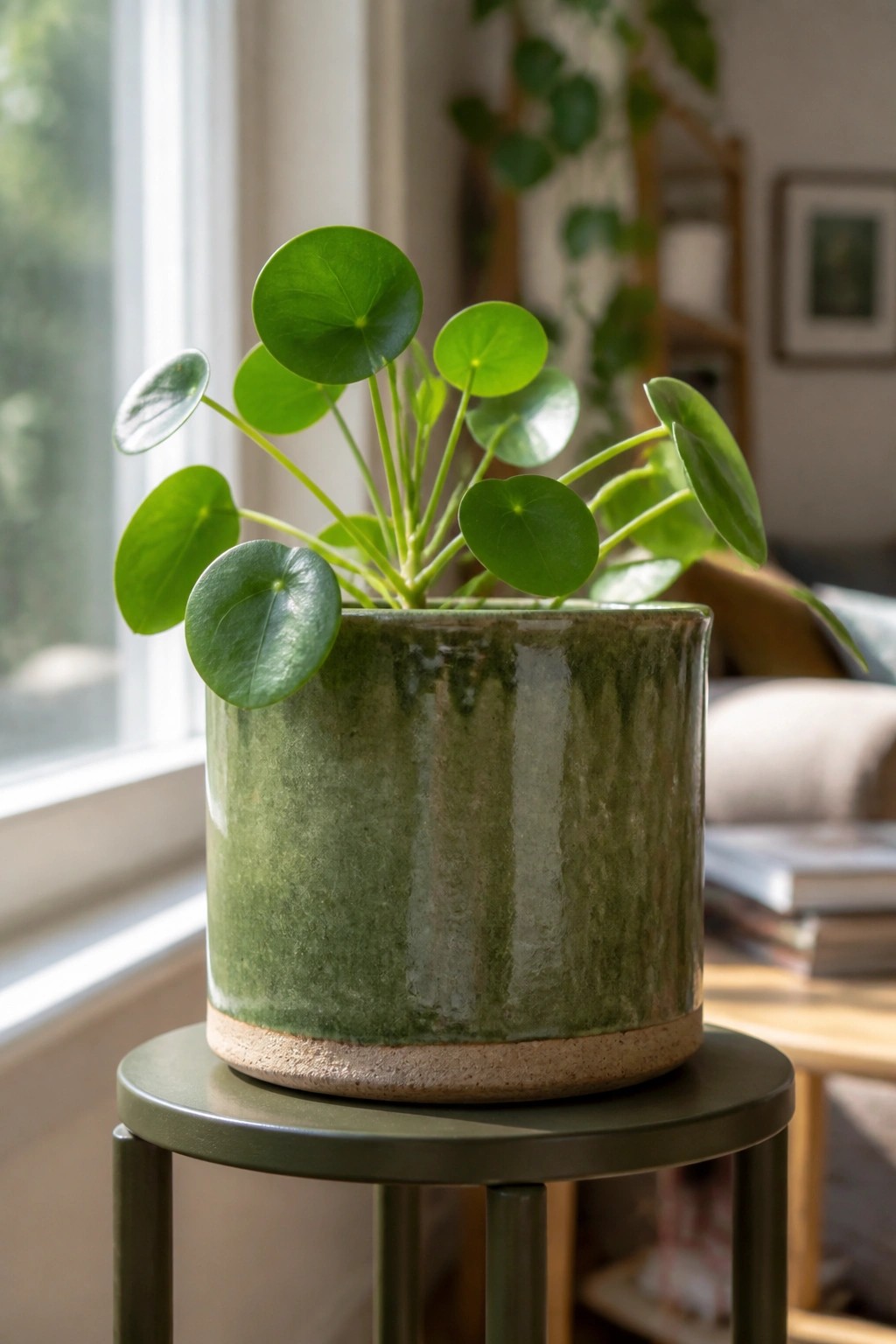
A wheel-thrown cylinder planter with a mottled green glaze gives a clean shape that still looks handmade. Straight sides and a narrow raw clay band at the base keep the form simple while the glaze shifts in tone and texture from top to bottom. The wide opening works well for plants with broad leaves or multiple stems. This idea falls into the planter category where the pot itself becomes part of the room display.
What makes this idea useful is how the basic cylinder lets you focus on glaze results without complex trimming. You can scale the height up or down depending on the plant size or try the same form in a matte glaze for a different finish. In a living room or near a window, the shape holds its own next to wood furniture and other pots. The same wheel-thrown cylinder could be made shorter for a desk tray or wider for a shallow succulent dish.
Wheel-Thrown Oil Cruet with Matte Patch
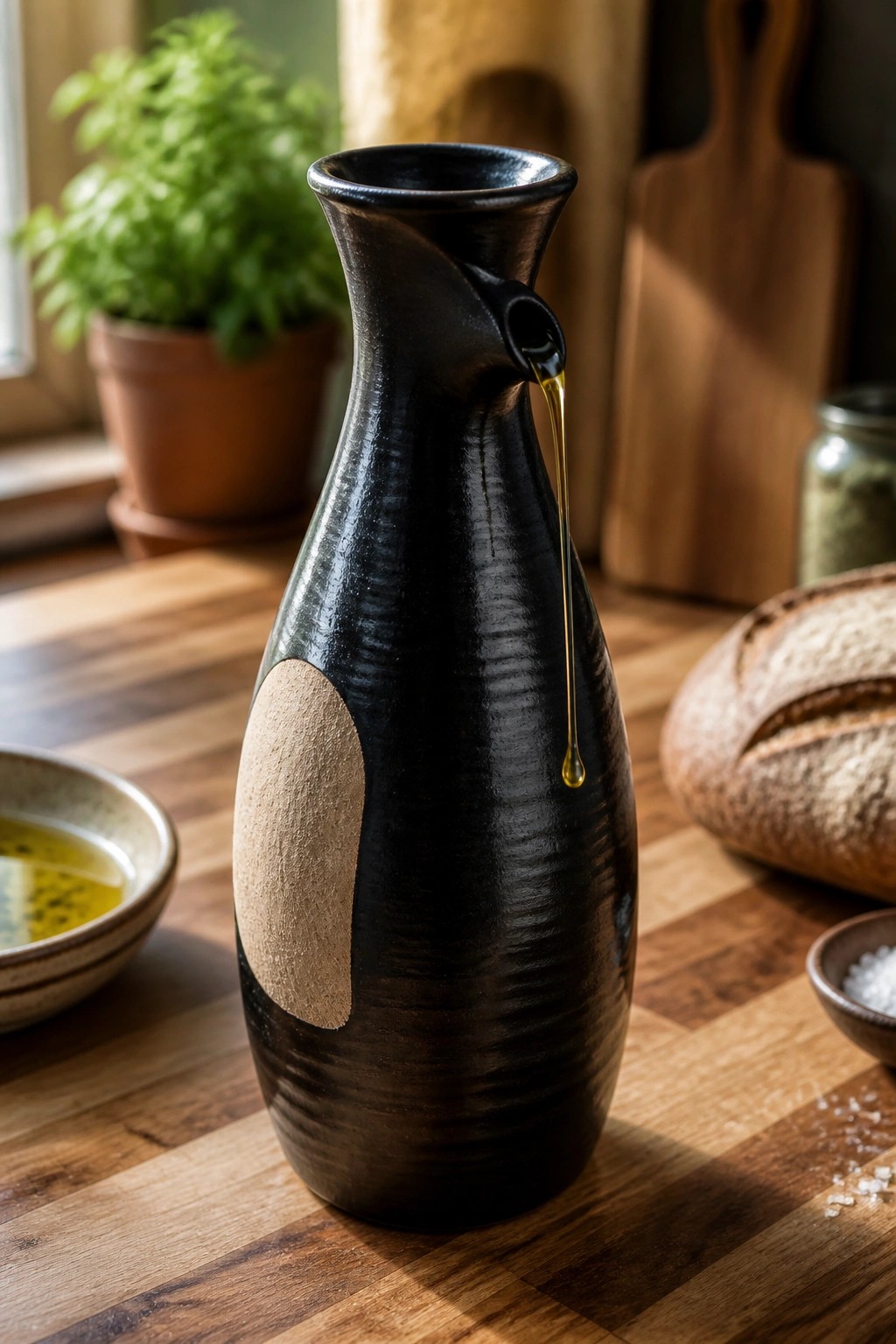
A wheel-thrown ceramic pitcher makes an effective kitchen oil dispenser when it includes a narrow spout for steady pouring. The glossy black surface pairs with one large matte beige oval that breaks up the form and draws the eye to the shape. This approach keeps the piece simple while still giving it a clear handmade identity that works as both a tool and a countertop object.
The shape does a lot of the work here because the tall neck and angled spout make pouring natural without extra hardware. You could scale the same idea down for a vinegar bottle or swap the oval for a horizontal band if you want a quicker decoration. In a kitchen this kind of piece sits nicely beside a loaf of bread or herb pots without taking much space. The two-tone finish also gives you an easy way to personalize future versions by changing the patch color or size.
Speckled Double Compartment Dish
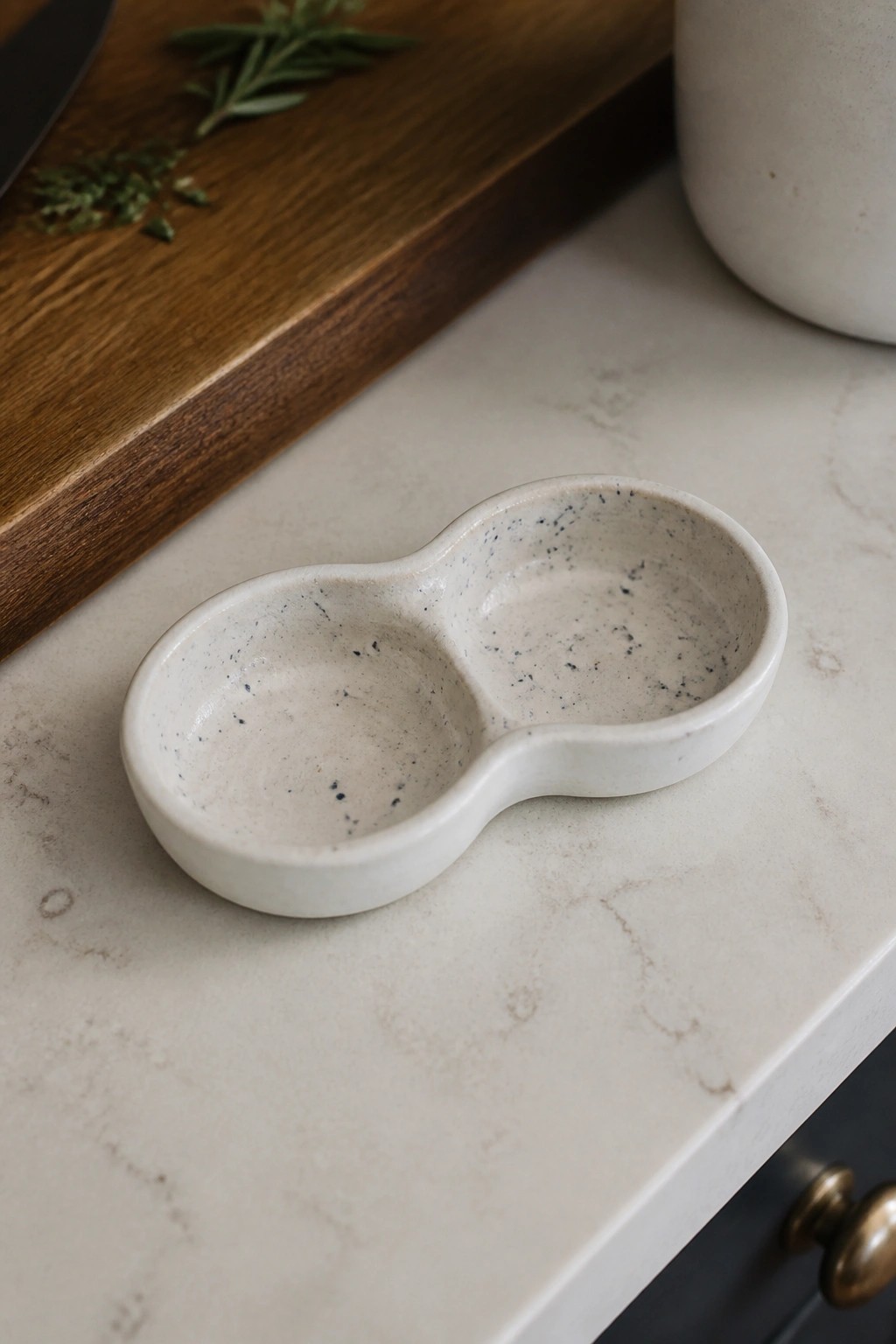
A wheel-thrown double compartment dish creates two connected oval sections in one compact form. The light base glaze with dark speckles gives the surface subtle variation while keeping the focus on the shape. This design works as a kitchen item for holding small amounts of salt, pepper, herbs, or sauces at the same time. The joined shape keeps both sections stable without adding extra bulk.
What makes this idea useful is how the connected form prevents tipping while taking up little counter space. You could adapt the size for larger portions or swap the speckled glaze for solid colors to match different kitchen styles. For a gift, something like this pairs easily with a small spoon set. In a kitchen, this kind of piece keeps ingredients organized during prep without requiring separate bowls.
Domed Butter Dish with Swirled Lid
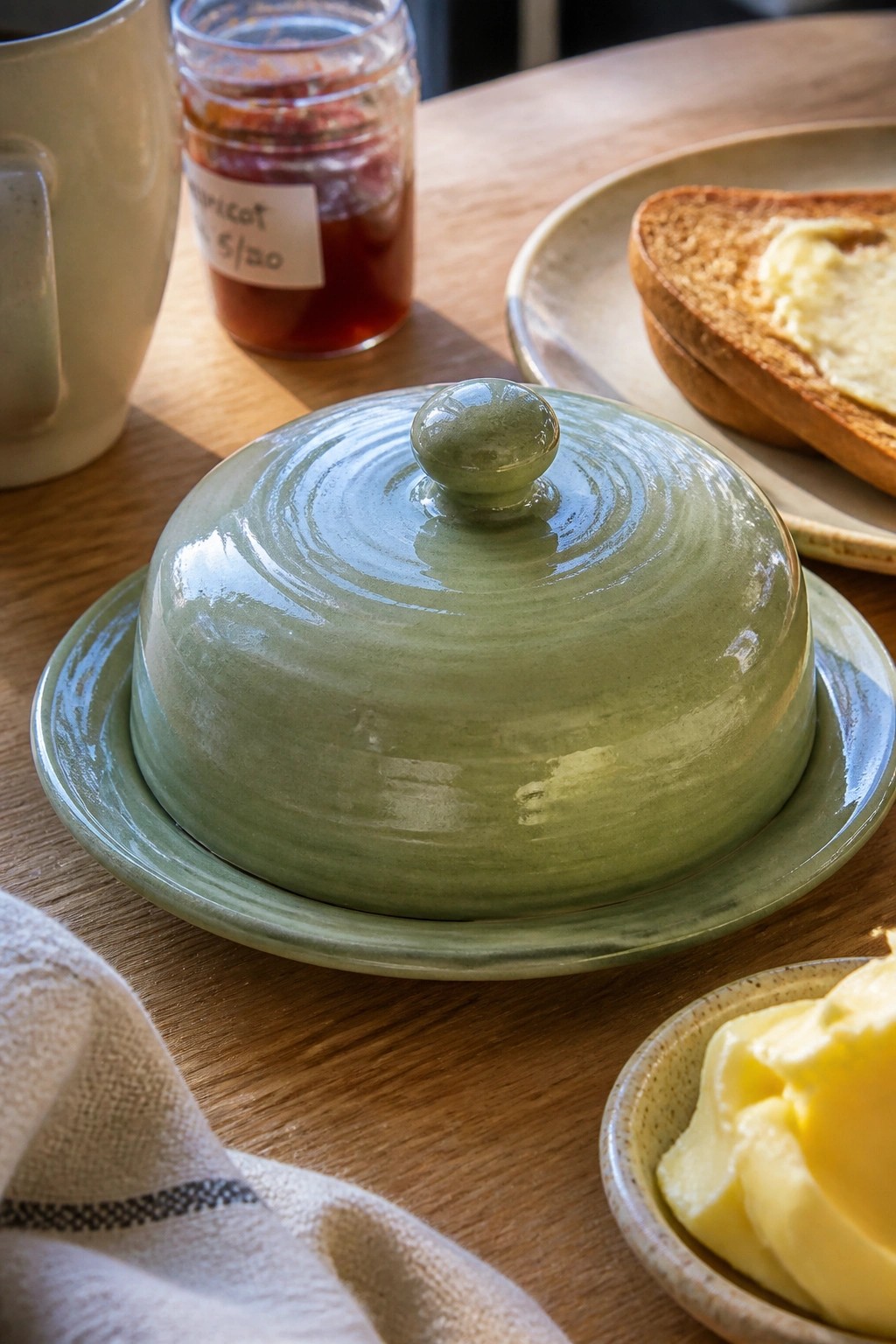
A wheel-thrown butter dish consists of a domed lid that sits on a matching plate base, creating a covered container for table use. The concentric swirl texture on the lid gives the rounded form some movement while the soft green glaze keeps the surface simple and unified. This setup falls into the kitchen item category and works because the lid stays stable and the base catches any drips.
The shape does a lot of the work here by protecting butter from air while still looking finished on a countertop. You could rework the same lid and plate into a small cheese dome or scale it down for individual portions. A piece like this stands out on Pinterest when the glaze color stays solid and the swirl stays subtle rather than busy.
Wheel-Thrown Sake Set with Mottled Blue Glaze
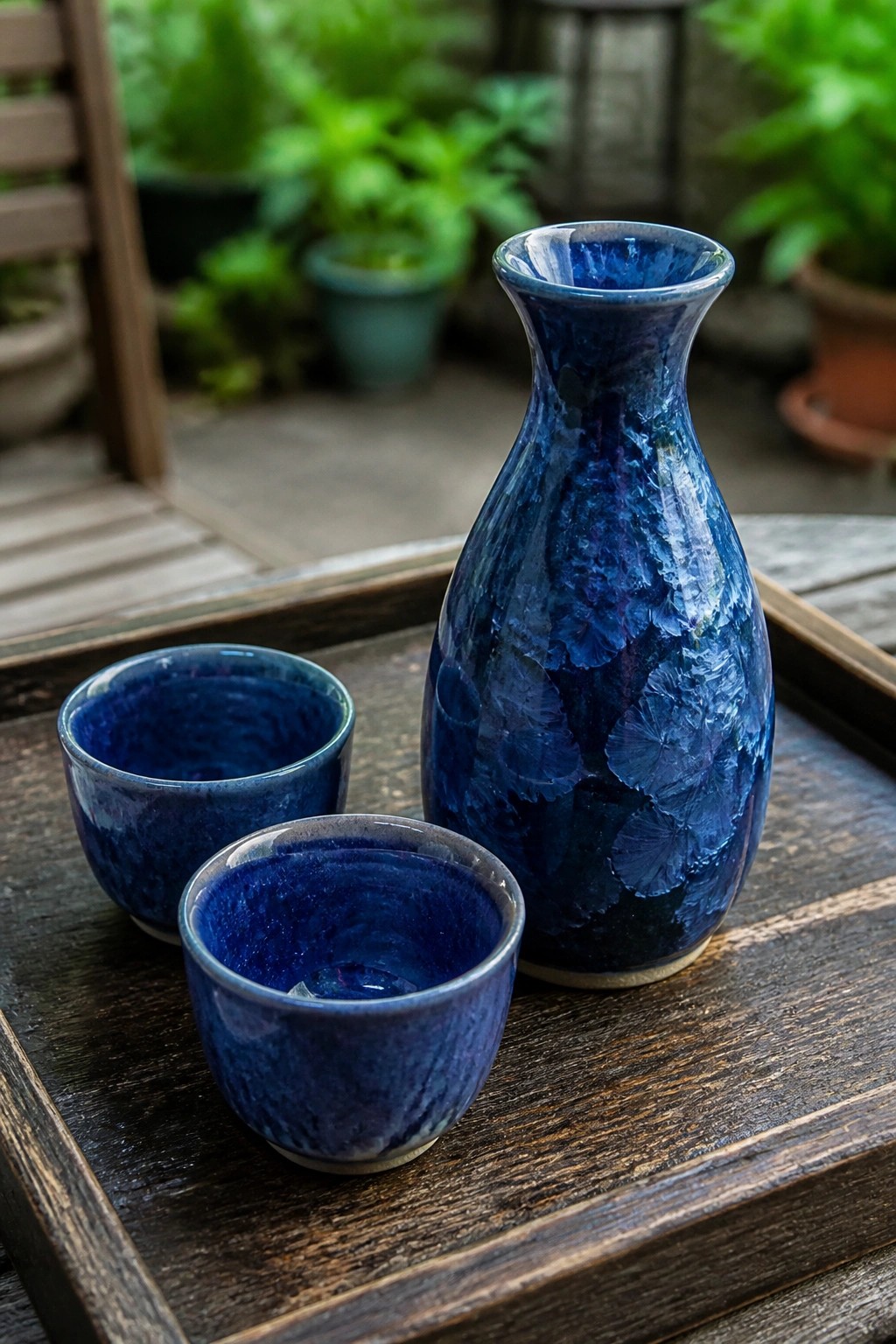
A wheel-thrown sake set made from a tall bottle and two low cups gives a clear project that stays focused on form and glaze. The bottle tapers to a narrow neck while the cups remain wide and shallow for practical pouring and drinking. The deep blue glaze develops an uneven, leaf-like texture across the surface that adds variation without extra carving or painting. This approach fits the drinkware category and shows how a single glaze can unify a small matching set.
What makes this idea useful is how the basic bottle and cup shapes can be thrown in one session and then glazed together for consistency. The same forms work for a small oil cruet set if you adjust the neck width slightly. In a kitchen or on a dining table the compact scale keeps it functional without taking up much space. You could swap the blue for a different flowing glaze color to match other tableware you already have.
Wheel-Thrown Tealight Holder
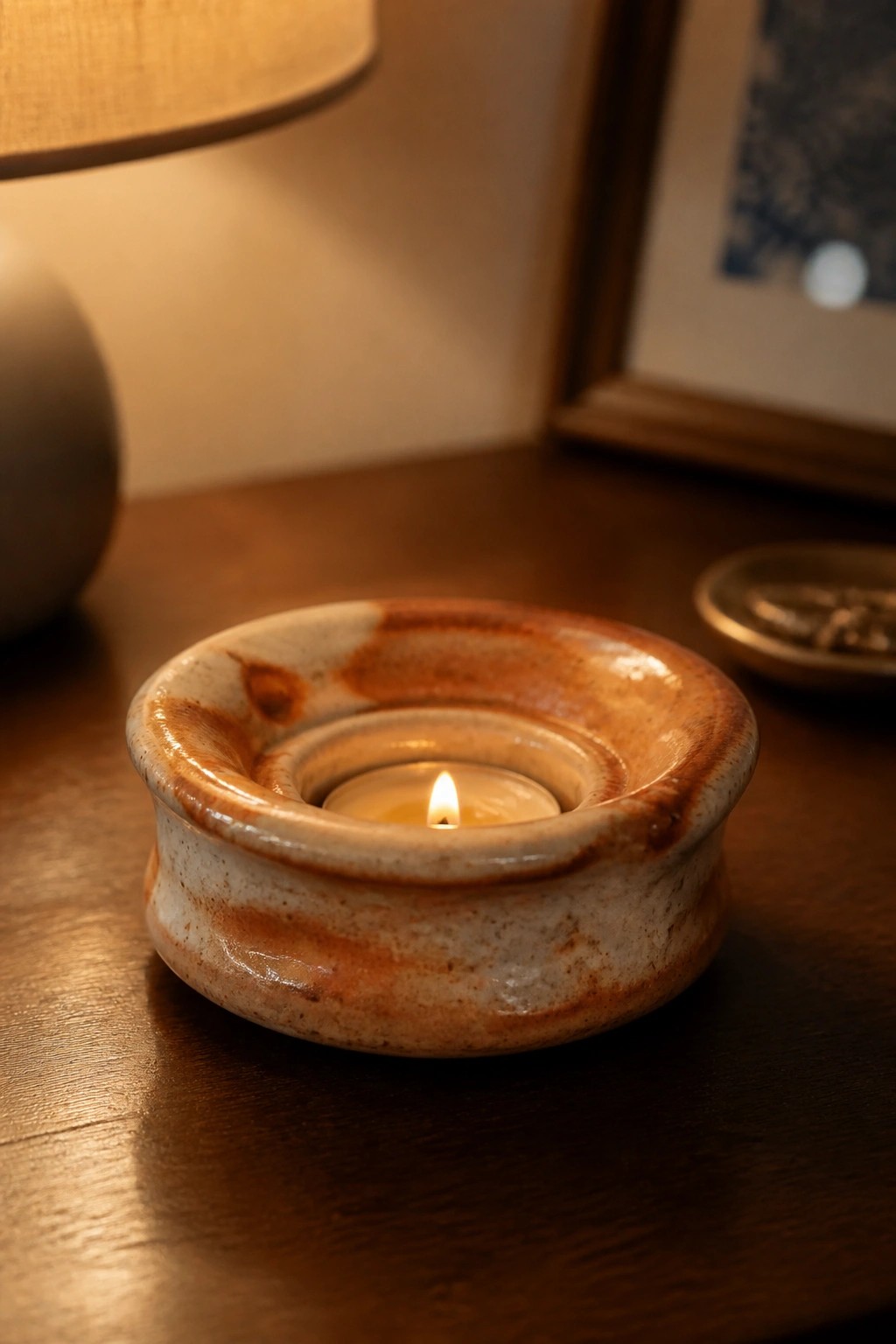
A wheel-thrown ceramic tealight holder uses a low, wide bowl shape with a raised inner ring to keep the candle centered and stable. The form shows clear throwing lines that catch the mottled brown and cream glaze, creating contrast between the smooth upper surface and the textured base. This keeps the project in the candle piece category while staying small enough to sit on a table or shelf without crowding other items.
The shape does a lot of the work here because the recessed center handles the practical job of containing wax while the outer rim adds visual weight. You could repeat the same profile in a slightly taller version to fit a votive or change the glaze to a single solid color for a cleaner look. In a dining area or entryway, this kind of holder works well in groups of three or four, and the same base form can be adapted into a small ring dish by skipping the inner ring.
Two-Tone Glaze Toothbrush Holder
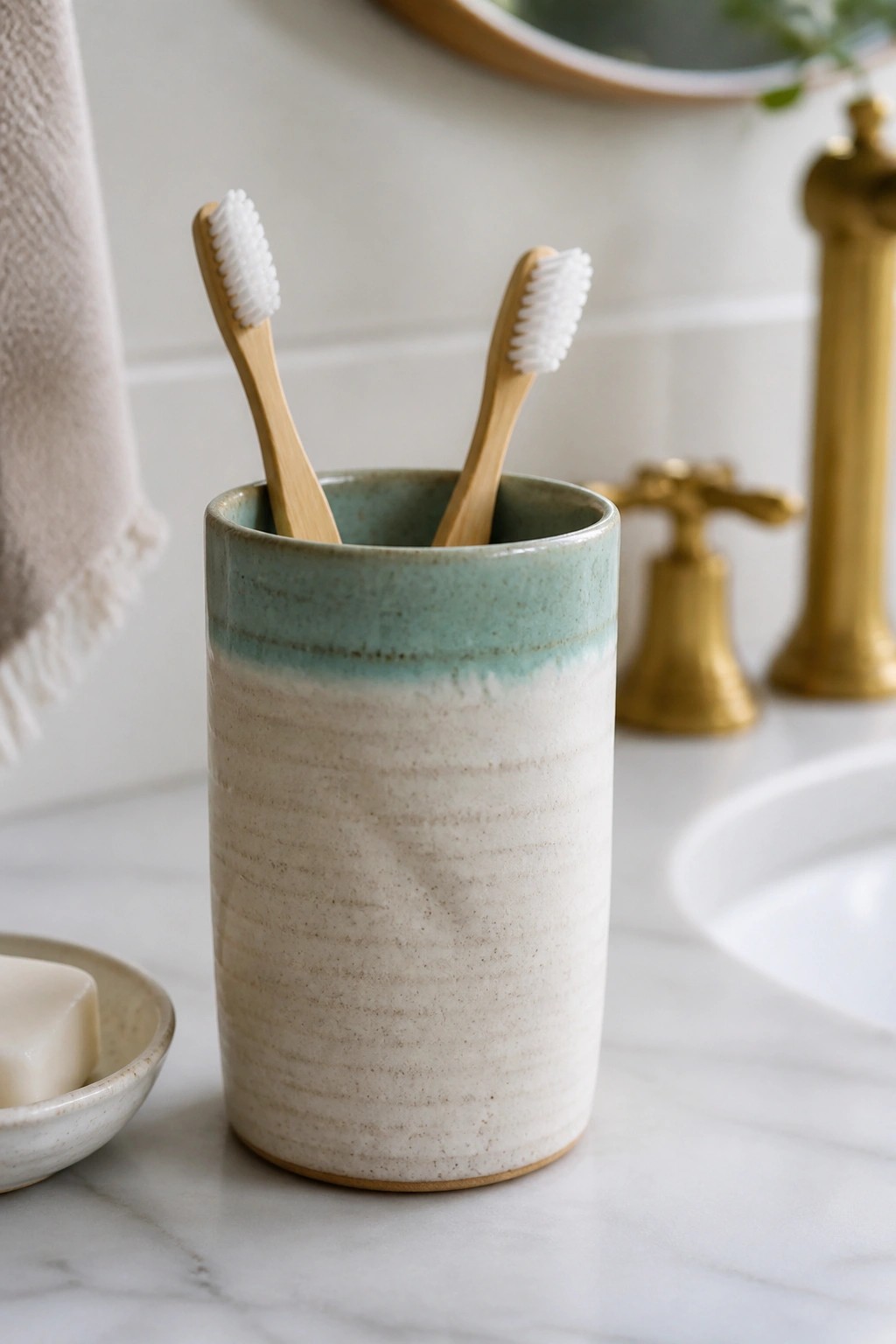
A wheel-thrown ceramic toothbrush holder gives you a sturdy bathroom cup that keeps brushes upright and contained. The form is a simple cylinder with a slightly wider mouth and a smooth transition from the speckled off-white body to the turquoise rim. The contrast between the two glaze areas keeps the piece from looking plain while the horizontal throwing lines add quiet texture.
This shape works especially well on a bathroom counter because it takes up little space and holds several brushes at once. You could shorten the same cylinder to make a soap dish or stretch it taller for a small vase. The two-tone glaze approach is easy to repeat on other wheel projects and shows up clearly in photos for bathroom storage boards.
Lemon Painted Spoon Rest
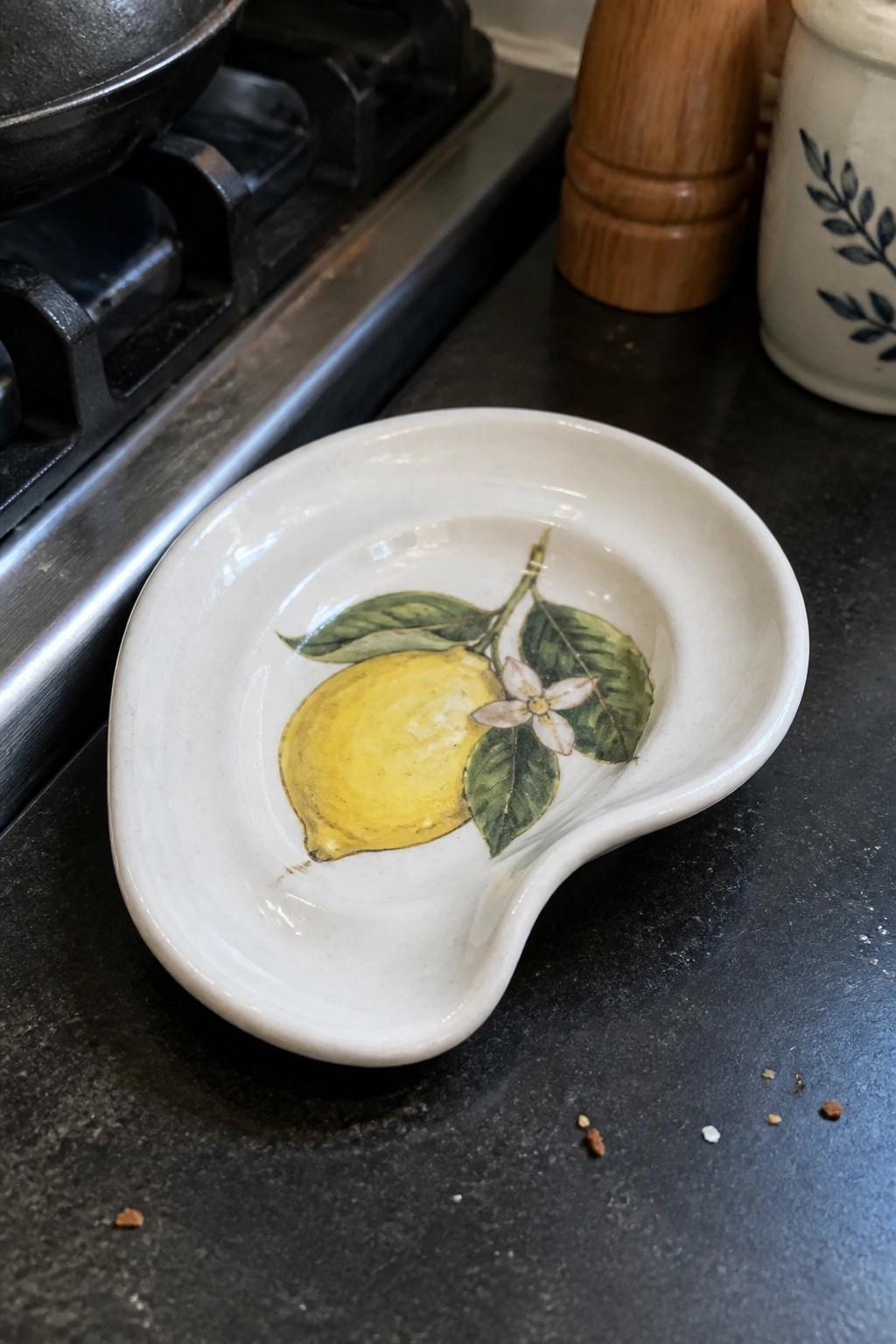
A small wheel-thrown ceramic dish with an organic pinched shape works well as a kitchen spoon rest. The white glaze provides a clean background for the hand-painted lemon, leaves, and single blossom that cover most of the surface. This approach fits the category of simple functional kitchen items where the painted motif becomes the main feature.
What makes this idea useful is how the uneven rim stops a spoon from sliding while the compact size keeps it from taking up counter space. You could repeat the same lemon motif on a larger butter dish or swap it for another fruit to match different kitchen colors. For a gift, something like this takes little clay and still looks finished once the painting is done.
Hanging Plate with Sculpted Border and Swirled Glaze
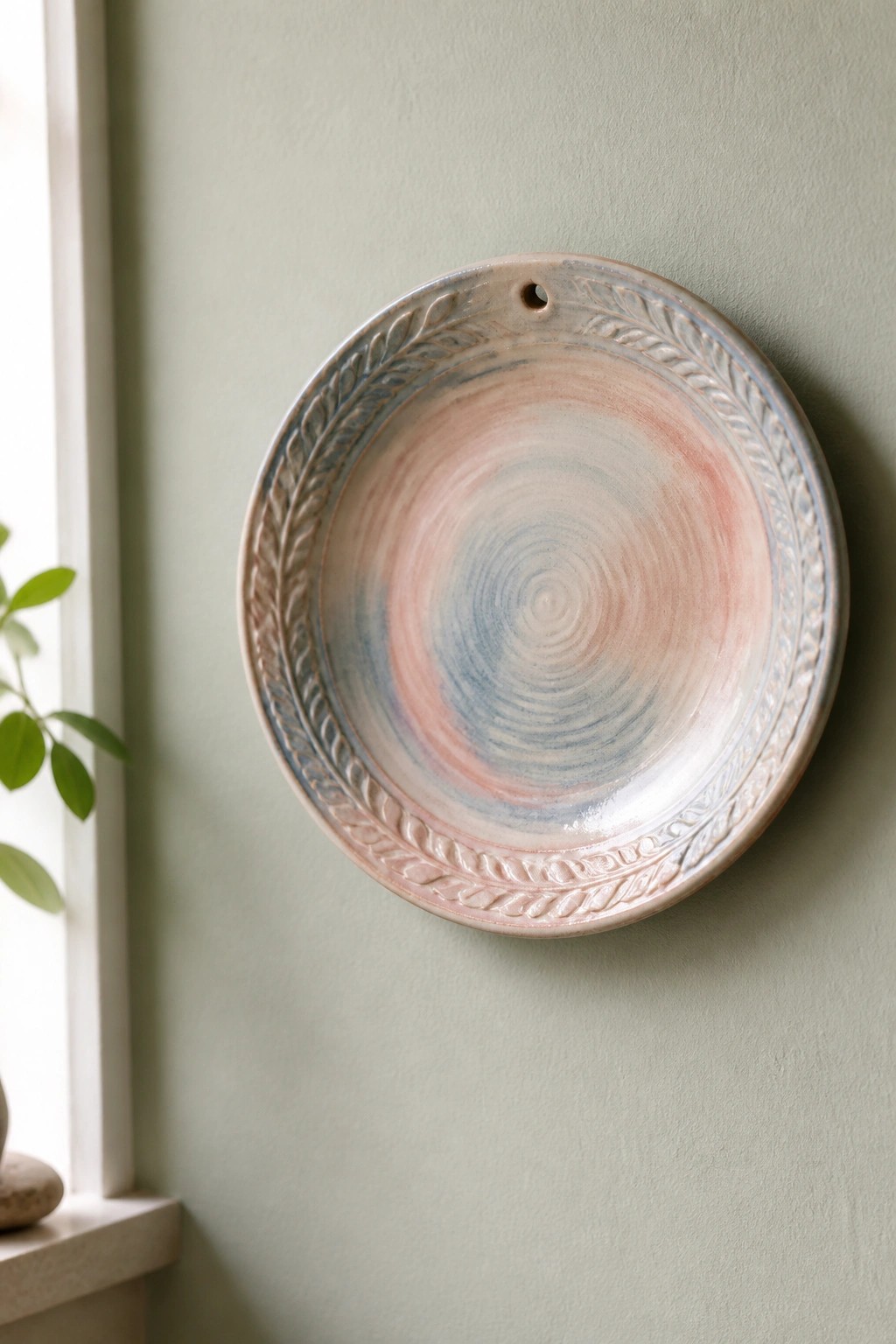
A wheel-thrown plate becomes wall decor once you add a small hole near the rim before firing. The border carries a repeating leaf pattern that stands out against the flatter center, while the glaze blends pink and blue in loose spirals that follow the throwing lines. This keeps the piece simple in shape but gives it enough surface detail to hold attention from a distance. The overall size stays compact enough to hang in a group or on its own without dominating the space.
The shape does a lot of the work here because a flat plate form is quick to throw and easy to store while drying. You could repeat the same border stamp on a set of smaller plates or switch the glaze colors to match a different room. The hanging hole makes it practical for anyone who wants to display work without buying extra hardware. In a kitchen or hallway, this kind of piece takes up little room yet still reads as intentional rather than leftover.
Mini Wheel-Thrown Bud Vases
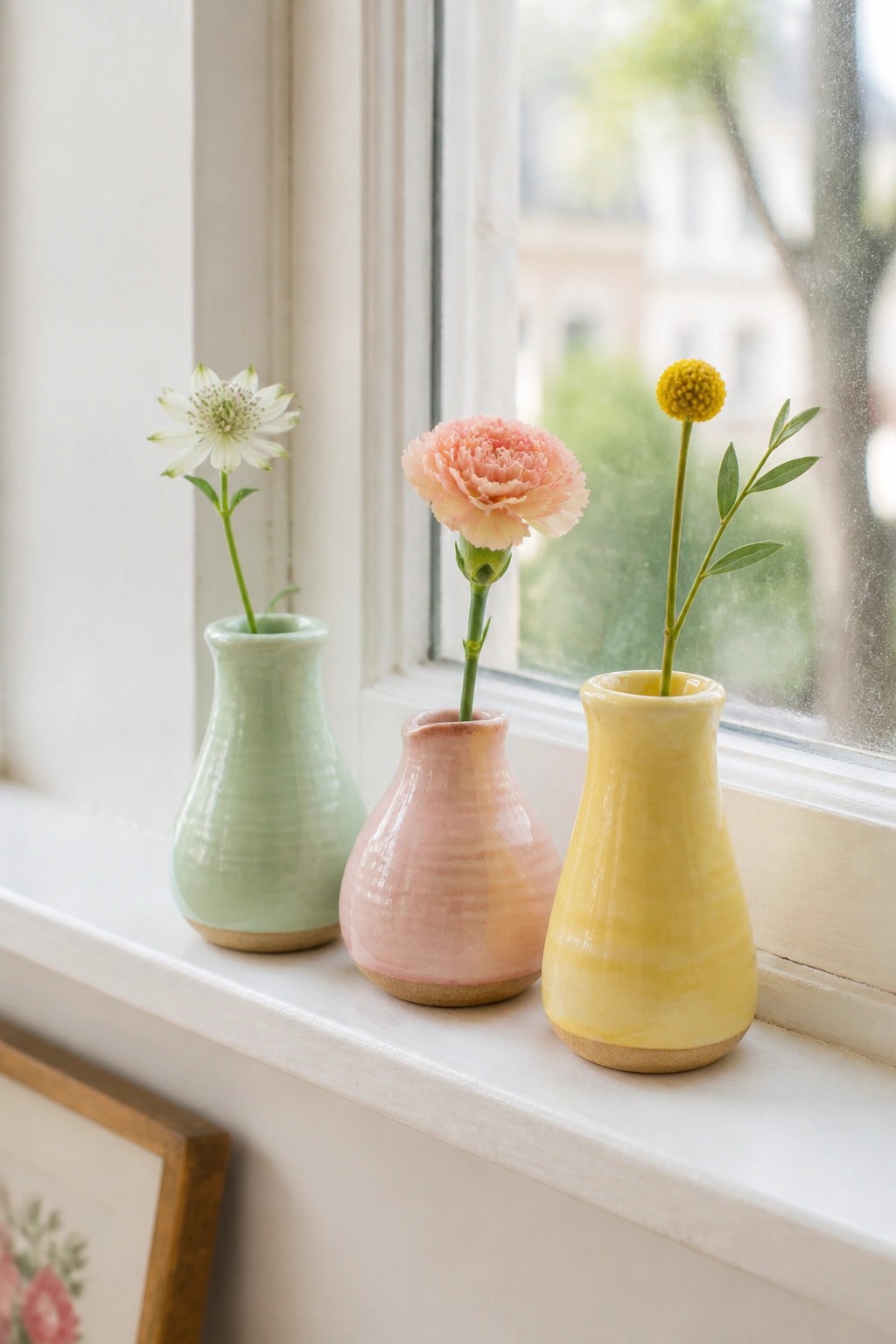
Wheel-thrown bud vases use a simple tapered shape that widens at the rim and narrows toward a small foot. The form works well for single stems or small flowers because the narrow neck keeps stems upright without extra support. Soft glossy glazes in green, pink, and yellow cover the upper body while the raw clay base stays exposed, giving each piece a clean, finished look without extra decoration.
What makes this idea useful is how the same basic shape adapts easily to different glaze colors or a matching set. These vases fit on a windowsill, shelf, or small table where larger pieces would crowd the space. You can throw several at once in one session, then test new glaze combos on each one. For gifts, the small size pairs naturally with fresh flowers and travels well without risk of damage.
Wheel Thrown Teapot with Matte Dark Glaze
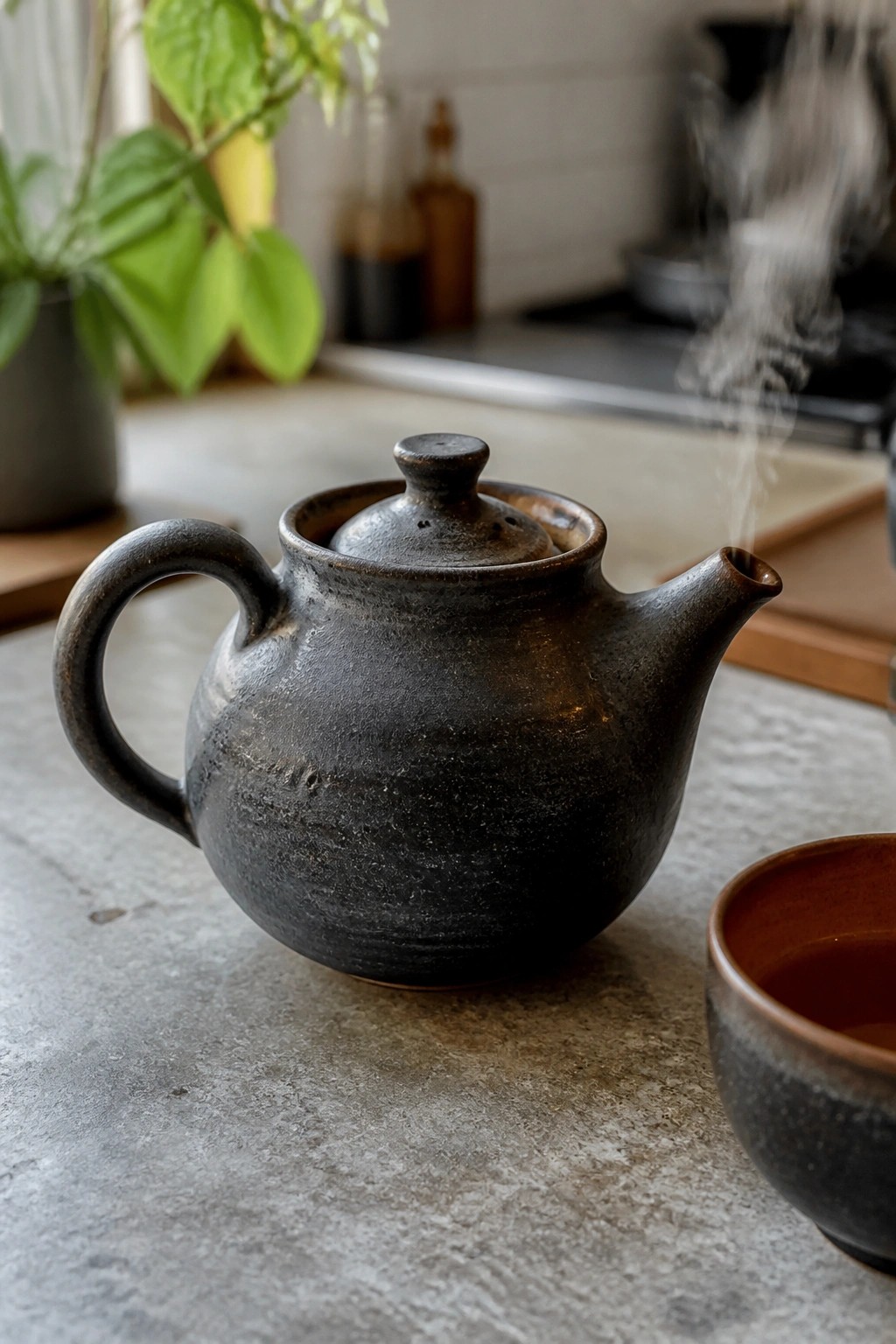
A wheel thrown teapot gives you a complete kitchen item that handles both brewing and pouring. The rounded body, short spout, and thick handle create a stable form that feels balanced when lifted. The dark matte glaze with visible texture keeps the surface simple while showing the clay body underneath.
This kind of teapot works well on a kitchen counter where it can stay out for daily use. You could scale the same shape down for a creamer or stretch it taller for a larger pitcher. The dark glaze covers small surface marks, so it stays practical even if your throwing lines are not perfect yet. A teapot like this shows up clearly on Pinterest because it reads as usable rather than purely decorative.
Frequently Asked Questions
What skill level is needed to create these wheel thrown pottery ideas? Many of the ideas work well for intermediate potters who have basic wheel experience, but beginners can start with simpler forms like bowls or cylinders before advancing to more detailed shapes. Consistent practice on centering clay and controlling wall thickness helps achieve the clean lines that make pieces look professional.
How do I choose the right clay for these professional looking designs? Stoneware or porcelain clays are excellent choices because they hold detail well during throwing and fire to a smooth finish. Test small batches first to see how the clay responds to your wheel speed and hand pressure, which ensures the final pieces have the refined appearance described in the ideas.
What glazing techniques help these pottery projects look more advanced? Apply even layers of glaze using dipping or spraying methods rather than brushing to avoid streaks. Layering a matte glaze over a glossy one or adding subtle color washes in the crevices of textured pieces creates depth and elevates the overall professional quality without extra complexity.
How can I avoid common wheel throwing mistakes when trying these ideas? Keep your clay well wedged and maintain steady moisture levels to prevent cracking or warping during drying. Trim bases carefully on the wheel and allow pieces to dry slowly under plastic to reduce stress, which helps maintain the crisp shapes and balanced proportions that define the listed designs.
Where can I find more variations or inspiration beyond the 22 ideas? Explore local pottery studios for workshops or online communities focused on wheel throwing to see adaptations like combining two ideas into one form. Keeping a sketchbook of successful pulls from your own sessions often leads to fresh twists that maintain a polished, handmade look.

Pottery Path is my cozy corner of the internet where I share clay ideas, pottery inspiration, and simple projects you can recreate at home. I love exploring everything from air dry clay to handbuilt pottery to cute minis that brighten your day. My goal is to make clay crafting feel easy, fun, and welcoming for anyone who wants to try it.
You will find beginner friendly tutorials, creative pottery painting ideas, and lots of warm inspiration for slow and happy crafting. If you enjoy hands on creativity, this space will feel like home.