Pruning apple trees for optimal production involves specific techniques to enhance fruit yield and tree health. Proper pruning not only shapes the tree but also improves air circulation and sunlight penetration, which are vital for fruit development.
Essential Tools for Pruning Apple Trees
To effectively prune apple trees and enhance their production, having the right tools is crucial. This section outlines the essential equipment needed for successful pruning, ensuring that both novice and experienced gardeners can achieve optimal results while maintaining the health and vitality of their trees.
Before starting, ensure you have the right tools for effective pruning. Quality tools can make the process smoother and safer. Consider the following essential items:
| Tool Type | Purpose |
|---|---|
| Hand Pruners | For small branches and fine cuts |
| Loppers | For thicker branches up to 1.5 inches |
| Pruning Saw | For larger branches |
| Safety Goggles | To protect eyes from debris |
| Gloves | To protect hands |
Investing in high-quality tools will save time and effort during the pruning process.
Recommended Products

【Surgical-Precision Grafting Tools】 Crafted with Japanese SK5 High-Carbon Steel blades (HRC 58-60 hardness) and ergonomic ABS handles, our 2-in-1 pruner delivers clean cuts up to 1/2" diameter branches. Dual-edge Ω/U/V blades prevent stem crushing, boosting grafting success rates by 40%* (*lab test data).

PROFESSIONAL GARDENING GRAFTING TOOLS: Including 2 in 1 grafting pruning tools, 3 replaceable blades, a grafting knife, a screwdriver, a wrench, 2 grafting films, 160 rubber bands, 40 wide rubber bands, and 50 colorful tag cards

Heat-Treated Serrated Saw Blade: 8" saw blade designed for efficient cutting of branches and tough materials, ensuring sharpness and durability.
Optimal Timing for Apple Tree Pruning
Understanding the best timing for pruning apple trees is crucial for maximizing fruit production. Properly timed pruning not only encourages healthy growth but also enhances fruit quality and yield. This section will guide you through the optimal periods for pruning to ensure your apple trees thrive.
Timing is crucial when pruning apple trees. The best time to prune is during late winter or early spring before new growth begins. This timing allows you to:
-
Remove dead or damaged branches
-
Shape the tree for better sunlight exposure
-
Promote healthy growth in the upcoming season
Avoid pruning in late summer or fall, as this can stimulate new growth that may not harden off before winter.
Effective Pruning Methods for Apple Trees
Pruning apple trees is essential for maximizing fruit production and maintaining tree health. Understanding effective pruning methods can significantly enhance your orchard’s yield while ensuring the trees remain vigorous. This section will explore practical techniques that simplify the pruning process, making it accessible for both novice and experienced gardeners.
Follow these steps to prune your apple trees effectively. Each step focuses on enhancing tree structure and fruit production.
-
Assess the Tree Structure
Look for the central leader and main scaffold branches. Aim for an open center to allow sunlight to reach all parts of the tree. -
Remove Dead or Diseased Wood
Cut back any branches that show signs of disease or damage. Use clean cuts to prevent further infection. -
Thin Out Crowded Areas
Identify branches that cross or crowd each other. Remove some to improve air circulation and light penetration. -
Shape the Tree
Maintain a balanced shape by cutting back excessive growth. Aim for a vase-like structure that encourages even growth. -
Make Clean Cuts
Use sharp tools to make clean cuts at a slight angle. This helps water run off and reduces the risk of rot.
Recommended Products

▲【Large Fruit Picker Basket with Claw】Our fruit picker rake comes with metal twist on head basket( 9"x5.5"x5.5") for picking avocado, tangerines, apple, persimmon, grapefruit, mango, apple, pear, fig, orange, papaya,mandarins, lemons, jujubes and more fruit in four seasons.


Preschool Learning Educational Activities Toys: This Montessori apple picking tree toy introduces kids to hands-on learning, allowing them to practice life skills like picking, sorting, and matching while boosting their hand-eye coordination and concentration
Post-Pruning Health Monitoring for Apple Trees
After pruning apple trees, it’s essential to monitor their health to ensure they recover effectively and thrive. This section outlines key indicators to watch for, helping you identify any potential issues early and maintain optimal growth conditions. By staying vigilant post-pruning, you can enhance fruit production and overall tree vitality.
After pruning, monitor the health of your apple trees closely. Look for signs of stress or disease. Key indicators include:
-
Wilting leaves
-
Discoloration
-
Insect infestations
If any issues arise, address them promptly to ensure the tree recovers well.
Apple Tree Varieties and Pruning Techniques
Understanding the different apple tree varieties is essential for effective pruning. Each type has unique growth habits and fruiting characteristics, which influence the techniques you should use. This section will explore various apple tree varieties and the specific pruning methods that enhance their productivity and overall health.
Different apple tree varieties may require specific pruning techniques. Understanding these differences can enhance your overall yield. Here are a few popular varieties and their characteristics:
| Variety | Growth Habit | Pruning Needs |
|---|---|---|
| Honeycrisp | Upright | Moderate thinning |
| Granny Smith | Spreading | Regular shaping |
| Fuji | Dense | Heavy thinning |
| Gala | Open | Light shaping |
Researching your specific variety will help tailor your pruning approach for maximum production.
Recommended Products
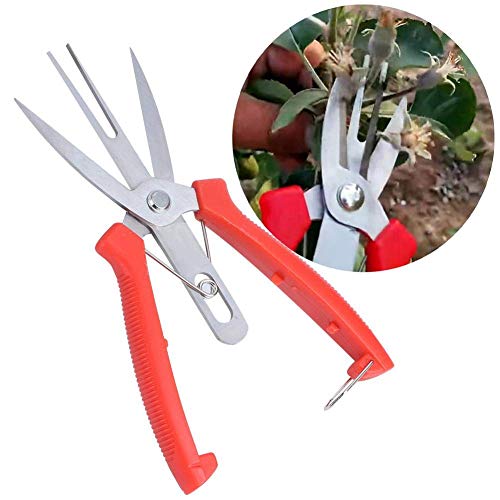
【ERGONOMIC HANDLE】: The handle of the pruning scissors is ergonomic. The comfortable handle prevents cramps and fatigue, and is easy to grasp and operate. Save effort and improve work efficiency.

Total length :245 mm blade length : 96 mm handle length : 12 2mm closed handle width : 45 mm

Precision Thinning for Healthier Plants – Designed to selectively remove excess growth, these thinning shears help improve airflow and light penetration, promoting healthier plant structure and controlled growth.
Identifying Pruning Errors for Better Yield
Pruning apple trees is essential for maximizing fruit production, but common mistakes can hinder growth and yield. Understanding these errors is crucial for any gardener looking to enhance their apple harvest. This section will help you identify and correct typical pruning missteps to ensure healthier trees and a more abundant crop.
Avoiding common mistakes can lead to healthier trees and better fruit production. Here are pitfalls to watch for:
-
Over-pruning: Removing too much can stress the tree.
-
Improper cuts: Jagged cuts can lead to disease.
-
Ignoring tree shape: A poorly shaped tree can hinder fruit development.
Stay mindful of these issues to maintain the health and productivity of your apple trees.
Effective Apple Tree Pruning Techniques
Pruning apple trees is essential for maximizing fruit production and maintaining tree health. By employing effective techniques, you can encourage better air circulation, sunlight exposure, and overall growth. This section will guide you through straightforward methods to ensure your apple trees thrive and yield abundant fruit.
Pruning apple trees is essential for maximizing fruit production. Following the right techniques and timing will lead to healthier trees and better yields. Always use the right tools and monitor the tree’s health post-pruning to ensure long-term success.

My interest in trees started when I first saw the giant sequoias in Yosemite.I was a teenager then, and I remember thinking, “I need to learn more about this.”That moment stuck with me.A few years later, I went on to study forestry at Michigan Tech.
Since graduating, I’ve worked in a mix of hands-on tree care and community education.I’ve spent over ten years helping people understand how to plant, maintain, and protect the trees in their neighborhoods.I don’t see trees as just part of the landscape.They are living things that make a real difference in our daily lives.