Identifying whether your oak tree is dying requires careful observation of symptoms. Common signs include leaf discoloration, premature leaf drop, and bark abnormalities. Immediate solutions can address these issues effectively.
Oak Tree Health Symptoms and Causes
Understanding the health of your oak tree is crucial for its longevity. Various symptoms can indicate distress, ranging from leaf discoloration to unusual growth patterns. Identifying these signs early can help you determine the underlying causes and take immediate action to restore your tree’s vitality.
| Symptom | Primary Suspect | Difficulty (1-5) |
|---|---|---|
| Leaf discoloration | Nutrient deficiency | 3 |
| Premature leaf drop | Pests or disease | 4 |
| Bark abnormalities | Environmental stress | 5 |
| Wilting branches | Root rot | 4 |
Identifying Causes of Oak Tree Decline
Understanding the reasons behind oak tree decline is crucial for effective intervention. Various factors, from environmental stressors to pest infestations, can contribute to a tree’s deterioration. By identifying these causes early, you can implement immediate solutions to help restore your oak’s health and vitality.
Oak trees can face various challenges that lead to decline. Identifying the root cause is crucial for effective treatment. Common issues include:
-
Nutrient deficiencies can result from poor soil quality or competition from nearby plants.
-
Pests such as oak wilt or borers can damage the tree’s health.
-
Environmental stress from drought or flooding can weaken the tree.
Recognizing these factors helps in determining the right course of action.
Step-by-Step Fix for Dying Oak Trees
If you suspect your oak tree is in decline, identifying the issue is crucial for its recovery. This section provides a detailed, step-by-step guide to diagnosing and addressing common problems that can threaten the health of your oak tree. Follow these actionable solutions to help restore your tree to its former vitality.
Taking immediate action can save your oak tree. Follow these steps to address the symptoms effectively.
-
Inspect the Tree
Look for signs of pests or disease. Check the leaves, bark, and roots for abnormalities. -
Test Soil Quality
Use a soil test kit to determine nutrient levels. This will help identify deficiencies. -
Apply Fertilizer
If nutrient deficiencies are found, apply a balanced fertilizer formulated for trees. Follow the manufacturer’s instructions for application rates. -
Treat Pests
Use appropriate pesticides or insecticidal soaps to eliminate pests. Ensure you follow safety guidelines during application. -
Water Properly
Ensure the tree receives adequate water, especially during dry periods. Deep watering is more effective than frequent shallow watering. -
Mulch the Base
Apply a layer of organic mulch around the base of the tree. This helps retain moisture and regulate soil temperature.
Recommended Products

Comprehensive Soil Analysis: Liquid soil test kits offer a comprehensive analysis of essential soil parameters, including pH, ammonia, nitrogen, phosphorus, and potassium. Having all these measurements in one kit provides a holistic understanding of the soil's fertility and health.

Quick, at home results for Soil pH, Nitrogen, Phosphorous and Potash Innovative and inexpensive soil test kit features an easy-to-use capsule system and patented color comparators

KNOW BEFORE YOU GROW | Grow the healthiest, sustainable lawn and garden with the most accurate and easy to use professional soil test kit on the market
Common Oak Tree Pest Identification
Identifying pests that affect oak trees is crucial for their health and longevity. Common pests can cause significant damage if left unchecked, leading to symptoms that may suggest a dying tree. This section will explore the most prevalent pests that target oak trees, helping you recognize the signs and take prompt action.
Pests can significantly impact the health of oak trees. Recognizing these pests early can prevent further damage.
Oak Wilt Disease Management Strategies
Oak wilt is a serious disease that can quickly devastate oak trees, making early detection and management crucial. Understanding effective strategies for controlling this condition can help protect your trees and maintain the health of your landscape. The following section outlines practical approaches to managing oak wilt and preventing its spread.
This fungal disease spreads through root grafts and beetles. Symptoms include leaf discoloration and wilting. Treatment involves removing infected trees and applying fungicides.
Oak Borer Infestation Signs and Solutions
Oak trees are vital to many ecosystems, but they can fall victim to pests like oak borers. Recognizing the signs of infestation early is crucial for effective treatment and preserving the health of your tree. This section outlines the key indicators of oak borer damage and offers practical solutions to combat these pests.
These insects bore into the bark, disrupting nutrient flow. Look for small holes in the bark and frass. Use insecticides to control infestations.
Aphid Infestation Management Techniques
Aphid infestations can pose a significant threat to oak trees, leading to weakened health and vitality. Understanding effective management techniques is crucial for addressing this issue promptly. The following strategies will help you identify and combat aphids, ensuring your oak tree remains healthy and resilient.
These small insects suck sap from leaves, causing curling and yellowing. They can be controlled with insecticidal soap or neem oil.
Oak Tree Health and Environmental Stressors
Understanding the health of your oak tree is crucial, especially when faced with various environmental stressors. Factors such as drought, soil compaction, and pest infestations can significantly impact its vitality. By recognizing these challenges, you can take immediate action to support your tree’s recovery and ensure its long-term health.
Environmental conditions can severely affect oak tree health. Understanding these stressors is essential for prevention and remediation.
Drought Impact on Oak Health
Drought conditions can severely affect the health of oak trees, leading to stress and vulnerability to diseases. Understanding the signs of drought impact is crucial for timely intervention. This section explores how prolonged dry spells can compromise oak vitality and offers insights into immediate solutions to help restore their health.
Prolonged dry spells can lead to wilting and leaf drop. Regular deep watering during drought periods is crucial.
Root Rot from Excessive Moisture
Excessive moisture can lead to root rot, a serious condition that threatens the health of your oak tree. Understanding the signs and causes of root rot is crucial for timely intervention. This section will explore the symptoms to watch for and the immediate solutions to help restore your tree’s vitality.
Overwatering or heavy rainfall can cause root rot. Ensure proper drainage around the tree to prevent water accumulation.
Soil Aeration Techniques for Oak Trees
Soil aeration is crucial for the health of oak trees, especially when they show signs of stress or decline. Compacted soil can hinder root growth and nutrient absorption, exacerbating any underlying issues. Understanding effective aeration techniques can help restore vitality and promote a thriving environment for your oak tree.
Compacted soil limits root growth and nutrient uptake. Aerate the soil around the tree to improve airflow and water penetration.
Effective Strategies for Oak Tree Maintenance
Maintaining the health of your oak tree is crucial for its longevity and vitality. This section outlines effective strategies that can help you identify potential issues early and implement solutions to ensure your oak tree thrives. By following these guidelines, you can enhance its resilience against diseases and environmental stressors.
Maintaining your oak tree’s health requires ongoing attention. Implement these logistical strategies for effective care.
-
Schedule regular inspections every season to monitor for pests and diseases.
-
Keep a record of any treatments applied and their effectiveness.
-
Consult with a local arborist for professional advice on severe cases.
Recommended Products

3-in-1 FORMULA: Aphid spray for outdoor plants for use on roses, flowers, shrubs and trees to control listed insects, disease and mites
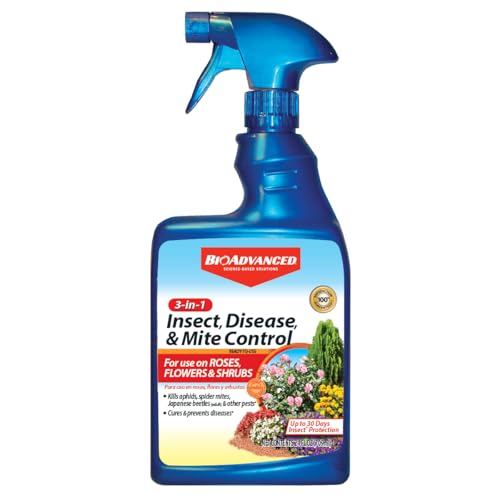
INSECT KILLER: Army worm killer. Also kills insects such as Aphids, Spider Mites, Japanese Beetles, Caterpillars, and other listed insects

3-IN-1 PLANT CARE: 3-In-1 Insect, Disease & Mite Control is insect control, disease control, and plant mite control all in on; Delivers protection for up to 14 days
Immediate Interventions for Oak Tree Decline
When an oak tree shows signs of decline, prompt action is crucial to potentially save it. Understanding the immediate interventions can make a significant difference in the tree’s health and longevity. This section outlines practical steps to address the urgent needs of a struggling oak tree.
Act quickly to address any symptoms of decline in your oak tree. Regular monitoring and timely interventions can significantly improve its chances of recovery.
Recommended Products

Dual Capacity Options –Tree wound dressing have between 100g and 500g single bottles to perfectly match your tree care needs, whether for small pruning jobs or larger landscaping projects

Preserve your tree all holiday season long with this 8oz bottle of Pursell Manufacturing Christmas Tree Preservative

My interest in trees started when I first saw the giant sequoias in Yosemite.I was a teenager then, and I remember thinking, “I need to learn more about this.”That moment stuck with me.A few years later, I went on to study forestry at Michigan Tech.
Since graduating, I’ve worked in a mix of hands-on tree care and community education.I’ve spent over ten years helping people understand how to plant, maintain, and protect the trees in their neighborhoods.I don’t see trees as just part of the landscape.They are living things that make a real difference in our daily lives.