Apple trees can grow in Southwest Florida, but specific conditions must be met for successful cultivation. Selecting the right varieties and understanding local climate factors are essential for beginners aiming to grow healthy apple trees in this region.
Apple Tree Chill Hour Needs in Southwest Florida
Southwest Florida’s climate features hot, humid summers and mild winters. This environment can be challenging for apple trees, which typically require a certain number of chill hours to produce fruit. Chill hours are the number of hours below 45°F during winter.
For successful apple tree growth in this region, consider the following factors:
-
Chill hours: Aim for varieties that need fewer than 400 chill hours.
-
Soil type: Well-drained sandy loam is ideal.
-
Sun exposure: Full sun is necessary for optimal growth.
Best Apple Varieties for Southwest Florida
When considering apple trees for Southwest Florida, it’s essential to choose varieties that thrive in the region’s unique climate. The right selection can lead to successful growth and fruitful harvests. This section highlights the best apple varieties suited for the warm, humid conditions of Southwest Florida, ensuring beginners can make informed choices.
Choosing the appropriate apple tree variety is crucial for success in Southwest Florida. Some varieties are better suited to warmer climates and require fewer chill hours.
Recommended varieties include:
-
Anna: Requires about 300 chill hours and produces crisp apples.
-
Dorsett Golden: Needs around 300 chill hours and offers sweet fruit.
-
Tropic Sweet: Thrives in warmer climates and is disease-resistant.
| Variety | Chill Hours Required | Flavor Profile | Disease Resistance |
|---|---|---|---|
| Anna | 300 | Crisp | Moderate |
| Dorsett Golden | 300 | Sweet | High |
| Tropic Sweet | 300 | Sweet | Very High |
Recommended Products

Due to agricultural laws, we cannot ship to California, Arizona, Hawaii, or Alaska orders will be cancelled if you ship to one of these states

Due to agricultural laws, we are unable to ship to CA, AZ, AK, or HI - orders will be cancelled if you ship to one of these states

The Rose Apple tree, scientifically known as Syzygium jambos, is a tropical fruit tree that belongs to the Myrtaceae family. It is renowned for its beautiful flowers, glossy leaves, and aromatic fruits that resemble small apples with a rosy fragrance. The Rose Apple tree typically grows to a height of 15 to 40 feet, with a broad, dense canopy of dark green, glossy leaves. The leaves are lance-shaped and aromatic when crushed.
Apple Tree Planting Site Preparation
Preparing the planting site is crucial for the success of apple trees in Southwest Florida’s unique climate. This section outlines essential steps to ensure the soil and environment are conducive to healthy growth, taking into account factors like drainage, sunlight, and soil quality. Proper preparation sets the foundation for a fruitful apple tree harvest.
Proper site preparation is essential for apple tree success. This includes selecting the right location and preparing the soil effectively.
Follow these steps for optimal planting conditions:
-
Choose a sunny location: Ensure the area receives at least six hours of direct sunlight daily.
-
Test soil pH: Aim for a pH between 6.0 and 7.0 for best results.
-
Amend the soil: Incorporate organic matter to improve drainage and fertility.
Recommended Products

Kindly NOTE: This soil tester can not be applied to test pH value of any other liquid. If the soil is too dry the indicator will not move, and water it before testing.

KNOW BEFORE YOU GROW | Grow the healthiest, sustainable lawn and garden with the most accurate and easy to use professional soil test kit on the market

✅ 1Dial & 1 LCD Screen - Replace/install all 3 batteries each time. Put button to %RH/°F to - Turn On, and put to LIGHT to - Turn Off. Read the LCD results in 3-5 mins. (Not Water Moisture Meter, so, please don't test liquid)
Apple Tree Planting Methods for Beginners
Planting apple trees in Southwest Florida requires careful consideration of local conditions and suitable methods. Beginners can benefit from understanding the best practices for soil preparation, spacing, and watering techniques to ensure healthy growth. This section outlines effective planting methods tailored for novice gardeners looking to cultivate apple trees in this unique climate.
Planting apple trees correctly sets the foundation for healthy growth. Timing and techniques matter significantly in this process.
-
Timing: Plant in late winter or early spring when the risk of frost has passed.
-
Spacing: Space trees at least 15 to 20 feet apart to allow for proper airflow.
-
Planting depth: Dig a hole twice the width of the root ball and slightly shallower than the root ball height.
Watering and Fertilizing Apple Trees in Humid Climates
Growing apple trees in humid climates like Southwest Florida requires careful attention to watering and fertilizing practices. The unique weather conditions can impact tree health and fruit production, making it essential for beginners to understand the specific needs of their apple trees. Proper hydration and nutrient management are crucial for achieving successful growth and a bountiful harvest.
Proper watering and fertilization are crucial for apple tree health. Both practices require careful attention, especially in a humid climate.
-
Watering: Water deeply once a week, adjusting frequency based on rainfall.
-
Fertilizing: Use a balanced fertilizer formulated for fruit trees in early spring and again in late summer.
Pest and Disease Control for Apple Trees
Managing pests and diseases is crucial for the successful cultivation of apple trees, especially in the unique climate of Southwest Florida. Understanding the common threats and implementing effective control measures can help ensure healthy growth and a fruitful harvest. This section provides essential strategies for protecting your apple trees from potential issues.
Apple trees are susceptible to various pests and diseases, particularly in humid climates. Monitoring and managing these threats is essential.
Common pests include:
-
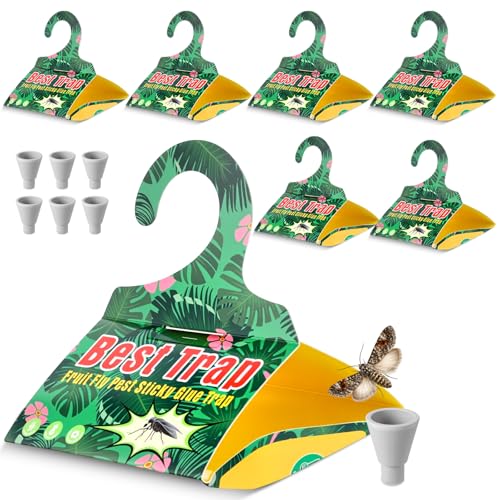
Apple maggot: Look for small, dark flies and use traps.
-
Aphids: Check for sticky residue on leaves and apply insecticidal soap if necessary.
Common diseases include:
-
Powdery mildew: Ensure good airflow and apply fungicide if necessary.
-
Cedar apple rust: Remove any nearby cedar trees to minimize risk.
Recommended Products

Targeted Trapping for Cydia Pomonella: designed to attract Cydia pomonella species using species-specific pheromone lures; Helps monitor and monitor and trap around apple trees, orchards, and home gardens

Attracts greater & lesser Peach Tree Borers (Synanthedon exitiosa) as well as many other clearwing moth species
Targeted Trapping for codling moth: designed to attract codling moth species using species-specific pheromone lures; Helps monitor and reduce adult moth activity around apple trees, orchards, and home gardens
Apple Harvest Timing and Techniques
Understanding the timing and techniques for harvesting apples is crucial for maximizing yield and ensuring fruit quality. In Southwest Florida’s unique climate, knowing when to pick and how to handle the fruit can make a significant difference. This section will provide essential insights into the best practices for apple harvesting in this region.
Knowing when and how to harvest apple fruit is vital for quality. Proper timing ensures the best flavor and texture.
-
Timing: Harvest when apples are firm and fully colored, typically in late summer to early fall.
-
Method: Gently twist and lift apples to avoid damaging the tree.
Apple Tree Cultivation Problem Solutions
Growing apple trees in Southwest Florida presents unique challenges due to the region’s climate and soil conditions. This section addresses common problems that beginners may encounter, offering practical solutions to ensure successful cultivation. From pest management to soil amendments, these insights will help you navigate the complexities of apple tree care in this subtropical environment.
Even with careful planning, issues may arise during apple tree cultivation. Identifying and addressing these problems quickly can save your crop.
| Issue | Symptoms | Solutions |
|---|---|---|
| Poor fruit set | Few or no apples | Ensure proper pollination |
| Leaf drop | Leaves yellowing | Check for water stress |
| Pest infestations | Holes in leaves | Apply organic pesticides |
Apple trees can thrive in Southwest Florida with the right knowledge and practices. By following these guidelines, beginners can cultivate healthy trees and enjoy a fruitful harvest.

My interest in trees started when I first saw the giant sequoias in Yosemite.I was a teenager then, and I remember thinking, “I need to learn more about this.”That moment stuck with me.A few years later, I went on to study forestry at Michigan Tech.
Since graduating, I’ve worked in a mix of hands-on tree care and community education.I’ve spent over ten years helping people understand how to plant, maintain, and protect the trees in their neighborhoods.I don’t see trees as just part of the landscape.They are living things that make a real difference in our daily lives.