Treating anthracnose in oak trees requires targeted fungicide applications and proper cultural practices to mitigate the disease’s impact. Early intervention is crucial to prevent significant damage and maintain tree health.
Recognizing Anthracnose Symptoms in Oak Trees
Recognizing the symptoms of anthracnose is the first step in effective treatment. This fungal disease typically manifests as dark, sunken lesions on leaves, stems, and flowers. In severe cases, it can cause leaf drop and twig dieback, leading to overall tree decline.
Anthracnose Symptoms and Diagnosis Guide
Identifying anthracnose in oak trees is crucial for effective treatment. This section outlines the key symptoms to look for, helping you recognize the disease early. Understanding these signs will enable you to diagnose the issue accurately and take the necessary steps to protect your trees.
| Symptom | Primary Suspect | Difficulty (1-5) |
|---|---|---|
| Dark lesions on leaves | Anthracnose fungus | 3 |
| Twigs dying back | Anthracnose fungus | 4 |
| Leaf drop | Anthracnose fungus | 2 |
Essential Supplies for Anthracnose Treatment
To effectively combat anthracnose in oak trees, having the right supplies on hand is crucial. This section outlines the essential tools and materials needed for treatment, ensuring you are well-equipped to tackle this fungal disease and protect your trees from further damage. With the right preparation, you can implement an effective treatment strategy.
Before starting treatment, ensure you have the necessary supplies. A well-prepared toolkit will enhance the effectiveness of your intervention. The following items are essential for treating anthracnose in oak trees:
-
Fungicide: Choose a systemic fungicide specifically labeled for anthracnose.
-
Pruning tools: Sharp pruners and saws for removing infected branches.
-
Protective gear: Gloves, mask, and goggles for safety during application.
-
Watering can or sprayer: For applying fungicides evenly.
Recommended Products

3-in-1 FORMULA: Aphid spray for outdoor plants for use on roses, flowers, shrubs and trees to control listed insects, disease and mites

🌿 Controls Common Fungal & Bacterial Diseases Defend your plants from powdery mildew, botrytis, anthracnose, and more. Works on contact to stop foliar plant diseases before they spread.

DISEASE CONTROL: Disease & Fungus Control controls powdery mildew, rust, black spot, fruit rot, downy mildew, late blight, and other listed diseases
Fungicide Application Safety Guidelines
Preparation is critical for successful treatment. Always read the fungicide label for dosage and application instructions. Wear appropriate protective gear to minimize exposure to chemicals. Ensure the area around the tree is clear of debris and obstacles to facilitate safe access.
Anthracnose Treatment Steps for Oak Trees
Treating anthracnose in oak trees requires a systematic approach to effectively combat this fungal disease. By following specific treatment steps, you can help restore the health of your trees and prevent further damage. This guide outlines the essential actions needed to manage and mitigate the effects of anthracnose on your oak trees.
Follow these steps to effectively treat anthracnose in your oak trees:
-
Prune infected branches: Use sharp pruning tools to remove any twigs or branches showing symptoms. Dispose of the cuttings properly to prevent further spread.
-
Apply fungicide: Mix the fungicide according to the label instructions. Use a watering can or sprayer to apply it thoroughly to the affected areas.
-
Water the tree: After applying the fungicide, water the tree deeply to help the product penetrate the soil and reach the roots.
-
Monitor the tree: Check the tree regularly for new symptoms. Repeat fungicide applications as recommended.
Early Spring Fungicide Application Timing
Proper timing of fungicide application is crucial for effectively managing anthracnose in oak trees. Early spring is the optimal period to intervene, as it coincides with the disease’s onset. Understanding when to apply these treatments can significantly enhance their efficacy and protect your trees from severe damage.
Timing is crucial for effective anthracnose management. The best time to apply fungicides is in early spring, before bud break, or during the first signs of symptoms. This proactive approach can significantly reduce the disease’s impact.
Cultural Practices for Oak Tree Health
Maintaining the health of oak trees is crucial for preventing anthracnose and other diseases. Implementing effective cultural practices can significantly enhance tree resilience and vitality. This section explores essential strategies that technicians recommend to promote robust growth and minimize the risk of infection in oak trees.
In addition to chemical treatments, cultural practices can help manage anthracnose. These practices support overall tree health and reduce the likelihood of future outbreaks.
-
Improve air circulation: Space trees adequately to allow airflow, which helps reduce humidity and fungal growth.
-
Water wisely: Water trees early in the day to allow leaves to dry before evening.
-
Mulch appropriately: Use organic mulch to retain soil moisture and suppress weeds, but keep it away from the tree trunk.
Recommended Products

ALSA (Propiconazole) 14.3 EC Microinjection Fungicide (Alamo) is a broad-spectrum systemic fungicide for control of selected diseases in annual and ornamental plants and use as a flare root injection for prevention and treatment of Oak Wilt, Dutch elm disease, Sycamore Anthracnose, leaf diseases of Crabapple and other tree diseases
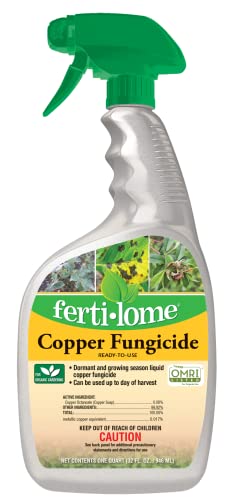
VERSATILE FUNGICIDE - This product fights Needle Blight, Blackspot, Anthracnose, Leaf and Fruit Spot, Cedar Apple Rust, Powdery Mildew, Early and Late Blight on Tomatoes, and Peach Leaf Curl.
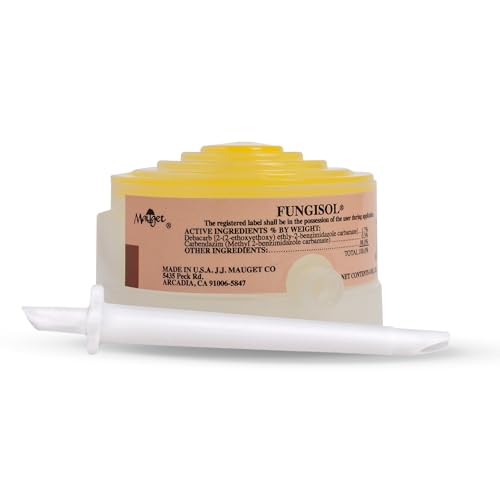
Proprietary fungicide to treat a wide spectrum of fungal diseases.
Environmental Factors Influencing Anthracnose
Understanding the environmental factors that contribute to anthracnose in oak trees is crucial for effective treatment and prevention. Conditions such as humidity, temperature, and soil moisture play significant roles in the development of this fungal disease. By recognizing these influences, technicians can better strategize their approach to managing and mitigating the impact of anthracnose on oak trees.
Keep an eye on environmental conditions that favor anthracnose development. High humidity and wet weather increase the risk of infection. If conditions are favorable, consider preventive fungicide applications even if no symptoms are visible.
Consult a Certified Arborist for Severe Cases
When dealing with severe cases of anthracnose in oak trees, the expertise of a certified arborist can be invaluable. These professionals possess the knowledge and experience needed to accurately diagnose the extent of the infection and recommend tailored treatment options. Their intervention can help preserve the health of your trees and prevent further damage.
If the infestation is severe or treatment does not yield results, consider consulting a certified arborist. They can provide advanced diagnostic services and recommend specific treatments tailored to your oak trees.
Always follow local regulations regarding fungicide use to avoid environmental harm.
Maintain Tree Health for Long-Term Success
Maintaining the health of oak trees is crucial for preventing anthracnose and ensuring their longevity. By focusing on proper care techniques, including watering, fertilization, and pruning, you can create a robust environment that minimizes disease risk. This section outlines essential practices to support tree vitality and resilience against future threats.
Regular maintenance and monitoring are essential for preventing future anthracnose outbreaks. Healthy trees are less susceptible to disease, so focus on proper watering, fertilization, and pruning practices.
Implementing these strategies will help ensure your oak trees remain healthy and resilient against anthracnose and other diseases.

My interest in trees started when I first saw the giant sequoias in Yosemite.I was a teenager then, and I remember thinking, “I need to learn more about this.”That moment stuck with me.A few years later, I went on to study forestry at Michigan Tech.
Since graduating, I’ve worked in a mix of hands-on tree care and community education.I’ve spent over ten years helping people understand how to plant, maintain, and protect the trees in their neighborhoods.I don’t see trees as just part of the landscape.They are living things that make a real difference in our daily lives.