How often do you find yourself wondering if your garden is getting enough water? It’s a common concern for many gardeners. Overwatering can drown your plants while underwatering can leave them thirsty and stressed. Striking the right balance is key to a thriving garden.
Key Takeaways
- Proper watering is essential for plant health, balancing between overwatering and underwatering to prevent stress and disease.
- Factors like plant type, soil composition, temperature, humidity, and sunlight exposure significantly influence water requirements.
- Best practices for effective watering include timing (preferably early morning or late evening), using drip irrigation and soaker hoses, or watering cans and sprinklers for larger areas.
- Recognizing signs of overwatering (e.g., wilting leaves, yellowing foliage) and underwatering (e.g., dry soil, brittle stems) helps maintain optimal health for your plants.
- Tailor your watering schedule based on specific plant types, providing consistent moisture for flowering plants and deeper watering for vegetable gardens during peak growth.
Understanding Water Requirements
Understanding how much to water a garden is crucial for plant health. Proper watering ensures plants thrive while avoiding diseases caused by overwatering or dehydration.
Importance of Watering Plants
Water performs essential functions for plants. It supports photosynthesis, nutrient transport, and temperature regulation. Irregular watering can lead to wilting, stunted growth, or even death. Maintaining consistent moisture levels helps promote healthy root development, which contributes to overall plant vigor.
Factors Influencing Water Needs
Water needs vary based on several factors:
- Plant Type: Different plants have distinct water requirements. For example, succulents thrive in dry conditions, while ferns prefer consistent moisture.
- Soil Composition: Sandy soils drain quickly, requiring more frequent watering. Clay soils retain moisture, needing less frequent watering.
- Temperature: Higher temperatures increase evaporation rates, necessitating more watering. Cooler conditions reduce water needs.
- Humidity Levels: Low humidity can lead to faster drying of soil, so you might need to water more often in arid climates.
- Sunlight Exposure: Plants in full sun require more water than those in shade due to increased evaporation and photosynthesis rates.
Monitoring these factors helps you adjust your watering routine effectively.
Best Practices for Watering a Garden
Watering a garden effectively ensures vibrant, healthy plants. Various strategies can help you optimize your watering routine.
Recommended Products

【Easy Programming Program】Through the Sprinkler Timer to program, you can set the Start Time, Watering Duration is 1min-3h59min, Watering Frequency from 1h to 12h or 1 day to 7 days, so you can customize your watering time, and can be more accurate.

Save 80% Water: This flat soaker hose penetrates water through numerous tiny holes in a fine and even manner, directly delivering water to the roots of plants. This reduces evaporation and loss. Compared to traditional hoses, garden hose can save 80% water

BRASS INLET & OUTLET: 2026 Newly upgraded water hose timer with pure brass water inlet and outlet metal thread, strong and durable, can withstand up to 116psi. Built-in metal filter gaskets can effectively prevent sediment and other larger particles from entering the irrigation system. The body shell adopts heavy-duty weatherproof construction and UV-resistant materials, which is perfect for outdoor garden watering.
Time of Day for Watering
Watering early in the morning or late in the evening minimizes evaporation loss. Temperatures are typically cooler during these times, allowing your plants to absorb moisture efficiently. If you water in the afternoon, heat can cause significant water loss before it penetrates the soil.
- Drip Irrigation: Install a drip irrigation system for targeted watering. This method delivers water directly to the soil near plant roots, reducing waste.
- Soaker Hoses: Lay soaker hoses on the soil surface, allowing slow water release. These hoses save time and resources while ensuring even moisture distribution.
- Watering Cans: Use watering cans for precision. This method suits small gardens or targeted areas needing extra attention.
- Sprinklers: Consider using sprinklers for larger areas. Select models with timers to automate the process and maintain consistency.
By following these best practices, you can significantly improve your garden’s health and ensure efficient water use.
Signs of Overwatering and Underwatering
Recognizing the signs of overwatering and underwatering helps maintain healthy plants. Both conditions affect plant growth and vitality, so it’s essential to identify them early.
Recommended Products
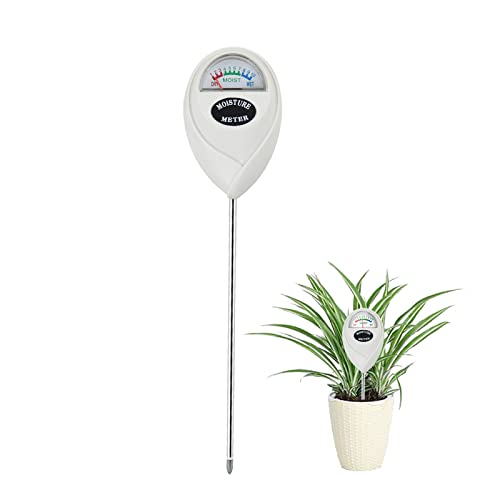
【SAVE YOUR PLANTS】: Over watering can cause problems with your plants or even kill them. This soil moisture meter helps you know the soil is dry, moist or wet.No more over watering!

Accurate Soil Moisture Detection: The XLUX Soil Moisture Meter can tell you if the soil deep inside your pot or garden is dry, moist or wet; whereas your eyes and fingers can only determine the moisture level of the soil surface. The probe is 5.5 inches (14 cm) longer than regular styles, allowing it to measure the soil moisture at the bottom of larger and deeper flower pots.
Dimensions: 0.4 x 0.3 x 4.7 inches (small) - Intended for pot sizes of 2, 2.5, and 3 - Ideal for small succulents
Identifying Overwatered Plants
- Wilting leaves: Despite sufficient moisture, leaves droop or curl, indicating stress.
- Yellowing foliage: Leaves turn yellow, often starting with the lower ones, signifying excess water.
- Root rot: Soft, brown, or mushy roots suggest waterlogged conditions, commonly caused by overwatering.
- Moldy soil: A white or gray mold on the soil surface indicates too much moisture.
- Waterlogged soil: Soil remains soggy for extended periods, signaling poor drainage or excessive watering.
- Wilted leaves: Leaves droop, fold, or shrivel due to lack of water.
- Brown leaf tips: Tips become crispy or brown, showing dehydration.
- Dry soil: Soil feels hard and dry several inches beneath the surface, indicating a lack of moisture.
- Stunted growth: Plants fail to grow as expected, leading to underdeveloped leaves or flowers.
- Brittle stems: Stems feel weak or snap easily, often linked to underwatering.
By monitoring these signs, you can adjust your watering practices to meet your garden’s needs effectively.
Watering Schedule Based on Plant Types
Understanding the watering needs of different plant types helps you maintain a thriving garden. Each category of plants has its unique requirements based on their growth cycle, root structure, and water retention capabilities.
Recommended Products
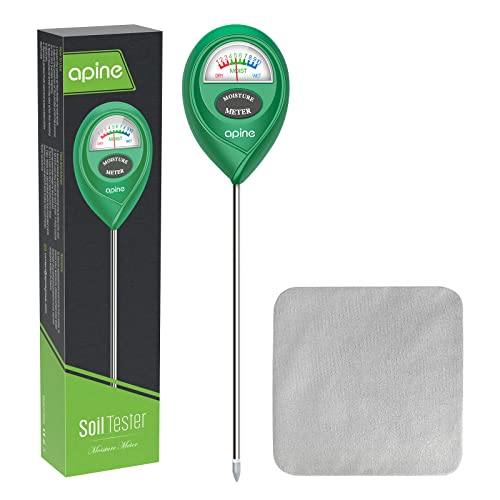
Quick Measurement:Just insert the probe of the plant water meter into the soil about two to four inches,wait a few seconds,you can get the soil moisture immediately.The color division of the dial is simple and clear,and the elderly can easily use it

✔️Accurate - A helpful tool of water meter for indoor plants which senses the moisture in the soil around plants. No more guess if the plant needs more or less water

【NO MORE GUESSWORK】:Ever wonder if your plants need watering or not? You need this soil moisture meter to help you eliminate the guesswork. Don’t want to stick your finger into the soil to test for moisture, you need this this soil meter to help you.
Flowering Plants
Flowering plants typically require consistent moisture for optimal blooming. Water these plants once a week, providing about 1 inch of water per week during dry spells. Consider soil type and climate; sandy soils drain quickly, while clay retains water. If you’re growing petunias or daisies, check the soil moisture before watering. When the top inch of soil feels dry, it’s time to soak them thoroughly. Consider daily watering in warmer months if temperatures exceed 90°F.
Vegetable Gardens
Vegetable gardens demand regular and deeper watering to support root growth and fruit production. Aim for 1 to 1.5 inches of water per week, adjusting based on rainfall. For crops like tomatoes and peppers, use a soaker hose to deliver moisture directly to the roots. Monitor the soil. When the top 2 inches feel dry, it’s time to water. During peak growth phases, some vegetables may require daily watering. This is especially true for high-yield crops like zucchini and cucumbers.
By tailoring your watering schedule to the specific needs of your flowering and vegetable plants, you’ll promote robust growth and bountiful harvests.
Conclusion
Finding the right balance in watering your garden is key to nurturing healthy plants. By paying attention to your plants’ specific needs and the environmental factors at play, you can create a thriving garden.
Remember to adjust your watering techniques based on the type of plants you have and the conditions they face. With a little observation and care, you’ll be well on your way to a lush and vibrant garden. Enjoy the process and celebrate the growth you see!
Frequently Asked Questions
What are the effects of overwatering plants?
Overwatering can lead to several issues, such as root rot, yellowing leaves, and moldy soil. It suffocates roots by encasing them in water, preventing oxygen absorption, which can ultimately result in plant death.
How do I know if my plants are underwatered?
Signs of underwatering include wilted leaves, brown leaf tips, and dry soil. In severe cases, plants may exhibit stunted growth and brittle stems, signaling that they need immediate watering.
What factors influence how much water my plants need?
Several factors influence water requirements, including plant type, soil composition, temperature, humidity, and sunlight exposure. Paying attention to these will help you adjust your watering practices effectively.
What is the best time to water my garden?
The ideal times to water your garden are early in the morning or late in the evening. These times minimize evaporation and maximize moisture absorption, promoting better plant health.
How much water do flowering plants need?
Flowering plants typically require about 1 inch of water per week. Consistent moisture is crucial for their growth and blooming, so monitor them regularly to meet their needs.
What are the best watering methods for a garden?
Effective watering methods include drip irrigation for targeted watering, soaker hoses for even moisture, watering cans for precision, and sprinklers for larger areas. Using timers for automation can enhance efficiency.
How can I tailor my watering schedule for vegetables?
Vegetable gardens generally need 1 to 1.5 inches of water weekly, with deeper watering recommended. Use soaker hoses to reach root zones and check soil moisture to determine when to water.
What are the common signs of overwatering versus underwatering?
Common signs of overwatering include wilting leaves, yellow foliage, and root rot. On the other hand, underwatering shows symptoms like brown leaf tips, dry soil, and stunted growth. Identifying these helps adjust watering practices.

My interest in trees started when I first saw the giant sequoias in Yosemite.I was a teenager then, and I remember thinking, “I need to learn more about this.”That moment stuck with me.A few years later, I went on to study forestry at Michigan Tech.
Since graduating, I’ve worked in a mix of hands-on tree care and community education.I’ve spent over ten years helping people understand how to plant, maintain, and protect the trees in their neighborhoods.I don’t see trees as just part of the landscape.They are living things that make a real difference in our daily lives.