Have you ever dreamed of growing fresh vegetables and vibrant flowers year-round? A greenhouse garden might be the perfect solution for you. Imagine stepping into a warm, sunny space filled with lush greenery, even in the dead of winter.
Key Takeaways
- Controlled Growing Environment: A greenhouse garden offers a stable climate for growing a variety of plants year-round, regardless of external weather conditions.
- Types of Greenhouses: Options include freestanding, lean-to, portable, cold frames, and hydroponic systems, each catering to different space and climate needs.
- Optimal Location Choices: Select a site that receives at least six hours of sunlight daily and ensures good air circulation and drainage for optimal plant health.
- Essential Building Materials: Use durable framing materials and appropriate glazing, along with a solid foundation and adequate ventilation and heating systems for optimal growth.
- Plant Selection and Care: Choose plants suited to greenhouse conditions, such as tomatoes, herbs, and ornamental flowers, and maintain soil quality with regular fertilization.
- Maintenance Strategies: Monitor temperature and humidity, manage pests organically, and ensure overall cleanliness to promote a healthy, productive greenhouse ecosystem.
Understanding Greenhouse Gardening
Greenhouse gardening provides a controlled environment for nurturing plants. You can grow a variety of vegetables and flowers year-round, even in colder climates.
Benefits of a Greenhouse Garden
- Extended Growing Season: A greenhouse allows for earlier planting and later harvesting. You can start seeds in winter and continue growing into fall.
- Temperature Control: You can maintain optimal temperatures for plant growth. This control leads to fewer losses due to frost or extreme heat.
- Pest and Disease Management: Greenhouses create a barrier against pests. This protection reduces the need for chemical pesticides and promotes healthier plants.
- Increased Yield: Plants thrive in a stable environment, often resulting in higher yields compared to open gardens. You can grow more produce in less time.
- Versatility: A greenhouse accommodates various plant types. From tropical plants to vegetables, your options are virtually limitless.
- Freestanding Greenhouses: These structures stand alone in your yard. They offer flexibility in size and design, allowing for ample natural light.
- Lean-to Greenhouses: Attached to the side of a building, these structures share a wall with your home. They save space and leverage heat from the building.
- Portable Greenhouses: Lightweight and easy to move, these are perfect for small spaces. They’re often used for seasonal gardening and can be relocated as needed.
- Cold Frames: These mini-greenhouses protect plants from harsh weather. They’re excellent for starting seeds early or extending the growing season.
- Hydroponic Greenhouses: These systems use nutrient-rich water instead of soil. They allow for efficient, soil-less gardening, suited for urban areas with limited space.
By choosing the right type of greenhouse for your needs, you can create a thriving garden that benefits from the unique advantages each structure offers.
Planning Your Greenhouse Garden
Planning your greenhouse garden involves careful consideration of location, size, and structure. A well-thought-out plan ensures a successful and thriving greenhouse environment.
Choosing the Right Location
Choosing the right location for your greenhouse garden affects plant growth and overall success. Select a site that receives at least six hours of direct sunlight daily. Avoid shaded areas near buildings or trees. Consider proximity to a water source for easy access during watering.
Furthermore, ensure good air circulation to prevent humidity-related issues. Flat ground simplifies installation but be mindful of drainage to avoid water accumulation. If necessary, elevate the greenhouse to promote drainage and air flow.
Determining Size and Structure
Determining the size and structure of your greenhouse garden aligns with your growing goals. Start by assessing the space available in your yard. For small vegetable gardens, a 6×8 feet greenhouse suffices. Larger gardens may require structures ranging from 10×10 feet to 12×20 feet.
Select a structure type that suits your climate and aesthetic preferences. Options include:
- Freestanding Greenhouses: Offer flexibility in location.
- Lean-to Greenhouses: Attach to an existing structure for space-saving.
- Portable Greenhouses: Ideal for small spaces or seasonal use.
Consider ventilation, insulation, and materials. Polycarbonate panels provide excellent insulation, while glass offers aesthetic appeal. Ensure the structure can withstand local weather conditions, such as snow or strong winds.
Building Your Greenhouse
Building a greenhouse garden requires careful planning and the right materials. This space not only protects your plants but also maximizes growth opportunities.
Recommended Products
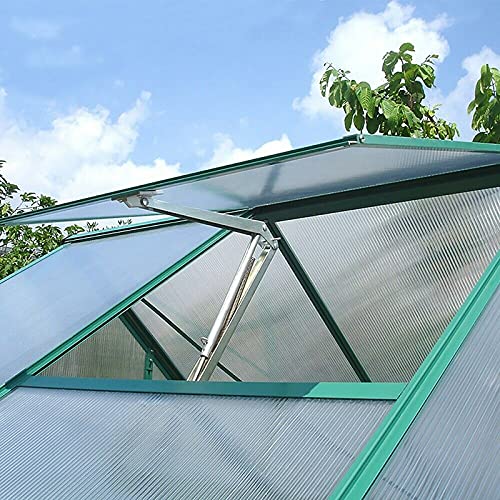
【Optimal Ventilation System】Your plants are optimally ventilated through temperature-controlled opening and closing. Depending on the temperature, the piston of the cylinder moves and opens or closes the window.
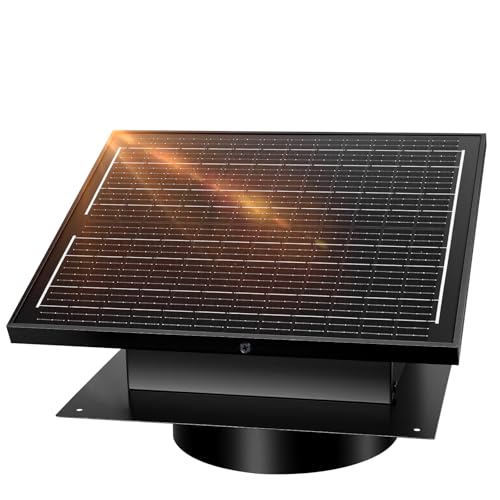
1.2500 CFM Powerful Ventilation: 32W monocrystalline solar panels, equipped with IP68 waterproof brushless motors, provide strong airflow coverage up to 3000 square feet, quickly removing hot air, moisture and stale air from atfts, garages and barns; Reduce AC operation time and significantly lower energy costs.
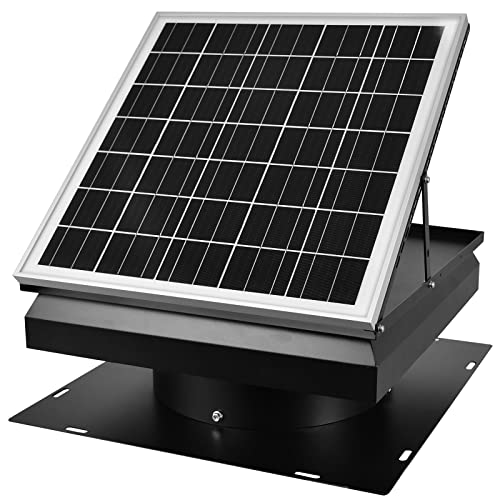
【SOLAR ENERGY HERO】Harness free sunshine to cool your space! Engineered with premium monocrystalline solar panels, our fan operates 100% off-grid, zero electricity costs, zero complicated wiring. It automatically activates at sunrise (even on cloudy days!) and powers down at dusk, delivering worry-free climate control.
Materials Needed
- Frame: Choose from aluminum, wood, or galvanized steel for strength and durability. Aluminum resists rust while wood offers great insulation.
- Glazing: Use glass, polycarbonate, or plastic sheeting. Glass provides excellent light but is fragile. Plastic sheeting is lightweight and cost-effective.
- Foundation: Use concrete, bricks, or treated wood. A solid foundation reinforces stability and drainage.
- Ventilation System: Incorporate roof vents, side vents, or exhaust fans to maintain optimal temperature and airflow.
- Heating: Consider heaters or heating mats for cold climates. These maintain warmth during winter months.
- Shelving and Pots: Use metal or wooden shelving for planting pots. Select pots that fit your plants’ sizes.
- Select a Location: Choose a spot that gets at least six hours of sunlight daily. Avoid shaded areas to maximize photosynthesis.
- Gather Materials: Collect all needed materials as listed above before starting. This streamlines the building process.
- Build the Foundation: Level the ground and lay your chosen foundation materials. Ensure it’s stable to support the greenhouse.
- Construct the Frame: Assemble the frame according to the chosen design. Use screws or brackets for secure connections.
- Install Glazing: Attach your selected glazing material to the frame. Ensure tight seals to prevent air leaks.
- Add Ventilation: Install roof and side vents in strategic locations for effective airflow. This prevents overheating during hot days.
- Set Up Heating: Place heating systems in a way that distributes warmth evenly. Maintain a consistent temperature for plant health.
- Organize Interior: Position shelves or tables for planting pots. Make sure they’re at heights that allow easy access for you.
- Fill with Soil and Plants: Add potting soil to containers. Arrange your plants according to sunlight and watering needs.
By following these structured steps and using the right materials, you create a functional greenhouse garden. This space enhances your ability to grow plants year-round.
Planting in Your Greenhouse
Planting in your greenhouse provides opportunities to grow a variety of plants in a controlled environment. With proper selection and care, your greenhouse can flourish with fresh produce and vibrant flowers.
Selecting Suitable Plants
Selecting suitable plants involves considering various factors. Start by identifying your climate and what grows well in your area. Choose plants that thrive in greenhouse conditions, such as:
- Vegetables: Tomatoes, cucumbers, and peppers grow well in greenhouses. Each prefers warm temperatures and can bear fruit year-round.
- Herbs: Basil, parsley, and mint adapt easily to greenhouse environments and provide fresh flavors all year long.
- Flowers: Geraniums, petunias, and orchids add color and beauty and often thrive in the greenhouse’s warm atmosphere.
Mixing and matching plant types increases diversity and resilience in your garden. Consider companion planting to enhance growth and deter pests.
Soil and Fertilization Tips
Soil and fertilization play crucial roles in your greenhouse success. Use high-quality potting soil or make your mix with equal parts peat moss, vermiculite, and compost. Proper soil ensures healthy roots and strong plants.
Fertilize regularly to provide essential nutrients. Use a balanced fertilizer with equal parts nitrogen, phosphorus, and potassium. Follow these tips for fertilization:
- Frequency: Fertilize every four to six weeks during the growing season.
- Method: Use water-soluble fertilizers for easy application. Mix according to package instructions.
- Observation: Monitor your plants for signs of nutrient deficiencies, like yellowing leaves or stunted growth.
Adjust fertility based on the plant types. Leafy greens may require more nitrogen, while flowering plants often benefit from increased phosphorus. Remember, proper soil and consistent fertilization ensure vigorous plant growth in your greenhouse.
Maintaining Your Greenhouse Garden
Maintaining your greenhouse garden ensures a thriving environment for plants. Regular attention to temperature, humidity, and pest management creates optimal growing conditions.
Temperature and Humidity Control
Maintaining appropriate temperature and humidity levels in your greenhouse is essential for plant health. Monitor temperature daily, aiming for 65°F to 75°F during the day and 55°F to 65°F at night. Use thermostats and digital hygrometers for accurate readings.
Adjust ventilation by opening windows or vents when temperatures rise above 80°F. Shade cloth can reduce solar heat, preventing overheating in summer. For winter, use heaters to maintain warmth during colder nights.
For humidity control, aim for levels between 40% and 70%. If humidity drops too low, consider using a humidifier or placing trays of water around your plants. Conversely, if humidity rises too high, increase ventilation to prevent mold and mildew.
Pest and Disease Management
Effective pest and disease management protects your greenhouse garden’s health. Regularly inspect plants for signs of pests, such as aphids or spider mites. Introduce beneficial insects like ladybugs or lacewings to control pest populations naturally.
Use organic insecticidal soap or neem oil to combat infestations without harming beneficial insects. Implement a strict cleaning routine—remove dead leaves and debris promptly, as these can harbor diseases.
Rotate plant types annually to minimize disease risk. Avoid planting the same species in the same location to disrupt pest and pathogen cycles. If diseases occur, promptly remove affected plants and treat the soil if necessary.
Manual removal of pests and regular preventive care can help maintain a healthy greenhouse ecosystem.
Conclusion
Building a greenhouse garden is an exciting journey that opens up endless possibilities for growing your favorite plants year-round. With careful planning and the right materials you can create a thriving environment that not only enhances your gardening experience but also brings fresh produce and beautiful blooms right to your doorstep.
Remember to keep an eye on temperature and humidity while managing pests and diseases to ensure your plants thrive. Embrace the joy of nurturing your greenhouse garden and enjoy the fruits of your labor. Happy gardening!
Frequently Asked Questions
What is a greenhouse garden?
A greenhouse garden is a controlled environment designed to grow plants like vegetables and flowers year-round, regardless of external weather conditions. It provides ideal growing conditions by regulating temperature and humidity, especially beneficial in colder climates.
What are the benefits of greenhouse gardening?
Greenhouse gardening offers extended growing seasons, better temperature control, improved pest management, increased plant yields, and versatility in plant selection. This setup allows gardeners to cultivate a wider variety of plants throughout the year.
What types of greenhouses are available?
There are several types of greenhouses, including freestanding, lean-to, portable, cold frames, and hydroponic greenhouses. Each type has unique advantages, allowing individuals to choose based on space, budget, and specific gardening needs.
How do I choose the right location for my greenhouse?
Select a site that receives at least six hours of direct sunlight daily, avoiding shaded areas. Ensure good air circulation and consider proximity to water sources for easy irrigation and maintenance of your greenhouse garden.
What materials do I need to build a greenhouse?
Essential materials for building a greenhouse include frames (made of aluminum, wood, or galvanized steel), glazing (glass, polycarbonate, or plastic sheeting), and a solid foundation (concrete, bricks, or treated wood). These components help create a durable and functional structure.
What plants can I grow in a greenhouse?
In a greenhouse, you can grow a variety of plants, including vegetables like tomatoes and cucumbers, herbs such as basil and parsley, and flowers like geraniums and orchids. Mixing plant types promotes diversity and resilience in your garden.
How do I maintain a greenhouse garden?
Maintain your greenhouse by regularly monitoring temperature, humidity, and pest levels. Aim for daytime temperatures between 65°F and 75°F and humidity levels between 40% and 70%. Implement regular cleaning routines and monitor plants for pests and diseases to ensure a healthy environment.
What is the best soil to use in a greenhouse?
Use high-quality potting soil or create a custom mix tailored to your plants’ needs. Regularly check for nutrient deficiencies and adjust fertilization practices based on the types of plants you are growing to promote robust growth in your greenhouse garden.

My interest in trees started when I first saw the giant sequoias in Yosemite.I was a teenager then, and I remember thinking, “I need to learn more about this.”That moment stuck with me.A few years later, I went on to study forestry at Michigan Tech.
Since graduating, I’ve worked in a mix of hands-on tree care and community education.I’ve spent over ten years helping people understand how to plant, maintain, and protect the trees in their neighborhoods.I don’t see trees as just part of the landscape.They are living things that make a real difference in our daily lives.