Ever thought about growing your own salad garden? Imagine stepping outside to pick fresh greens and crunchy veggies for your meals. It’s not just a fun hobby; it’s a way to enjoy healthier, tastier food right from your backyard.
You might be wondering where to start or how to keep those plants thriving. Don’t worry! This article will guide you through the simple steps to create a thriving salad garden. You’ll learn about choosing the right plants, the best soil, and how to care for your garden. Before you know it, you’ll be enjoying your homegrown salads and impressing your friends and family with your green thumb.
Key Takeaways
- Planning is Key: A successful salad garden starts with careful planning regarding location, plant selection, and garden layout to maximize growth potential.
- Choose the Right Location: Select a sunny spot with at least 6 hours of sunlight daily and good drainage to ensure healthy plants.
- Select Nutritious Greens: Opt for popular salad greens like lettuce, spinach, arugula, and kale for a variety of flavors and nutrients.
- Soil Preparation Matters: Test and improve soil quality by adding organic matter and ensuring the right pH for optimal growth.
- Care for Your Plants: Implement effective watering techniques and pest control measures to keep your salad garden healthy and bountiful.
- Harvest Wisely: Time your harvest correctly for the best flavor and use proper storage methods to enjoy your fresh greens longer.
Planning Your Salad Garden
Planning your salad garden sets the foundation for success. Consider key elements like location, plant selection, and garden layout for optimal results.
Choosing the Right Location
Choosing a location impacts your garden’s growth. Select a spot with at least 6 hours of sunlight daily. Avoid shaded areas from trees or tall buildings. Ensure the site has good drainage to prevent waterlogging, which can damage roots. Proximity to a water source simplifies irrigation.
Selecting Your Salad Greens
Selecting the right salad greens plays a crucial role in flavor and nutrition. Consider popular options such as:
- Lettuce: Varieties include romaine, butterhead, and leaf.
- Spinach: Fast-growing, nutritious, and versatile.
- Arugula: Adds a peppery flavor to your salads.
- Kale: Hardy and packed with vitamins.
Mix different greens for variety and taste. You can sow seeds directly in the garden for easy growth or start them indoors for an earlier harvest. Always check seed packets for specific planting instructions like depth and spacing.
Preparing the Soil
Preparing the soil is essential for a flourishing salad garden. By focusing on soil quality and nutrient content, you can create a vibrant environment for your greens.
Recommended Products

Comprehensive Soil Analysis: Liquid soil test kits offer a comprehensive analysis of essential soil parameters, including pH, ammonia, nitrogen, phosphorus, and potassium. Having all these measurements in one kit provides a holistic understanding of the soil's fertility and health.

COMPLETE SOIL TEST KIT WITH STORAGE CASE All‑in‑one kit comes with hard plastic storage case, test‑tube rack, sample tubes, comparator tubes, soil sampling scoop, Pasteur pipettes and test‑tube brush. It contains detailed instruction manual plus visual quick‑start guide card for straightforward operation and home soil analysis.

Comprehensive 4-in-1 Soil Analysis: Test pH, Nitrogen, Phosphorus & Potassium in One Kit – Gain a complete understanding of your soil's condition with a single kit. Measure key parameters to help optimize your garden's growth potential, whether for flowers, vegetables, or lawns
Testing Soil Quality
Testing soil quality helps you understand its composition. Use a soil testing kit for accurate results. Most kits measure pH, nitrogen, phosphorus, and potassium levels. Aim for a pH between 6.0 and 7.0 for optimal salad green growth. If your soil is too acidic or alkaline, amendments like lime or sulfur can adjust the pH. Regularly testing your soil ensures healthy plants and better yields.
Improving Soil Nutrients
Improving soil nutrients promotes strong, healthy plants. Start by adding organic matter like compost or well-rotted manure. This enriches the soil with essential nutrients and improves drainage. Incorporate a balanced fertilizer specifically formulated for vegetables if your soil lacks certain nutrients. Organic options include bone meal or blood meal. Rotate crops annually to maintain soil health and prevent nutrient depletion. Regularly mixing in mulch retains moisture and suppresses weeds, benefiting your salad garden further.
Planting Your Salad Seeds
Planting seeds is an exciting step in creating your salad garden. Proper timing and careful consideration of depth and spacing will lead to a bountiful harvest.
Recommended Products

HEIRLOOM CORN SALAD SEEDS FOR PLANTING - Also known as mache or lambs lettuce, this cold hardy European green, Corn Salad Verte de Cambrai (Valerianella locusta) forms compact rosettes and grows well in dense plantings
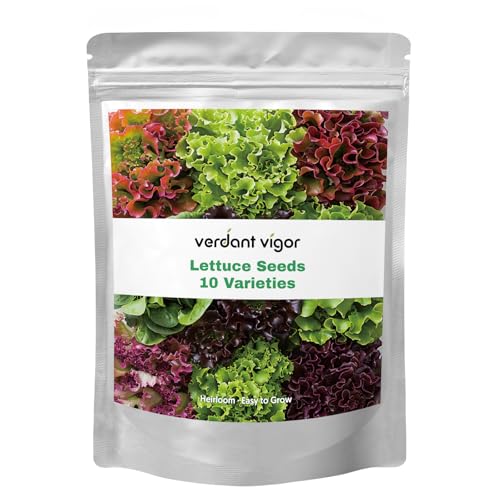
Healthy Food Source: Because of its tender flavor, lettuce is a popular vegetable for salad, sandwiches, wraps, soups, stir-fries and juice. There are over 20,000 seeds, 10 kinds of lettuce collection, including bibb, boston, iceberg, buttercrunch, grand rapids TBR, oakleaf, ruby leaf, cimmaron romaine and waldmann's
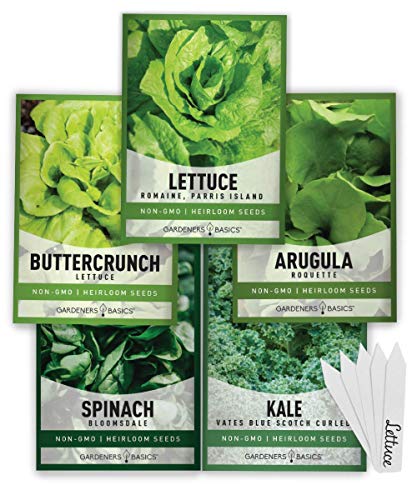
Five leafy greens varieties: Plant Parris Island romaine lettuce seeds, Buttercrunch lettuce seeds, Roquette arugula seeds, Vates Blue Scotch Curled kale seeds, and Bloomsdale spinach seeds. Includes 4,500+ seeds in five separate labeled packets.
Timing for Planting
Timing plays a crucial role in the success of your salad garden. Most salad greens thrive in cool weather, so aim to plant in early spring or late summer. For spring planting, choose a date about 2 weeks before the last expected frost. For fall planting, allow 6-8 weeks before the first frost. You can also plan for successive sowing every 2-3 weeks for ongoing harvests.
Depth and Spacing Considerations
Depth and spacing affect plant growth and overall yield. Generally, plant seeds at a depth of about ¼ inch to ½ inch, depending on the variety. Lettuce seeds, for example, should be closer to ¼ inch deep, while spinach thrives when planted around ½ inch deep.
For spacing, follow these guidelines for optimal growth:
- Lettuce: Space seeds about 12-18 inches apart in rows.
- Spinach: Space seeds about 3-4 inches apart.
- Arugula: Space seeds about 6-12 inches apart.
- Kale: Space seeds about 12-24 inches apart.
Use a ruler or garden marker to ensure uniformity. Adequate spacing allows for air circulation and reduces competition for nutrients, promoting healthier plants.
By considering timing, depth, and spacing, you set the stage for a thriving salad garden.
Caring for Your Salad Garden
Caring for your salad garden ensures a healthy and thriving yield of fresh greens. Focus on watering techniques and pest control methods to maximize your success.
Recommended Products

Lightweight water hose is made of 100% recycled vinyl, clog resistant fabric cover for consistent soaking in the garden or around foundations

Save 80% Water: This flat soaker hose penetrates water through numerous tiny holes in a fine and even manner, directly delivering water to the roots of plants. This reduces evaporation and loss. Compared to traditional hoses, garden hose can save 80% water

Lightweight water hose is made of 100% recycled vinyl, clog resistant fabric cover for consistent soaking in the garden or around foundations
Watering Techniques
Watering your salad garden requires attention and a consistent approach. Follow these techniques for optimal results:
- Water Deeply: Water thoroughly to encourage deep root growth. Aim for 1 to 1.5 inches of water weekly, depending on rainfall.
- Water Early or Late: Water in the morning or late afternoon. This timing reduces evaporation and allows plants to absorb moisture effectively.
- Check Soil Moisture: Use your fingers to check soil moisture. The top inch should feel dry before watering again.
- Use A Soaker Hose: Consider using a soaker hose or drip irrigation for even water distribution. This method conserves water and minimizes disease risk from wet leaves.
- Mulch Application: Apply mulch around plants to retain soil moisture. Organic mulch, like straw or shredded leaves, also suppresses weeds and adds nutrients.
Pest Control Methods
Effective pest control protects your salad garden from unwanted invaders. Implement these strategies to keep pests at bay:
- Regular Inspections: Inspect your plants regularly for signs of pests or damage. Early detection helps prevent infestations.
- Natural Predators: Encourage beneficial insects, like ladybugs and lacewings, which feed on harmful pests. Plant flowers such as marigolds or dill to attract them.
- Neem Oil: Use neem oil as a natural pesticide. Dilute the oil according to package instructions, spray on affected areas, and repeat every 7 to 14 days as necessary.
- Companion Planting: Pair salad greens with plants that deter pests. For example, planting herbs like basil or rosemary alongside can repel certain insects.
- Row Covers: Utilize floating row covers to protect young plants from pests. These lightweight covers allow sunlight and moisture in while keeping insects out.
By implementing these watering techniques and pest control methods, your salad garden can flourish, providing you with a bounty of fresh ingredients for your meals.
Harvesting and Enjoying Your Salad
Harvesting your salad greens at the right time enhances their flavor and nutritional value. Knowing when and how to collect your greens leads to delicious meals.
When to Harvest
Harvest salad greens when they reach a suitable size but before they start to flower. For leafy greens like lettuce and spinach, aim for leaves that are about 4-6 inches long. Pick outer leaves first, allowing the inner leaves to keep growing. If your greens begin to bolt—develop a flower stalk—it’s crucial to harvest immediately, as the flavor can become bitter.
Tips for Using Fresh Greens
Using fresh salad greens opens a world of culinary possibilities.
- Rinse Carefully: After harvesting, rinse your greens in cool water to remove dirt and insects. Spin them dry using a salad spinner for best results.
- Store Properly: Keep your greens in a perforated plastic bag in the refrigerator. This method ensures they stay crisp for up to a week.
- Mix Varieties: Combine different types of greens like arugula and kale for varied textures and flavors. Create unique salad blends to surprise your taste buds.
- Dress Wisely: Use a light vinaigrette to complement the freshness of the greens. Opt for simple dressings made from olive oil, vinegar, and spices.
- Enjoy Raw or Cooked: Feel free to use your salad greens raw in salads or lightly sauté or steam them for a warm side dish. Cooking can bring out different flavors and enhance nutrients.
Incorporate these practices to make the most of your homegrown produce. Enjoying fresh salad greens boosts your meals and nurtures your gardening curiosity.
Conclusion
Growing a salad garden is a rewarding journey that brings fresh flavors right to your table. With a little planning and care you can enjoy a bountiful harvest of greens that not only taste great but also boost your meals.
Remember to keep an eye on your plants and adapt your care as needed. Whether you’re enjoying a simple salad or experimenting with new recipes your homegrown ingredients will shine. So grab your gardening tools and get started on this delicious adventure. Happy gardening!
Frequently Asked Questions
How do I start a salad garden?
To start a salad garden, choose a sunny location that gets at least 6 hours of sunlight daily. Select popular salad greens like lettuce, spinach, arugula, and kale. Prepare the soil by testing its quality and amending it with organic matter. Finally, plant seeds at the right depth and spacing based on the specific greens you’ve chosen.
What are the best salad greens to grow?
The best salad greens to grow include lettuce, spinach, arugula, and kale. These are easy to cultivate and can be mixed for diverse flavors and nutrients. Consider growing different varieties to enhance your salads and provide a more enjoyable dining experience.
How can I ensure healthy soil for my salad garden?
To ensure healthy soil, test its quality with a soil testing kit. Aim for a pH between 6.0 and 7.0, and amend the soil with lime or sulfur if needed. Improve soil nutrients by adding organic matter like compost or well-rotted manure, and consider using balanced fertilizers.
When is the best time to plant salad greens?
The best time to plant salad greens is in early spring or late summer. Check local frost dates to choose the right planting time. Follow specific guidelines for each green regarding seed depth and spacing to promote optimal growth.
How should I water my salad garden?
Water your salad garden deeply and consistently to encourage strong root growth. Water during cooler parts of the day to minimize evaporation, and consider using a soaker hose for even moisture distribution. Always check soil moisture to avoid over- or under-watering.
What natural pest control methods can I use?
For natural pest control, regularly inspect your plants and encourage beneficial insects. Use neem oil as a natural pesticide and practice companion planting. Row covers can also protect young plants from pests while allowing sunlight and rain to reach them.
How do I know when to harvest my salad greens?
Harvest leafy greens like lettuce and spinach when they reach about 4-6 inches in length. Start by picking the outer leaves, allowing the inner ones to continue growing. Timing is key for optimal flavor and nutrition, so keep an eye on your plants.
What are some tips for using and storing fresh salad greens?
After harvesting, rinse fresh salad greens thoroughly to remove dirt and pests. Store them in a breathable container in the fridge for maximum freshness. Use a variety of greens in your dishes, and opt for light dressings to enhance flavor without overpowering the greens.

My interest in trees started when I first saw the giant sequoias in Yosemite.I was a teenager then, and I remember thinking, “I need to learn more about this.”That moment stuck with me.A few years later, I went on to study forestry at Michigan Tech.
Since graduating, I’ve worked in a mix of hands-on tree care and community education.I’ve spent over ten years helping people understand how to plant, maintain, and protect the trees in their neighborhoods.I don’t see trees as just part of the landscape.They are living things that make a real difference in our daily lives.