Have you ever looked at a sloped yard and wondered if you could turn it into a beautiful garden? Growing a garden on a hillside can seem challenging, but with the right approach, it can be a rewarding experience. You might be dealing with erosion issues or struggling to find the best plants that thrive in those conditions.
This article will guide you through practical tips and techniques to create a stunning hillside garden. You’ll learn how to manage water runoff, choose the right plants, and design a layout that maximizes your space. By the end, you’ll feel confident in transforming that slope into a thriving green oasis.
Key Takeaways
- Erosion Control: Planting on a hillside significantly reduces soil erosion, thanks to plant roots anchoring the soil and preventing loss during heavy rain.
- Water Management: Effective water runoff management through terraces or swales is crucial for maintaining soil nutrients and preventing waterlogging.
- Soil Assessment: Before planting, assess the soil quality, pH, and texture to ensure the right conditions for plant growth.
- Plant Selection: Choose native and drought-tolerant plants that are well-suited to your region’s climate, ensuring better growth and sustainability.
- Terracing Strategies: Implementing terracing and contour gardening can help slow down water runoff and create level planting areas for better maintenance.
- Regular Maintenance: Consistent weeding, pruning, and deep watering are essential for the health and longevity of your hillside garden.
Understanding Hillside Gardening
Hillside gardening offers unique opportunities and challenges. Knowing the benefits and potential obstacles lets you prepare effectively for a successful garden.
Benefits of Hillside Gardening
- Erosion Control: Planting on a slope reduces soil erosion. Roots anchor the soil, preventing loss during heavy rain.
- Natural Drainage: A hillside provides natural drainage. Water flows downwards, helping to keep soil from becoming waterlogged and reducing rot.
- Microclimates: Different elevations create varying conditions. You can grow diverse plants that thrive in sunlight or shade, enhancing biodiversity.
- Improved Visibility: Sloped gardens can display plants attractively. Elevated beds allow for better sightlines and easy access for maintenance.
- Soil Erosion: While planting helps, erosion can still occur. Use mulch or ground cover to protect against runoff.
- Water Management: Water runoff may wash away nutrients. Installing terraces or swales helps slow down and direct water flow.
- Access Issues: Steep slopes can complicate access for planting and maintenance. Build pathways or use steps to reach different sections easily.
- Plant Selection: The right plants are critical. Choose native plants that are drought-resistant and suited for your climate zone. Consider installing deep-rooted varieties to stabilize soil.
Preparing Your Hillside
Preparing your hillside for gardening involves careful planning and assessment. You’ll need to consider soil quality and the best locations for planting.
Assessing Soil Quality
Assess the soil on your hillside before starting your garden. Test the pH level to determine its acidity or alkalinity. Aim for a pH between 6.0 and 7.0 for most plants. Use a soil test kit or send samples to a lab for accurate results.
Examine soil texture, which affects drainage and nutrient retention. Sandy soils drain quickly but may require more frequent watering. Clay soils retain moisture but can lead to compaction. Loamy soil balances both properties, making it ideal for gardens.
Enrich the soil as needed. Add organic matter like compost or aged manure to improve fertility and structure. Mix these materials well into the top layer of soil to create a nutrient-rich environment for your plants.
Choosing the Right Location
Choose an appropriate location based on sunlight and drainage. Most plants thrive in full sunlight, requiring at least six hours of light each day. Observe your hillside throughout the day to find the sunniest spots.
Consider drainage patterns to prevent waterlogged soil. Look for areas that naturally drain water away, which is critical on hillsides. Planting in these spots helps avoid erosion and supports healthy root growth.
Identify microclimates on your hillside. Some areas may be warmer or cooler due to shade from trees or structures. Use these variations to grow a variety of plants suited to different conditions within your garden.
Utilize terraces or raised beds if your slope is steep. These structures help control erosion, improve water retention, and create level planting areas, making maintenance easier.
Designing Your Hillside Garden
Designing a hillside garden requires strategic planning and creativity. You’ll want to consider layout and plant choices that promote growth while managing erosion and water runoff.
Recommended Products
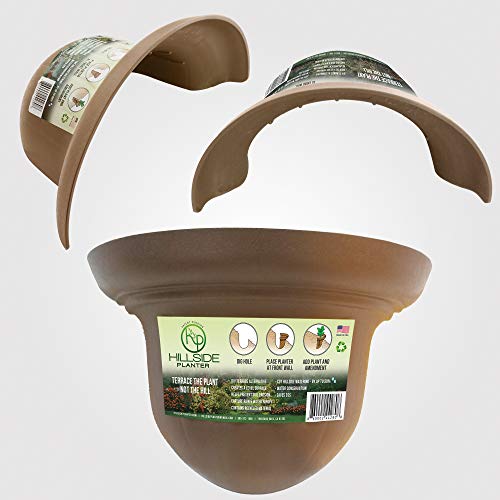
TRANSFORM SLOPES INTO PLANTABLE GARDEN SPACE – Designed specifically for hillsides and sloped landscapes, the Hillside Planter creates a stable, level planting pocket so you can successfully grow flowers, herbs, vegetables, and shrubs where traditional planting fails.

Flexible Slope Adaptation: these hillside planters feature a bendable metal design that conforms to slopes from 10° to 24°; The adjustable panels create instant terrace-style planters without professional tools, making them ideal for DIY gardeners with uneven terrain. This product is made of metal and has relatively sharp edges. Please be careful when unpacking, taking out and using it. It is recommended to wear gloves to avoid scratches
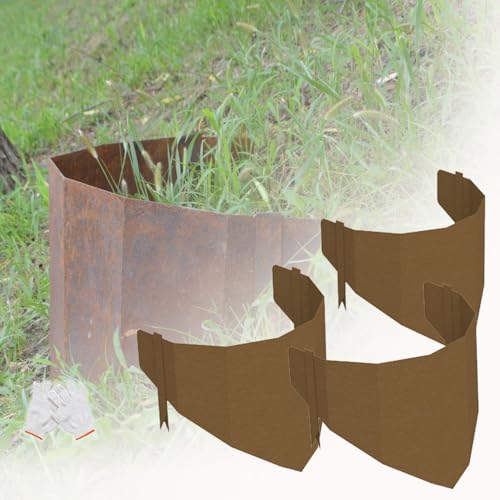
✅ Perfect Size & Easy Installation Each MerxCompro hillside planter measures 40" W x 18" H and comes in a set of 3 with 6 heavy-duty stakes. Designed for quick installation and secure placement on sloped terrain, it’s perfect for any hillside garden layout.
Effective Layout Strategies
- Create Terraces: Build terraces to reduce slope steepness and create flat planting areas. Use stones, timber, or native plants to stabilize the soil.
- Use Contour Gardening: Follow the natural lines of the slope by planting along contours. This method slows down water runoff and encourages moisture retention.
- Incorporate Pathways: Install winding pathways for easy access. Materials like gravel or mulch help with drainage and provide a casual, inviting look.
- Implement Raised Beds: Construct raised beds to improve soil quality and heighten visibility. Raised beds also offer better control over soil composition and drainage.
- Focal Points: Position larger plants or structures, like benches or sculptures, as focal points. This enhances visual interest and draws the eye upward along the slope.
- Opt for Native Species: Choose plants native to your region. They’re well-equipped to handle local weather and soil conditions, promoting sustainability.
- Use Ground Covers: Plant ground cover species, like creeping thyme or sedum, to minimize soil erosion. They protect the soil while providing attractive greenery.
- Consider Deep-Rooted Plants: Select deeper-rooted plants, such as lavender or ornamental grasses, to stabilize the soil. Their root systems help hold the earth in place.
- Choose Drought-Tolerant Varieties: Find drought-tolerant plants for areas that receive less moisture. Options include succulents or desert perennials, which thrive in less fertile conditions.
- Group Plants by Water Needs: Group plants with similar water needs for efficient irrigation. This method prevents overwatering or underwatering, ensuring plant health.
By focusing on layout strategies and suitable plants, you can create a thriving hillside garden that showcases beauty while effectively managing the terrain.
Erosion Control Techniques
Erosion control techniques are essential for maintaining a stable and productive garden on a hillside. Implementing effective strategies prevents soil loss and encourages healthy plant growth.
Recommended Products

Adjustable Slope Planters: You will receive 20 pcs of spliceable plant rings, each measures 6.1in/15.5cm in length and 5.5in/14cm in height. You can form different sizes slope planters according to your needs and free to tailor the length to suit your gardening requirements

Effortless Hillside Planting: engineered for planting on sloped and uneven ground that conforms to slopes from 10°to 24°, these innovative hillside planters create terraces that hold soil firmly in place; These planters make hill planting safer, more stable, and visually appealing, suitable for homeowners struggling with erosion

Innovative Slope Gardening: Transform challenging slopes into vibrant gardens with our Corten Steel Hillside Planter. Its mini-terrace design prevents soil erosion, making it effortless to cultivate flowers, shrubs, or trees on inclined surfaces
Terracing Methods
Terracing involves creating flat areas on a slope to reduce runoff and soil erosion.
- Define Your Contours: Start by determining the natural contours of the slope. Use stakes and strings to outline where the terraces will go.
- Grade the Terrace: Excavate flat sections, ensuring they are wide enough to support plants and allow for water retention.
- Build Walls: Consider using stones, timber, or landscaping blocks to hold the soil in place. Ensure walls are sturdy and properly aligned.
- Soil Preparation: Enrich the soil with compost and organic matter before planting. This practice helps retain moisture and nutrients.
- Plant Strategically: Choose plants that thrive in terrace conditions. Consider deep-rooted species for better soil stabilization.
Ground Cover Solutions
Ground covers protect soil by reducing erosion and maintaining moisture levels.
- Select the Right Species: Choose native ground covers that adapt well to your climate. Plants like creeping thyme or sedum work effectively on slopes.
- Plant Density: Space your plants closely to ensure full coverage. This practice minimizes exposed soil that is prone to erosion.
- Mulching: Apply a layer of organic mulch around ground cover plants. This layer prevents soil erosion and retains moisture.
- Regular Maintenance: Keep the area free of weeds and debris. Regularly check for any signs of erosion and address them promptly.
Incorporating these erosion control techniques into your hillside garden creates a sustainable environment while enhancing the overall aesthetic.
Maintenance Tips for Hillside Gardens
Maintaining a hillside garden requires strategic approaches to ensure healthy plants and minimize erosion. Here are essential tips for effective upkeep.
Watering Strategies
Watering a hillside garden calls for careful consideration. Focus on deep watering sessions to encourage root growth. Use soaker hoses or drip irrigation systems to efficiently direct moisture to the root zones of your plants.
- Water deeply: Aim for at least 1 inch of water per week, adjusting based on rainfall.
- Water in the morning: This minimizes evaporation and fungal diseases.
- Create retention areas: Use swales or small basins to capture and slow down water flow, allowing adequate absorption.
- Monitor soil moisture: Check moisture levels regularly using a soil moisture meter.
Weeding and Pruning
Weeding and pruning help maintain plant health and garden aesthetics. Establishing a regular schedule supports a vibrant hillside garden.
- Weed weekly: Pull weeds by hand or use mulch to suppress growth. Mulch also retains moisture and adds organic matter.
- Prune dead or overgrown plants: Trim back plants in late winter or early spring to promote healthy growth and improve airflow.
- Use proper tools: Employ sharp pruners or shears for clean cuts, reducing the risk of disease transmission.
- Monitor for pests: Inspect plants regularly for signs of infestation. Remove affected leaves promptly to prevent spread.
Incorporate these maintenance strategies into your routine. This keeps your hillside garden thriving, reducing erosion risks and enhancing visual appeal.
Conclusion
Creating a garden on a hillside can be a rewarding journey filled with beauty and sustainability. As you embrace the unique challenges of sloped gardening you’ll discover the joy of watching your plants thrive in their natural environment.
With the right planning and care you can transform your hillside into a vibrant oasis. Remember to assess your soil choose suitable plants and implement effective erosion control techniques. By nurturing your garden and adapting to its needs you’ll not only enhance your landscape but also contribute to the health of your local ecosystem.
So grab your gardening tools and get started on your hillside adventure. Your garden awaits!
Frequently Asked Questions
What are the main challenges of gardening on a sloped yard?
Gardening on a sloped yard presents challenges such as erosion, water management, access issues, and selecting suitable plants. Erosion can wash away soil and nutrients, while managing excess water run-off is crucial for plant health. Choosing the right plants adapted to your unique hillside conditions is essential for success.
What are the benefits of hillside gardening?
Hillside gardening offers several benefits, including natural erosion control, improved drainage, and the creation of microclimates for diverse plant life. It also enhances visibility and aesthetics, allowing for beautiful displays that highlight the garden’s features.
How can I prepare my sloped yard for gardening?
Start by assessing the soil quality, testing pH levels, and examining soil texture. Enrich the soil with organic matter to create a nutrient-dense environment. Choose planting locations based on sunlight and drainage, and consider using terraces or raised beds to manage steep slopes effectively.
What design strategies should I use for a hillside garden?
Effective design strategies include creating terraces to reduce slope steepness, using contour gardening to slow water runoff, and incorporating pathways for accessibility. Positioning focal points enhances visual interest while ensuring that plan layouts complement the natural landscape.
Which plants are best for a sloped garden?
Opt for native species that thrive in your local climate, deep-rooted plants for stability, and drought-tolerant varieties for drier areas. Ground covers can minimize soil erosion, and grouping plants based on their water needs simplifies irrigation.
How can I control erosion in a hillside garden?
Erosion control techniques include terracing, defining contours, building soil-retaining walls, and using deep-rooted species for stabilization. Employ ground cover plants for additional protection, practice proper plant density, and utilize mulch to retain moisture while ensuring ongoing maintenance.
What maintenance tips are essential for hillside gardens?
Regular maintenance is crucial for healthy hillside gardens. Implement deep watering techniques, use soaker hoses or drip irrigation, and create areas to capture extra water. Additionally, monitor for pests, weed weekly, and prune plants in a timely manner to maintain aesthetics and plant health.

My interest in trees started when I first saw the giant sequoias in Yosemite.I was a teenager then, and I remember thinking, “I need to learn more about this.”That moment stuck with me.A few years later, I went on to study forestry at Michigan Tech.
Since graduating, I’ve worked in a mix of hands-on tree care and community education.I’ve spent over ten years helping people understand how to plant, maintain, and protect the trees in their neighborhoods.I don’t see trees as just part of the landscape.They are living things that make a real difference in our daily lives.