Have you ever looked at a bare wall and thought it could use a little life? A wall garden can transform that dull space into a vibrant oasis, perfect for adding greenery to your home or outdoor area. Whether you live in a small apartment or a house with limited yard space, growing a wall garden is a fantastic way to maximize your gardening potential.
Key Takeaways
- Space Optimization: Wall gardens effectively utilize minimal ground space, making them ideal for small living areas or urban environments.
- Aesthetic Appeal: They enhance the visual beauty of dull walls, transforming spaces into vibrant and lush retreats.
- Plant Selection: Choosing the right plants based on sunlight, water needs, and growth habits is crucial for a thriving wall garden.
- Structural Support: Building a resilient framework with appropriate materials (like trellises and wall planters) is key to supporting plant growth and ensuring easy maintenance.
- Routine Care: Regular watering, fertilization, pruning, and pest management are essential for maintaining plant health and garden vitality.
- Challenge Management: Address common issues like pests and diseases promptly to keep your wall garden flourishing year-round.
Understanding Wall Gardens
Wall gardens offer a unique way to bring greenery into your living spaces. These vertical gardens can thrive in various settings and provide a stunning visual appeal.
What Is a Wall Garden?
A wall garden, often referred to as a vertical garden, consists of plants grown on vertical structures. These structures can include trellises, fences, or even specially designed panels. Wall gardens utilize minimal ground space and can feature a variety of plants, from herbs to flowering vines. You can create a wall garden indoors or outdoors, making it a versatile option for adding greenery to any environment.
Benefits of Growing a Wall Garden
Growing a wall garden presents numerous advantages:
- Space-Saving: Wall gardens occupy less floor space, ideal for apartments or small backyards. This makes them perfect for urban living.
- Improved Aesthetics: A wall garden beautifies dull walls with vibrant plant life, transforming your home or garden into a lush retreat.
- Enhanced Air Quality: Plants help purify the air by absorbing carbon dioxide and releasing oxygen. Even small wall gardens can contribute to improved indoor air quality.
- Increased Privacy: A dense wall garden can act as a natural privacy screen, shielding your home from prying eyes.
- Easier Maintenance: Vertical gardens can reduce the potential for pests compared to traditional garden beds. Higher planting arrangements may also minimize damage from ground insects.
By integrating a wall garden into your space, you enjoy all these benefits while creating an eye-catching living wall. Ensure to select suitable plants based on your climate and the wall’s exposure to sunlight for optimal growth.
Choosing the Right Location
Selecting the right location for your wall garden is vital for its success. You’ll need to consider sunlight, wind protection, and access to water to ensure your plants thrive.
Sunlight Requirements
Evaluate how much sunlight your wall garden receives throughout the day. Most plants require at least 6 hours of direct sunlight daily. If your wall faces south or west, it typically receives more sun. For walls that receive partial sunlight, opt for shade-tolerant plants like ferns or certain herbs. If the area gets too much sun, consider using shade cloth or placing taller plants in front to protect shorter ones from harsh rays.
Protection from Wind and Weather
Identify how exposure to wind and weather can affect your wall garden. Strong winds may damage fragile plants while heavy rainfall can lead to soil erosion. Choose a location sheltered from prevailing winds, like a wall near your home or a fence. If your space is exposed, consider installing windbreaks or trellises to help buffer the plants. When selecting plants, consider their hardiness to withstand local weather conditions, ensuring they can thrive in your specific environment.
Selecting the Right Plants
Choosing the right plants is vital for your wall garden’s success. Consider your space’s climate, light exposure, and maintenance level. These factors help determine the best options for your unique setup.
Recommended Products
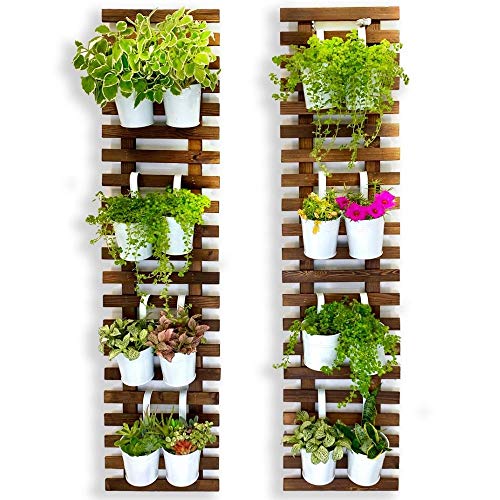
29x120cm (11.4" x 47.2") x 2 pcs. Plants, flowers, pots, decorations are NOT included
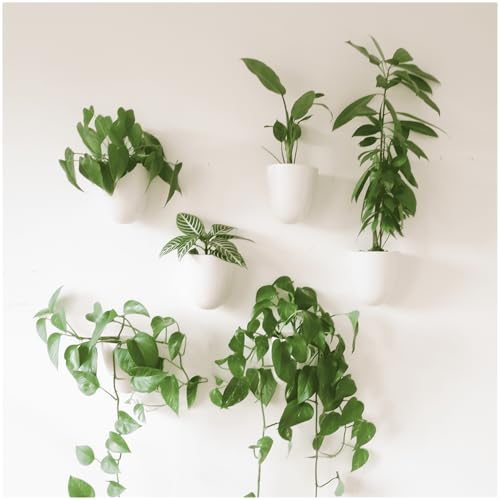
Self-watering system means you can often go weeks without watering plants

【36 Pocket Vertical Garden】Features 36 individual planting pockets, allowing you to grow herbs, flowers, succulents, strawberries, vegetables, and other plants while maximizing vertical space.
Best Plants for Wall Gardens
- Succulents – These plants thrive in direct sunlight and require minimal watering. Varieties like Echeveria and Sedum work well in dry conditions.
- Herbs – Basil, thyme, and parsley grow well vertically. They prefer sunlight and offer culinary benefits, making them practical choices.
- Ferns – Varieties such as Boston and Maidenhair ferns excel in shady areas. They add lush greenery and texture to your wall garden.
- Flowering Vines – Plants like clematis and jasmine can enhance aesthetics. They require support for climbing and bloom beautifully with adequate light.
- Ornamental Grasses – Plants like Blue Fescue and Liriope provide movement and color. They thrive in full sun or partial shade.
Choose plants that not only fit your environment but also your aesthetic preferences. Mixing textures and colors creates a visually appealing wall garden.
- Sunlight Needs – Pair plants with similar sunlight requirements. Group shade-loving plants together and do the same for sun-loving varieties.
- Watering Needs – Combine plants with comparable water requirements to simplify care. Group drought-tolerant plants to avoid overwatering.
- Growth Habits – Consider the growth patterns of your plants. Taller plants can anchor the design, while trailing varieties soften edges and fill gaps.
- Color and Texture – Aim for a balanced look by mixing colors and textures. Select contrasting or complementary plants to create visual interest.
By carefully selecting plants and pairing them based on their requirements, you ensure a thriving wall garden that remains beautiful and easy to maintain.
Building the Structure
Building a sturdy structure is essential for a successful wall garden. The right framework supports your plants while ensuring easy access for maintenance.
Recommended Products

Vertical Wall Planter: Mounts on a fence, a deck rail or an exterior wall and stacks 3 planting shelves into the footprint of a single pot, so a balcony or small patio gains a plant wall without losing floor space

【You will get】Size: 11.4"W x 15.7"H (2 Pcs)丨(Plants, flowers, pots & decor not included.) Material & Color: Premium solid wood (no particle board), carbonized for a rich dark brown finish, enhanced durability, and striking natural grain.

50-Piece Anchors Only Refill Pack For Trellis, Wall Climb Plants, Vine and Lighting Strip,
Materials Needed
- Trellis: Wood, metal, or plastic options provide support for climbing plants.
- Wall Planters: Choose vertical planters, pocket systems, or panels suitable for your wall space.
- Mounting Hardware: Use anchors, screws, or brackets to secure planters or trellises to the wall.
- Soil: Select a lightweight potting mix that retains moisture while allowing drainage.
- Plants: Gather your chosen plants based on sunlight and climate requirements.
- Layering: Create depth by arranging planters at varying heights. This method enhances visual interest and allows plants of different sizes to thrive.
- Color Coordination: Select plants with complementary colors for a vibrant look. For instance, mix purple petunias with green herbs for a lively display.
- Theme-based Designs: Consider a herb wall for culinary use or a flower wall for aesthetics. This approach adds purpose to your garden.
- Integrated Lighting: Use solar or LED lights to accentuate the garden during evenings. This enhancement adds charm and allows night enjoyment.
- Functional Features: Incorporate shelves for pots or decorative elements like birdhouses. These additions enrich your wall garden’s overall appeal.
By carefully selecting materials and design elements, you can create a beautiful and functional wall garden that transforms your space into a vibrant green sanctuary.
Planting and Maintenance
Planting and maintaining a wall garden requires attention to detail, ensuring your plants thrive in their vertical environment. Follow these practical steps for a successful wall garden experience.
Recommended Products
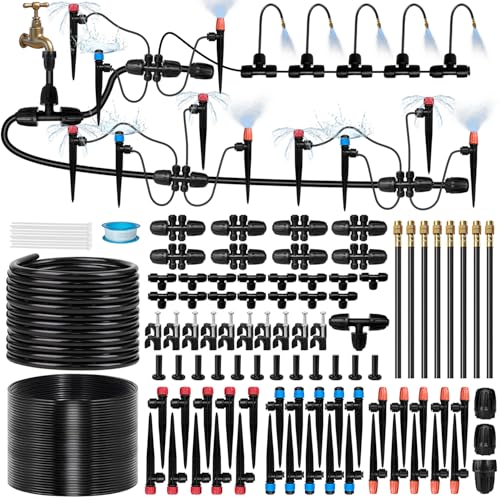
【Upgraded Tube Design & Water Saving】 Our garden watering system is upgraded to 1/2” diameter to support high water pressure. The 1/2” tee connector allows seamless splitting into 2 independent zones for customized watering schedules. By delivering moisture directly to root zones, this drip Irrigation system significantly reduces evaporation and runoff—saving more water compared to conventional sprinklers while eliminating the need for manual watering.

✔Comprehensive Drip Irrigation Kit:MIXC drip irrigation system, equipped with a versatile range of components, caters to all your garden watering needs.Includes essential parts such as 197ft 1/4'' irrigation tube, 33ft 1/2'' irrigation tube, 1/2‘’ Lock Barbed Tee connectors, drip emitter streams, vortex emitters, Blue Mist Nozzles, Quick connection tees, Faucet Connector, and more.

【Upgraded Tube Design & Water Saving】 Our adjustable garden watering system is upgraded to 1/2” diameter to support high water pressure. The 1/2” tee connector in the package so you can easily set up 2 drip irrigation systems as needed. Garden watering systems minimize stage water loss by recharging water directly to plant roots. While traditional irrigation often results in wasted water, this drip irrigation system saves up to 70% of water, no need for manual watering, saves water.
How to Plant in a Wall Garden
- Choose the Right Time: Plant during spring or early fall for optimal growth. Soil temperatures and weather conditions favor new roots.
- Prepare Your Soil: Mix lightweight potting soil with compost to improve drainage and nutrient content. Soil should be moist but not soggy.
- Install Your Planters or Trellis: Securely attach wall planters or trellises to your wall. Ensure they can support the weight of soil and plants.
- Arrange Your Plants: Start from the bottom and work your way up. Arrange taller plants at the back, shorter ones at the front.
- Insert Plants: Carefully remove plants from their containers and position them in the soil. Ensure roots spread out and are covered without air pockets.
- Water Thoroughly: After planting, water each plant well until the excess drains out. Keep the soil moist during the first few weeks to help roots establish.
- Water Regularly: Monitor soil moisture levels, watering when the top inch feels dry. Use a drip irrigation system for consistent moisture.
- Fertilize Occasionally: Apply a balanced, slow-release fertilizer every 4-6 weeks during the growing season. Adjust based on plant needs.
- Prune Plants: Regularly trim back overgrown vines or foliage to promote healthy growth and maintain appearance. Remove dead or diseased leaves promptly.
- Check for Pests: Inspect plants weekly for pests. Treat infestations with organic insecticides or neem oil if necessary.
- Adjust Lighting: Ensure your wall garden receives adequate sunlight. If plants struggle, consider moving them or using grow lights to supplement natural light.
- Seasonal Maintenance: Prepare for harsh seasons by protecting plants from extreme temperatures. Use frost cloths, shade covers, or relocate tender plants if needed.
Implementing these planting and maintenance strategies enables your wall garden to flourish, providing beauty and benefits all year long.
Common Challenges and Solutions
Creating a wall garden can be rewarding, but you may encounter challenges. Here’s how to tackle some common issues.
Pest Management
Pests can undermine your wall garden’s health. To effectively manage pests, consider these steps:
- Regular Inspections: Check for signs of pests like aphids, spider mites, or whiteflies on your plants weekly.
- Natural Deterrents: Use neem oil or insecticidal soap as natural pesticides for effective control of pests.
- Beneficial Insects: Introduce ladybugs or predatory wasps, which feed on common pests.
- Companion Planting: Pair pest-repelling plants, like marigolds, with more susceptible crops to naturally deter pests.
Dealing with Plant Diseases
Diseases can quickly spread in wall gardens if left unchecked. Follow these tips to maintain healthy plants:
- Plant Selection: Choose disease-resistant varieties suited to your climate.
- Proper Spacing: Space plants to allow for air circulation. Overcrowding increases humidity and fosters disease.
- Watering Practices: Water plants at the base instead of overhead to prevent moisture on the leaves, reducing the risk of fungal diseases.
- Regular Maintenance: Remove dead or diseased leaves promptly to prevent disease spread. Dispose of them away from your garden.
By addressing pest and disease challenges proactively, your wall garden can stay vibrant and flourishing.
Conclusion
Creating a wall garden can truly transform your space into a lush retreat. With the right plants and a sturdy structure your vertical garden can thrive and bring joy to your home or yard.
Remember to choose plants that suit your environment and keep an eye on their needs. Regular maintenance will ensure your garden stays healthy and vibrant.
Don’t shy away from experimenting with design and plant combinations. With a little creativity and care your wall garden can become a stunning focal point that enhances your life. Enjoy the process and watch your green oasis flourish!
Frequently Asked Questions
What is a wall garden?
A wall garden, also known as a vertical garden, is a structure that allows plants to grow on vertical surfaces such as walls, trellises, or specially designed panels. It enhances the aesthetics of both indoor and outdoor spaces, making it ideal for small areas.
What are the benefits of wall gardens?
Wall gardens save space, improve aesthetics, enhance air quality, provide privacy, and are relatively easy to maintain. They transform bare walls into vibrant living spaces while allowing you to enjoy greenery even in limited areas.
How do I choose the right location for my wall garden?
When selecting a location, consider sunlight exposure, wind protection, and access to water. Most plants require at least 6 hours of sunlight. Evaluate the wall’s exposure to sun and wind to ensure a thriving wall garden.
What types of plants are suitable for wall gardens?
Suitable plants include succulents, herbs, ferns, flowering vines, and ornamental grasses. Choose plants based on your climate, light conditions, and maintenance level. Group them according to their sunlight and watering needs for optimal growth.
How do I build a wall garden structure?
Start by selecting sturdy materials like trellises, wall planters, and lightweight potting soil. Use mounting hardware to secure the structure. Incorporate design elements such as varying planter heights and colors to create visual interest.
What are the maintenance tips for a wall garden?
Regularly water and fertilize your plants, check for pests, and prune as needed. Plant during spring or early fall, and use lightweight potting mix. Follow seasonal maintenance tips to protect your garden from extreme weather.
How can I manage pests and plant diseases in a wall garden?
To manage pests, perform regular checks, use natural deterrents like neem oil, and encourage beneficial insects. For diseases, select disease-resistant varieties, ensure proper plant spacing, and maintain careful watering practices.

My interest in trees started when I first saw the giant sequoias in Yosemite.I was a teenager then, and I remember thinking, “I need to learn more about this.”That moment stuck with me.A few years later, I went on to study forestry at Michigan Tech.
Since graduating, I’ve worked in a mix of hands-on tree care and community education.I’ve spent over ten years helping people understand how to plant, maintain, and protect the trees in their neighborhoods.I don’t see trees as just part of the landscape.They are living things that make a real difference in our daily lives.