Are weeds taking over your vegetable garden? You’re not alone. Many gardeners struggle with unwanted plants that compete for nutrients and water. Installing landscape fabric can be a game-changer, making it easier to keep your garden healthy and thriving.
Key Takeaways
- Weed Suppression: Landscape fabric effectively reduces weed growth, allowing your vegetables to access essential nutrients, sunlight, and water without competition.
- Soil Health Improvement: It enables water and air penetration, prevents soil erosion, and maintains consistent soil temperatures, fostering optimal conditions for root development.
- Reduced Maintenance: Utilizing landscape fabric minimizes the time spent on weeding, allowing you to focus on other important gardening tasks.
- Proper Installation Steps: Follow specific measures like cutting the fabric accurately, laying it flat without wrinkles, and securing it with landscape staples to ensure maximum effectiveness.
- Regular Maintenance: Conduct routine checks for damage, perform seasonal cleaning, and refresh mulch to maintain the performance of landscape fabric in your garden.
- Choosing the Right Fabric: Understand the differences between woven and non-woven fabrics, as well as thickness and durability, to select the best option for your specific gardening needs.
Importance Of Landscape Fabric In Vegetable Gardening
Landscape fabric plays a crucial role in maintaining a vegetable garden. It serves as a barrier against weeds, significantly reducing their growth. By limiting weed competition, your vegetables get better access to vital nutrients, sunlight, and water.
Landscape fabric promotes improved soil health. It allows water and air to penetrate while preventing soil erosion. Additionally, it helps maintain consistent soil temperatures, creating an ideal environment for root development.
Another benefit is reduced maintenance time. You spend less time weeding, meaning you can focus on other gardening tasks. This efficiency means you can spend more time enjoying your garden rather than laboring in it.
Landscape fabric adds structure to your garden layout. It helps you determine planting areas without disrupting soil. This organized approach allows for better crop rotation and planning for future seasons.
Lastly, landscape fabric can extend your growing season. By warming the soil earlier in spring, it supports earlier planting. This can lead to healthier plants and potentially larger yields.
Preparing Your Garden Bed
Preparing your garden bed sets the foundation for successful vegetable growing. By following these steps, you ensure a well-prepped space for landscape fabric installation.
Recommended Products
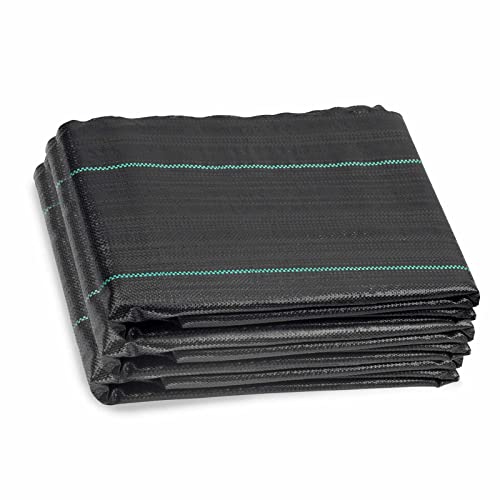
Weed Blocking Landscape Fabric:Groweco Heavy Duty Weed Barrier Fabric is made of 3.2 oz polypropylene.The use of weeding cloth can provide weed protection for you,make your workplace clean and hygienic,make your work more comfortable and improve your work effciency

Landscape Fabric with Visual Planting Grid:Our 13.4''x13.4'' (34cm) grid lines serve as your planting ruler, create properly spaced vegetable beds and gardens faster, say goodbye to crooked rows or tape measure struggles
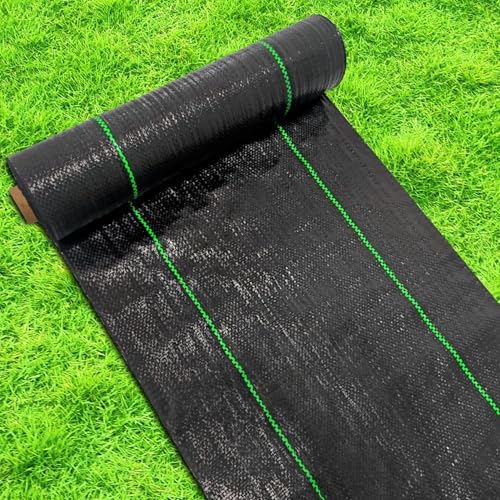
Weed Blocking Landscape Fabric:Groweco Heavy Duty Weed Barrier Fabric is made of 3.2 oz polypropylene.The use of weeding cloth can provide weed protection for you,make your workplace clean and hygienic,make your work more comfortable and improve your work effciency
Choosing The Right Location
Choose a sunny spot for your vegetable garden. Most vegetables need at least 6 to 8 hours of sunlight daily. Look for an area with good drainage so water doesn’t pool, which helps prevent root rot. Avoid low spots where cold air settles, which can damage young plants. You can use a shovel to check the soil; if it’s dry and crumbly, it’s a good sign.
Clearing The Area
Clear the chosen area of weeds, rocks, and debris. Start by removing any existing weeds by hand or with a hoe to ensure no roots remain. Next, rake the soil to gather rocks and sticks. Tilling the soil helps break up clumps and aerate it, preparing it for the fabric. Aim for a depth of at least 12 inches, which facilitates healthy root growth for your vegetables. Once cleared, level the soil with a rake to create an even surface for the landscape fabric.
Types Of Landscape Fabric
When choosing landscape fabric for your vegetable garden, understanding different types and their properties helps ensure you make the right choice. Two main categories of landscape fabric exist: woven and non-woven.
Recommended Products

MEDIUM DUTY – 4 Ounce Heavy Duty Geotextile – Don’t settle for lighter weights, the 4 ounce is tough and durable, non-woven fabrics are produced to be high-strength

WHAT'S IN THE BOX: One 3 ft x 50 ft non-woven roll covering 150 sq ft, plus 20 steel landscape pins

Professional Grade Weed Barrier: LAVEVE weed barrier fabric is made of woven polypropylene material. Its high-density and permeable characteristics effectively stop weed growth and protect soil health so your plants can grow well.
Woven Vs. Non-Woven Fabric
- Woven Fabric: Woven landscape fabric is made from interlocking strands of polypropylene or polyethylene. This type provides excellent durability and airflow while allowing water and nutrients to penetrate the soil. Ideal for areas with heavy foot traffic, its design effectively suppresses weeds without trapping moisture under the fabric.
- Non-Woven Fabric: Non-woven fabric consists of bonded fibers, often made from polyester or polypropylene. This material is less durable than woven options but is effective at allowing water to pass through while preventing weed growth. It’s suitable for more temporary applications or gardens that require soil conservation.
- Thickness: Landscape fabric varies in thickness, typically ranging from 3 to 6 ounces per square yard. Thicker options usually provide greater durability and weed suppression, often ideal for long-term installations. Those around 3 ounces serve well for shorter-term projects.
- Durability: The longevity of landscape fabric depends on the material and its exposure to sunlight, moisture, and soil conditions. Woven fabrics tend to last longer than non-woven types. Look for UV-resistant options if your garden receives direct sunlight to ensure your fabric maintains its integrity over time.
By considering both the type and thickness, you can select the most suitable landscape fabric to enhance your vegetable garden’s health and productivity.
Steps To Install Landscape Fabric
Installing landscape fabric correctly maximizes its benefits in your vegetable garden. Follow these steps to ensure effective weed control and optimal growing conditions for your plants.
Recommended Products

Secure Landscape Fabric and Weed Barriers with Confidence: Keep landscape fabric, weed barriers, ground cover, garden netting, and erosion control materials firmly anchored to the soil. The 6-inch length provides a stronger hold than shorter staples, helping prevent lifting, shifting, or movement caused by wind, rain, watering, pets, or routine yard maintenance. Ideal for both new landscaping installations and seasonal garden projects.

Package Contains - The quantity of our 12 Gauge landscape staples is 100 in a pack,the staples are 4 inches long.Our heavy duty landscape staples are great for securing landscape fabric ,weed barriers and so on.

8 GAUGE (4.0MM) EXTRA THICK – 50% THICKER THAN STANDARD 11-GAUGE: Built from 4.0mm heavy-duty galvanized steel vs. ordinary 3.0mm 11-gauge staples. Penetrates hard clay, rocky, and compacted soil effortlessly without bending or warping. Trusted by landscaping professionals for projects that demand reliable, long-lasting anchoring power
Measuring And Cutting The Fabric
- Measure Your Garden Area: Use a measuring tape to determine the width and length of the garden beds where you plan to install the fabric.
- Calculate Fabric Needed: Record your measurements, multiplying the width by the length to find the total square footage.
- Cut The Fabric: Unroll the landscape fabric on a flat surface, then cut it to fit your measurements. Leave extra fabric around the edges to secure it properly, allowing 6-12 inches of overhang if possible.
Laying The Fabric Correctly
- Clear The Area: Ensure the area is free from debris, rocks, and roots after preparing your garden bed.
- Position The Fabric: Lay the cut fabric over the prepared soil, ensuring even placement. Avoid wrinkles or folds, as these can create spaces for weeds to grow through.
- Align Fabric With Beds: Center the fabric over your garden beds. If planting rows, consider leaving openings for your vegetable plants by cutting X-shaped slits in the fabric, allowing easy access for planting.
- Use Landscape Staples: Place landscape staples every 1-3 feet along the edges and in the center of the fabric to keep it securely anchored.
- Overlap Peices: If multiple pieces of fabric are used, overlap the edges by 6-12 inches and secure them with staples to prevent gaps.
- Add Mulch: To further secure the fabric and enhance its weed-reducing effects, layer mulch or gravel on top. A depth of 2-3 inches works well, as it helps retain moisture while suppressing weeds.
Following these steps ensures effective installation of landscape fabric, providing your vegetable garden with a solid foundation for healthy growth while minimizing weed competition.
Maintenance Tips For Landscape Fabric
Maintaining landscape fabric in your vegetable garden ensures it continually serves its purpose effectively. Here are some key areas to focus on.
Regular Checks And Repairs
Regularly inspect your landscape fabric for tears or damage. Look for any sections that may have become loose or shifted. If you find any rips, patch them up with fabric tape or replace the damaged sections. Secure any loose fabric with additional staples to prevent weeds from sneaking through. Keeping a close eye on your landscape fabric helps maintain its integrity and effectiveness over time.
Seasonal Cleaning
Seasonal cleaning helps maintain the functionality of your landscape fabric. Remove debris, fallen leaves, and plant residues from the surface. These materials can create a habitat for pests or encourage unwanted seed growth. Rake the area gently to ensure the fabric remains visible and unobstructed. Additionally, consider applying a fresh layer of mulch each season to enhance weed suppression and moisture retention. This practice keeps your garden tidy and promotes a healthier growing environment.
Conclusion
Installing landscape fabric in your vegetable garden can be a game changer. It not only helps keep those pesky weeds at bay but also supports your plants by improving soil health and allowing better access to nutrients and water.
By following the steps outlined in this guide you can create a thriving garden space with less maintenance. Don’t forget to check on your fabric regularly and keep it clean to ensure it continues to work its magic.
With a little effort upfront you’ll be rewarded with healthier plants and a more enjoyable gardening experience. Happy gardening!
Frequently Asked Questions
What are the benefits of using landscape fabric in vegetable gardens?
Using landscape fabric helps suppress weeds, allowing vegetables access to nutrients, sunlight, and water. It promotes soil health by enhancing water and air penetration, preventing erosion, and maintaining consistent temperatures. Additionally, it reduces maintenance time, facilitates better garden planning, and can extend the growing season for healthier plants and larger yields.
How do I prepare my garden bed before installing landscape fabric?
To prepare your garden bed, choose a sunny location with good drainage. Clear the area of weeds, rocks, and debris, ensuring no roots remain. Till the soil to a depth of at least 12 inches for healthy root growth, then level the surface to create an even area for landscape fabric installation.
What types of landscape fabric are available for vegetable gardens?
There are mainly two types of landscape fabric: woven and non-woven. Woven fabric is durable, allows airflow, and is great for high-traffic areas, while non-woven fabric is less durable but effective for weed prevention in temporary applications. Choosing the right type depends on your specific garden needs.
How thick should landscape fabric be for vegetable gardens?
Thicker landscape fabric generally offers better durability and weed suppression. The appropriate thickness depends on the material quality and the level of environmental exposure. Selecting the right thickness can significantly enhance your garden’s health and productivity.
What steps should I follow to install landscape fabric correctly?
To install landscape fabric, first measure and cut the fabric to fit your garden beds, leaving extra for anchoring. Clear the area of debris, lay the fabric evenly to avoid wrinkles, and secure it with landscape staples. Adding mulch or gravel on top will improve its effectiveness against weeds and moisture retention.
How can I maintain landscape fabric for long-term effectiveness?
To maintain landscape fabric, regularly inspect it for tears or damage and patch any rips. Seasonal cleaning is essential, including removing debris and fallen leaves. Raking gently and applying a fresh layer of mulch each season will help keep your garden tidy and promote a healthier growing environment.

My interest in trees started when I first saw the giant sequoias in Yosemite.I was a teenager then, and I remember thinking, “I need to learn more about this.”That moment stuck with me.A few years later, I went on to study forestry at Michigan Tech.
Since graduating, I’ve worked in a mix of hands-on tree care and community education.I’ve spent over ten years helping people understand how to plant, maintain, and protect the trees in their neighborhoods.I don’t see trees as just part of the landscape.They are living things that make a real difference in our daily lives.