Have you ever dreamed of picking fresh grapes right from your own garden? If you’re short on space but big on ambition, you’re in luck. Growing grapes in a small garden is not only possible, but it can also be incredibly rewarding.
Key Takeaways
- Space Assessment: Ensure at least six hours of sunlight for healthy grape growth; use vertical gardening techniques to maximize limited space.
- Soil Preparation: Test and amend soil pH (ideally between 6.0 and 7.0) and improve drainage with organic matter for optimal grapevine health.
- Grape Variety Selection: Choose suitable grape types (table vs. wine) based on your climate, space, and intended use; consider seedless for convenience and seeded for flavor.
- Care Routine: Implement regular watering (1-1.5 inches weekly), pruning for structure and productivity, and protective measures against pests and diseases.
- Harvest Timing: Recognize signs of ripeness—color changes, taste testing, and bending stems—to ensure high-quality grapes; harvest carefully to minimize damage.
Understanding Your Garden Space
Assessing your garden space is crucial for successful grape cultivation. Measure the area available for planting grapes. Aim for a spot that receives at least six hours of direct sunlight daily. Sunshine promotes healthy growth and enhances grape flavor.
Identify the type of soil in your garden. Grapes thrive in well-drained, sandy or loamy soil. If your soil is heavy clay, consider mixing in organic matter like compost or peat moss to improve drainage and fertility.
Evaluate the surrounding environment. Ensure your grape plants have access to good airflow. Avoid placing them near large trees or structures that might block sunlight or create excessive shade. Good airflow reduces humidity around the plants, lowering the risk of fungal diseases.
Consider using vertical space in your garden. Installing a trellis or arbor helps maximize your area while promoting better air circulation around the vines. Aim for trellis systems that allow you to manage the grapevines easily and efficiently.
Plan for growth space. Depending on the grape variety, allow about 5 to 8 feet between each plant. This spacing enables healthy growth without overcrowding, which can lead to disease and poor fruit quality.
Check the local climate. Grapes prefer a temperate climate with warm summers and cold winters. If your area experiences extreme temperatures or is prone to frost, select a hardy grape variety suited to your local conditions.
Choosing the Right Grape Variety
Selecting the right grape variety enhances your small garden’s potential. Consider your climate, available space, and intended use of the grapes when making your choice.
Table Grapes vs. Wine Grapes
Table grapes are sweet, juicy, and perfect for snacking. They typically grow in clusters, making them easy to harvest. Common varieties include Concord and Thompson Seedless. Wine grapes, such as Cabernet Sauvignon and Merlot, have thicker skins and higher sugar content, suitable for fermentation. Choose table grapes if you’re looking for fresh eating and wine grapes for winemaking.
Seedless vs. Seeded Grapes
Seedless grapes offer convenience with their smooth texture and ease of eating. Popular seedless options include Flame Seedless and Cotton Candy. Seeded grapes, such as Black Corinth and Red Globe, often have enhanced flavor profiles but require more care when consuming. Opt for seedless varieties if you prefer hassle-free snacking and consider seeded grapes for a richer taste experience.
Preparing the Soil for Planting
Preparing the soil properly sets the foundation for a fruitful grape harvest. Focus on testing pH levels and improving drainage to create the ideal environment for your grapevines.
Testing Soil pH
You should start by measuring the soil pH. Grapes thrive in slightly acidic to neutral soil, generally between 6.0 and 7.0. Use a soil pH test kit, which is available at garden centers or online. Follow the instructions provided to gather samples from various spots in your garden for an accurate reading.
If the pH levels fall outside the ideal range, you can amend the soil. To increase acidity, add sulfur or composted pine needles. To make soil less acidic, incorporate lime. Regular testing every few years helps ensure your soil stays within the optimal range for grape growth.
Improving Soil Drainage
Proper drainage is crucial for grapevines, which don’t tolerate waterlogged conditions. Start by assessing your garden’s natural drainage. If the soil retains excessive moisture, consider these steps:
- Add Organic Matter: Mix in compost, well-rotted manure, or peat moss to boost soil texture and drainage.
- Create Raised Beds: If your garden is prone to flooding, raise the bed with a mix of soil and organic amendments. This elevates the roots above excess moisture.
- Install Drainage Systems: For extreme cases, consider installing drain tiles or French drains to redirect excess water away from your planting area.
You can also use mulch to regulate soil moisture. Apply a 2-3 inch layer of organic mulch around your plants to retain moisture while allowing excess water to drain away.
Planting Techniques for Small Gardens
Planting grapes in a small garden requires some specific techniques. You can maximize space and ensure healthy growth by implementing smart strategies.
Using Containers for Grapes
Using containers makes grape growing feasible in limited space. Choose pots that are at least 5 gallons in size, as they provide adequate room for root development. Select containers made from materials like wood or plastic that offer good insulation.
Use a quality potting mix that drains well and consider adding perlite or vermiculite to improve drainage. Plant one grapevine per container to prevent overcrowding. Water regularly, but avoid letting the soil become soggy. Fertilize with a balanced liquid fertilizer every four to six weeks during the growing season. You can place containers on patios, balconies, or sunny corners to maximize sunlight exposure.
Vertical Gardening Options
Employing vertical gardening techniques helps you take advantage of available space. Install a sturdy trellis against a wall, fence, or other support structures. This method not only saves ground space but also promotes better air circulation around the plants.
Select grape varieties that are known for climbing, such as Concord or Thompson Seedless. Train the vines to grow up the trellis by tying them loosely with garden twine. Regularly prune the vines to control their growth and encourage fruit production.
Consider using arbors or pergolas for an even more decorative approach. These structures can provide additional shade and make your garden a beautiful place to relax. With vertical gardening, you can enjoy a verdant display while growing grapes efficiently in a small garden.
Care and Maintenance of Grape Vines
Caring for grape vines ensures healthy growth and a fruitful harvest. Following a few key practices helps you enjoy vibrant vines and delicious grapes.
Recommended Products

CLEAN CUTS FOR LIVE GROWTH: Bypass blade design is ideal for pruning delicate flower stems and green growth, helping reduce crushing and plant damage while cutting stems and small branches up to 5/8” in diameter
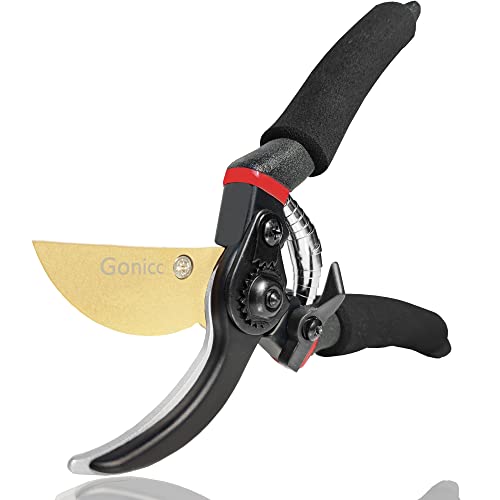
Drop-forged construction delivers exceptional durability and sturdiness for long-term heavy garden use.

Precision 1.75" Curved Blade for Detailed Cutting – Needle-nose curved blade design provides exceptional control for pruning in tight spaces, making it ideal for harvesting grapes, trimming herbs, thinning fruit, and deadheading delicate flowers.
Watering Requirements
Watering grape vines properly supports their growth. Grapes require about 1 to 1.5 inches of water weekly, depending on rainfall and soil conditions. During dry spells, check the soil moisture by digging about an inch down.
- Water deeply but less frequently. This encourages roots to grow deep into the soil.
- Water in the morning to reduce evaporation.
- Apply mulch around the base to retain moisture and regulate soil temperature.
- Adjust the watering schedule based on growth stages; young vines need more water than established ones.
Pruning for Health and Productivity
Pruning grape vines is essential for good air circulation, sunlight penetration, and overall health. Proper pruning techniques maximize grape production.
- Prune in late winter or early spring before new growth begins.
- Remove weak or diseased canes to promote strong growth.
- Cut back last year’s growth to about 6 to 8 buds for better fruiting.
- Train canes along your trellis to shape the vine and maximize space.
- Maintain a balanced structure to support future growth and fruiting.
Adhering to these care and maintenance practices enhances your grape-growing success, ensuring a vibrant and productive garden.
Protecting Grapes from Pests and Diseases
Protecting your grapes from pests and diseases ensures a bountiful harvest. Implementing preventative measures can save your plants from damage.
Common Pests to Watch For
- Spider Mites: Small, spider-like insects that thrive in hot, dry conditions. Check for fine webbing on foliage and yellowing leaves. Spraying with insecticidal soap can control their population.
- Leafhoppers: Tiny, wedge-shaped insects that suck sap from leaves. Their feeding causes leaves to curl and may transmit diseases. Use traps or insecticidal sprays to manage infestations.
- Grape Berry Moth: This pest targets grape clusters, laying eggs that hatch into larvae. Signs include webbing and damaged fruit. Set pheromone traps to catch adults and consult local extension services for treatment options.
- Japanese Beetles: Shiny, green beetles that feed on leaves, petals, and fruit. Handpicking or using traps can help reduce their numbers significantly.
- Choose Resistant Varieties: Select grape varieties that are naturally resistant to diseases common in your area. Research locally recommended cultivars for optimal results.
- Maintain Good Airflow: Increase air circulation by spacing vines properly and pruning excess foliage. Fungal diseases thrive in humid environments, so ensuring airflow can help prevent outbreaks.
- Water Wisely: Avoid overhead watering, which can create moisture on the leaves. Instead, water at the base of the plant early in the day, allowing foliage to dry before evening.
- Apply Protective Sprays: Use fungicides as a preventative measure during rainy seasons or when diseases are prevalent. Follow label instructions carefully for effective application.
- Clean Up Debris: Regularly clear fallen leaves and debris around your plants. This practice reduces the chances of disease spores overwintering in your garden.
Taking these steps helps safeguard your grapevines, allowing you to enjoy a fruitful and thriving small garden.
Harvesting Your Grapes
Harvesting grapes at the right time ensures the best flavor and quality for your small garden. Knowing the signs of ripeness makes this process straightforward and rewarding.
Knowing When to Harvest
Grapes are typically ready to harvest in late summer to early fall, depending on the variety. Check the following indicators to determine ripeness:
- Color: Look for vibrant colors consistent with your grape variety. Green grapes turn yellowish, while red and purple grapes deepen in hue as they ripen.
- Taste: Sample a few grapes. They should taste sweet and flavorful. If they’re still tart, give them more time on the vine.
- Bending the Stem: Gently bend the stem. If it snaps easily, the grapes are ripe. If it’s still flexible, wait a few days.
- Seeds: Inspect the seeds. They should change from green to brownish-black as the grapes mature indicating readiness.
Tips for Picking Grapes
Picking grapes correctly reduces damage and enhances your harvest. Follow these tips for a successful grape harvest:
- Use Shears: Employ clean, sharp garden shears or scissors to cut the stem. This method minimizes bruising and promotes better handling.
- Harvest in the Morning: Grapes are cooler and firmer in the morning. This timing helps reduce the risk of damage during handling.
- Check for Clusters: Look for plump clusters, avoiding shriveled or moldy grapes. Gather only the healthiest portions for the best quality.
- Handle with Care: Place harvested grapes in a soft container. Avoid heavy baskets that can crush lower fruit.
By recognizing when to harvest and following these tips, you can enjoy a fruitful grape yield from your small garden.
Conclusion
Growing grapes in your small garden can be a rewarding experience that brings joy and delicious fruit to your table. With a little planning and care you can create a thriving environment for your grapevines. Remember to choose the right variety for your space and climate and don’t forget about soil preparation and proper maintenance.
By utilizing vertical space and ensuring good airflow you’ll set your grapes up for success. And when the time comes to harvest enjoy the fruits of your labor knowing you’ve nurtured your plants every step of the way. So grab those shears and get ready to savor the sweet rewards of your gardening efforts. Happy grape growing!
Frequently Asked Questions
Can I grow grapes in a small garden?
Yes, you can grow grapes in a small garden! With the right planning and care, including suitable varieties and vertical space management, grape cultivation is both feasible and rewarding.
What sunlight do grape plants need?
Grape plants require at least six hours of direct sunlight daily to thrive. Ensure you choose a sunny spot in your garden for optimal growth.
How do I prepare my soil for grape planting?
Test your soil’s pH, aiming for a level between 6.0 and 7.0. Improve drainage and nutrient content by adding organic matter or creating raised beds before planting.
What grape varieties are best for a small garden?
Consider table grapes for snacking or wine grapes for fermentation. Choose seedless varieties for convenience, or seeded ones for richer flavors, depending on your preferences.
How often should I water my grapevines?
Water grapevines about 1 to 1.5 inches weekly, favoring deep, less frequent watering. Opt for morning watering to reduce evaporation and maintain soil moisture.
When should I prune my grapevines?
Prune your grapevines in late winter or early spring. Focus on removing weak canes and guiding healthy ones along trellises to encourage proper growth.
How can I protect my grapes from pests?
Select disease-resistant varieties, maintain good airflow, and apply protective sprays as needed. Regularly clean up debris to reduce pest habitats and risks.
When is the best time to harvest grapes?
Harvest grapes when they’re ripe, indicated by color, taste, stem flexibility, and seed color. Pick in the morning using clean shears for the best quality.

My interest in trees started when I first saw the giant sequoias in Yosemite.I was a teenager then, and I remember thinking, “I need to learn more about this.”That moment stuck with me.A few years later, I went on to study forestry at Michigan Tech.
Since graduating, I’ve worked in a mix of hands-on tree care and community education.I’ve spent over ten years helping people understand how to plant, maintain, and protect the trees in their neighborhoods.I don’t see trees as just part of the landscape.They are living things that make a real difference in our daily lives.