Have you ever dreamed of growing your own fresh vegetables but don’t have the space for a full garden? A vegetable garden box could be the perfect solution for you. It’s a simple and effective way to cultivate your favorite veggies right in your backyard or even on a patio.
Key Takeaways
- Space Efficiency: Vegetable garden boxes maximize available space, making them ideal for small areas like patios or backyards.
- Controlled Soil Quality: By using nutrient-rich soil, you can create the perfect growing environment for your plants.
- Pest Management: Elevated planting reduces pest issues and simplifies disease management, protecting your crops.
- Increased Yield: Better soil and care lead to higher vegetable yields compared to traditional gardens.
- Accessibility and Flexibility: Garden boxes are easier to maintain and can be relocated to optimize sunlight exposure.
- Essential Materials: Choose untreated wood, a suitable soil mix, and basic tools to construct a successful vegetable garden box.
Benefits Of A Vegetable Garden Box
Creating a vegetable garden box offers several advantages that enhance your gardening experience. Here’s what you gain by choosing this method:
Space Efficiency
Using a garden box maximizes available space. You can fit more plants in a compact area, making it ideal for small yards or patios.
Improved Soil Quality
Garden boxes allow you to control soil quality. You can fill them with nutrient-rich soil, creating an optimal growing environment for vegetables.
Pest Management
Garden boxes elevate your plants, which can deter some pests. You can also easily manage pests and diseases, reducing the risk of damage to your crops.
Increased Yield
With better soil and care, you can expect higher yields. You’ll likely harvest more vegetables than you would from a traditional garden.
Accessibility
Garden boxes are easier to maintain. Their height can reduce back strain, making gardening more enjoyable. You can also plant vegetables that may be difficult to grow in your native soil.
Extended Growing Season
You can extend the growing season with proper placement and care. The soil in garden boxes warms up faster in the spring, allowing for earlier planting.
Aesthetically Pleasing
Garden boxes add visual appeal to your outdoor space. You can customize the design to match your style, enhancing the overall look of your garden.
Flexibility
You can easily relocate garden boxes to find the best sunlight exposure. This flexibility helps optimize growth conditions.
Consider these benefits when deciding to create a vegetable garden box. Each factor contributes to successful gardening and boosts your enjoyment of growing vegetables.
Materials Needed
Creating a vegetable garden box requires specific materials to ensure success. You’ll need the right wood, soil, and tools to get started.
Recommended Products
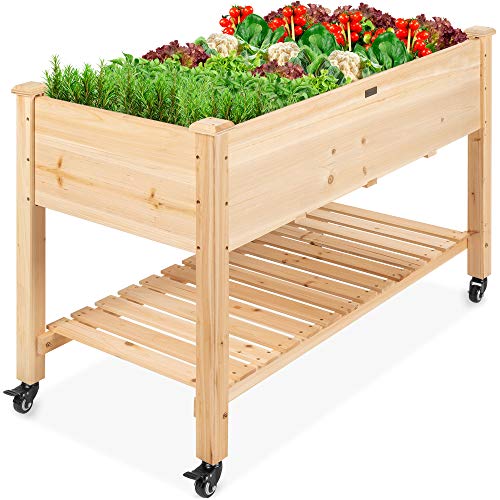
EASY MOBILITY: Built with a set of locking wheels to move the planter from place to place and capture the right amounts of sun and shade

Elevate Your Garden - Opt for a brilliantly engineered raised garden bed to revolutionize your gardening. Its spacious design, measuring 48x24x30 inches, allows for the cultivation of multiple vegetable varieties alongside a plethora of herbs, optimizing your gardening space for ease and diversity.

DEEP PLANTER FOR MAXIMUM YIELD: With 16" of soil depth and a spacious planting area, this elevated bed supports healthy root vegetables like carrots, beets, and radishes while allowing more crops per bed, boosting overall harvest and garden productivity
Wood Specifications
Choose untreated wood to avoid chemicals leaching into your soil. Cedar and redwood are popular options due to their durability and resistance to rot. Aim for dimensions such as 4 feet by 4 feet or 4 feet by 8 feet for optimal space. Ensure the height is at least 12 inches to accommodate root growth. For corners, consider using 4×4 posts for sturdiness.
Soil Requirements
Use a soil mix that promotes healthy plant growth. Combine equal parts of high-quality topsoil, compost, and peat moss. This mixture provides essential nutrients and improves drainage. Test the pH level; most vegetables thrive in a range of 6.0 to 7.0. Add organic matter or soil amendments as needed.
Essential Tools
Gather a few basic tools for building and maintaining your vegetable garden box. You’ll need:
- Measuring tape: For accurate dimensions.
- Saw: To cut wood to the desired size.
- Drill: For assembling the box.
- Trowel: For planting and mixing soil.
- Gloves: To protect your hands while working.
These items make the construction and upkeep of your garden box easier.
Step-By-Step Guide
Creating a vegetable garden box is a straightforward process. Follow these steps to ensure a successful project.
Planning Your Design
- Choose a Location: Select a sunny spot, ideally receiving at least 6-8 hours of direct sunlight daily. Ensure easy access for maintenance and harvesting.
- Determine Size: Decide on the dimensions of your box. A common choice is 4 feet by 8 feet, with a height of 12-24 inches to support root growth.
- Consider Accessibility: Design your box for easy reach from all sides. If space is limited, a narrower box can work, just ensure it’s not wider than 2-3 feet.
Building The Box
- Gather Materials: Collect untreated wood, such as cedar or redwood, screws or nails, and brackets for added stability.
- Cut Wood Pieces: Measure and cut four sides and the base according to your size preference. Use a saw for precision.
- Assemble the Frame: Create a rectangular frame by joining the sides. Use screws or nails for durability. Ensure corners are square for stability.
- Add Reinforcements: Install brackets at the corners for extra support. This helps maintain the shape over time.
- Finishing Touches: Sand any rough edges to prevent injuries. Optionally, treat the wood with a natural sealant approved for gardening.
- Layering Materials: Start with a layer of coarse material like sticks or straw at the bottom for drainage. Follow with a mixture of topsoil, compost, and peat moss.
- Mix Ingredients: Combine the soil components in a wheelbarrow or large container. Aim for a balanced mix: two parts topsoil, one part compost, and one part peat moss.
- Check pH Levels: Test the soil pH and adjust if needed, targeting a range of 6.0 to 7.0 for optimal plant growth.
- Fill the Box: Pour the soil mixture into the box, leaving a couple of inches from the top for watering.
These steps will establish a solid foundation for your vegetable garden box. By planning well, building carefully, and filling the box correctly, you’re set for a fruitful gardening experience.
Planting Your Vegetables
Planting your vegetables successfully influences your garden’s yield. Follow these guidelines to ensure a thriving garden box.
Choosing The Right Vegetables
Select vegetables based on your climate, available space, and personal preferences. Opt for early-season crops like lettuce, spinach, and radishes for quicker results. Choose mid-season options like tomatoes, peppers, and carrots for a balance of growth and productivity. Consider planting late-season varieties like kale, beets, and broccoli for extended harvests. Researching local growing conditions can also guide your choices, ensuring the best fit for your garden box.
Spacing And Planting Techniques
Space your plants correctly for optimal growth. Follow these spacing guidelines:
- Leafy Greens: Space 6-12 inches apart. This allows for adequate airflow.
- Root Vegetables: Space 2-4 inches apart. This provides room for root expansion.
- Tall Plants: Space 18-24 inches apart. This ensures they don’t shade smaller plants.
When planting, dig holes that accommodate root depth comfortably. Place seedlings in the holes and cover them gently with soil. Water thoroughly after planting to eliminate air pockets. Additionally, consider companion planting; certain plants benefit from being near each other, improving pest control and growth. Use stakes or trellises for climbing plants to maximize vertical space.
Maintenance Tips
Maintaining your vegetable garden box ensures healthy plants and a fruitful harvest. Regular care enhances growth and reduces common gardening issues.
Watering And Fertilization
Water your vegetable garden box consistently. Aim for about 1 inch of water per week, adjusting based on weather conditions. Check the soil moisture by digging about an inch deep. If it feels dry, it’s time to water.
Fertilize plants every 4-6 weeks using organic options like compost or balanced fertilizers. Mix them into the soil around your plants. Pay attention to specific vegetable needs; for example, leafy greens often require more nitrogen, while flowering plants benefit from phosphorus.
Pest Control Strategies
Monitor your garden regularly for pests. Inspect leaves and stems for signs of bugs or damage. Use physical barriers like row covers to protect young plants or introduce beneficial insects, such as ladybugs, to control aphid populations.
Consider companion planting. Planting herbs like basil near tomatoes can deter pests naturally. If infestations occur, spray a mixture of water and dish soap directly on affected areas. This method suffocates pests and is safe for your vegetables.
Utilize traps to catch larger pests. Beer traps for slugs or sticky traps for flying insects work effectively. Regularly checking your garden box encourages a healthy ecosystem and keeps pest problems at bay.
Conclusion
Creating your own vegetable garden box is a rewarding journey that brings fresh produce right to your doorstep. With just a bit of planning and effort you can enjoy the benefits of homegrown veggies even in limited spaces.
Remember to choose the right materials and follow the steps for building and maintaining your garden box. With the right care your plants will thrive and provide you with delicious harvests throughout the growing season.
So grab your tools and get started on this exciting gardening adventure. You’ll not only cultivate tasty vegetables but also create a beautiful space that contributes to your outdoor enjoyment. Happy gardening!
Frequently Asked Questions
What is a vegetable garden box?
A vegetable garden box is a contained space for growing vegetables, which is ideal for those with limited yard space. It can be placed on patios or in backyards, making it a versatile option for home gardening.
What are the benefits of using a garden box?
Garden boxes maximize space efficiency, improve soil quality, and enhance pest management. They allow for easier maintenance, increased yields, and better aesthetics, while also providing flexibility in placement to optimize sunlight exposure.
What materials do I need to build a vegetable garden box?
You will need untreated wood, like cedar or redwood, for the structure. Additionally, you’ll need tools such as a measuring tape, saw, drill, and trowel. It’s essential to use quality soil materials, including topsoil, compost, and peat moss.
How do I create a vegetable garden box?
Start by planning the design and choosing a sunny location. Gather your materials and cut the wood to the desired dimensions. Assemble the frame, add reinforcements, and layer materials for drainage and soil health before planting.
What vegetables are best for a garden box?
Choose vegetables based on your local climate and space available. Early-season crops like lettuce and spinach, mid-season options such as tomatoes and peppers, and late-season varieties like kale and broccoli are popular choices for garden boxes.
How do I maintain my vegetable garden box?
Regularly water the garden box, providing about 1 inch of water weekly. Fertilize every 4-6 weeks using organic options. Monitor for pests and use natural solutions, like companion planting, to ensure healthy plants and a fruitful harvest.

My interest in trees started when I first saw the giant sequoias in Yosemite.I was a teenager then, and I remember thinking, “I need to learn more about this.”That moment stuck with me.A few years later, I went on to study forestry at Michigan Tech.
Since graduating, I’ve worked in a mix of hands-on tree care and community education.I’ve spent over ten years helping people understand how to plant, maintain, and protect the trees in their neighborhoods.I don’t see trees as just part of the landscape.They are living things that make a real difference in our daily lives.