Wondering if cedar mulch is a good fit for your vegetable garden? You’re not alone. Many gardeners face the challenge of choosing the right mulch to protect their plants while promoting healthy growth.
Cedar mulch has its perks, but it also comes with some considerations. This article will help you weigh the pros and cons so you can make an informed decision that benefits your garden. By the end, you’ll know exactly how cedar mulch can impact your veggies and whether it’s the right choice for your gardening needs.
Key Takeaways
- Benefits of Cedar Mulch: Offers pest deterrence, moisture retention, and improved plant health, making it a favorable choice for vegetable gardens when used correctly.
- Pest Repellent: Cedar mulch naturally repels various garden pests, such as moths and ants, helping maintain a healthier garden ecosystem.
- Moisture Management: A 2-4 inch layer of cedar mulch helps retain soil moisture, reducing the frequency of watering and supporting stronger plant growth during dry spells.
- Consider Allelopathic Effects: Cedar mulch may inhibit seed germination and root development in some plants, so it’s essential to monitor garden health and test a small area before full application.
- Soil pH Impact: Cedar mulch can alter soil pH over time, emphasizing the importance of regular soil testing to ensure optimal nutrient availability for your vegetable plants.
- Application Best Practices: Apply cedar mulch in early spring before planting at the recommended thickness to suppress weeds and maintain moisture effectively.
Benefits Of Cedar Mulch
Cedar mulch offers several advantages for your vegetable garden. Its unique properties contribute positively to plant health and garden maintenance.
Pest Deterrent Properties
Cedar mulch naturally repels pests. Its aromatic oils deter insects like moths, cockroaches, and ants, minimizing their presence in your garden. This repellency can protect your vegetable plants from potential damage. Using cedar mulch creates a less hospitable environment for these pests. Research shows that cedar oil effectively reduces pest populations, promoting a healthier garden ecosystem.
Moisture Retention
Cedar mulch aids in moisture retention, making it easier for your vegetable plants to stay hydrated. It forms a protective layer that reduces evaporation, allowing soil to maintain moisture longer. By using cedar mulch, you decrease your watering frequency while ensuring consistent hydration for your plants. This benefit leads to stronger growth and improved yields during dry spells. For optimal results, maintain a mulch layer of 2-4 inches around your plants.
Considerations Before Use
Before deciding to use cedar mulch in your vegetable garden, consider these key factors to ensure it’s the right fit for your plants.
Recommended Products

Quick, at home results for Soil pH, Nitrogen, Phosphorous and Potash Innovative and inexpensive soil test kit features an easy-to-use capsule system and patented color comparators

Comprehensive Soil Analysis: Liquid soil test kits offer a comprehensive analysis of essential soil parameters, including pH, ammonia, nitrogen, phosphorus, and potassium. Having all these measurements in one kit provides a holistic understanding of the soil's fertility and health.

Kindly NOTE: This soil tester can not be applied to test pH value of any other liquid. If the soil is too dry the indicator will not move, and water it before testing.
Potential Allelopathic Effects
Cedar mulch contains compounds that may affect plant growth. Some allelopathic effects can inhibit seed germination or root development in certain plants. It’s important to monitor your garden plants after application. If you notice any stunted growth or poor germination, it may indicate a negative response to cedar mulch. Always test a small area before widespread use, especially if you’re planting sensitive species.
Impact On Soil pH
Cedar mulch can alter the soil pH over time. While cedar generally has a neutral to slightly acidic effect, the decomposition process can shift soil chemistry. Regularly check your soil’s pH with a soil testing kit. A pH imbalance can affect nutrient availability for your vegetable plants. If pH levels change significantly, consider making amendments to maintain optimal growing conditions.
Applying Cedar Mulch In A Vegetable Garden
Cedar mulch can enhance your vegetable garden when applied correctly. Understanding proper application techniques ensures you maximize its benefits while minimizing potential drawbacks.
Recommended Products
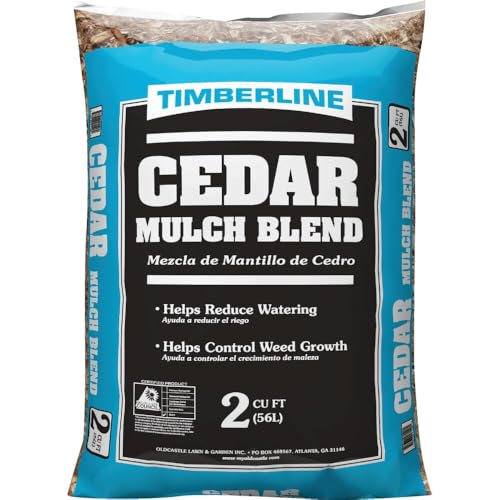
Gives any landscape a finished look and feel

Natural Cedar; Use with your outdoor and indoor plants; will hold moisture in! THIS IS A 4 QUART SIZE OF CEDAR CHIPS

Layer Thickness Recommendations
Aim for a layer thickness of 2-4 inches when applying cedar mulch. This thickness effectively suppresses weed growth while allowing moisture to penetrate the soil. Too thick a layer may lead to moisture retention issues, while too thin may not provide adequate weed control. Adjust the thickness based on your garden’s needs and the specific plants you’re growing.
Timing And Best Practices
Apply cedar mulch in early spring after the soil warms up but before planting. This timing helps soil retain moisture as temperatures rise. If you’re using cedar mulch to suppress weeds, it’s beneficial to apply it before weeds emerge to achieve the best results. Regularly check the mulch layer throughout the growing season, replenishing it as needed to maintain that effective 2-4 inch thickness. Consider placing cedar mulch around established plants while avoiding direct contact with plant stems to prevent rot.
Alternatives To Cedar Mulch
If you’re exploring mulch options for your vegetable garden, several alternatives to cedar mulch provide valuable benefits without potential drawbacks.
Organic Mulch Options
- Straw: Utilized for moisture retention and weed suppression, straw decomposes slowly and enriches the soil. Use a 2-4 inch layer around plants.
- Grass Clippings: Collected from your lawn, grass clippings offer nitrogen to the soil. Spread a thin layer under plants, about 1-2 inches thick, to avoid matting.
- Wood Chips: Made from various tree species, wood chips prevent soil erosion and retain moisture. Apply a 3-inch layer, keeping it away from plant stems.
- Shredded Leaves: Gathered in the fall, shredded leaves decompose quickly and improve soil structure. Use 2-3 inches for effective coverage in the garden.
- Compost: Available from kitchen scraps or garden waste, compost enriches the soil with nutrients. Spread a 1-2 inch layer around plants for benefits.
- Plastic Mulch: Black or clear plastic sheeting helps warm the soil and suppress weeds. Lay it down before planting, ensuring holes for your plants.
- Landscape Fabric: This breathable material allows water and nutrients to pass through while blocking weeds. Install it around plants, covering with a layer of organic mulch for added benefits.
- Rubber Mulch: Made from recycled tires, rubber mulch offers excellent longevity and weed control. Use it as a top layer, ideally in paths or around perennials.
Choosing the right mulch for your vegetable garden depends on your specific needs. Monitor your plants’ health closely and adjust your mulch choice as necessary to maximize growth and yield.
Conclusion
Choosing the right mulch for your vegetable garden is crucial for healthy plant growth. Cedar mulch offers some great benefits like pest deterrence and moisture retention. However it’s important to stay aware of its potential drawbacks like allelopathic effects and soil pH changes.
If you decide to use cedar mulch, keep an eye on your plants and consider testing a small area first. Remember to apply it correctly and maintain the mulch layer throughout the season. And don’t forget there are plenty of alternatives out there if cedar doesn’t seem like the perfect fit for your garden. With the right approach you can create a thriving vegetable garden that meets all your gardening goals. Happy gardening!
Frequently Asked Questions
Is cedar mulch safe for vegetable gardens?
Cedar mulch can be safe for vegetable gardens, offering benefits like pest deterrence and moisture retention. However, it may inhibit seed germination for some plants, so monitoring is essential after application.
What are the benefits of using cedar mulch?
Cedar mulch naturally repels pests like moths and ants, helping protect vegetable plants. It also retains moisture, minimizing evaporation and promoting healthier, more vigorous plant growth.
Can cedar mulch harm my vegetable plants?
Yes, cedar mulch contains compounds that can inhibit root development and seed germination in sensitive plants. It’s advisable to test a small area before widespread use in your garden.
How thick should I apply cedar mulch?
A layer of 2-4 inches of cedar mulch is recommended. This thickness suppresses weeds while allowing moisture to penetrate the soil effectively.
When is the best time to apply cedar mulch?
The ideal time to apply cedar mulch is early spring, after the soil warms but before planting. This helps retain moisture as temperatures rise.
Can cedar mulch alter soil pH?
Yes, cedar mulch can change soil pH over time, affecting nutrient availability. Regular soil pH tests are recommended to ensure optimal conditions for vegetable growth.
What are some alternatives to cedar mulch?
Alternatives to cedar mulch include straw, grass clippings, wood chips, shredded leaves, and compost. Non-organic options like plastic mulch and rubber mulch are also available, each with unique benefits.

My interest in trees started when I first saw the giant sequoias in Yosemite.I was a teenager then, and I remember thinking, “I need to learn more about this.”That moment stuck with me.A few years later, I went on to study forestry at Michigan Tech.
Since graduating, I’ve worked in a mix of hands-on tree care and community education.I’ve spent over ten years helping people understand how to plant, maintain, and protect the trees in their neighborhoods.I don’t see trees as just part of the landscape.They are living things that make a real difference in our daily lives.