Have you ever dreamed of growing fresh vegetables or vibrant flowers year-round? A greenhouse might just be the answer. It creates a controlled environment that can protect your plants from harsh weather and pests, allowing you to cultivate a thriving garden no matter the season.
Key Takeaways
- Extended Growing Season: Greenhouses allow for an extended growing season, enabling gardeners to start planting earlier in spring and continue later into fall, maximizing harvest potential.
- Protection from Pests and Diseases: The controlled environment of a greenhouse offers protection against pests and diseases, reducing the reliance on chemical pesticides and promoting healthier plant growth.
- Variety of Greenhouse Types: Different types of greenhouses, such as traditional and mini greenhouses, cater to various gardening needs, from large-scale cultivation to small-space gardening.
- Temperature and Light Control: Proper temperature management and adequate light levels are crucial for plant health in a greenhouse. Utilize ventilation systems, shade cloths, and adjustable lighting for optimal growing conditions.
- Suitable Plant Selection: Choosing the right plants, including vegetables, herbs, and flowers, is essential for a thriving greenhouse garden. Consider factors like climate and personal preferences for the best results.
- Companion Planting: Implementing companion planting strategies can enhance plant health, boost productivity, and create visually appealing displays within your greenhouse.
Benefits of Growing a Garden in a Greenhouse
Growing a garden in a greenhouse offers several distinct advantages, enhancing your gardening experience and boosting plant health. Here are some key benefits to consider.
Extended Growing Season
A greenhouse provides an extended growing season, allowing you to cultivate plants much earlier in spring and later into fall. The structure captures sunlight and retains heat, creating a warm environment. This warmth supports plant growth even when outside temperatures fluctuate. For example, if your local climate has a short growing season, a greenhouse can extend it by several weeks, enabling you to harvest fresh produce well beyond normal timelines.
Protection from Pests and Diseases
A greenhouse acts as a barrier against pests and diseases. The controlled environment minimizes risks from insects, rodents, and fungal infections that typically threaten outdoor gardens. By keeping plants enclosed, you reduce the need for chemical pesticides, promoting healthier produce. Utilizing physical barriers like mesh screens and sealed edges enhances this protection. For instance, implementing integrated pest management (IPM) strategies within a greenhouse can help you maintain a balanced ecosystem that discourages harmful pests while encouraging beneficial ones.
A greenhouse not only provides a stable environment for your plants but also safeguards their health, making gardening more fruitful and enjoyable.
Types of Greenhouses
Different types of greenhouses cater to various gardening needs. Understanding these options helps you choose the right one for your gardening goals.
Recommended Products

【PROTECTION FOR YOUR PLANTS】Feel confident knowing your plants are shielded from harsh weather. Crafted from high-density PE material, our small greenhouse for outdoors offers superior UV and water resistance, ensuring your garden thrives across seasons. It's more than just a shelter; it's peace of mind for every gardener.

4-TIER GREENHOUSE KIT - The 4 tiers of sturdy shelving in this small greenhouse are 27-inches-wide, have 14-inches of height spacing, and hold up to 24lbs each to provide ample room for trays, pots, or planters for small to medium plants.

Compact Size: The Ohuhu Mini Greenhouse is designed with dimensions of 36x18x33 inches, making it the perfect space-saving solution for your indoor and outdoor gardening needs. Its compact size allows for easy placement in any area, providing you with the convenience you need
Traditional Greenhouses
Traditional greenhouses are larger structures usually made of glass or polycarbonate panels. These materials provide excellent insulation and light transmission. Many gardeners use traditional greenhouses for their versatility, allowing you to grow a wide range of plants year-round. You can control humidity and temperature, benefiting seeds, seedlings, and mature plants alike. Various traditional greenhouse designs exist, such as gable, hoop, and lean-to styles. Each design offers unique benefits; for example, hoop greenhouses are easier to assemble, while gable greenhouses provide better ventilation.
Mini Greenhouses
Mini greenhouses, often referred to as portable or small-scale structures, fit well in limited spaces like balconies or yards. These units typically use plastic or lightweight materials, making them easy to set up and move. Mini greenhouses work well for starting seedlings or nurturing small plants. They create a microclimate that protects plants, especially during unexpected frost or extreme heat. When using a mini greenhouse, consider optimizing airflow, as smaller space can lead to humidity build-up. A fan or proper ventilation system enhances conditions inside, ensuring your plants thrive.
Essential Considerations for Greenhouse Gardening
Greenhouse gardening offers unique advantages, but several essential factors must be considered for optimal plant growth.
Recommended Products


AFFORDABLE PLANT KIT: 140 pcs herb garden kit indoor with 35*grow sponges, 35*grow baskets, 35*grow domes, 35*pod labels, 1*tweezers, supply all needed for your indoor gardening system. With all of these accouterments, you’ll have everything you need to grow nutritious, sustainable food right at home all year long
Temperature Control
Controlling temperature ensures healthy plant development inside your greenhouse. Use a thermometer to monitor internal temperatures. Aim for a range of 70°F to 80°F during the day, with nighttime temperatures around 60°F to 65°F.
- Ventilation: Install roof vents and side windows to allow hot air to escape. Use exhaust fans for added airflow.
- Heating Systems: Consider electric or gas heaters for colder months. They help maintain stable temperatures even during frigid nights.
- Shade Cloths: Use shade cloths in summer to prevent overheating. These materials block harsh sunlight yet allow filtered light to reach your plants.
Light Requirements
Light is vital for photosynthesis, so ensure your greenhouse gets adequate sunlight.
- Orientation: Position the greenhouse south-facing to maximize sun exposure. This arrangement captures morning light and protects plants from harsh afternoon sun.
- Adjustable Shade: Implement adjustable shading systems that allow you to modify light levels based on seasonal changes. This flexibility promotes optimal growth.
- Supplemental Lighting: During shorter winter days, use grow lights to fill in gaps. LED lights provide efficient energy use while promoting healthy plant growth.
By considering temperature control and light requirements, you create an ideal environment for your garden.
Choosing the Right Plants for Your Greenhouse
Selecting the right plants for your greenhouse ensures a thriving garden. Various factors influence your choices, including climate, space, and personal preferences.
Recommended Products

【Perfect Size】These plant labels size:6x10cm (2.4x3.9 inch),suitable for most plant pots and plants,enough room to write,Package contains 100 Pcs Plant labels,Value for money

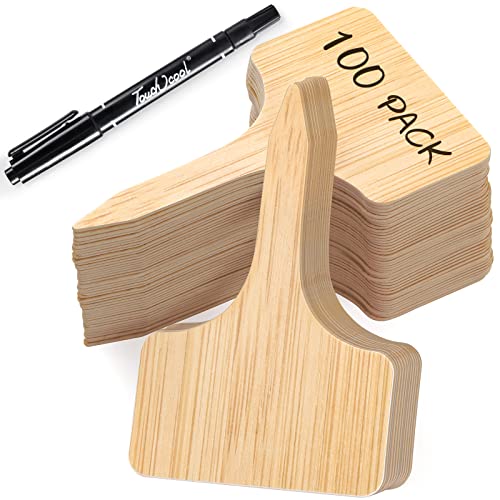
PACKAGE CONTAINS: This pack includes 100pcs labels, enough quantity to meet more plants in your garden, and more quantity has better cost performance.
Vegetables and Herbs
Growing vegetables and herbs in a greenhouse can yield high rewards. Consider these options:
- Tomatoes: They thrive in warm conditions. Choose varieties like ‘Cherry’ or ‘Beefsteak’ for delicious results.
- Peppers: Bell peppers and hot peppers flourish with consistent warmth. Start them from seeds for better yields.
- Lettuce: Cool-season varieties like ‘Romaine’ or ‘Butterhead’ grow well in moderate temperatures. Rotate crops for optimal freshness.
- Basil: This herb loves warmth and needs plenty of sunlight. Harvest leaves regularly to promote growth.
These plants not only enhance your meals but also come with varying growth cycles. Succession planting allows for a continuous harvest throughout the year.
Flowers and Ornamentals
A greenhouse can be a vibrant display of flowers and ornamentals. Choose plants that suit your aesthetic goals:
- Petunias: With countless colors, petunias add charm. They thrive in sunlight and bloom abundantly.
- Geraniums: These durable flowers need less water but reward you with bright colors. They’re ideal for beginner gardeners.
- Orchids: For a touch of elegance, consider orchids, which flourish in humidity. They require specific care but offer stunning blooms.
- Ferns: These thrive in indirect sunlight. Perfect for adding lush greenery, ferns diversify your greenhouse environment.
Experiment with arranging different types of flowers to create beautiful displays. Choose companion plants that support one another while enhancing the overall aesthetics.
By carefully selecting the right vegetables and flowers, you can maximize the productivity and beauty of your greenhouse garden.
Conclusion
Growing a garden in a greenhouse opens up a world of possibilities for you as a gardener. You can enjoy fresh produce and beautiful flowers all year round while protecting your plants from the elements. With the right setup and care you can create an environment that fosters growth and health.
Whether you opt for a spacious traditional greenhouse or a compact mini version there’s something for every space and need. Remember to pay attention to temperature light and plant selection to make the most of your greenhouse experience.
So go ahead and embrace the joys of greenhouse gardening. You’ll find that it not only enhances your gardening skills but also brings a sense of satisfaction as you watch your plants thrive. Happy gardening!
Frequently Asked Questions
What are the benefits of using a greenhouse for gardening?
Using a greenhouse allows for year-round cultivation by creating a controlled environment that protects plants from harsh weather and pests. This leads to an extended growing season, healthier plants, and reduced reliance on chemical pesticides. Overall, it makes gardening more productive and enjoyable.
What types of greenhouses are available?
There are several types of greenhouses, including traditional glass or polycarbonate structures, mini greenhouses, and various designs like gable, hoop, and lean-to styles. Each type caters to different gardening needs, from larger gardens to compact spaces, ensuring versatility in plant growth.
How can I control temperature in my greenhouse?
To maintain optimal temperatures, ensure internal conditions are between 70°F to 80°F during the day and 60°F to 65°F at night. Use tools like thermometers, roof vents, and heating systems to achieve precise control and promote healthy plant growth.
What plants are best for greenhouse gardening?
Ideal plants for greenhouse gardening include vegetables and herbs like tomatoes, peppers, lettuce, and basil, as well as flowers such as petunias and orchids. Selecting the right plants can enhance productivity and add beauty to your greenhouse.
How can I optimize light for my greenhouse plants?
For optimal light exposure, orient your greenhouse south-facing, utilize adjustable shading systems, and consider supplemental lighting during shorter winter days. Adequate sunlight is crucial for photosynthesis and healthy plant development.

My interest in trees started when I first saw the giant sequoias in Yosemite.I was a teenager then, and I remember thinking, “I need to learn more about this.”That moment stuck with me.A few years later, I went on to study forestry at Michigan Tech.
Since graduating, I’ve worked in a mix of hands-on tree care and community education.I’ve spent over ten years helping people understand how to plant, maintain, and protect the trees in their neighborhoods.I don’t see trees as just part of the landscape.They are living things that make a real difference in our daily lives.