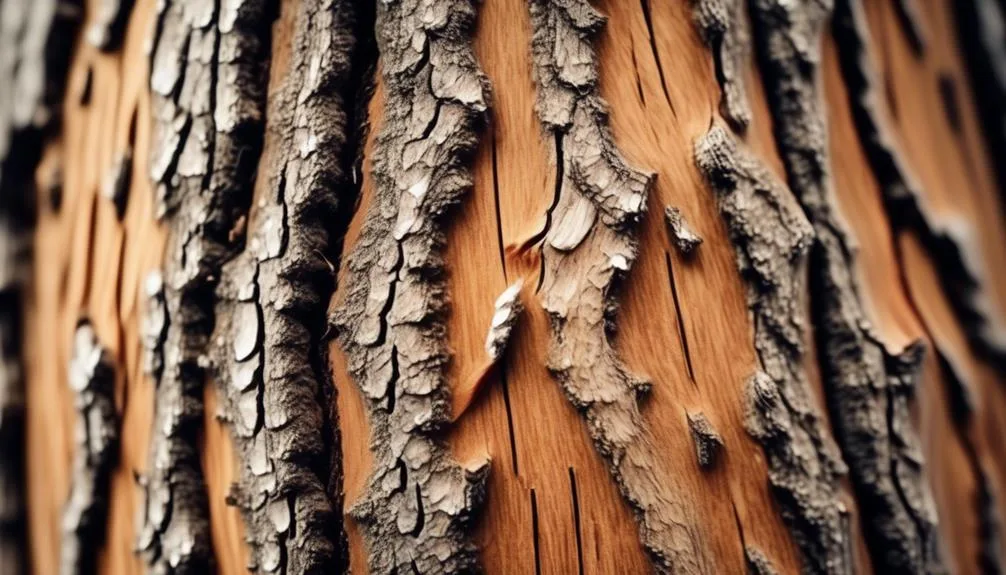
Do you ever wonder why some cedar trees end up with cracks in their trunks? It's not uncommon, as around 30% of cedar trees experience this issue at some point.
There could be various reasons behind it, from environmental stress to pests and diseases. Understanding these causes is crucial to maintaining your cedar tree's health.
So, what's causing these cracks in cedar tree trunks? Let's explore the possible reasons.
Environmental Stressors
If you notice cracks forming on the trunk of your cedar tree, it could be due to various environmental stressors. Soil quality and moisture levels play a significant role in the health of cedar trees. Poor soil quality or excessively dry or waterlogged conditions can stress the tree, leading to cracks in the trunk.
Additionally, climate and temperature fluctuations can also impact the tree's health. Sudden changes in temperature, especially extreme cold or heat, can cause the cedar tree's trunk to crack as it struggles to adapt.
Ensuring proper soil moisture and quality, along with providing consistent care during temperature fluctuations, can help mitigate these environmental stressors and prevent further cracking. Keep a close eye on the environmental conditions around your cedar tree to maintain its health and prevent trunk cracking.
Pests and Diseases
To safeguard your cedar tree from potential pests and diseases that may exacerbate existing environmental stressors, it's essential to be vigilant and proactive in monitoring its health. Here are some common issues to watch out for:
- Fungal Infections:
- Keep an eye out for signs of fungal infections such as discolored or wilting leaves.
- Treat promptly with appropriate fungicides.
- Bark Beetles:
- Look for holes in the bark and sawdust-like material around the base of the tree.
- These are indicators of bark beetle infestations that can weaken the tree.
- Insect Infestations:
- Regularly inspect the foliage and branches for any signs of insect infestations.
- Look for chewed leaves or visible pests.
- Take necessary measures to address the issue.
- Root Rot:
- Monitor the tree's base and surrounding soil for signs of root rot.
- Look for soft or decaying roots.
- Ensure proper drainage to prevent this fungal disease.
Improper Pruning Techniques
Improper pruning techniques can harm the health and structure of your cedar tree, leading to potential long-term issues if not corrected. Pruning mistakes, such as cutting too close to the trunk or removing too much foliage, can leave the tree vulnerable to pests, diseases, and structural weakness.
To prevent these problems, it's essential to learn and apply proper maintenance and care techniques. Always use sharp, clean tools to make clean cuts at the right angle and distance from the trunk. Additionally, avoid over-pruning, especially during the growing season.
Proper pruning not only enhances the tree's appearance but also promotes healthy growth and reduces the risk of damage. By understanding and implementing correct pruning techniques, you can help your cedar tree thrive and minimize the potential for trunk cracking.
Physical Damage
Regularly inspect your cedar tree for signs of physical damage, such as cracks, wounds, or abrasions, to prevent potential issues from escalating. Physical damage can weaken the tree, making it more susceptible to pests and diseases. Here are some important points to consider when dealing with physical damage on your cedar tree:
- Promptly Address Wounds: Treat any wounds or cuts on the tree to prevent decay and infection.
- Proper Pruning: Ensure that any pruning is done correctly to avoid unnecessary damage to the tree.
- Protective Measures: Implement protective measures, such as wrapping the trunk to guard against mechanical injuries.
- Soil Health: Maintain good soil health around the base of the tree to promote strong growth and healing of any damaged areas.
Tree Age and Growth Issues
Inspecting your cedar tree for signs of physical damage can also provide insights into potential age-related growth issues that may need attention.
Examining the trunk diameter and growth rings can offer valuable clues about the tree's aging process and overall health. As cedar trees age, their growth rate can fluctuate, leading to variations in growth ring width. Narrow rings may indicate periods of slow growth, possibly due to environmental stressors or competition for resources. On the other hand, wider rings typically suggest favorable growing conditions.
Additionally, monitoring the overall tree health is crucial for identifying age-related growth issues. Keep a close eye on foliage density, color, and any signs of decline to address potential age-related concerns promptly.
Regular assessments and appropriate care can help manage age-related growth issues and ensure the long-term health of your cedar tree.
Conclusion
To safeguard your cedar tree from trunk cracking, it's crucial to promptly address any signs of distress. Factors such as environmental stress, pests, diseases, pruning techniques, physical damage, and age can all contribute to this issue.
By identifying the cause and taking appropriate action, you can support your cedar tree's recovery and long-term health. Keep a vigilant eye on its well-being and seek professional guidance if necessary to ensure its continued vitality.

My interest in trees started when I first saw the giant sequoias in Yosemite.
I was a teenager then, and I remember thinking, “I need to learn more about this.”
That moment stuck with me.
A few years later, I went on to study forestry at Michigan Tech.
Since graduating, I’ve worked in a mix of hands-on tree care and community education.
I’ve spent over ten years helping people understand how to plant, maintain, and protect the trees in their neighborhoods.
I don’t see trees as just part of the landscape.
They are living things that make a real difference in our daily lives.