Ever wondered if your small palm tree could use a little support? Picture this: a gusty day, your beloved palm tree swaying precariously in the wind. You might be asking yourself, “Can a small palm tree be staked?”
Worry not, as we’re here to shed light on this common dilemma. In this article, we’ll explore the ins and outs of staking small palm trees, guiding you through the process step by step.
Benefits of Staking a Small Palm Tree
Staking a small palm tree promotes stability during windy conditions.
Some benefits of staking a small palm tree include:
- Preventing root damage: Staking provides additional support to prevent the roots from shifting.
- Enhancing growth: Proper staking allows the tree to focus on growth rather than swaying.
- Protecting against breakage: Staking reduces the risk of branches breaking in strong winds.
- Facilitating establishment: It helps young trees establish themselves securely in the soil.
Remember to check the stake regularly to ensure it’s providing adequate support.
When Should You Stake a Small Palm Tree?
Staking a small palm tree is typically necessary during its early growth stages. Here’s when you should consider staking:
- When planting a new palm tree: Ensure to stake a young palm tree after planting to help establish its roots and support its growth.
- In windy environments: Staking is essential for small palm trees in areas prone to strong winds to prevent uprooting or damage.
- After transplanting: If you’ve recently transplanted a small palm tree, consider staking it temporarily to aid in the transition.
- If the tree leans excessively: Stake a small palm tree if you notice it leaning significantly to promote upright growth and stability.
- During storm seasons: Stake your small palm tree when anticipating severe weather conditions to prevent breakage and ensure its safety.
Regularly assessing the need for staking and providing adequate support are crucial steps in caring for your small palm tree.
How to Properly Stake a Small Palm Tree
Staking a small palm tree is a simple process that can greatly benefit the tree’s stability and growth. Here’s how you can properly stake a small palm tree:
- Materials Needed:
- Stakes (3-4 feet tall)
- Soft ties or straps
- Hammer
- Scissors
- Steps:
- 1. Positioning:
- Drive stakes into the ground outside the root ball area, ensuring they are slanted away from the tree at a 45-degree angle.
- 2. Attaching the Tree:
- Gently secure the ties around the trunk of the palm tree and fasten them to the stakes, ensuring they are not too tight to allow some sway.
- 3. Checking Firmness:
- Give the tree a gentle push to ensure it’s secure but still has slight movement to promote natural growth.
- 4. Regular Monitoring:
- Check the ties monthly and adjust them as necessary to prevent girdling or damage to the tree.
Staking a small palm tree can help it establish firm roots while protecting it from strong winds or harsh weather conditions. By following these simple steps, you can ensure your small palm tree grows tall and healthy.
Recommended Products
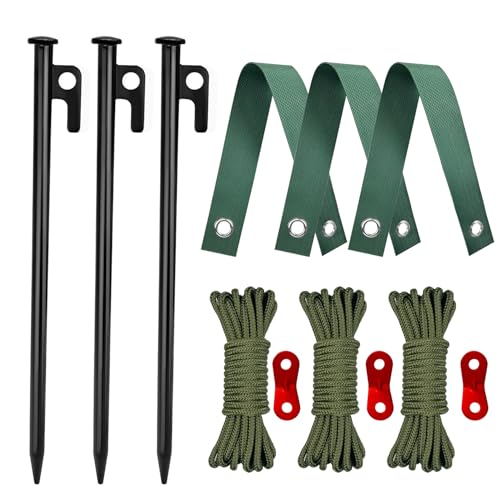
【Value Package】Package comes with 3pcs tree stakes,3pcs tree straps for staking and 3pcs ropes (each 13ft) with 3pcs aluminium tensioners. Complete tree stake kit enable your saplings to grow straight and healthy even in windy conditions

Protect Young Trees from Bad Weather: Tree stake kits are typically used when planting young trees, particularly those with small or shallow root systems, in order to provide support and promote healthy growth. Young trees are more susceptible to wind damage than mature trees, FCENDS tree stake kit can help to support the tree and prevent it from leaning or tipping over in high winds.

Perfect Tree Staking Kit: Our tree stake straight kits set includes 3 PCS tree strap ties for staking, 3 PCS steel tree stakes, and a 31.2 feet length rope for anchoring. Detailed instructions are included in the product packaging. This is a complete kit that you don't need to buy any other related accessories.
Common Mistakes to Avoid When Staking a Small Palm Tree
When staking your small palm tree, remember to avoid these common mistakes to ensure its healthy growth and stability:
- Stakes Too Close: Placing stakes too close to the trunk can cause damage and hinder proper growth.
- Tying Too Tight: Tying the tree too tightly to the stakes can restrict movement and lead to potential harm.
- Damaging Roots: Carelessly driving stakes into roots can injure the tree, impacting its stability and health.
- Forgetting to Check: Neglecting to check the tree’s ties and stakes regularly can result in issues going unnoticed.
Keep these points in mind to successfully stake your small palm tree and promote its well-being.
Recommended Products

Miniature landscape toy palm trees model: mini palm trees for crafts, size 13.00x8.00x0.50 cm/5.11x3.14x0.20 inches, diameter 5 cm (leaves)

LIGHTWEIGHT CARDSTOCK CONSTRUCTION: Made from printed cardstock paper to create a three-dimensional decorative centerpiece. Designed as a tabletop decoration rather than a rigid freestanding display

Cake Topper: These cute little palm trees are perfect addition to cake decoration. You can use it for cupcake topper, baby shower, birthday cake decoration, fruit plate, themed birthday decor, which can bring a lot of joy to your life
Monitoring and Removing Stakes
When monitoring your small palm tree, make sure to regularly check the tree’s ties and stakes to ensure they are not too tight. It’s crucial to adjust them as the tree grows to prevent any restrictions.
To remove stakes properly, start by loosening the ties and then gently removing the stakes. Be careful not to damage the tree or its roots during this process.
Remember, appropriately staking a small palm tree is essential, but so is knowing when and how to monitor and remove the stakes to support the tree’s growth effectively.
Recommended Products

High quality microfiber jacquard soft smooth feel fabric, hand sewn with wool blend lining makes it laying perfectly

MADE FROM 65% RECYCLED PLASTIC: Reusable so you can reduce waste; supports the move toward a sustainable future
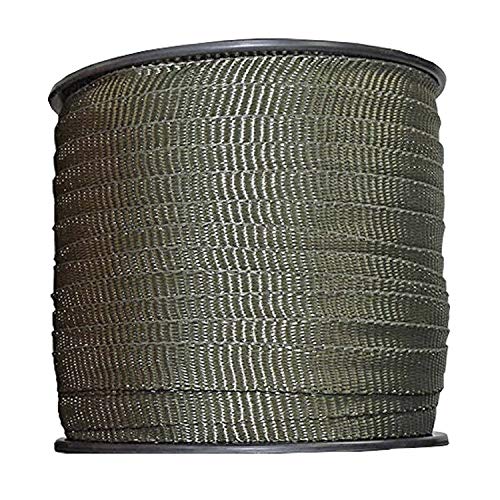
Plant & Tree Support. 5/8" Wide x 250 Ft Long. Ultra strong yet soft woven webbing ideal for plant, limb, branch and tree support. Strong enough to anchor large trees, yet flexible enough to use on young saplings and shrubs. This tree strap is excellent to prevent or repair tree damage caused by heavy snow or winds. Used for numerous horticultural, garden and landscape applications, simply cut to needed length. Natural olive color of the tree support strap blends into the environment.
Conclusion
You now understand the importance of regularly checking and adjusting ties and stakes for small palm trees to ensure their healthy growth. Properly removing stakes involves gently loosening ties and carefully extracting the stakes to avoid any harm to the tree or its roots. By knowing when and how to monitor and remove stakes, you can effectively support the development of your small palm tree. Keep these key points in mind to nurture your palm tree and help it thrive in its environment.
Frequently Asked Questions
When should I monitor small palm trees’ ties and stakes?
Monitor ties and stakes every 6-12 months to check for tightness or restrictions on the tree’s growth.
How should I adjust ties and stakes for small palm trees?
Loosen ties if they are tight and reposition stakes to provide proper support without constricting the tree.
How do I remove stakes without harming the tree?
Gently pull out stakes at a slight angle to avoid damaging the tree or its roots during removal process.

I’ve always been drawn to trees.As a kid, I spent most of my free time outside, climbing, exploring, and trying to figure out the names of the trees around me.That early curiosity eventually led me to study arboriculture and horticulture at Michigan State.Later, I completed a degree in forestry at the University of Michigan.
I’ve been working in tree care and education ever since.These days, I enjoy helping people learn more about the trees in their own backyards.How they grow, how to care for them, and why they matter.You don’t need to be an expert to appreciate trees.A little curiosity goes a long way.