Ever planted a tree only to watch it struggle to stand tall against the wind? Picture this: a freshly planted sapling swaying precariously as if dancing to nature’s tune. But fear not, dear gardener! In this article, you’ll discover the art of staking a tree – a simple yet crucial technique that can make all the difference in your tree’s growth and stability.
Have you ever wondered why some trees flourish while others falter? The secret often lies in the way they are first planted. By mastering the skill of staking, you can provide your young tree with the support it needs to thrive in its new home. Say goodbye to crooked trunks and weak roots – with the right staking methods, you’ll set your tree on a path to success from the very beginning.
Choosing the Right Staking Materials
When it comes to staking a tree, selecting the appropriate materials is crucial for supporting its growth. Here are some tips to help you pick the right staking materials:
- Material Strength: Opt for durable materials that can withstand outdoor conditions. Common options include wooden stakes, nylon straps, and rubber ties.
- Length and Diameter: Choose stakes that are tall enough to support the tree but not too tall to risk damage. Half the height of the tree is a good rule of thumb. The diameter of the stakes should be sturdy enough to provide proper support.
- Flexibility: Consider the flexibility of the staking materials. They should allow some movement to encourage natural trunk development in the tree.
- Weather Resistance: Ensure the materials are weather-resistant to prevent deterioration over time. Look for options that can handle both sunlight and moisture without degrading.
- Ease of Use: Choose materials that are easy to install and adjust as needed. This will make the staking process more efficient and effective.
- Non-Abrasive: Avoid using materials that could damage the tree trunk. Opt for soft ties or straps that won’t cut into the bark as the tree grows.
By selecting the right staking materials, you set your newly planted tree up for success and ensure it has the support it needs to thrive in its environment.
Recommended Products

Perfect for Bad Weather: If you are searching for a tree stakes kit that can provide strong support to your young trees, you can never go wrong with our tree straps for staking, With a little care and attention, the tree straps will help you to grow beautiful, healthy trees

Use for Hurricane protection: Our tree straps are made of quality materials that can provide strong support to your trees. Even in stormy weather, you don't need to worry about your trees being blown down by the wind.
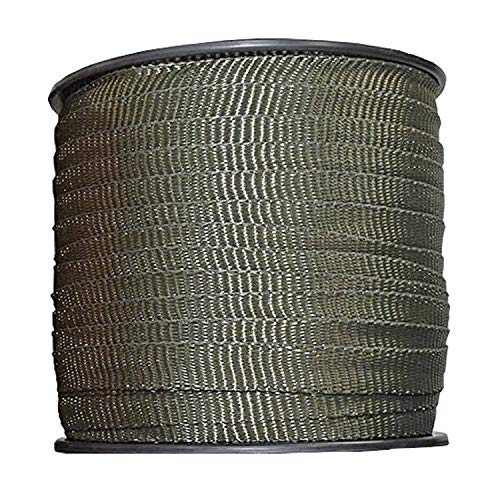
Plant & Tree Support. 5/8" Wide x 250 Ft Long. Ultra strong yet soft woven webbing ideal for plant, limb, branch and tree support. Strong enough to anchor large trees, yet flexible enough to use on young saplings and shrubs. This tree strap is excellent to prevent or repair tree damage caused by heavy snow or winds. Used for numerous horticultural, garden and landscape applications, simply cut to needed length. Natural olive color of the tree support strap blends into the environment.
Selecting the Optimal Staking Method
When choosing a staking method for your newly planted tree, consider the following factors:
- Tree Type: Determine the specific needs of your tree species before selecting a staking method.
- Soil Conditions: Assess the soil type and drainage to ensure proper anchoring of the tree.
- Location: Consider the prevailing wind direction in your area to provide adequate support.
To pick the right staking material, keep these tips in mind:
- Opt for durable materials like wooden stakes or metal posts for longevity.
- Use weather-resistant materials to withstand various elements.
- Choose flexible materials to allow for natural tree movement.
- Opt for non-abrasive ties like nylon straps or rubber ties to avoid damage.
Remember, selecting the optimal staking method can significantly impact the growth and development of your newly planted tree.
Recommended Products

Perfect Tree Staking Kit: Our tree stake straight kits set includes 3 PCS tree strap ties for staking, 3 PCS steel tree stakes, and a 31.2 feet length rope for anchoring. Detailed instructions are included in the product packaging. This is a complete kit that you don't need to buy any other related accessories.

Package Include: You will receive 6 x tree support straps, and 1 x 65.6 feet strong rope. The perfect tree starter or for straightening trees

Protect Young Trees from Bad Weather: Tree stake kits are typically used when planting young trees, particularly those with small or shallow root systems, in order to provide support and promote healthy growth. Young trees are more susceptible to wind damage than mature trees, FCENDS tree stake kit can help to support the tree and prevent it from leaning or tipping over in high winds.
Determining the Correct Position for Staking
When staking a tree, it’s crucial to determine the optimal position for placing the stakes. Consider these factors to ensure the tree’s stability and health:
- Position the stakes outside the root ball area to avoid damaging the roots.
- Space the stakes evenly around the tree to distribute pressure effectively.
- Place the stakes on the windy side to provide maximum support against strong gusts.
- Avoid positioning the stakes too close to the trunk to prevent friction and injury to the tree.
Remember, staking a tree is a critical step in its early growth, so taking the time to determine the correct position can make a significant difference in its development.
Staking the Tree Properly
When staking a tree during planting, consider these key points to ensure its proper support and growth:
- Stake Placement: Drive the stakes outside the root ball, evenly spaced around the tree.
- Wind Direction: Position the stakes on the windy side to provide maximum support against strong gusts.
- Avoiding Trunk Friction: Keep the stakes a reasonable distance from the trunk to prevent any potential damage.
Remember, staking is crucial for the initial growth stages of a tree. Taking the time to stake it properly can have a significant impact on its development and overall well-being.
Recommended Products

Everything You Need is Included - Steel tree stake kits includes 3 steel stakes (11.8 inch), 3 straps (15.75 inch), and 3 ropes (13.12 FT) for anchoring. The diameter 4mm ropes come with aluminium tensioners for quick set up. Strong metal stakes without the worry of breaking in half or bending like plastic stakes, enough to hold the tree firmly. The straps are wide enough to spread the load so there's little chance that it will damage the bark or constrict the tree in any way.
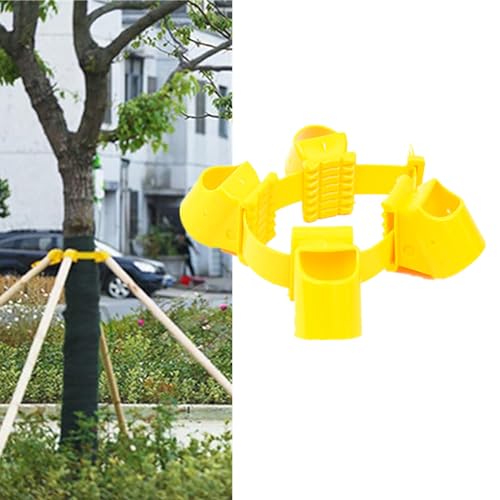
Package Include:4 plastic cups(2.09in) + 1 strap(31.5in),suit fo Tree Diameter: 5.9"-10".

Ideal Tree Stakes Kit: Our kit includes 4 pcs 11.8’’ steel stakes, 4 pcs 15.8’’ tree straps and 4 pcs 13.2 foot tree ropes with aluminum adjusters, ensuring secure and adjustable support. Detailed instructions are included. No extra accessories required
Monitoring and Adjusting the Stakes
Checking Position:
- Regularly inspect the stakes to ensure they are secure and haven’t loosened.
- Confirm that the ties are firm but not causing damage to the tree.
- If the tree has outgrown the need for support, gradually remove the stakes to encourage independent strength.
- Don’t rush the process – abrupt removal can shock the tree.
- During harsh weather conditions, ensure the stakes are adequately supporting the tree.
- Strong winds may require additional reinforcement.
| Important Points | Data/Statistics |
|---|---|
| Proper support during initial growth | Impacts long-term health |
| Monitor stakes regularly | Prevents issues |
| Gradual removal of stakes | Promotes tree independence |
Conclusion
Ensuring your newly planted tree is properly staked is crucial for its stability and growth. By following the advice on stake placement, regular monitoring, and gradual removal, you’re setting your tree up for long-term success. Remember to check stake security and tie firmness without causing harm. Monitoring your stakes regularly and adjusting as needed will help prevent any potential issues. Providing the right support during the initial growth stages is key to the tree’s health. With proper care and attention, your tree will thrive and stand strong on its own in the future.
Frequently Asked Questions
Why is staking a newly planted tree important?
Staking a newly planted tree is crucial to provide support for proper growth and stability in windy conditions, preventing root movement and enhancing establishment.
Where should I place the stakes when staking a tree?
Stake placement should be at least 1-2 feet away from the tree, through the root ball depth, and diagonally opposite to the prevailing winds to offer optimal support.
How do I monitor the staked tree’s progress?
Regularly check stake security and tie firmness, ensuring they are not too tight, to prevent damage to the tree or restrict its natural movement.
When should I remove the stakes from the tree?
Gradually remove the stakes after 1-2 growing seasons once the tree has developed enough independent strength to support itself safely.
Is additional staking necessary in severe weather conditions?
Extra support may be required during harsh weather like strong winds or storms to prevent the tree from leaning or uprooting prematurely.

I’ve always been drawn to trees.As a kid, I spent most of my free time outside, climbing, exploring, and trying to figure out the names of the trees around me.That early curiosity eventually led me to study arboriculture and horticulture at Michigan State.Later, I completed a degree in forestry at the University of Michigan.
I’ve been working in tree care and education ever since.These days, I enjoy helping people learn more about the trees in their own backyards.How they grow, how to care for them, and why they matter.You don’t need to be an expert to appreciate trees.A little curiosity goes a long way.