Ever found yourself staring at a towering 30ft tree that’s taken a tumble in your yard? Wondering if you can salvage it with a trusty stake? You’re not alone in this arboreal dilemma. When nature throws a curveball and leaves you with a fallen giant, the question of whether you can stake it back upright can be a pressing one.
In this article, we’ll dive into the world of tree rehabilitation and explore the possibilities of staking a 30ft tree that has unexpectedly toppled over. From understanding the reasons behind tree falls to practical tips on how to assess the situation, we’ve got you covered. By the end of this read, you’ll have a clearer picture of whether your fallen tree can rise again with the help of a sturdy stake. Let’s get to the root of this leafy predicament, shall we?
Reasons behind Tree Falls
When a tree falls over, it’s not just bad luck. Several factors contribute to this event:
- Weather Conditions: Strong winds, storms, and heavy snow can exert immense pressure on tree trunks, causing them to weaken and eventually topple.
- Structural Weaknesses: Trees with diseases, pest infestations, or structural damage are more prone to falling over.
- Shallow Roots: Trees with shallow root systems may not be able to anchor themselves firmly in the ground, leading to falls during adverse weather.
Understanding these reasons can help you assess the likelihood of salvaging a fallen tree by staking it back upright.
Assessing the Damage
When a 30ft tree falls over, the first step is to assess the extent of the damage. Here’s how you can evaluate the situation:
- Check for cracks, splits, or breaks in the tree trunk, as these can indicate structural damage.
- Look at the root system to see if it has been uprooted completely or partially.
- Examine the branch distribution to determine if one side is heavier than the other, which could affect stability.
- Assess the condition of the bark for signs of disease or pest infestation, which may have weakened the tree.
Remember, the safety of both yourself and others should be a top priority during this assessment.
Choosing the Right Stake
When staking a 30ft tree that has fallen over, selecting the right stake is crucial. Here are some tips to help you make the best choice:
- Material: Opt for a durable material like metal or solid wood that can support the weight of the tree.
- Length: The stake should reach at least halfway up the tree trunk for proper support.
- Thickness: Choose a stake with a sufficient thickness to provide stability.
Remember, the right stake can make a significant difference in successfully repositioning the fallen tree.
Recommended Products

Perfect Tree Staking Kit: Our tree stake straight kits set includes 3 PCS tree strap ties for staking, 3 PCS steel tree stakes, and a 31.2 feet length rope for anchoring. Detailed instructions are included in the product packaging. This is a complete kit that you don't need to buy any other related accessories.
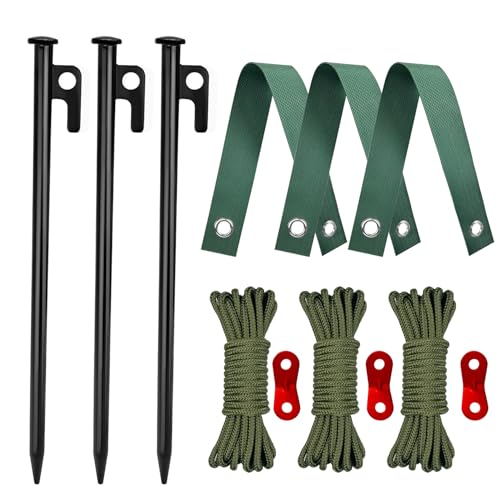
【Value Package】Package comes with 3pcs tree stakes,3pcs tree straps for staking and 3pcs ropes (each 13ft) with 3pcs aluminium tensioners. Complete tree stake kit enable your saplings to grow straight and healthy even in windy conditions

Protect Young Trees from Bad Weather: Tree stake kits are typically used when planting young trees, particularly those with small or shallow root systems, in order to provide support and promote healthy growth. Young trees are more susceptible to wind damage than mature trees, FCENDS tree stake kit can help to support the tree and prevent it from leaning or tipping over in high winds.
Staking a 30ft Tree: Step-by-Step Guide
- Assess the Tree: Before staking, ensure there is no damage that would compromise the tree’s health.
- Choose the Right Stake: Opt for a sturdy material like metal or solid wood.
- Proper Placement: Position the stake at least halfway up the trunk for optimal support.
- Secure the Stake: Drive the stake into the ground at a slight angle towards the tree.
- Use Support Ties: Attach flexible ties to secure the tree to the stake without causing damage.
- Monitor Regularly: Check the stake’s stability periodically, adjusting as needed to support the tree.
| Important Tips | |
|---|---|
| Assess Tree Damage | Ensure tree health before staking |
| Stake Material | Choose metal or solid wood |
| Placement | Stake at least halfway up the trunk |
| Securing | Drive stake at slight angle towards tree |
| Support Ties | Utilize flexible ties for secure attachment |
| Monitoring | Regularly check and adjust stake for stability |
Recommended Products
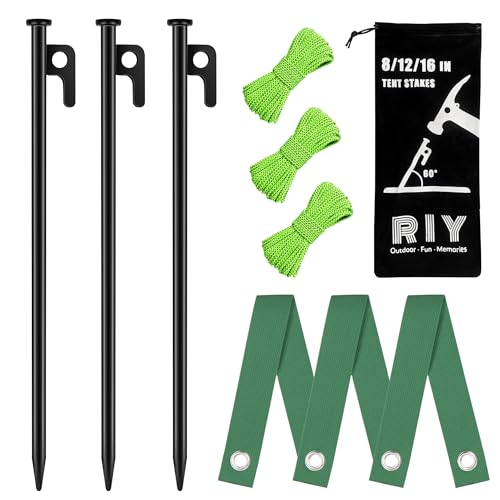
HIGH QUALITY AND DURABLE: Forged plant stakes (12") is not easy to bend, high-strength nylon tree rope (118") , wear resistant fabric tree straps tearing resistance, stable and reliable

【Heavy Duty Spiral Stakes】Compared to ordinary straight stakes, the spiral structure provides excellent grip. It can firmly fix your trees in place, resisting strong winds and harsh outdoor conditions. Constructed with high-quality metal, these heavy-duty spiral stakes won’t easy bend or snap. Suitable for hard, rocky ground and grassland

Everything You Need is Included - Steel tree stake kits includes 3 steel stakes (11.8 inch), 3 straps (15.75 inch), and 3 ropes (13.12 FT) for anchoring. The diameter 4mm ropes come with aluminium tensioners for quick set up. Strong metal stakes without the worry of breaking in half or bending like plastic stakes, enough to hold the tree firmly. The straps are wide enough to spread the load so there's little chance that it will damage the bark or constrict the tree in any way
Maintenance and Monitoring
After staking a 30ft tree that has fallen over, it’s crucial to stay on top of maintenance and regularly monitor its condition. Here are some key points to keep in mind:
- Regular Checks: Inspect the tree and stake weekly for any signs of damage or loosening.
- Stake Adjustment: Reposition or tighten the stake if you notice any instability or tilting.
- Tie Maintenance: Ensure that the support ties are secure but not digging into the tree’s bark.
- Growth Monitoring: Watch out for any changes in the tree’s growth patterns or signs of stress.
| Monitoring Tip | Frequency |
|---|---|
| Check stake stability | Weekly |
| Inspect tie tension | Bi-weekly |
| Monitor tree growth | Monthly |
| Adjust stake if needed | As required |
By maintaining a close eye on your staked tree and monitoring its progress, you can ensure its long-term health and stability.
Recommended Products

【Complete Tree Straps for Staking Kit】Package comes with 8pcs tree straps and 52ft rope , with this kit you can ensure 3 to 4 trees to grow upright or protect them from harsh weathers like hurircane, helping your trees grow strong and healthy
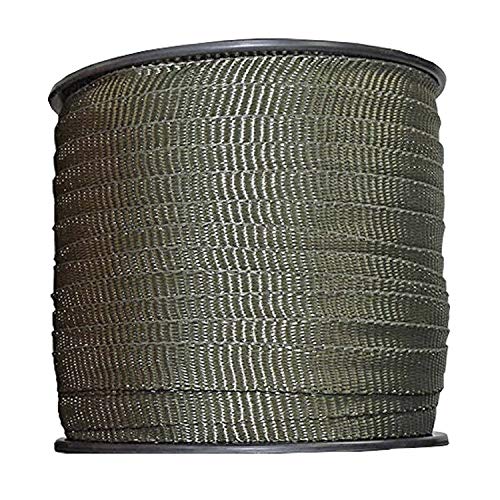
Plant & Tree Support. 5/8" Wide x 250 Ft Long. Ultra strong yet soft woven webbing ideal for plant, limb, branch and tree support. Strong enough to anchor large trees, yet flexible enough to use on young saplings and shrubs. This tree strap is excellent to prevent or repair tree damage caused by heavy snow or winds. Used for numerous horticultural, garden and landscape applications, simply cut to needed length. Natural olive color of the tree support strap blends into the environment.

Use for Hurricane protection: Our tree straps are made of quality materials that can provide strong support to your trees. Even in stormy weather, you don't need to worry about your trees being blown down by the wind.
Conclusion
Ensuring the health and stability of your 30ft tree after staking, especially if it has fallen over, is crucial. By conducting regular maintenance checks, adjusting the stake when necessary, and monitoring growth patterns, you can help your tree thrive. Remember to inspect stake stability weekly, check tie tension bi-weekly, and monitor tree growth monthly. These simple steps can make a big difference in the long-term well-being of your tree. Keep a close eye on your staked tree to ensure it continues to grow strong and healthy.
Frequently Asked Questions
Why is maintenance important after staking a 30ft tree?
Maintenance is crucial after staking a 30ft tree to ensure its stability, growth, and health for the long term. Regular checks can prevent damage and help adjust the stake if necessary.
How often should I monitor a staked tree?
It is recommended to check the stake stability weekly, inspect tie tension bi-weekly, monitor tree growth monthly, and adjust the stake as needed for optimal support.
What signs indicate the need for adjustment or maintenance?
Signs such as loosened ties, leaning tree, damaged bark, or unusual growth patterns indicate the need for immediate adjustment or maintenance to prevent further issues.

I’ve always been drawn to trees.As a kid, I spent most of my free time outside, climbing, exploring, and trying to figure out the names of the trees around me.That early curiosity eventually led me to study arboriculture and horticulture at Michigan State.Later, I completed a degree in forestry at the University of Michigan.
I’ve been working in tree care and education ever since.These days, I enjoy helping people learn more about the trees in their own backyards.How they grow, how to care for them, and why they matter.You don’t need to be an expert to appreciate trees.A little curiosity goes a long way.