Ever wondered how long you should stake a tree for? Picture this: you’ve just planted a beautiful sapling in your garden, hoping it will grow into a majestic tree. But wait, should you stake it for support, and if so, for how long?
Staking a tree is like giving it a helping hand in a windy world. In this article, you’ll discover the optimal staking duration to nurture your tree’s growth and stability.
Benefits of Staking a Tree
When you stake a tree, you provide critical support for young saplings, ensuring they grow upright and strong. Here are some key benefits you can expect from staking a tree:
- Prevents Leaning: Staking helps young trees stay straight, preventing them from leaning to one side.
- Promotes Root Growth: Stabilizing the tree allows roots to establish themselves firmly in the ground, aiding in nutrient absorption.
- Enhances Wind Resistance: A well-staked tree is better equipped to withstand strong winds, reducing the risk of toppling over.
Staking a tree for the right duration is crucial to reap these benefits. Let’s delve into the optimal period for staking to ensure your tree thrives.
When to Stake a Tree
Staking a tree is crucial during the first year after planting. Ideally, stake the tree at the time of planting to provide immediate support. Check the tree’s stability regularly in the first few months. If the tree leans or shows signs of instability, it needs staking.
Signs It Needs Staking
- Leaning to one side: This indicates the tree lacks stability and needs support.
- Exposure to wind: Young trees in windy areas benefit from staking to promote healthy growth.
- Loose root ball: If the tree’s root ball is loose, it may not establish well without staking.
- Generally, stake a tree for 1 to 3 growing seasons: This period allows the tree to develop a strong root system while standing upright.
- Avoid over-staking: Trees that are staked for too long may become dependent and grow weaker.
Remember, the goal of staking is to help the tree establish itself while allowing it to develop resilience.
How to Properly Stake a Tree
When it comes to stabilizing a newly planted tree, staking is a crucial practice that can ensure its healthy growth and development. Here’s a guide on how to properly stake a tree:
- Positioning: Place the stakes outside the root ball, at an equal distance from the trunk.
- Tying: Secure the tree to the stakes using straps or ties, making sure they are loose enough to allow for some movement.
- Materials: Opt for soft and wide straps to prevent damage to the bark.
- Checking: Regularly inspect the tree for any signs of rubbing or damage from the ties.
Remember, over-staking can hinder the tree’s natural movement and growth, so it’s essential to strike a balance.
By following these simple steps, you can effectively support your tree’s establishment without impeding its natural development.
Duration for Tree Staking
When considering how long you should stake a tree for, it’s essential to understand that the duration can vary depending on several factors. Here are some key points to keep in mind:
- Young Trees: Generally, young trees are staked for 1 to 2 years after planting to help establish a strong root system and stabilize the tree against wind or other external forces.
- Soil Conditions: Trees planted in sandy or loose soil may require staking for a shorter period, while those in clay or compacted soil may need support for a longer duration.
- Tree Species: Some tree species naturally develop stronger root systems faster than others. Research the specific needs of the tree species you’re planting to determine the appropriate staking duration.
- Environmental Factors: High-wind areas or locations prone to storms may necessitate extended staking to protect the tree during its vulnerable growth phase.
- Regular Monitoring: Regardless of the estimated staking duration, it’s crucial to regularly inspect the tree’s stability and growth. If the tree can stand on its own and shows signs of healthy development, you can consider removing the stakes.
Remember, the ultimate goal of tree staking is to provide temporary support for the tree without inhibiting its natural movement and growth. Find the balance that allows the tree to develop a strong, self-supporting structure while ensuring its establishment in the initial growth stages.
Recommended Products

Perfect Tree Staking Kit: Our tree stake straight kits set includes 3 PCS tree strap ties for staking, 3 PCS steel tree stakes, and a 31.2 feet length rope for anchoring. Detailed instructions are included in the product packaging. This is a complete kit that you don't need to buy any other related accessories.
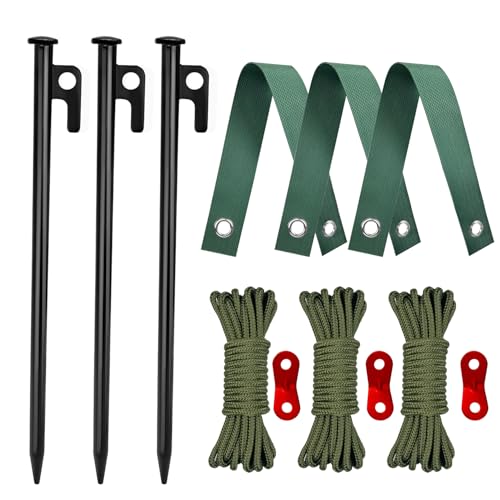
【Value Package】Package comes with 3pcs tree stakes,3pcs tree straps for staking and 3pcs ropes (each 13ft) with 3pcs aluminium tensioners. Complete tree stake kit enable your saplings to grow straight and healthy even in windy conditions

Perfect for Bad Weather: If you are searching for a tree stakes kit that can provide strong support to your young trees, you can never go wrong with our tree straps for staking, With a little care and attention, the tree straps will help you to grow beautiful, healthy trees
Conclusion
Now that you understand the factors influencing how long a tree should be staked, remember that the main goal is to support the tree without hindering its natural growth. Young trees usually need 1 to 2 years of staking to establish a strong root system. Keep an eye on soil conditions, tree species, and environmental factors that may affect the staking period. Be sure to monitor the tree’s progress regularly and remove the stakes once it can stand on its own. By providing temporary support and allowing for unrestricted growth, you’ll help the tree develop a sturdy, self-supporting structure as it grows.
Frequently Asked Questions
How long should a tree be staked for?
Trees are generally staked for 1 to 2 years to promote strong root development.
What factors affect the duration of tree staking?
Staking duration is influenced by soil conditions, tree species, and environmental elements.
When should tree stakes be removed?
Stakes should be removed when the tree can support itself and is growing well.
Why is monitoring important during tree staking?
Regular monitoring ensures the tree’s proper growth and development.

I’ve always been drawn to trees.As a kid, I spent most of my free time outside, climbing, exploring, and trying to figure out the names of the trees around me.That early curiosity eventually led me to study arboriculture and horticulture at Michigan State.Later, I completed a degree in forestry at the University of Michigan.
I’ve been working in tree care and education ever since.These days, I enjoy helping people learn more about the trees in their own backyards.How they grow, how to care for them, and why they matter.You don’t need to be an expert to appreciate trees.A little curiosity goes a long way.