Ever found yourself wondering how to properly secure a tree stake without the hassle? Picture this: a gust of wind threatens to uproot your newly planted tree, leaving you scrambling for a solution. What if you could learn a simple technique to keep your tree stable and thriving? In this article, you’ll discover the art of tying a tree stake like a pro.
Have you struggled with flimsy ties or knots that just won’t hold? Say goodbye to those worries as you uncover the secrets to securing your tree stake effectively. By mastering this essential skill, you’ll not only protect your tree from unexpected mishaps but also promote healthy growth and longevity. Get ready to elevate your gardening game with this practical guide.
Choosing the Right Materials
When choosing materials for tying a tree stake, opt for soft and stretchy ties that won’t harm the tree bark or constrict its growth.
Consider using material like nylon rope, rubber hose, or tree staking straps for a secure yet gentle hold.
Remember, the right materials will provide support without causing any damage to your growing tree.
| Material | Features |
|---|---|
| Nylon Rope | Soft and flexible for tree-friendly tying |
| Rubber Hose | Gentle yet sturdy for stable support |
| Tree Staking Straps | Adjustable and reliable for different sizes |
Recommended Products

【Complete Tree Straps for Staking Kit】Package comes with 8pcs tree straps and 52ft rope , with this kit you can ensure 3 to 4 trees to grow upright or protect them from harsh weathers like hurircane, helping your trees grow strong and healthy

Use for Hurricane protection: Our tree straps are made of quality materials that can provide strong support to your trees. Even in stormy weather, you don't need to worry about your trees being blown down by the wind.
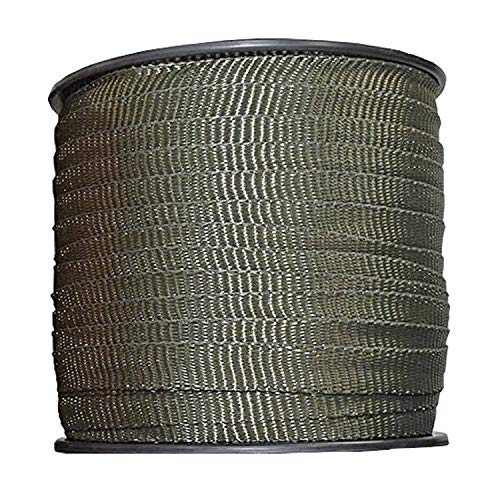
Plant & Tree Support. 5/8" Wide x 250 Ft Long. Ultra strong yet soft woven webbing ideal for plant, limb, branch and tree support. Strong enough to anchor large trees, yet flexible enough to use on young saplings and shrubs. This tree strap is excellent to prevent or repair tree damage caused by heavy snow or winds. Used for numerous horticultural, garden and landscape applications, simply cut to needed length. Natural olive color of the tree support strap blends into the environment.
Preparing the Tree Stake
To ensure proper installation, choose a sturdy stake that is at least one-third the height of the tree, and position it on the side of prevailing winds.
Inspect the stake for any sharp edges or rough surfaces that could damage the tree. Sanding down rough spots can prevent abrasions on the bark.
Secure the stake firmly in the ground, ensuring it’s stable enough to support the tree. Use a rubber mallet to drive it in if needed.
Add a protective barrier between the tree and the stake where they make contact. This prevents friction and damage to the bark.
Consider using a spacer between the tree and the tie to allow for growth and prevent girdling.
| Sturdy stake height: | At least one-third the height of the tree |
|---|---|
| Position: | On the side of prevailing winds |
| Inspection: | Check for sharp edges and rough surfaces |
| Barrier: | Protect tree with a barrier |
| Spacer: | Allow for growth and prevent girdling |
Positioning the Tree Stake
When positioning your tree stake, remember it’s crucial for providing proper support to your tree while avoiding any potential harm. Here are some key steps to ensure you get this right:
- Consider the prevailing winds: Position the stake on the side where the wind usually comes from to help your tree grow straight and tall.
- Choose the right angle: Insert the stake into the ground at a 45-degree angle, leaning away from the tree to provide stability and support.
- Avoid placing it too close: Make sure the stake is a few inches away from the tree to prevent any contact that could lead to bark damage.
By following these simple guidelines, you’ll ensure that your tree stake is optimally positioned to serve its purpose effectively.
Recommended Products
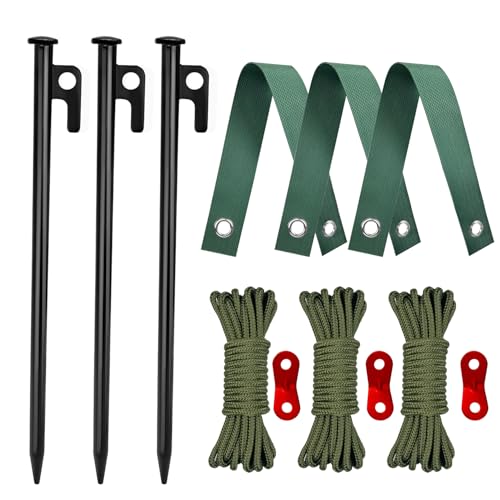
【Value Package】Package comes with 3pcs tree stakes,3pcs tree straps for staking and 3pcs ropes (each 13ft) with 3pcs aluminium tensioners. Complete tree stake kit enable your saplings to grow straight and healthy even in windy conditions
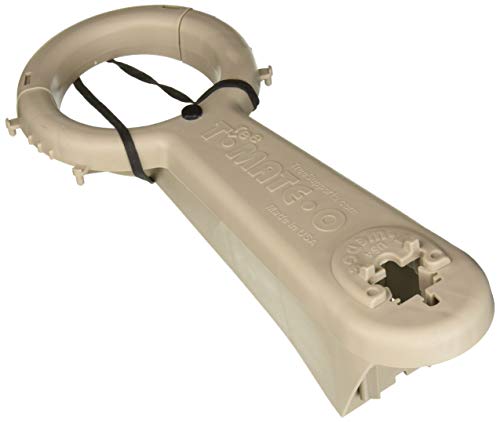

Perfect for Bad Weather: If you are searching for a tree stakes kit that can provide strong support to your young trees, you can never go wrong with our tree straps for staking, With a little care and attention, the tree straps will help you to grow beautiful, healthy trees
Tying Techniques for Maximum Stability
When securing a tree stake, using the right tying techniques is crucial for providing maximum stability and support. Follow these steps to ensure your tree is properly secured:
- Choose a Soft and Stretchy Material: Opt for a material like nylon rope, rubber hose, or tree staking straps that provide flexibility and prevent damage to the tree trunk.
- Avoid Tight Knots: Make sure not to tie the material too tightly around the tree stake to allow for natural movement and growth.
- Create Figure-8 Loops: Loop the tying material around the tree and stake in a figure-8 pattern to distribute pressure evenly.
- Check Regularly: Periodically inspect the ties to ensure they are secure but not constricting the tree’s growth.
By implementing these tying techniques, you can maximize stability while supporting healthy tree growth.
Recommended Products

Sufficient Quantity: meet the needs of various scenarios; Get 12 tree ties at once, including matching nails, eliminating the need to purchase additional accessories; Whether securing multiple trees in a small garden or for large-scale gardening, this quantity is sufficient

Perfect Tree Staking Kit: Our tree stake straight kits set includes 3 PCS tree strap ties for staking, 3 PCS steel tree stakes, and a 31.2 feet length rope for anchoring. Detailed instructions are included in the product packaging. This is a complete kit that you don't need to buy any other related accessories.
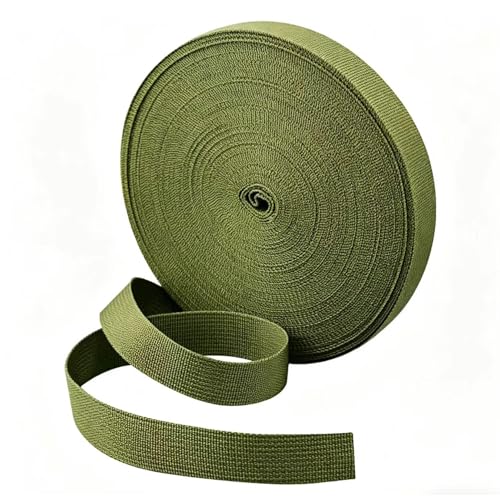
HIGH-STRENGTH - the maximum tensile strength is 1,800 lb, It's sturdy enough to brace your trees, corrosion resistant material can last a long time and support trees in all weather conditions
Checking and Adjusting the Tension
When checking the tension of your tree stake ties, remember to regularly inspect them. It’s vital to ensure they are secure but not constricting the tree’s growth.
Here are a few key points to keep in mind:
- Inspect ties every few months to maintain proper tension.
- Adjust ties if they are too loose or too tight to provide optimal support.
- Avoid leaving ties on for too long to prevent damage to the tree.
Be mindful of the tension in your ties. Proper maintenance will help your tree grow strong and healthy.
Conclusion
You now have the knowledge to effectively tie a tree stake and provide proper support for your trees. By selecting the right materials and positioning the stake correctly, you can ensure the health and growth of your trees. Remember to regularly check and adjust the tension of the ties to promote healthy development without causing harm. By following these simple steps, you can contribute to the well-being of your trees and create a thriving environment for them to flourish. Happy tree staking!
Frequently Asked Questions
What are the recommended materials for tree staking?
Soft and stretchy ties like nylon rope, rubber hose, or tree staking straps are recommended for tree staking.
How should the stake be positioned in relation to the tree?
Position the stake on the side of prevailing winds to provide effective support for the tree.
At what angle should the stake be inserted relative to the ground?
Insert the stake at a 45-degree angle away from the tree for optimal support.
How far should the stake be placed from the tree to prevent damage?
Ensure the stake is a few inches away from the tree to prevent bark damage.
How often should the tension of the ties be checked and adjusted?
Regularly check and adjust the tension of the ties every few months to ensure they are secure but not constricting the tree’s growth.
What should be done if the ties are too loose or too tight?
Adjust the ties if they are too loose or too tight to provide proper support for the tree.
How long should the ties be left on the tree?
Avoid leaving the ties on for too long to prevent tree damage and promote healthy growth.

I’ve always been drawn to trees.As a kid, I spent most of my free time outside, climbing, exploring, and trying to figure out the names of the trees around me.That early curiosity eventually led me to study arboriculture and horticulture at Michigan State.Later, I completed a degree in forestry at the University of Michigan.
I’ve been working in tree care and education ever since.These days, I enjoy helping people learn more about the trees in their own backyards.How they grow, how to care for them, and why they matter.You don’t need to be an expert to appreciate trees.A little curiosity goes a long way.