Definition of Tree Stakes
When you’re planting trees, tree stakes play a crucial role in providing support and stability. They are typically wooden or metal posts that help young or newly transplanted trees establish their roots securely. Tree stakes act as a temporary brace, preventing the tree from swaying excessively in strong winds or harsh weather conditions. By anchoring the tree to the ground, they promote healthy growth and development.
Some key points to note about tree stakes include:
- Purpose: Tree stakes are used to prevent newly planted trees from toppling over, especially in areas prone to strong winds.
- Materials: They are commonly made of wood, metal, or composite materials, providing a sturdy support structure for the tree.
- Installation: Tree stakes should be positioned a few inches away from the tree trunk and securely fastened to the ground to avoid damaging the roots.
Properly installed tree stakes can make a significant difference in the successful establishment of young trees. They offer the necessary support during the critical initial growth period, helping the trees thrive in various environmental conditions.
Benefits of Using Tree Stakes
When it comes to young or newly transplanted trees, using tree stakes offers several advantages. Here’s why you should consider utilizing them:
- Support & Stability: Tree stakes provide vital support, keeping your trees secure during strong winds or inclement weather.
- Prevents Damage: By reducing excessive swaying, tree stakes help prevent damage to the tree trunk and young roots.
- Promotes Growth: With the added support, trees can allocate more energy to growth and development, leading to faster establishment.
- Improved Water Absorption: Properly installed tree stakes can assist in water absorption by young trees, aiding in their overall health.
- Protects from Animals: In some cases, tree stakes can act as a deterrent against wildlife interference with young trees.
Including tree stakes in your tree care routine can significantly contribute to the long-term health and stability of your trees.
Recommended Products

Perfect Tree Staking Kit: Our tree stake straight kits set includes 3 PCS tree strap ties for staking, 3 PCS steel tree stakes, and a 31.2 feet length rope for anchoring. Detailed instructions are included in the product packaging. This is a complete kit that you don't need to buy any other related accessories.
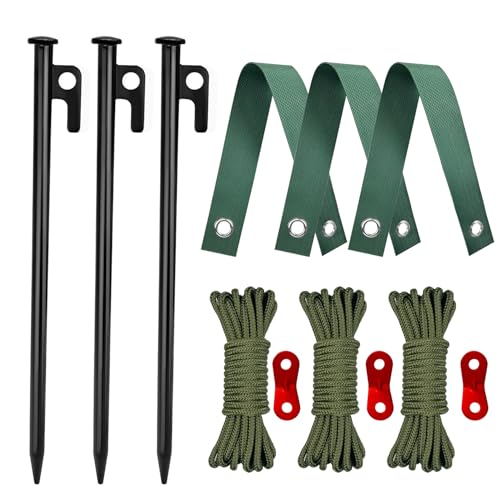
【Value Package】Package comes with 3pcs tree stakes,3pcs tree straps for staking and 3pcs ropes (each 13ft) with 3pcs aluminium tensioners. Complete tree stake kit enable your saplings to grow straight and healthy even in windy conditions
Types of Tree Stakes
When choosing tree stakes, it’s essential to consider the specific needs of the tree and the surrounding environment. Here are some common types of tree stakes that you can use to provide support and stability:
- Wooden Tree Stakes: Traditional and eco-friendly, these stakes blend well with natural surroundings. They are sturdy and offer reliable support for young trees.
- Metal Tree Stakes: Durable and long-lasting, metal stakes are ideal for areas with strong winds or heavy rainfall. They provide excellent stability for trees in harsh conditions.
- Fiberglass Tree Stakes: Lightweight yet robust, fiberglass stakes are resistant to rust and decay. They are flexible enough to allow for some movement while still supporting the tree.
- Bamboo Tree Stakes: Environmentally friendly and easy to install, bamboo stakes offer a sustainable option for tree support. They are cost-effective and biodegradable.
- Plastic Tree Stakes: Affordable and versatile, plastic stakes are available in various designs and colors. They are easy to clean and reuse for multiple planting seasons.
Each type of stake has its advantages and is suitable for different situations. Consider the needs of your tree and the environmental factors when selecting the most appropriate stake for optimal support and growth.
Recommended Products

Protect Young Trees from Bad Weather: Tree stake kits are typically used when planting young trees, particularly those with small or shallow root systems, in order to provide support and promote healthy growth. Young trees are more susceptible to wind damage than mature trees, FCENDS tree stake kit can help to support the tree and prevent it from leaning or tipping over in high winds.

【Complete Tree Straps for Staking Kit】Package comes with 8pcs tree straps and 52ft rope , with this kit you can ensure 3 to 4 trees to grow upright or protect them from harsh weathers like hurircane, helping your trees grow strong and healthy

Sturdy and Easy to Use: Crafted from premium, durable materials, our 2-pack of 48-inch moss poles empowers your climbing plants with reliable support while ensuring hassle-free installation
How to Install Tree Stakes Properly
To install tree stakes properly, follow these steps:
- Choose the Right Stake: Select a stake that is at least two-thirds the height of the tree and made of a durable material.
- Positioning: Place the stake on the side of the prevailing wind to provide the most support.
- Angle: Insert the stake at a 45-degree angle towards the tree, ensuring it doesn’t damage the roots.
- Fastening: Use a flexible tie material to secure the tree to the stake, allowing some movement but preventing it from bending too far.
- Check Regularly: Monitor the tree stake regularly to ensure it remains secure and adjust it if needed.
By correctly installing tree stakes, you can provide the necessary support for young or newly transplanted trees, aiding in their growth and stability.
Recommended Products
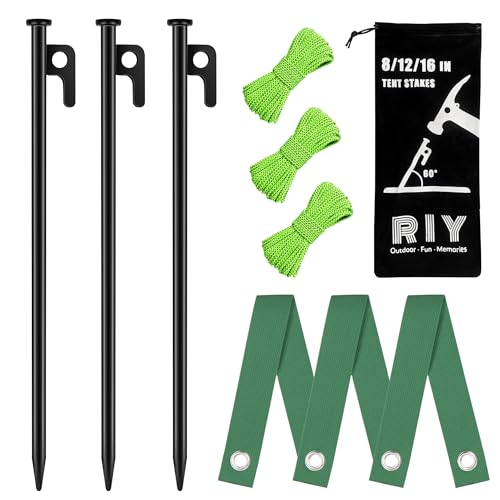
HIGH QUALITY AND DURABLE: Forged plant stakes (12") is not easy to bend, high-strength nylon tree rope (118") , wear resistant fabric tree straps tearing resistance, stable and reliable

Everything You Need is Included - Steel tree stake kits includes 3 steel stakes (11.8 inch), 3 straps (15.75 inch), and 3 ropes (13.12 FT) for anchoring. The diameter 4mm ropes come with aluminium tensioners for quick set up. Strong metal stakes without the worry of breaking in half or bending like plastic stakes, enough to hold the tree firmly. The straps are wide enough to spread the load so there's little chance that it will damage the bark or constrict the tree in any way

【Heavy Duty Spiral Stakes】Compared to ordinary straight stakes, the spiral structure provides excellent grip. It can firmly fix your trees in place, resisting strong winds and harsh outdoor conditions. Constructed with high-quality metal, these heavy-duty spiral stakes won’t easy bend or snap. Suitable for hard, rocky ground and grassland
Tips for Maintaining Tree Stakes
- Regular Inspection: Check your tree stakes periodically for tightness, damage, or any signs of wear.
- Loose Ties: If you notice any loose ties, promptly adjust them to provide proper support.
- Growth Monitoring: Keep an eye on your tree’s growth to determine if the stakes need repositioning or adjustment.
- Weather Consideration: During windy seasons, consider reinforcing your tree stakes for added stability.
- Replacement: Replace any damaged or deteriorating tree stakes promptly to avoid potential harm to your tree.
| Data/Tip | Description |
|---|---|
| Regular Inspection | Check stakes periodically |
| Loose Ties | Promptly adjust any loose ties |
| Growth Monitoring | Monitor tree growth for adjustments |
| Weather Consideration | Reinforce stakes in windy seasons |
| Replacement | Replace damaged stakes promptly |
Conclusion
Remember, tree stakes play a vital role in the growth and protection of young trees. Selecting the appropriate stake and installing it correctly are key to ensuring your tree’s stability and health. Regular maintenance, such as inspecting tightness, adjusting ties, and monitoring growth, is essential for the stake’s effectiveness. By following these guidelines, you can help your tree thrive and withstand varying weather conditions. Happy tree planting!
Frequently Asked Questions
What are tree stakes used for?
Tree stakes are used to support young trees and protect them from damage caused by strong winds.
What are the different types of tree stakes available?
There are various types of tree stakes to choose from, including wooden stakes, metal stakes, fiberglass stakes, bamboo stakes, and plastic stakes.
How should tree stakes be installed?
Proper installation involves placing the stake two-thirds the height of the tree on the windward side, driving it in at a 45-degree angle, and securing the tree to the stake with flexible ties.
What maintenance is required for tree stakes?
Regular maintenance includes checking the tightness of ties, adjusting loose ties promptly, monitoring tree growth for repositioning needs, reinforcing stakes during windy seasons, and replacing damaged stakes promptly.

I’ve always been drawn to trees.As a kid, I spent most of my free time outside, climbing, exploring, and trying to figure out the names of the trees around me.That early curiosity eventually led me to study arboriculture and horticulture at Michigan State.Later, I completed a degree in forestry at the University of Michigan.
I’ve been working in tree care and education ever since.These days, I enjoy helping people learn more about the trees in their own backyards.How they grow, how to care for them, and why they matter.You don’t need to be an expert to appreciate trees.A little curiosity goes a long way.