Ever wondered how to ensure your newly transplanted tree stands tall and strong? Picture this: you’ve just relocated a large tree to your garden, but it’s struggling to find its footing. Don’t worry, we’ve got you covered! In this article, we’ll show you the ropes on staking a large transplanted tree like a pro.
Have you ever faced the dilemma of watching a tree wobble precariously after being moved? It’s a common issue that many gardeners encounter. But fret not, as mastering the art of staking can make all the difference. By following our expert tips, you’ll not only provide vital support to your tree but also ensure its healthy growth and stability in the long run.
Assessing the Tree’s Condition
When assessing your tree’s condition, look for these key factors:
- Root Stability: Check if the tree is firmly anchored in the soil.
- Trunk Lean: Note any unusual leaning that could signify instability.
- Canopy Health: Ensure the canopy is vibrant and not wilting.
- Previous Damage: Look for signs of stress or damage from the transplant.
Before staking the tree, it’s crucial to assess these aspects to determine the level of support needed.
Choosing the Right Staking Materials
When it comes to staking a large transplanted tree, selecting the appropriate materials is crucial for providing adequate support while avoiding any potential harm to the tree. Here are some key considerations to keep in mind:
- Opt for soft and flexible ties that won’t constrict the tree’s growth as it matures.
- Choose durable and weather-resistant stakes to withstand outdoor conditions and provide long-term support.
- Consider using tree straps instead of wire or twine to prevent damage to the tree’s bark.
By prioritizing the quality and compatibility of your staking materials, you can effectively support your transplanted tree without compromising its health and growth.
Recommended Products
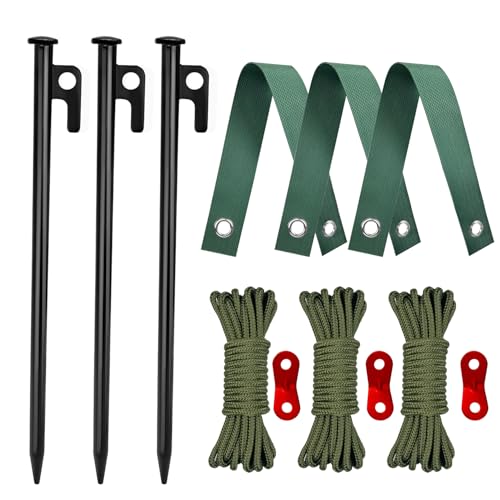
【Value Package】Package comes with 3pcs tree stakes,3pcs tree straps for staking and 3pcs ropes (each 13ft) with 3pcs aluminium tensioners. Complete tree stake kit enable your saplings to grow straight and healthy even in windy conditions

Perfect Tree Staking Kit: Our tree stake straight kits set includes 3 PCS tree strap ties for staking, 3 PCS steel tree stakes, and a 31.2 feet length rope for anchoring. Detailed instructions are included in the product packaging. This is a complete kit that you don't need to buy any other related accessories.

【Complete Tree Straps for Staking Kit】Package comes with 8pcs tree straps and 52ft rope , with this kit you can ensure 3 to 4 trees to grow upright or protect them from harsh weathers like hurircane, helping your trees grow strong and healthy
Determining the Staking Method
When determining the staking method for your large transplanted tree, consider the following factors:
- Size of the Tree: Assess how large and heavy the tree is to determine the number of stakes needed for proper support.
- Location and Climate: Take into account the environmental conditions where the tree is planted to choose stakes that can withstand the weather.
- Tree Species: Different trees have varying growth patterns, so research how your specific tree species may need to be supported.
- Flexible vs. Rigid Staking: Decide between flexible or rigid staking based on the tree’s flexibility needs for healthy growth.
- Staking Duration: Determine how long the tree will need support to select appropriate staking materials for the duration.
Keeping these points in mind will help you select the most suitable staking method for your transplanted tree.
Recommended Products

Protect Young Trees from Bad Weather: Tree stake kits are typically used when planting young trees, particularly those with small or shallow root systems, in order to provide support and promote healthy growth. Young trees are more susceptible to wind damage than mature trees, FCENDS tree stake kit can help to support the tree and prevent it from leaning or tipping over in high winds.
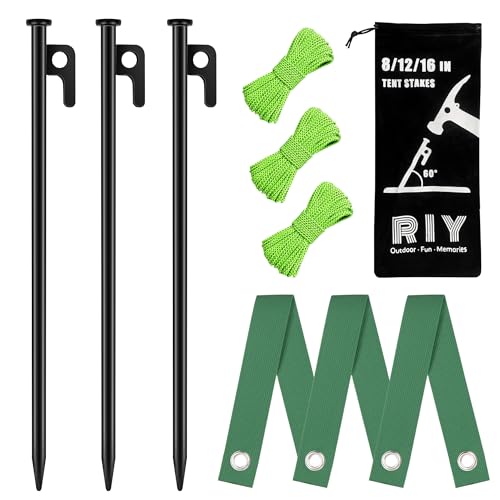
HIGH QUALITY AND DURABLE: Forged plant stakes (12") is not easy to bend, high-strength nylon tree rope (118") , wear resistant fabric tree straps tearing resistance, stable and reliable

Perfect for Bad Weather: This simple yet effective tree staking kit can dramatically improve a tree's chances of survival in severe weather conditions. So don’t wait for a storm—get our metal tree stakes kit today and be ready for whatever Mother Nature brings
Properly Installing the Support System
When installing the support system for your large transplanted tree, ensure you follow these essential steps:
- Select sturdy and durable materials that can withstand outdoor elements
- Drive the stakes into the ground at a slant away from the tree
- Attach the ties to the tree loosely to allow for some movement
- Regularly check the ties and adjust them as the tree grows
- Remove the support system once the tree is firmly established
Remember, a well-installed support system is crucial for the healthy growth and stability of your transplanted tree.
Recommended Products

Perfect for Bad Weather: If you are searching for a tree stakes kit that can provide strong support to your young trees, you can never go wrong with our tree straps for staking, With a little care and attention, the tree straps will help you to grow beautiful, healthy trees

Everything You Need is Included - Steel tree stake kits includes 3 steel stakes (11.8 inch), 3 straps (15.75 inch), and 3 ropes (13.12 FT) for anchoring. The diameter 4mm ropes come with aluminium tensioners for quick set up. Strong metal stakes without the worry of breaking in half or bending like plastic stakes, enough to hold the tree firmly. The straps are wide enough to spread the load so there's little chance that it will damage the bark or constrict the tree in any way

Tree Wind Support designed to stabilize newly planted trees against strong wind, this tree support straps system prevents leaning and root movement, keeping young trees upright during storms and daily outdoor exposure
Monitoring and Adjusting as Needed
Once you’ve installed the support system for your transplanted tree, the work doesn’t stop there! It’s essential to regularly monitor the tree and make adjustments as needed to ensure its healthy development.
Key steps for monitoring and adjusting include:
- Check ties: Ensure ties are not too tight, allowing some movement as needed.
- Inspect stakes: Make sure stakes are secure and not causing any harm to the tree.
- Loosen ties if necessary: If ties are restricting growth, adjust them accordingly.
- Regular check-ins: Dedicate time to inspect the tree periodically to spot any issues early on.
By staying vigilant and making small corrections along the way, you’ll help your transplanted tree establish itself successfully.
Conclusion
Ensuring the stability and growth of a large transplanted tree is vital for its long-term health. By carefully selecting the right staking method, using quality materials, and regularly monitoring the support system, you can help the tree establish itself successfully. Remember to adjust ties as needed and keep a close eye on the tree’s development. Your efforts in providing proper support and care will contribute to the tree’s resilience and beauty in the years to come.
Frequently Asked Questions
What factors should be considered when choosing a staking method for a transplanted tree?
When selecting a staking method, consider the tree’s size, location, wind exposure, soil conditions, and potential for damage.
Why is it crucial to install the support system using sturdy materials?
Using sturdy materials ensures stability and support for the tree, preventing it from swaying or getting damaged by winds or other elements.
How should ties be adjusted as the tree grows?
Adjust ties periodically to allow for growth, avoiding constricting the tree’s natural development and preventing damage to the trunk.
Why is ongoing monitoring and adjustments important for a staked tree?
Regular monitoring helps ensure the tree’s healthy growth and prevents issues like rubbing or girdling, which can harm the tree’s long-term health.
What are some key tasks to perform during monitoring?
Tasks include checking tie tightness, inspecting stakes for stability, and loosening ties when necessary to promote the tree’s successful establishment.

I’ve always been drawn to trees.As a kid, I spent most of my free time outside, climbing, exploring, and trying to figure out the names of the trees around me.That early curiosity eventually led me to study arboriculture and horticulture at Michigan State.Later, I completed a degree in forestry at the University of Michigan.
I’ve been working in tree care and education ever since.These days, I enjoy helping people learn more about the trees in their own backyards.How they grow, how to care for them, and why they matter.You don’t need to be an expert to appreciate trees.A little curiosity goes a long way.