Ever wondered how to protect your precious trees from the harsh elements? Picture this: a gusty windstorm threatening to uproot your beloved saplings. What if there was a simple solution to safeguard your green companions? In this article, you’ll discover the art of digging stakes to shield your trees.
Have you ever struggled with finding a reliable method to secure your trees in place? Imagine the peace of mind knowing that your trees are firmly anchored, standing tall and proud. By learning how to dig stakes effectively, you’ll not only protect your trees but also nurture a thriving garden oasis.
Benefits of Digging Stakes for Tree Protection
Digging stakes is not just a chore; it’s a vital step in ensuring the well-being of your trees. Properly secured trees have a higher chance of standing tall against harsh winds and unpredictable weather conditions. Here are the advantages you’ll reap from investing time and effort into digging stakes for tree protection:
- Stability: Staking your trees provides crucial support and stability, especially for younger trees with underdeveloped root systems.
- Prevention: By securing your trees with stakes, you reduce the risk of uprooting during storms, which can prevent damage to your property and ensure the tree’s longevity.
- Promoting Growth: Staked trees can focus on growing strong roots and healthy branches, rather than battling harsh environmental elements.
- Enhanced Aesthetics: Properly staked trees maintain their graceful shape and upright posture, contributing to the overall beauty of your garden or landscape.
Choosing the Right Stakes for Your Trees
When it comes to choosing stakes for your trees, there are a few key factors to consider. Here are some points to keep in mind:
- Material: Opt for durable materials like wood, bamboo, or metal. Avoid treated wood that can harm your trees.
- Size: Choose stakes that are tall enough to provide adequate support for your trees. A general rule is two-thirds of the tree’s height.
- Thickness: Select stakes that are thick enough to withstand wind and other elements without bending or breaking.
- Number: Depending on the size and type of tree, you may need one or multiple stakes for proper support.
- Shape: Consider both straight and ribbed stakes for different types of trees and varying support needs.
By carefully selecting the right stakes, you can ensure that your trees receive the support they need to thrive and grow healthy.
Recommended Products

Perfect Tree Staking Kit: Our tree stake straight kits set includes 3 PCS tree strap ties for staking, 3 PCS steel tree stakes, and a 31.2 feet length rope for anchoring. Detailed instructions are included in the product packaging. This is a complete kit that you don't need to buy any other related accessories.
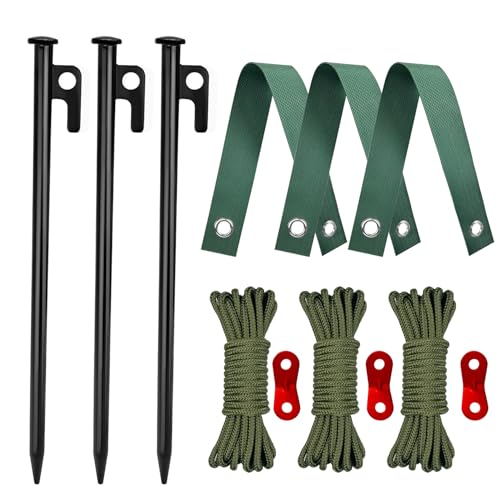
【Value Package】Package comes with 3pcs tree stakes,3pcs tree straps for staking and 3pcs ropes (each 13ft) with 3pcs aluminium tensioners. Complete tree stake kit enable your saplings to grow straight and healthy even in windy conditions

Protect Young Trees from Bad Weather: Tree stake kits are typically used when planting young trees, particularly those with small or shallow root systems, in order to provide support and promote healthy growth. Young trees are more susceptible to wind damage than mature trees, FCENDS tree stake kit can help to support the tree and prevent it from leaning or tipping over in high winds.
Proper Placement of Stakes for Maximum Support
When protecting your trees, proper placement of stakes is crucial for providing them with the maximum support they need to grow healthy and strong. Here’s how you can ensure that your stakes are positioned correctly for optimal tree protection:
- Positioning: Place stakes on opposite sides of the tree, forming a triangle with the trunk at the center. This configuration provides stability from all directions.
- Distance: Drive stakes into the ground at a distance that allows for some flexibility in the tree’s movement, but not too close that it restricts growth.
- Angle: Drive the stakes into the ground at a 45-degree angle away from the tree to prevent the trunk from rubbing against them.
- Tension: Secure the tree to the stakes with a flexible tie, allowing for some movement as the tree grows, but ensuring it stays upright.
Remember, the goal is to provide support without inhibiting the tree’s natural movement or growth. By following these guidelines, you can protect your trees effectively and promote their overall well-being.
Recommended Products

SOFT, STRONG & EXTRA WIDE - Biostretch Tree Ties are made from premium green fabric and are specially designed for larger plants and young trees. Their extra wide design offers enhanced strength and stretchability, and they can easily be cut to your desired length.

【Complete Tree Straps for Staking Kit】Package comes with 8pcs tree straps and 52ft rope , with this kit you can ensure 3 to 4 trees to grow upright or protect them from harsh weathers like hurircane, helping your trees grow strong and healthy

Everything You Need is Included - Steel tree stake kits includes 3 steel stakes (11.8 inch), 3 straps (15.75 inch), and 3 ropes (13.12 FT) for anchoring. The diameter 4mm ropes come with aluminium tensioners for quick set up. Strong metal stakes without the worry of breaking in half or bending like plastic stakes, enough to hold the tree firmly. The straps are wide enough to spread the load so there's little chance that it will damage the bark or constrict the tree in any way
Step-by-Step Guide to Digging Stakes around Trees
To effectively protect and support your trees, follow these simple steps to dig stakes around them:
-
Selecting Stakes
- Choose sturdy, long-lasting stakes that are tall enough to extend above the tree’s height.
- Opt for stakes made of materials like wood or metal for durability.
-
Positioning Stakes
- Space the stakes at equal distances from the tree to form a triangular pattern around it.
- Ensure the stakes are positioned at a 45-degree angle relative to the ground.
-
Digging Holes
- Use a post hole digger to create holes deep enough to firmly anchor the stakes.
- Angle the holes away from the tree to avoid root damage during insertion.
-
Inserting Stakes
- Place the stakes in the holes, ensuring they are secure and stable.
- Pack the soil tightly around the stakes to provide additional support.
- Attach flexible ties to the tree trunk and the stakes, allowing for some movement.
- Check the ties periodically to adjust tightness as the tree grows.
By following these steps, you can effectively dig stakes around your trees to protect them while promoting healthy growth and stability.
Recommended Products
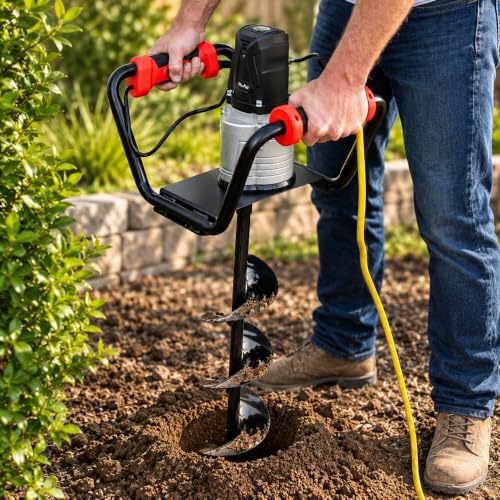
HOLE DIGGER MACHINE - Perfect for installing fence post, deck, planting tree and many other lawn applications and even ice fishing with specialized electric ice augers. It's the ideal digging tool for any homeowner or professional landscaper

Powerful Performance: This electric post hole digger is equipped with a high-power 1500W motor, capable of drilling holes up to 5.91 in (150 mm) in diameter and 36.42 in (925 mm) deep. Whether dealing with hard soil or soft earth, it delivers stable and efficient drilling power, making it easy to complete tasks like fence installation or tree planting for home or farm projects

【T-shaped Auger Drill&Twist Tiller】T-shaped Auger Drill has 4-stage detachable connection structure, with 2 different heads, post hole digger and twist tiller, total length is 44.5 inch, diameter is 4 inch, which can be adjusted to a suitable height for work, can keep you away from the waist pain caused by bending over to plant vegetables or flowers. The handles is made of a non-slip material which does not strain your hands much and also provides a good grip to your hands.
Maintaining and Monitoring Stakes for Long-Term Tree Health
Once you have properly installed stakes around your tree, it’s essential to maintain and monitor them for long-term tree health. Here are some key tips to ensure your tree stays protected and grows healthily:
- Regular Checks: Inspect the stakes and ties every few weeks to ensure they are secure and not causing any damage to the tree.
- Adjustment: As your tree grows, loosen ties to accommodate its increasing girth without constriction.
- Soil Management: Periodically check the soil around the base of the tree to ensure it is firm and provides stability to the stakes.
- Weather Considerations: Extreme weather conditions can affect the tree and its stakes. Be mindful of any storms or high winds that may require additional support.
| Fact | Data |
|---|---|
| Regular stake checks | Every few weeks |
| Loosening ties | As the tree grows |
| Soil stability check | Periodically |
| Weather monitoring | Especially during storms |
By maintaining and monitoring the stakes around your tree, you will protect its health and promote optimal growth over time.
Conclusion
You now have the knowledge to effectively protect your trees by properly installing and maintaining stakes. Remember to regularly check the stakes and ties, adjusting them as needed to support the tree’s growth. Ensuring soil stability and keeping an eye on extreme weather conditions are key to promoting optimal tree health. By implementing these practices, you’ll be able to safeguard your trees and encourage their long-term well-being. Happy tree caring!
Frequently Asked Questions
How often should I check the stakes and ties for my newly planted tree?
Check the stakes and ties every few weeks to ensure they are secure and supporting the tree properly. Adjust ties as the tree grows to prevent girdling and allow for natural movement.
Why is soil stability important for the health of newly planted trees?
Soil stability is crucial because it anchors the root ball, providing support and allowing the roots to establish themselves in the ground. Proper soil stability ensures that the tree can access essential nutrients and water for healthy growth.
What extreme weather conditions should I be mindful of when caring for a newly planted tree?
Be cautious of strong winds, heavy rain, and frost, as these conditions can impact the stability of the tree and its stakes. Take proactive measures such as adding extra support or protection during extreme weather events.

I’ve always been drawn to trees.As a kid, I spent most of my free time outside, climbing, exploring, and trying to figure out the names of the trees around me.That early curiosity eventually led me to study arboriculture and horticulture at Michigan State.Later, I completed a degree in forestry at the University of Michigan.
I’ve been working in tree care and education ever since.These days, I enjoy helping people learn more about the trees in their own backyards.How they grow, how to care for them, and why they matter.You don’t need to be an expert to appreciate trees.A little curiosity goes a long way.