Ever wondered if your cherry tree needs a helping hand to stand tall and strong? Picture this: a gusty wind blows through your garden, and your beloved cherry tree sways precariously. Should you stake it or let it tough it out on its own? In this article, we’ll guide you through the decision-making process.
You might be thinking, “Why bother staking my cherry tree?” Well, by the end of this read, you’ll understand the importance of proper support for your tree’s growth and health. Let’s dive in and explore whether staking is the right move for your cherry tree.
Benefits of Staking a Cherry Tree
Staking a cherry tree offers numerous advantages that contribute to its overall health and growth. Here are some key benefits to consider:
- Prevents Swaying: Staking helps stabilize the cherry tree, reducing the risk of breakage or damage caused by strong winds.
- Promotes Root Establishment: By providing support, staking encourages the development of a strong root system, which is crucial for the tree’s long-term stability.
- Enhances Growth: Staked trees often exhibit better growth and vigor, especially during the early stages of development.
- Protects Against Pests: In some cases, staking can help deter pests or wildlife that may otherwise pose a threat to the tree.
- Facilitates Maintenance: Staked cherry trees are often easier to care for, allowing for simpler pruning and maintenance procedures.
Remember, the decision to stake a cherry tree should be based on individual circumstances and the specific needs of your tree.
Signs That Your Cherry Tree Needs Staking
If you’re wondering whether your cherry tree could benefit from staking, keep an eye out for these signs that indicate it might be time to lend some support:
- Weak or Leaning Stem: Is your cherry tree struggling to stand upright, or does it lean to one side? These are clear indicators that staking could help.
- Recent Transplant: Newly transplanted cherry trees might need extra support as they establish their roots in their new environment.
- Excessive Swaying: If your tree sways excessively in the wind, it could lead to root damage and hinder its growth.
- Heavy Fruiting: A cherry tree laden with fruits might become top-heavy, increasing the risk of bending or breaking under the weight.
- Exposed Location: Trees in open or windy areas are more susceptible to being pushed around, making staking a wise choice to provide stability.
- Young or Fragile Growth: Young cherry trees or those with delicate stems are more prone to bending or snapping, making them good candidates for staking.
By keeping a close watch on these signs, you can determine whether staking your cherry tree is necessary to promote its health and growth.
Recommended Products
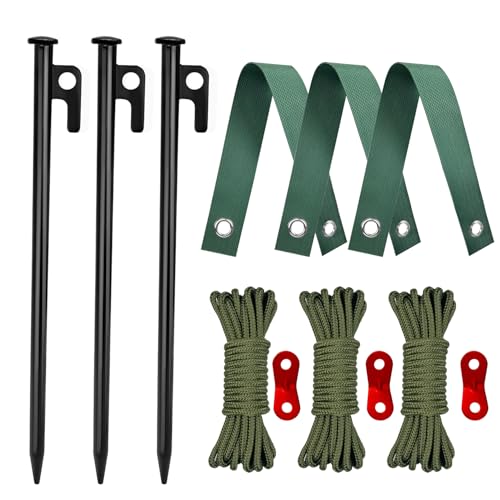
【Value Package】Package comes with 3pcs tree stakes,3pcs tree straps for staking and 3pcs ropes (each 13ft) with 3pcs aluminium tensioners. Complete tree stake kit enable your saplings to grow straight and healthy even in windy conditions
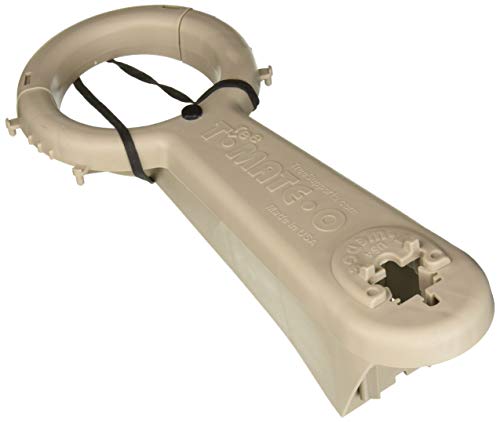

Perfect Tree Staking Kit: Our tree stake straight kits set includes 3 PCS tree strap ties for staking, 3 PCS steel tree stakes, and a 31.2 feet length rope for anchoring. Detailed instructions are included in the product packaging. This is a complete kit that you don't need to buy any other related accessories.
How to Properly Stake a Cherry Tree
Staking your cherry tree correctly is crucial for its healthy growth and development. Here’s a simple guide on how to do it:
- Choose the Right Materials: Opt for soft, wide straps to avoid damaging the tree’s bark.
- Placement: Drive the stakes into the ground outside the root ball to provide adequate support.
- Fasten Securely: Attach the straps to the tree at a height midway up the trunk using a figure-eight pattern.
- Loosen Regularly: Check the straps periodically and adjust them to prevent them from girdling the tree.
Properly staking your cherry tree can make a significant difference in its overall strength and resilience.
Recommended Products

Perfect for Bad Weather: If you're looking for a tree stakes kit that provides strong support to your young trees, our tree straps for staking are a great choice. With a little care, they help your trees grow strong and healthy

【Complete Tree Straps for Staking Kit】Package comes with 8pcs tree straps and 52ft rope , with this kit you can ensure 3 to 4 trees to grow upright or protect them from harsh weathers like hurircane, helping your trees grow strong and healthy

Reliable Quality : Made of premium nylon webbing, sturdy and not easily break. Our tree straps are flexible so that it is easy to fix and won't damage to tree barks
Common Mistakes to Avoid When Staking
When staking your cherry tree, it’s essential to steer clear of some common mistakes that can hinder its growth and development. Here are some key points to keep in mind:
- Avoid staking too tightly: Tightly staking the tree can restrict its natural movement and hinder proper root development. Make sure to allow some flexibility when securing it to the stakes.
- Don’t leave the straps on for too long: While staking initially provides support, leaving the straps on for too long can lead to issues. Regularly check and loosen the straps to prevent them from digging into the bark.
- Avoid tying the straps too low: Placing the straps too low on the trunk can cause instability and may not provide adequate support. Aim to fasten the straps midway up the trunk in a secure figure-eight pattern.
- Don’t use materials that can damage the tree: Using materials that can cut into the bark, such as wire or thin rope, can cause damage. Opt for soft, wide straps to secure the tree without the risk of harm.
Remember, proper staking plays a crucial role in enhancing your cherry tree’s strength and resilience. By steering clear of these common mistakes, you can promote healthy growth and ensure your tree thrives for years to come.
Recommended Products

Perfect for Bad Weather: If you are searching for a tree stakes kit that can provide strong support to your young trees, you can never go wrong with our tree straps for staking, With a little care and attention, the tree straps will help you to grow beautiful, healthy trees

[STRONG TENSILE STRENGTH]-The tree strap is very strong with 2,200 lb (1,000 kg) tensile strength,it can protect your trees from bad weather or in windy area.

Use for Hurricane protection: Our tree straps are made of quality materials that can provide strong support to your trees. Even in stormy weather, you don't need to worry about your trees being blown down by the wind.
When Not to Stake Your Cherry Tree
Sometimes, cherry trees don’t need staking. Here are situations when you should skip the stakes:
- Established Trees: Mature cherry trees with strong trunks often don’t require staking.
- Stable Location: If your tree is in a protected area with minimal wind, it may not need staking.
- Proper Growth: Trees that are growing straight and stable on their own may not need staking support.
Keep these points in mind to decide if your cherry tree really needs staking.
Conclusion
Ensuring proper staking for your cherry tree is crucial for its healthy growth. Avoid common mistakes like staking too tightly or using damaging materials. By following correct techniques and considering when staking is necessary, you can improve your tree’s strength and resilience. Remember, a well-staked cherry tree can thrive for years to come.
Frequently Asked Questions
Q: Why is it important to avoid common mistakes when staking a cherry tree?
A: Avoiding mistakes like staking too tightly or using damaging materials ensures healthy growth and development of the cherry tree.
Q: What are some common mistakes to avoid when staking a cherry tree?
A: Common mistakes include staking too tightly, leaving straps on for too long, tying straps too low on the trunk, and using materials that can harm the tree.
Q: What are some proper staking techniques to enhance cherry tree growth?
A: Proper techniques include allowing flexibility, regular checks, and using soft, wide straps to promote the strength and resilience of the cherry tree.
Q: In what situations may staking not be necessary for a cherry tree?
A: Staking may not be necessary for mature trees with strong trunks, trees in protected areas with minimal wind, and trees growing straight and stable on their own.

I’ve always been drawn to trees.As a kid, I spent most of my free time outside, climbing, exploring, and trying to figure out the names of the trees around me.That early curiosity eventually led me to study arboriculture and horticulture at Michigan State.Later, I completed a degree in forestry at the University of Michigan.
I’ve been working in tree care and education ever since.These days, I enjoy helping people learn more about the trees in their own backyards.How they grow, how to care for them, and why they matter.You don’t need to be an expert to appreciate trees.A little curiosity goes a long way.