
As the sycamore trees' leaves change color, signaling the approach of winter, it's essential to prepare them for the cold months ahead. Just like getting ready for a long journey, the trees need care too.
From trimming to safeguarding against extreme weather, there are vital steps to ensure their well-being.
If you want your sycamore trees to stay healthy and strong through winter, there are important preparations to consider.
Pruning Sycamore Trees
To prepare your sycamore trees for winter, you should begin by pruning any dead or diseased branches before the colder months arrive.
Branch trimming not only enhances the appearance of the tree but also promotes overall tree health.
It's crucial to remove any dead or diseased branches as they can become a breeding ground for pests and diseases, which may further harm the tree.
Additionally, pruning helps in growth regulation by directing the tree's energy towards healthy branches and new growth.
By removing weak or unwanted branches, you enable the tree to focus its resources on strengthening and developing new, healthy growth.
This ensures that your sycamore tree is better equipped to withstand the harsh conditions of winter and flourish come springtime.
Recommended Products

Adjustable and Durable Handle - Extendable Loppers: The lopping shears are adjustable from 16 inches to 24 inches, allowing you to handle tall branches easily. The iron arm is more sturdy and durable, and will not bend even when cutting large and thick branches.

Sharp Mn Steel Blade for Fast & Clean Cuts: This pole saw uses a sharp three-sided edge with a double-sided barb design to grip branches securely and cut smoothly from multiple angles. The Mn steel blade is durable, rust-resistant, and lightweight, delivering fast, clean cuts. This is a manual pole saw with detachable pole sections for adjustable reach, not pruner, not a telescoping pole; it is neither electric nor battery-powered.
Sharp Mn Steel Blade for Fast & Clean Cuts: This pole saw uses a sharp three-sided edge with a double-sided barb design to grip branches securely and cut smoothly from multiple angles. The Mn steel blade is durable, rust-resistant, and lightweight, delivering fast, clean cuts. This is a manual pole saw with detachable pole sections for adjustable reach; not pruner not telescoping pole, it is neither electric nor battery-powered.
Mulching and Fertilizing
After pruning the dead or diseased branches of your sycamore tree, the next step in preparing it for winter is mulching and fertilizing to ensure its health and resilience during the colder months.
Mulching is vital for maintaining soil health and protecting the tree's roots from extreme temperatures. Apply a layer of organic mulch, such as wood chips or shredded leaves, around the base of the tree, extending it to the drip line but not touching the trunk. This will help conserve moisture, regulate soil temperature, and suppress weed growth.
Additionally, fertilizing your sycamore tree in late fall provides essential winter nutrients that will support its overall health and vigor during the dormant season. Use a balanced fertilizer to promote root development and prepare the tree for the challenges of winter.
Protecting From Extreme Temperatures
When protecting your sycamore tree from extreme temperatures, consider using insulating materials to shield it from the harsh winter conditions. Winter watering is crucial, so ensure the tree receives adequate moisture before the ground freezes. Additionally, wind protection is essential to prevent desiccation caused by cold, dry winds. Below, find a table summarizing the key methods for protecting your sycamore tree from extreme temperatures:
| Protection Method | Description |
|---|---|
| Insulating Materials | Use burlap or tree wraps to shield the trunk and lower branches from cold. |
| Winter Watering | Ensure the tree is well-hydrated before the ground freezes to prevent stress. |
| Wind Protection | Install windbreaks or barriers to shield the tree from cold, dry winds. |
Recommended Products
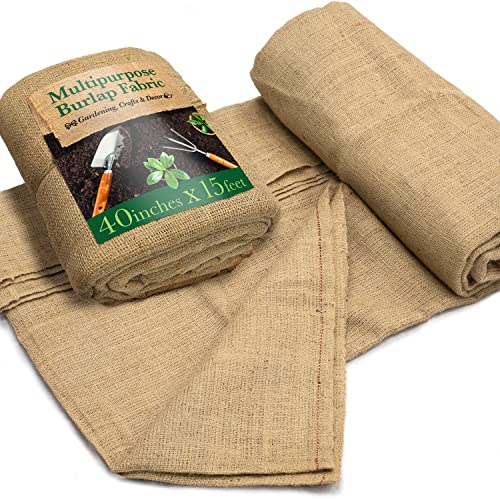
Large Sized Roll - Get more value for your money! Our burlap fabric 40 inches wide comes in 2 sizes: 40”x15 ft. and 40"x30 ft. This gives you freedom to customize according to your DIY needs.

MULTIPLE SIZES FOR EVERY GARDEN NEED: Choose from five size options, from 40" x 10 ft to 40" x 70 ft, to match different coverage needs around your home and garden. Whether you are wrapping young tree trunks, covering shrubs, or preparing garden beds for cold weather, select the size that fits your winter plant care projects.re wrapping young tree trunks, covering shrubs, protecting potted plants, or setting up larger garden beds, you can select the size that works best for your winter prep.

Sturdy Material, Porous and Breathable: our tree wrap is made of jute burlap material. It was light weight so it didn't hurt the plants and keeping them warm saved them from freezing, and dries faster than most wraps after it gets wet so the danger of rotting is broken
Inspecting for Pests and Diseases
Inspect your sycamore tree for pests and diseases, ensuring its health and resilience against potential threats after protecting it from extreme temperatures.
Start by checking for signs of common pests such as aphids, scale insects, and caterpillars. Look for yellowing or spotted leaves, unusual bumps on the branches, or sticky residue, which may indicate the presence of pests.
Additionally, inspect the trunk and branches for any signs of disease, such as cankers, powdery mildew, or leaf spot. Keep an eye out for any unusual growths or discoloration. Early detection is key to effective pest prevention and disease detection.
Recommended Products

No chemical exposure to applicator or the environment Season-long control of tree pests, up to two seasons in evergreen trees 10 implants will treat a 14 inch diameter trunk...
Wrapping Tree Trunks
Consider using a protective wrap around the trunk of your sycamore tree to shield it from cold temperatures and potential damage during the winter months. Protective wrapping serves as a barrier against harsh weather conditions and helps prevent sunscald, frost cracks, and damage from rodents.
When selecting a wrap, opt for materials specifically designed for tree protection, such as burlap or commercial tree wrap. Begin wrapping at the base of the tree, ensuring the material is snug but not too tight, and spiral it upwards, covering the lower portion of the trunk.
Be sure to remove the wrap in the spring to prevent moisture buildup and the risk of disease. Properly wrapping the trunk of your sycamore tree is a crucial step in its winter care, safeguarding it against the elements and promoting its health and vigor come spring.
Conclusion
Your sycamore trees are now well-prepared to weather the winter. With proper pruning, mulching, fertilizing, and protection, you've set the stage for their resilience in the face of harsh conditions.
As you keep a watchful eye on them, remember to remove their trunk wraps come spring. Your thoughtful care ensures the continued vitality of your sycamore trees, nurturing a thriving natural environment.

My interest in trees started when I first saw the giant sequoias in Yosemite.I was a teenager then, and I remember thinking, “I need to learn more about this.”That moment stuck with me.A few years later, I went on to study forestry at Michigan Tech.
Since graduating, I’ve worked in a mix of hands-on tree care and community education.I’ve spent over ten years helping people understand how to plant, maintain, and protect the trees in their neighborhoods.I don’t see trees as just part of the landscape.They are living things that make a real difference in our daily lives.