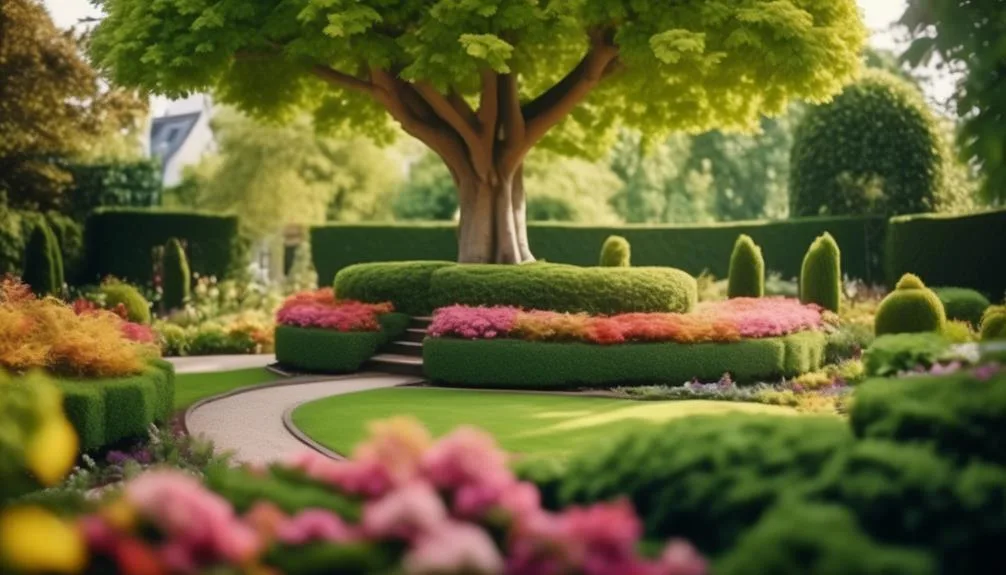
Enhance your outdoor space with the beauty of beech trees in your landscape design. Discover how these trees, known for their smooth bark and green leaves, can bring depth and character to your surroundings.
From choosing the right location and complementary plants to maintenance tips and creative design ideas, explore the many ways beech trees can transform your outdoor area into a peaceful retreat.
Beech Tree Varieties for Landscaping
When selecting beech tree varieties for landscaping, consider the specific characteristics and needs of your outdoor space to ensure a perfect fit for your design goals.
Beech trees thrive in well-drained, moist, and slightly acidic soil, making them adaptable to various soil types. They prefer loamy soil but can also tolerate clay or sandy soil with proper care.
Additionally, beech trees are known for their stunning seasonal colors, with coppery bronze leaves in the fall and lush green foliage in the summer. These seasonal changes can add a dynamic element to your landscape design, creating visual interest throughout the year.
Recommended Products


Stature: This European Beech tree can reach heights of 99 feet, making it a majestic addition to any landscape. Adaptable Wood: The wood of this tree is highly valued for its strength, durability, and attractive grain, suitable for various applications such as furniture, flooring, and cabinetry.

Ideal Placement and Spacing for Beech Trees
For a visually appealing landscape, carefully consider the ideal placement and spacing for beech trees to maximize their beauty and impact. When deciding where to plant beech trees, keep the following spacing tips in mind:
- Consider Sun Exposure: Beech trees thrive in full sun to partial shade. Ensure they've access to at least 6 hours of sunlight daily for optimal growth and health.
- Allow Sufficient Space: When planting multiple beech trees, space them at least 20-30 feet apart to provide ample room for their canopy to spread out and develop fully.
- Mind Surrounding Structures: Be mindful of nearby structures such as buildings, fences, or power lines. Keep a safe distance to prevent future interference or obstruction.
- Account for Growth: Consider the mature size of the specific beech tree variety being planted to ensure it has enough space to reach its full potential without overcrowding other plants or structures.
Companion Plants for Beech Trees
Among the many options available for complementing beech trees in your landscape, choosing the right companion plants can significantly enhance the overall visual appeal and ecological balance.
When selecting companion plants for beech trees, consider their soil requirements and shade tolerance. Plants such as ferns, hostas, and wild ginger are excellent choices for the shaded areas beneath beech trees. Their lush foliage thrives in the moist, well-drained soil typical of beech tree environments.
Additionally, incorporating seasonal blooming plants like astilbe or bleeding heart can add bursts of color beneath the beech tree canopy, providing beautiful contrasts against the tree's foliage. The delicate pink or red hues of these flowers can create a stunning visual impact, enhancing the overall aesthetic of your landscape.
Recommended Products

This package includes over 115 premium Rainbow Hosta seeds, providing an ample supply for gardeners looking to establish a lush and diverse foliage display in their outdoor landscape

Easy Growing: Shade-loving hosta seeds thrive in partial to full shade conditions, making them suitable for those challenging shaded areas in your garden where other plants struggle to grow

Maintenance Tips for Beech Trees in Landscaping
To maintain the health and beauty of beech trees in your landscaping, regular pruning and monitoring for pests and diseases are essential. Here are some maintenance tips to ensure the optimal growth of your beech trees:
- Pruning Techniques: Conduct annual pruning to remove dead or diseased branches, allowing for better air circulation and light penetration.
- Monitoring for Pests and Diseases: Regularly inspect the leaves and bark for signs of pests such as scale insects or diseases like beech bark disease. Promptly address any issues to prevent them from spreading.
- Soil Requirements: Ensure the soil around the beech trees is well-draining and rich in organic matter. Avoid compacting the soil around the tree trunks to prevent root suffocation.
- Mulching: Apply a layer of organic mulch around the base of the trees to retain moisture, regulate soil temperature, and suppress weed growth.
Following these maintenance tips will help your beech trees thrive in your landscaping.
Recommended Products

Sharp Mn Steel Blade for Fast & Clean Cuts: This pole saw uses a sharp three-sided edge with a double-sided barb design to grip branches securely and cut smoothly from multiple angles. The Mn steel blade is durable, rust-resistant, and lightweight, delivering fast, clean cuts. This is a manual pole saw with detachable pole sections for adjustable reach, not pruner, not a telescoping pole; it is neither electric nor battery-powered.
Sharp Mn Steel Blade for Fast & Clean Cuts: This pole saw uses a sharp three-sided edge with a double-sided barb design to grip branches securely and cut smoothly from multiple angles. The Mn steel blade is durable, rust-resistant, and lightweight, delivering fast, clean cuts. This is a manual pole saw with detachable pole sections for adjustable reach; not pruner not telescoping pole, it is neither electric nor battery-powered.

CHOPS THROUGH 2-INCH BRANCHES EFFORTLESSLY: The compound action mechanism multiplies your cutting power for fast removal of dry, dead and woody growth. This anvil-style blade is built for the toughest preparatory cuts and cut-to-length work, making heavy-duty pruning dramatically easy through extra leverage.
Design Ideas Incorporating Beech Trees
Consider incorporating the majestic presence of beech trees to create a captivating focal point in your landscape design. Utilize the beech tree's sculptural elements to add visual interest and texture to your garden design.
Planting a beech tree as a standalone specimen in a prominent location can draw attention to its unique silhouette and smooth, silver-gray bark, making it a stunning focal point. Additionally, beech trees offer a beautiful display of autumn color, adding warmth and vibrancy to your landscape. Their coppery-orange leaves create a striking contrast against evergreen backdrops, making them a perfect addition to your fall-themed garden design.
Whether used as a single specimen or integrated into a mixed planting scheme, beech trees can bring elegance and character to your landscaping.
Conclusion
Incorporating beech trees into your landscape design brings enduring beauty and creates a harmonious outdoor space.
With careful selection and placement, accompanied by thoughtful plant pairings, a captivating and low-maintenance landscape can be achieved.
Embracing the timeless allure of beech trees ensures a lasting enhancement of your outdoor environment, enriching it for years to come.

My interest in trees started when I first saw the giant sequoias in Yosemite.I was a teenager then, and I remember thinking, “I need to learn more about this.”That moment stuck with me.A few years later, I went on to study forestry at Michigan Tech.
Since graduating, I’ve worked in a mix of hands-on tree care and community education.I’ve spent over ten years helping people understand how to plant, maintain, and protect the trees in their neighborhoods.I don’t see trees as just part of the landscape.They are living things that make a real difference in our daily lives.