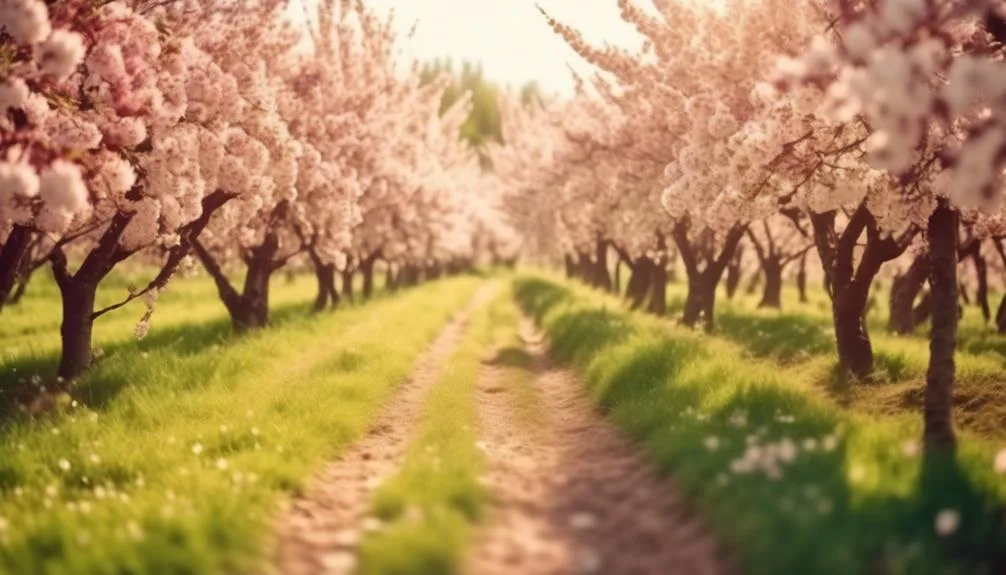
Choosing the right spot to plant cherry trees can significantly impact the amount and quality of fruit you'll get. Factors like soil, sunlight, and protection from the elements play a big role. The placement of your trees can mean the difference between a few cherries and a plentiful harvest.
So, where you plant your cherry trees matters. It's not just about any spot; it's about finding the best spot for the best yield.
Ideal Soil Conditions
To ensure optimal growth and fruit yield, cherry trees thrive in well-draining, loamy soil with a slightly acidic pH level between 6.0 and 6.5. The soil pH directly affects the tree's ability to absorb essential nutrients. If the pH is too high or too low, the tree may struggle to take up vital elements, leading to stunted growth and decreased fruit production.
Additionally, water drainage is crucial for cherry trees. Poorly draining soil can lead to waterlogged roots, causing root rot and negatively impacting the tree's overall health.
When planting cherry trees, it's essential to ensure that the soil not only has the right pH but also provides excellent drainage to support the tree's growth, health, and fruit yield.
Optimal Sunlight Exposure
For cherry trees to thrive and produce abundant fruit, they require optimal sunlight exposure throughout the day. Here's how you can ensure your cherry trees receive the best sunlight exposure:
- Positioning: Place your cherry trees in a location where they can receive at least 6-8 hours of direct sunlight daily.
- Pruning Techniques: Regularly prune your cherry trees to maintain an open canopy, allowing sunlight to penetrate and reach the lower branches.
- Pest Control: Adequate sunlight exposure helps reduce humidity, minimizing the risk of fungal diseases and pests.
- Watering Schedule and Mulching Benefits: Ensure consistent watering, and consider applying mulch around the base of the tree to retain moisture and regulate soil temperature, which complements the effects of sunlight exposure.
Proper Spacing and Air Circulation
After ensuring your cherry trees receive optimal sunlight exposure, the next crucial step is to consider proper spacing and air circulation to promote healthy growth and fruit production.
Adequate spacing between cherry trees is essential for their overall health and productivity. It allows for better air circulation, reducing the risk of diseases and promoting efficient tree maintenance. Proper air circulation is vital in minimizing the chances of fungal infections and pests. When trees are too close together, it creates a favorable environment for pests and diseases to spread. To ensure optimal pest control, maintaining the right distance between cherry trees is key.
Additionally, sufficient spacing allows for easier access for pruning, harvesting, and overall tree care. Proper spacing and air circulation are fundamental aspects of cherry tree cultivation, contributing to healthier trees and better fruit yield.
Consideration of Pollination Needs
Have you considered the importance of pollination needs when planting cherry trees for optimal fruit yield? Ensuring proper pollination is crucial for a bountiful harvest. Here are some key points to consider:
- Pollinator Diversity: Introducing a variety of pollinators like bees, butterflies, and other beneficial insects can significantly improve the pollination process. Encouraging a diverse range of pollinators helps to ensure a more thorough and effective pollination of cherry blossoms.
- Cross Pollination Benefits: Cherry trees often benefit from cross-pollination, where different varieties of cherry trees are planted in close proximity. This encourages higher fruit yields and better fruit quality by enhancing genetic diversity.
- Proximity of Pollinators: Ensure that pollinators have easy access to the cherry trees by planting flowering plants nearby to attract and sustain their presence.
- Timing of Blooms: Select cherry tree varieties with overlapping bloom times to ensure successful cross-pollination.
Protection From Frost and Wind
To safeguard your cherry trees from potential damage caused by frost and wind, implementing protective measures is imperative for ensuring the health and productivity of your orchard.
Frost prevention is crucial, especially during the early spring when cherry trees are budding. Utilize frost cloth or protective coverings to shield the trees from freezing temperatures.
Additionally, consider planting cherry trees in locations with natural windbreaks, such as near buildings or larger trees, to provide natural wind protection. If natural windbreaks aren't available, you can erect a fence or windbreak barrier to shield the trees from strong winds.
Conclusion
In providing the right conditions of well-draining soil, ample sunlight, and proper space, your cherry trees will flourish and yield abundant, juicy fruit.
Considering pollination needs and protecting against frost and wind ensures a fruitful harvest.
Here's to many years of enjoying the delicious rewards of your well-tended cherry trees.
Happy planting!

My interest in trees started when I first saw the giant sequoias in Yosemite.I was a teenager then, and I remember thinking, “I need to learn more about this.”That moment stuck with me.A few years later, I went on to study forestry at Michigan Tech.
Since graduating, I’ve worked in a mix of hands-on tree care and community education.I’ve spent over ten years helping people understand how to plant, maintain, and protect the trees in their neighborhoods.I don’t see trees as just part of the landscape.They are living things that make a real difference in our daily lives.