
So, you're thinking about adding mature cedar trees to your yard but not sure if it's doable. Good news: transplanting mature cedar trees is possible with the right techniques.
Whether you want a natural privacy screen or to move a beloved tree, there are specific steps to make it work. Assess the tree's health, find the right spot, and follow key considerations.
Stick around to learn the essential how-to guide for transplanting mature cedar trees.
Assessing Tree Health and Viability
Before transplanting mature cedar trees, it is important to assess their health and viability. This can be done by carefully inspecting the foliage, checking for signs of disease, and evaluating overall growth and vigor.
Start by examining the color, texture, and density of the foliage. Healthy cedar trees typically have vibrant green foliage that is full and lush. Look for any discoloration, wilting, or abnormal spots which could indicate underlying health issues.
Next, check for signs of disease such as unusual growths, fungal infections, or pest infestations. These can be indicators of underlying health problems that may affect the tree's ability to thrive after transplantation.
Additionally, evaluate the overall growth and vigor of the tree. This includes assessing its ability to produce new growth, its resistance to environmental stress, and its general appearance. A tree that is weak or struggling may not be a good candidate for transplantation.
Selecting the Right Transplant Location
To ensure successful transplantation, carefully select a location that provides adequate space, sunlight, and well-drained soil for the mature cedar trees. When choosing a suitable location, consider the following:
- Space and Sunlight: Ensure the selected area offers enough space for the mature cedar trees to spread their roots and receive ample sunlight for healthy growth.
- Assess the surrounding structures and vegetation to prevent overcrowding and shading.
- Soil Analysis and Root Protection: Conduct a soil analysis to ensure the soil is healthy and well-drained. Additionally, plan for root protection during the transplant process to minimize damage and promote successful establishment.
Choosing a suitable location with the right conditions is essential for the successful transplantation and long-term health of mature cedar trees.
Preparing the Tree for Transplanting
When preparing the mature cedar trees for transplanting, it's crucial to ensure that the selected location provides ample space, sunlight, and well-drained soil, promoting healthy growth and establishment in their new environment.
Pruning techniques play a vital role in preparing the tree. Prior to transplanting, prune any damaged or diseased branches to encourage new growth and reduce stress on the tree. Additionally, consider root pruning a year in advance to help the tree adapt to its new location.
Soil preparation is also essential. Test the soil to determine its pH and nutrient levels. Amend the soil as needed to create an optimal growing environment for the cedar tree. This may involve adding organic matter or adjusting the pH levels.
Properly preparing the tree and its new environment will increase the likelihood of a successful transplant.
Recommended Products

Feed the soil not the plants - stimulate microbial activity in your soil and boost probability of success with all types of plants… like composting but faster

STARTING A TROPICAL GARDEN- Comprised of real horticultural grade ingredients such as shredded coir husk, pine bark, perlite, sand, and garden lime; no pelletized fertilizer

✅ 🌿 Unleash Olive Tree Excellence: Our premium potting mix enhances growth, health, and productivity, resulting in flourishing olive trees.
Excavating and Moving the Cedar Tree
To successfully excavate and move a mature cedar tree, carefully assess the root system's extent and plan the relocation process accordingly.
- First, mark a circle around the tree, extending at least 12 inches per diameter inch of the tree trunk to define the root ball size. This step ensures that an adequate amount of roots is included in the root ball to support the tree post-transplanting.
- Next, start the excavation process by digging a trench outside of the marked circle, sloping it inward to avoid root damage. Carefully dig around the tree, gradually exposing and pruning any damaged or circling roots to encourage healthy growth post-transplanting.
Recommended Products

Serrated Garden Shovel for Tough Soil: Engineered to reduce strain on hands and wrists during demanding digging tasks. The ergonomic design helps improve leverage and control when working in compact soil, garden beds, and landscaping areas.

Grow your own Port Orford Cedar (Chamaecyparis lawsoniana), a mid-sized evergreen with gracefully flowing foliage, a sturdy trunk, and strong vertical habit

Serrated Blade with Inverted V Cutting Tip: Designed with aggressive ripsaw-style teeth and a sharpened V-shaped tip that helps cut through roots, compact soil, and dense ground. Ideal for digging, planting, and root removal in garden beds or landscaping areas.
Post-Transplant Care and Maintenance
After transplanting a mature cedar tree, it is crucial to provide proper care and maintenance to ensure its successful establishment in its new location. This includes implementing appropriate pruning techniques and managing water effectively.
| Care | Maintenance |
|---|---|
| Mulching | Regular watering |
| Fertilizing | Monitoring for pests and diseases |
| Pruning dead or damaged branches | Soil testing for nutrient levels |
Mulching helps retain moisture and regulate soil temperature, while fertilizing provides essential nutrients for growth. Regular watering, especially during the tree's first year post-transplant, is vital for root establishment. Additionally, monitoring for pests and diseases and promptly addressing any issues is crucial for the tree's overall health. Pruning dead or damaged branches promotes healthy growth and structural integrity. Lastly, periodic soil testing ensures that the tree receives adequate nutrients for sustained growth.
Recommended Products
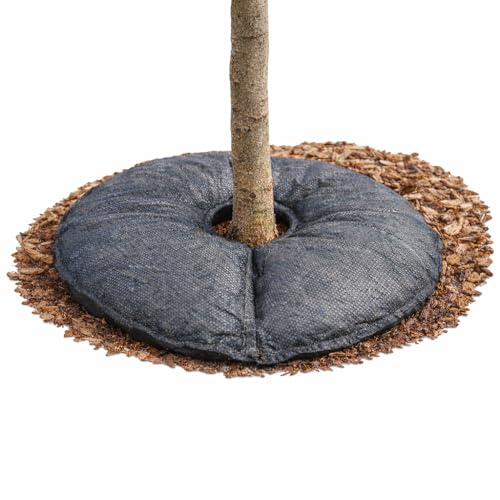
For Plants and Trees that with root balls about 12” in dia., (11-15”, e.g. 3-10 Gallon Container Sizes have top diameters between 11-15”) - Uses 99% LESS WATER than traditional tree bag over the course of multiple seasons for better establishment of the newly planted trees and shrubs! When the plant root ball is larger than 15”, the 36”, 48”, or multiple units of these larger sized SteadySpring Tree Mats are recommended to cover an area double of the root ball size or at least 20” larger than the root ball.

【Unique Design Deep Root Tree Watering Tool】 Our root watering tool have four exit hole for the water,won't got clogged easily,It made of stainless steel,not rusting from the inside out.It can leave in the soil and is strong enough to drive through gravel,help your plants build a strong root system .

4-Hole Side Design: This high-performance tree watering spike makes it easy to deliver water and fertilizer directly to the root zone. The upgraded side-hole design helps improve watering efficiency, while the sharp tip makes it easy to push into hard or compact soil. The 4 side outlets help reduce clogging and distribute water more evenly for deep root watering and feeding.
Conclusion
With the right approach and care, you can successfully transplant mature cedar trees, allowing them to thrive in their new environment. By prioritizing the tree's health, selecting a suitable location, and following proper transplanting and maintenance techniques, you can ensure the continued growth and well-being of these majestic trees.
Embrace the opportunity to bring the beauty and benefits of mature cedar trees to your desired location, enhancing the natural landscape for years to come. Happy transplanting!

My interest in trees started when I first saw the giant sequoias in Yosemite.I was a teenager then, and I remember thinking, “I need to learn more about this.”That moment stuck with me.A few years later, I went on to study forestry at Michigan Tech.
Since graduating, I’ve worked in a mix of hands-on tree care and community education.I’ve spent over ten years helping people understand how to plant, maintain, and protect the trees in their neighborhoods.I don’t see trees as just part of the landscape.They are living things that make a real difference in our daily lives.