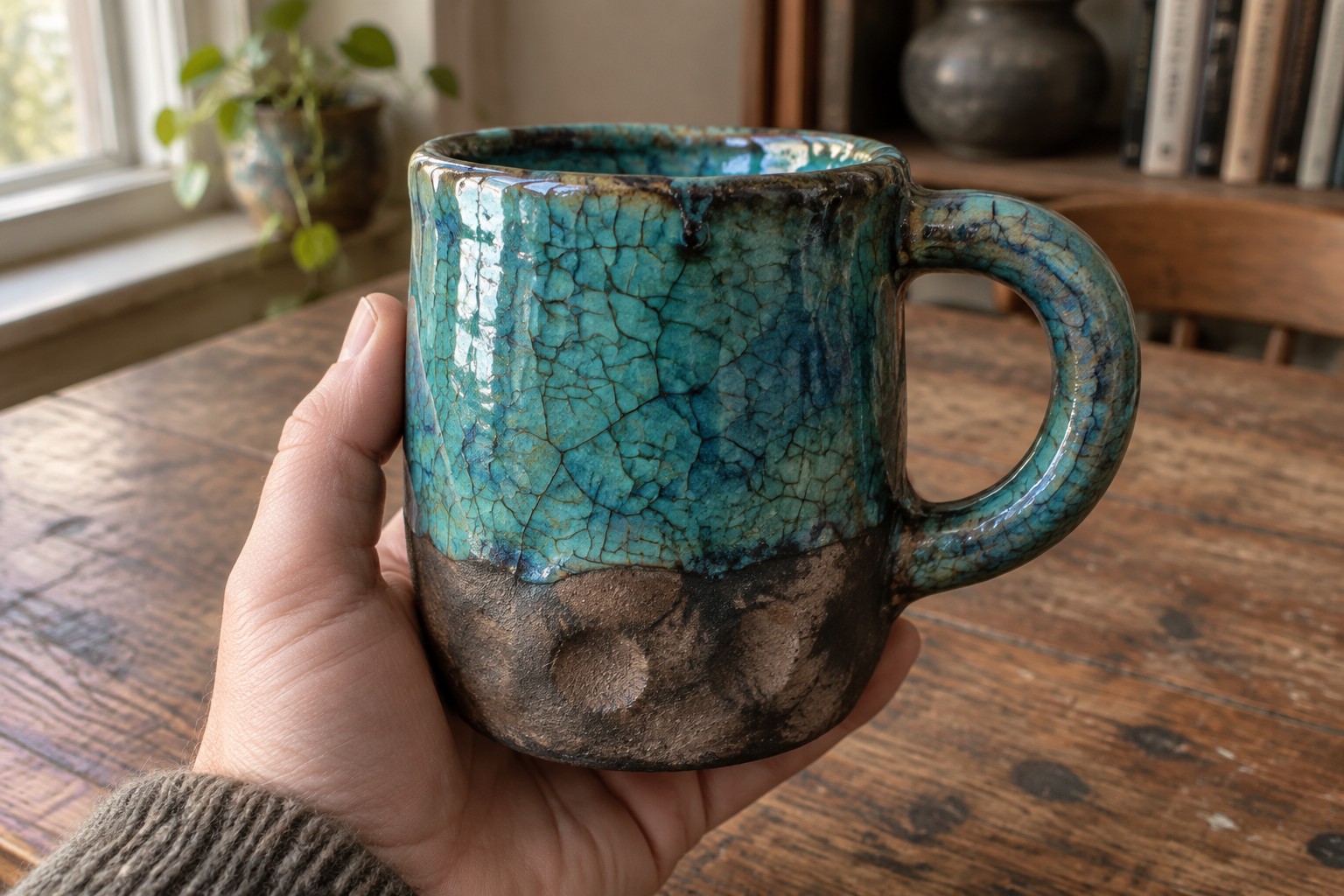
I like how raku pottery pairs glossy glaze with rough, unglazed clay.
The contrast gives each piece a handmade look without needing a complicated design.
I’ve gathered 18 ideas that play with those two finishes in different ways.
I hope they give you a few practical ideas to try with your own pottery.
Raku-Style Mug with Turquoise and Bare Clay
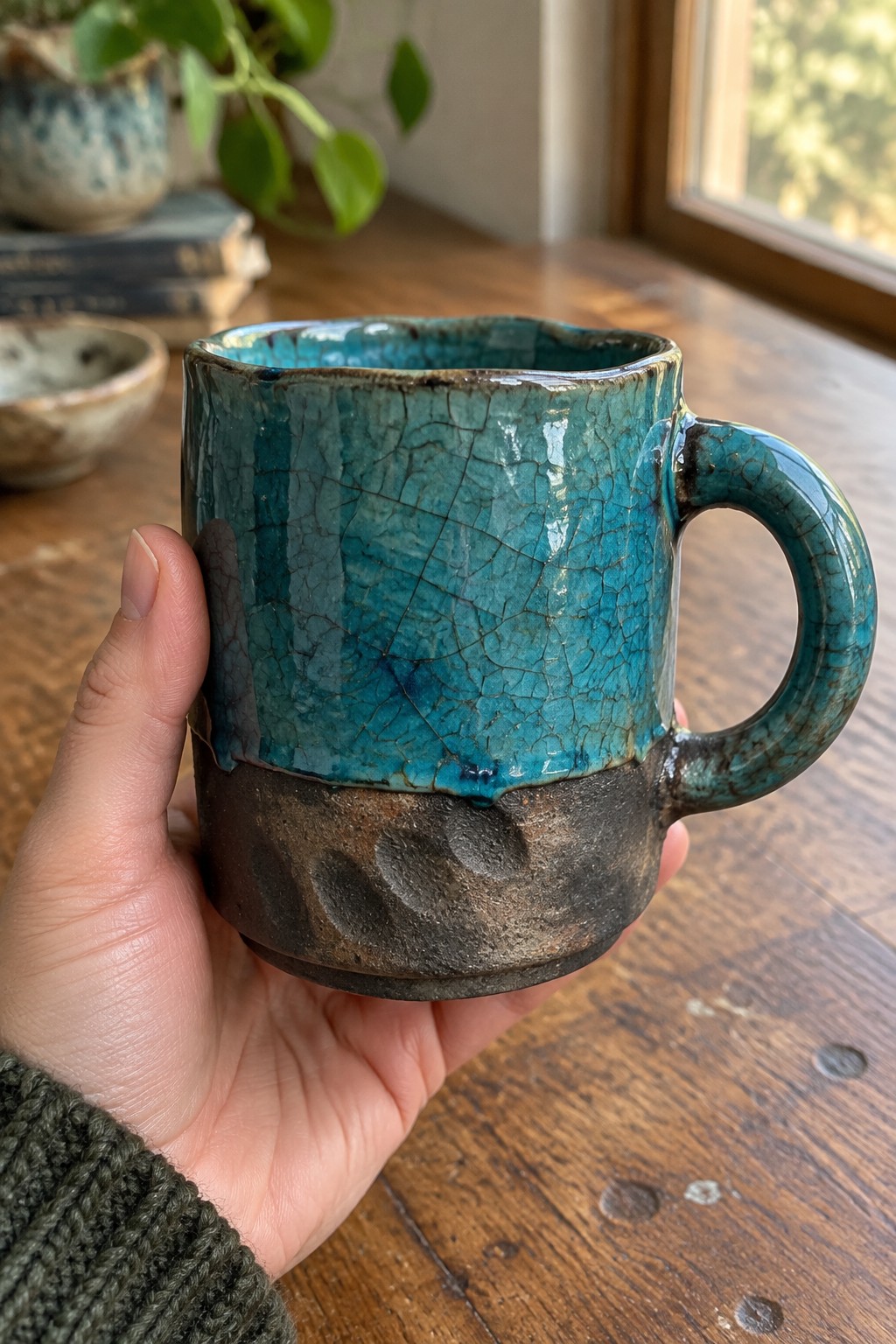
A handmade ceramic mug pairs a vivid turquoise glazed upper section with a dark, unglazed-looking base for a clear contrast in color and texture. The rounded handle and sturdy shape keep it suited to everyday kitchen use, while the irregular glaze boundary gives it the look of a contrasting-glaze pottery idea.
A mug like this can stand out on an open shelf or make a useful handmade gift. Adapt the design with a different glaze color, a narrower band of exposed clay, or a simpler straight-sided form; the same contrast could also work on a small vase or planter. Its bold two-part surface makes the design easy to notice in a pottery inspiration collection.
Copper-Glazed Raku Serving Bowl
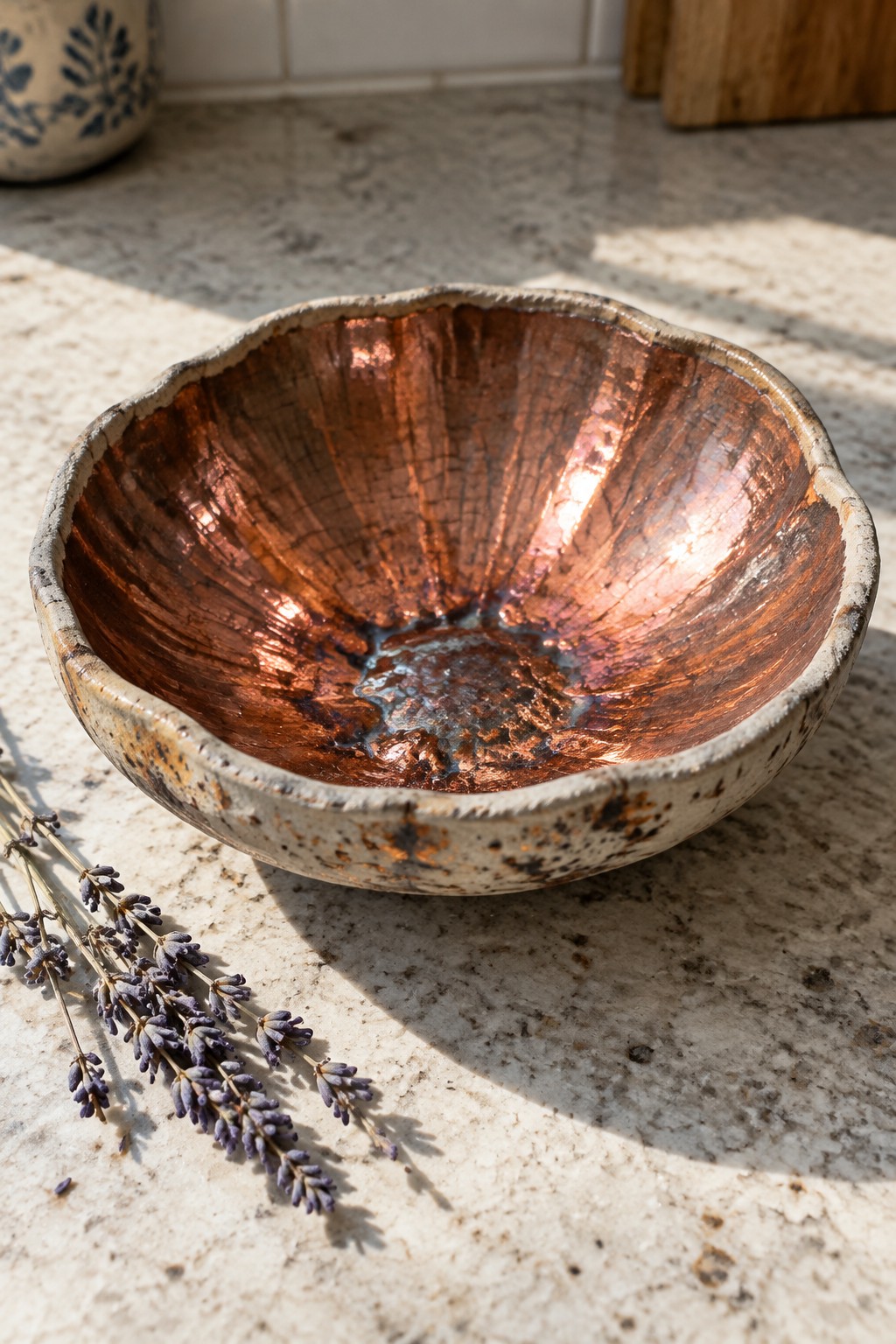
A handmade ceramic bowl uses a rippled rim and reflective copper-toned interior to contrast its dark, uneven center with the pale speckled exterior. The shallow, open shape makes it a decorative serving-bowl idea for a collection focused on contrasting glazed and unglazed surfaces.
A bowl like this can serve as a countertop centerpiece or hold wrapped candies, though its suitability for food depends on the glaze and firing. Adapt the idea with a simpler rounded rim, a narrower band of copper glaze, or a different glossy color while leaving more of the outside unglazed. The bright interior against a matte, textured exterior gives the design a clear contrast that stands out in pottery inspiration boards.
Raku Vase with a Natural Clay Base
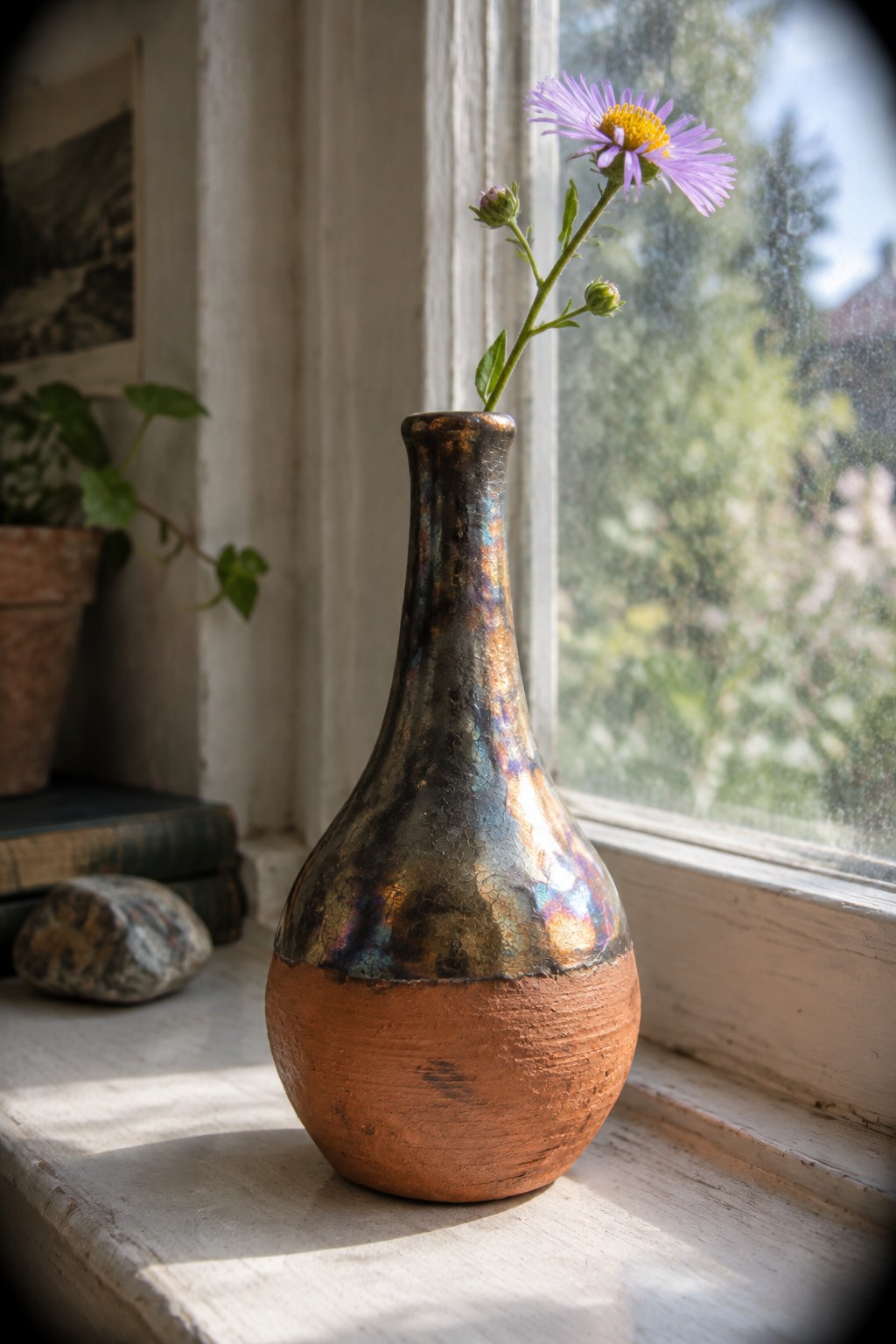
A handmade pottery vase pairs an iridescent, dark glazed upper section with a rough, unglazed clay base. Its narrow neck and rounded body make the contrast easy to see, giving this decor piece a strong two-part design without needing extra decoration.
The shape suits a single-stem vase for a windowsill, shelf, or small table, where the glossy finish can catch the light. To adapt the idea, keep the unglazed band wider or narrower, change the glaze colors, or use the same finish contrast on a smaller bud vase. The distinct color break also gives the design a clear, eye-catching silhouette for a pottery inspiration board.
Cat-Shaped Planter with Contrasting Clay Surfaces
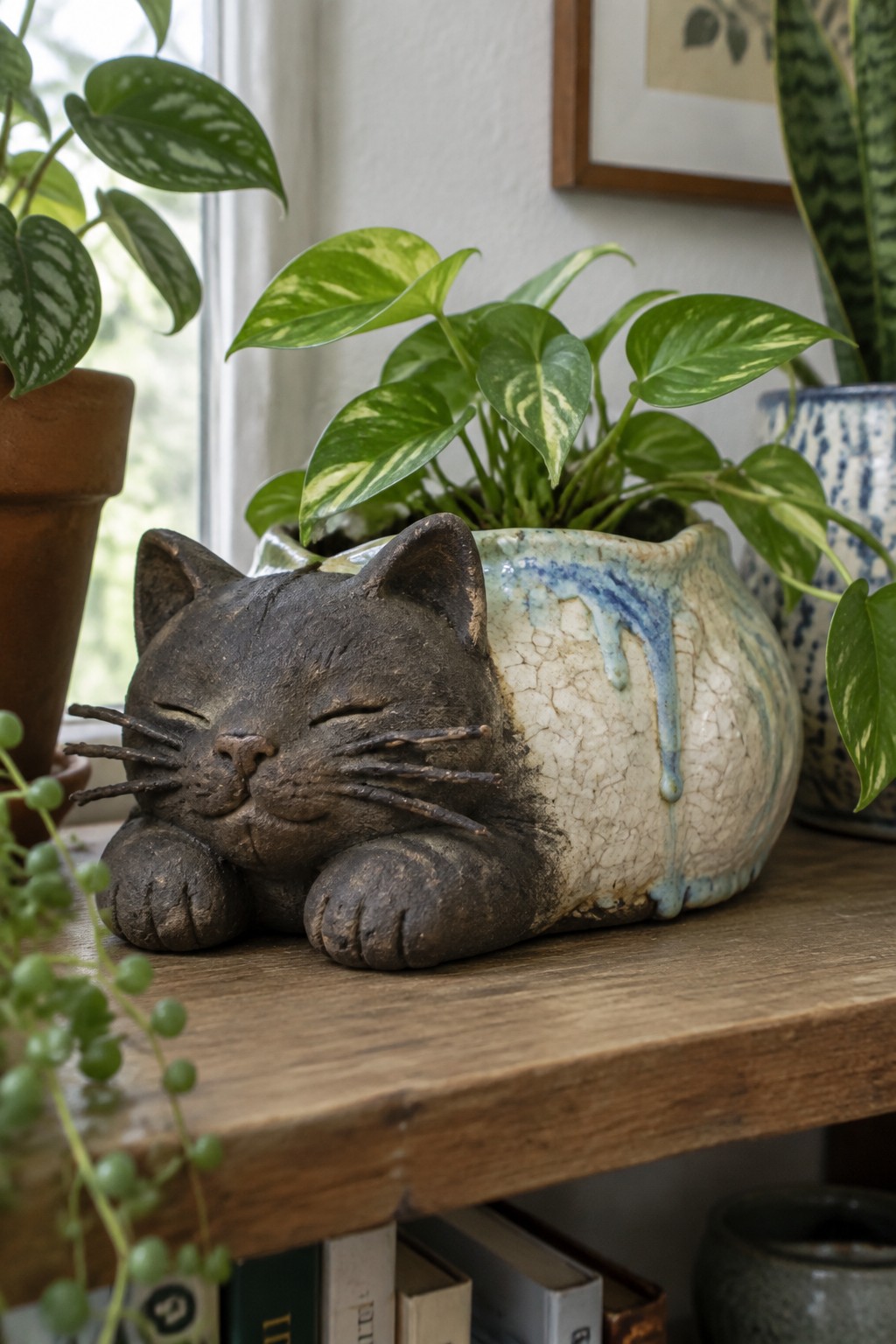
A sculpted cat planter pairs an unglazed, textured figure with a pale crackle-glazed pot for a clear contrast between matte and glossy surfaces. The cat’s face and paws form the planter’s base, making it a decorative ceramic planter idea that combines a simple vessel with a sculpted motif.
The contrasting finish could be adapted to a different animal, or simplified to a plain planter with a small sculpted face at the front. It would suit a shelf or plant display, and the cat shape gives it a distinctive outline that can stand out in Pinterest craft collections; make sure the vessel is sized and finished for the plant and its watering needs.
Flower-Shaped Raku Candle Holder with Unglazed Clay
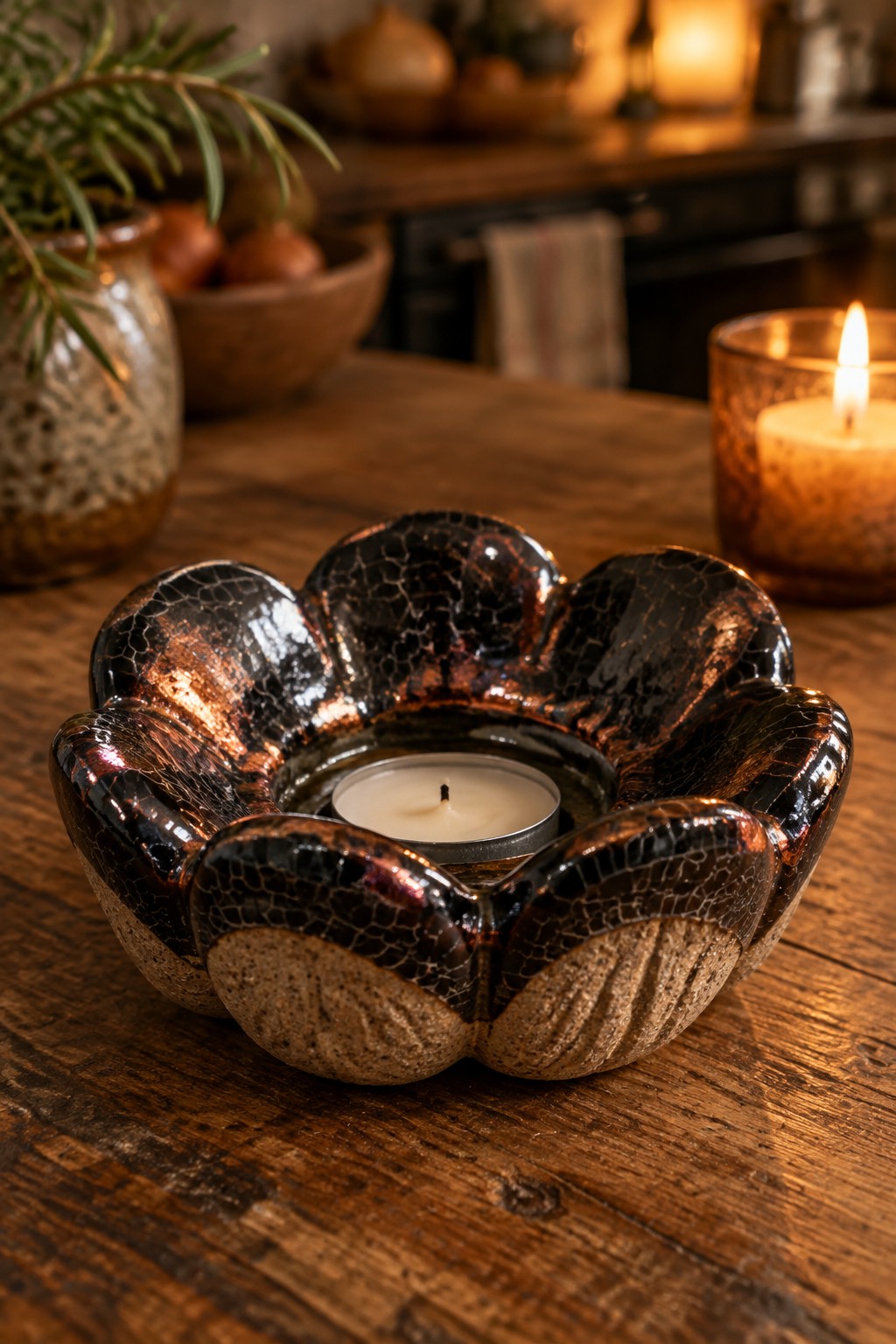
A handmade ceramic candle holder uses a flower-like bowl form to frame a small tealight, with glossy, crackle-patterned dark glaze contrasting against the rough, unglazed clay on its lower petals. The mix of reflective and matte surfaces makes this a decorative candle piece that fits the contrasting glazed and unglazed Raku pottery category.
The raised petal shape helps catch the light, so this holder can stand out as a tabletop centerpiece or accent on a mantel. Adapt the idea with fewer, broader petals or a simpler rounded base, and vary the glaze colors while keeping some clay exposed; the clear contrast and sculpted silhouette also make it easy to save as inspiration for a handmade home décor gift.
Leaf-Imprinted Raku Wall Plaque
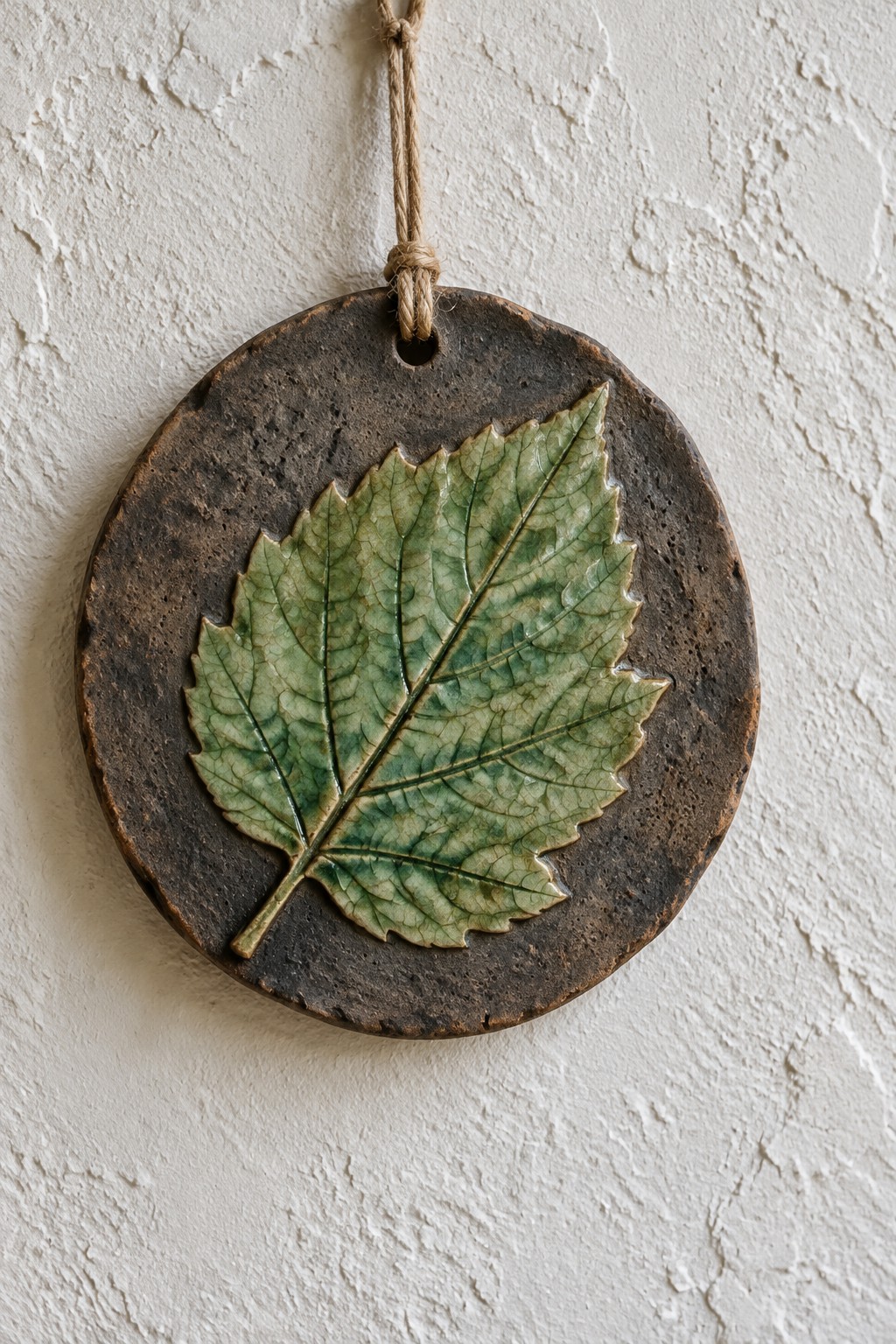
A round handmade ceramic wall plaque turns a leaf impression into its main design feature. The mottled green glaze contrasts with the dark, rough-looking outer surface, making this a decorative wall piece that fits the theme of glazed and unglazed sections without relying on a vessel shape.
The simple round form is easy to adapt with a different leaf, fern, or botanical imprint, and the glaze colors can be matched to a room or season. Since it is designed for display rather than everyday use, it works well in an entryway, kitchen, or gallery wall, and the strong contrast makes the idea easy to spot and save on Pinterest.
Raku-Style Ring Dish with a Blue Glazed Interior
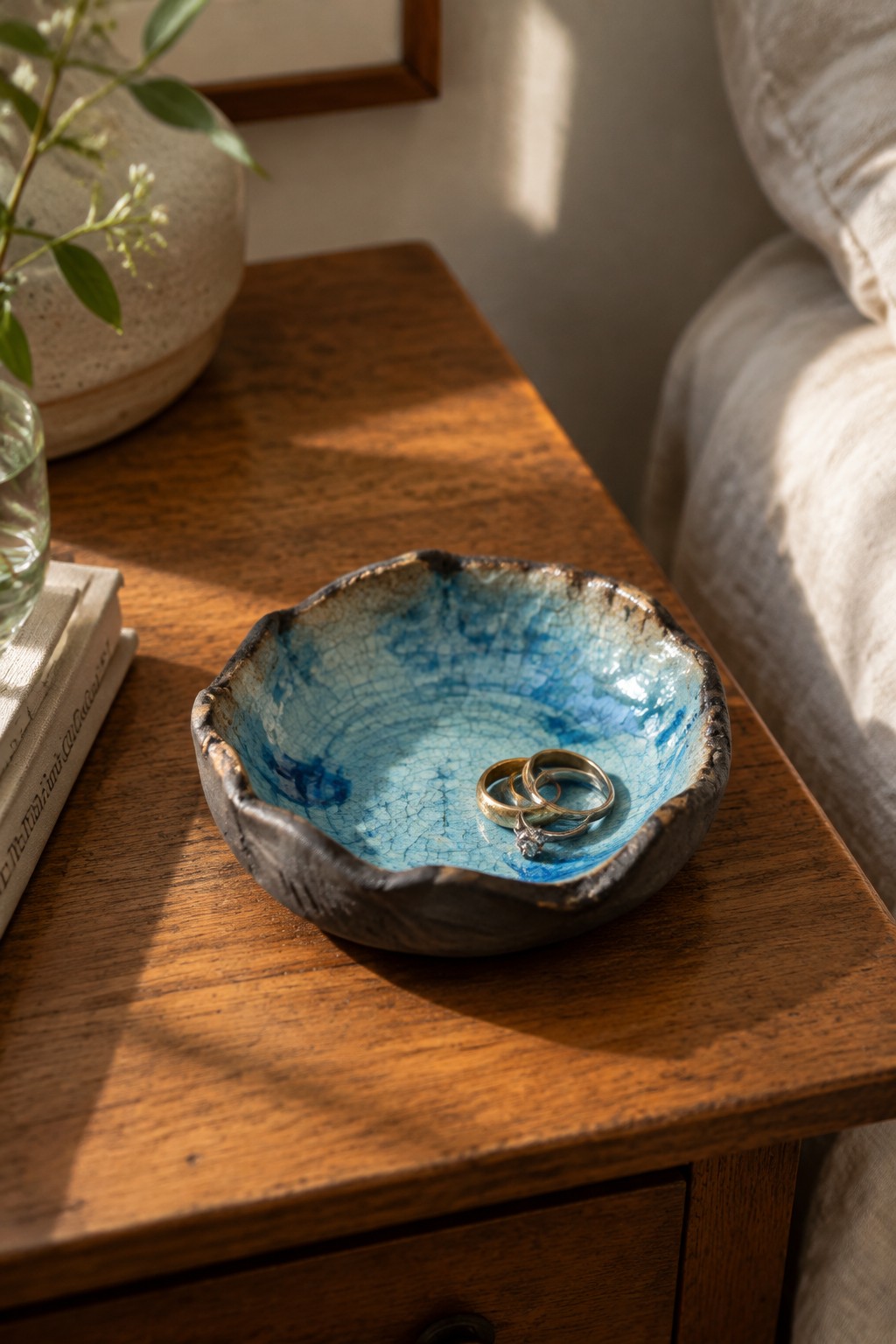
A handmade ceramic ring dish keeps small jewelry in one easy-to-reach place, while its irregular rim and vivid blue interior contrast with the dark, rough outer surface. That shift between glossy glaze and exposed-looking clay gives the small bowl the mixed-surface look that suits a raku-inspired project.
The shallow shape works on a bedside table, dresser, or bathroom counter, and the design can be adapted with a different glaze color or a smoother rim. Make a slightly wider version for keys or coins, or add a simple stamped mark to personalize it as a small gift. The blue-and-dark contrast also makes the dish stand out clearly in a pottery inspiration collection.
Raku-Inspired Ring Dish with Split Glazed and Unglazed Surfaces
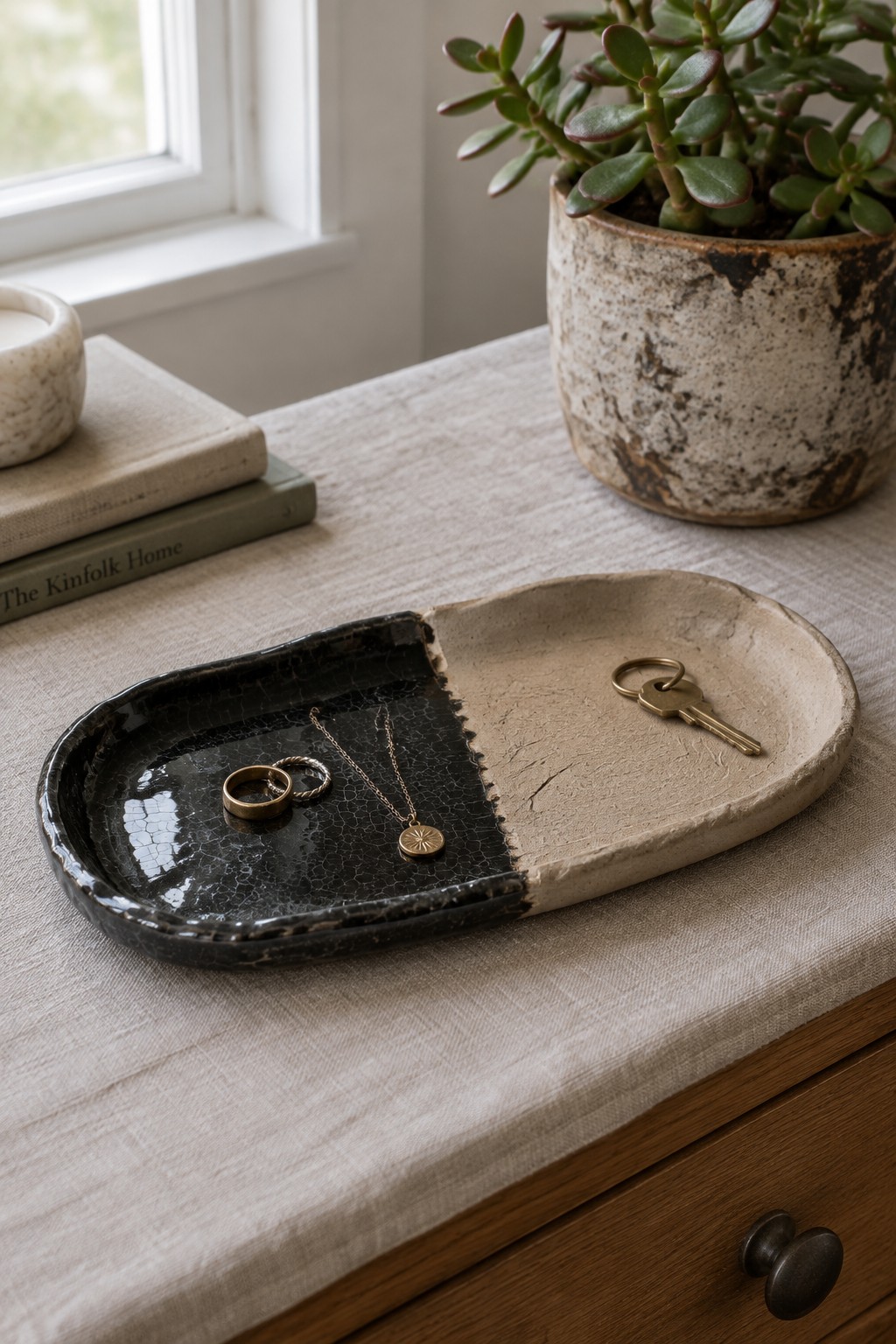
A handmade ceramic ring dish can use a clear division between a dark, glossy section and a rough, natural clay section to create contrast without a painted pattern. The shallow, elongated tray shape leaves room for rings, a necklace, and a key, making it a small storage piece as well as a decorative accent.
The divided surface would stand out on a dresser or entry table, where the contrasting finishes also make the dish’s two sides easy to use for different items. Adapt the idea with a round ring dish, a longer catchall, or a different glaze color, while keeping one area unglazed to preserve the contrast.
Raku-Style Spoon Rest with a Turquoise Glazed Basin

A handmade ceramic spoon rest can pair a glossy turquoise basin with a rough, unglazed-looking rim for a strong contrast between smooth and textured surfaces. Its long, irregular shape gives it room to hold a cooking spoon, making it a useful kitchen piece as well as a decorative pottery idea.
The elongated basin is practical beside a stove, and the turquoise interior makes the rest easy to spot on a busy counter. Adapt the form into a smaller dish for tea bags or jewelry, or change the glaze color while keeping the natural-looking rim for contrast; the striking two-surface design also makes it easy to save as kitchen pottery inspiration.
Raku-Style Salt Cellar with a Crackled Glaze
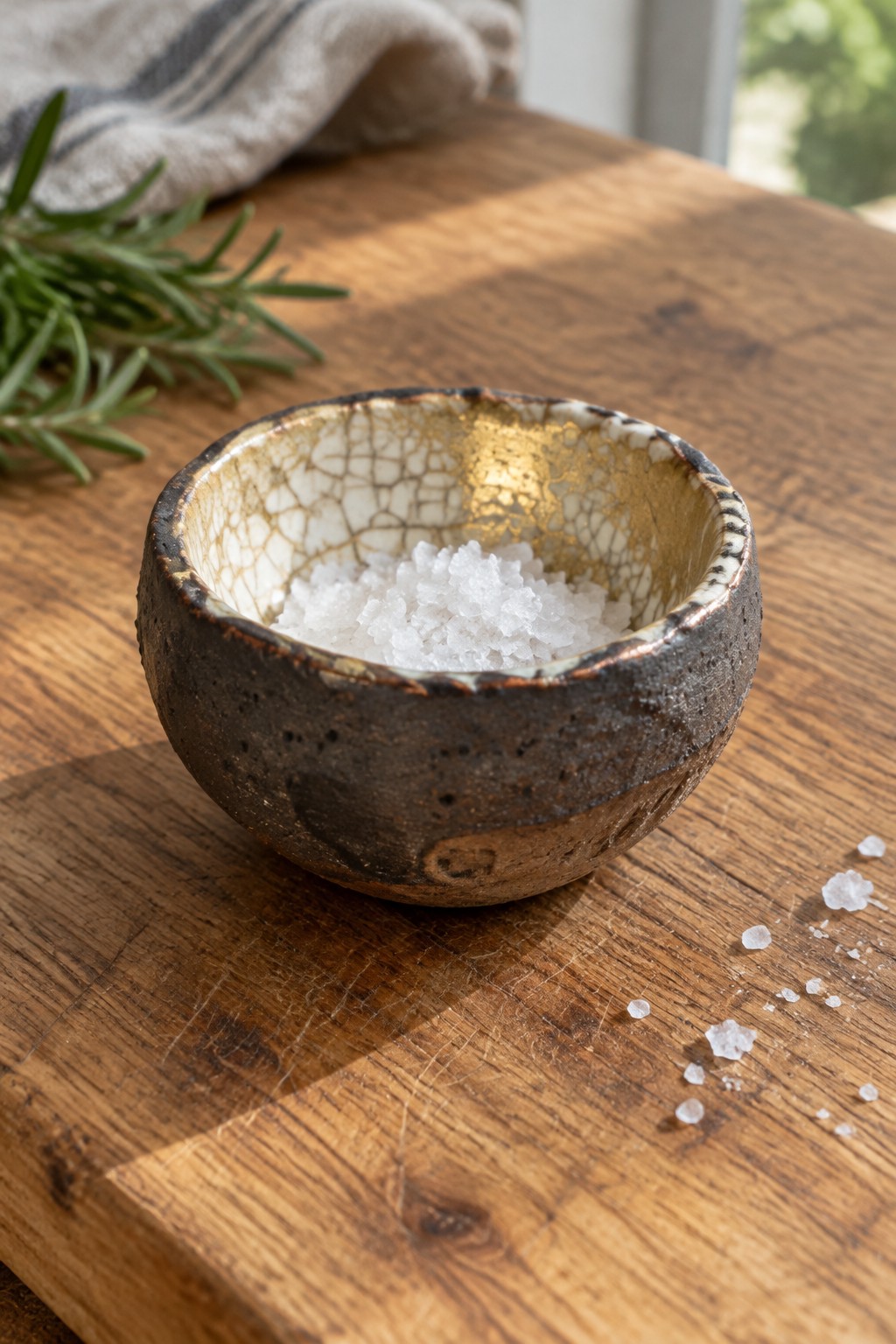
A handmade ceramic salt cellar pairs a rounded, low bowl shape with a glossy, crackled interior and a dark, rough exterior. The contrast between the pale glazed surface and unglazed-looking clay makes this kitchen piece a strong example of a raku-inspired design using distinct finishes.
The open shape keeps salt easy to reach on a kitchen counter, and the same form could hold spices, finishing sugar, or small jewelry. To adapt the idea, try a different glaze color inside or make the bowl shallower for a ring dish, while keeping the exterior matte for contrast.
Raku-Style Bird Figurine with Mottled Glazed Feathers
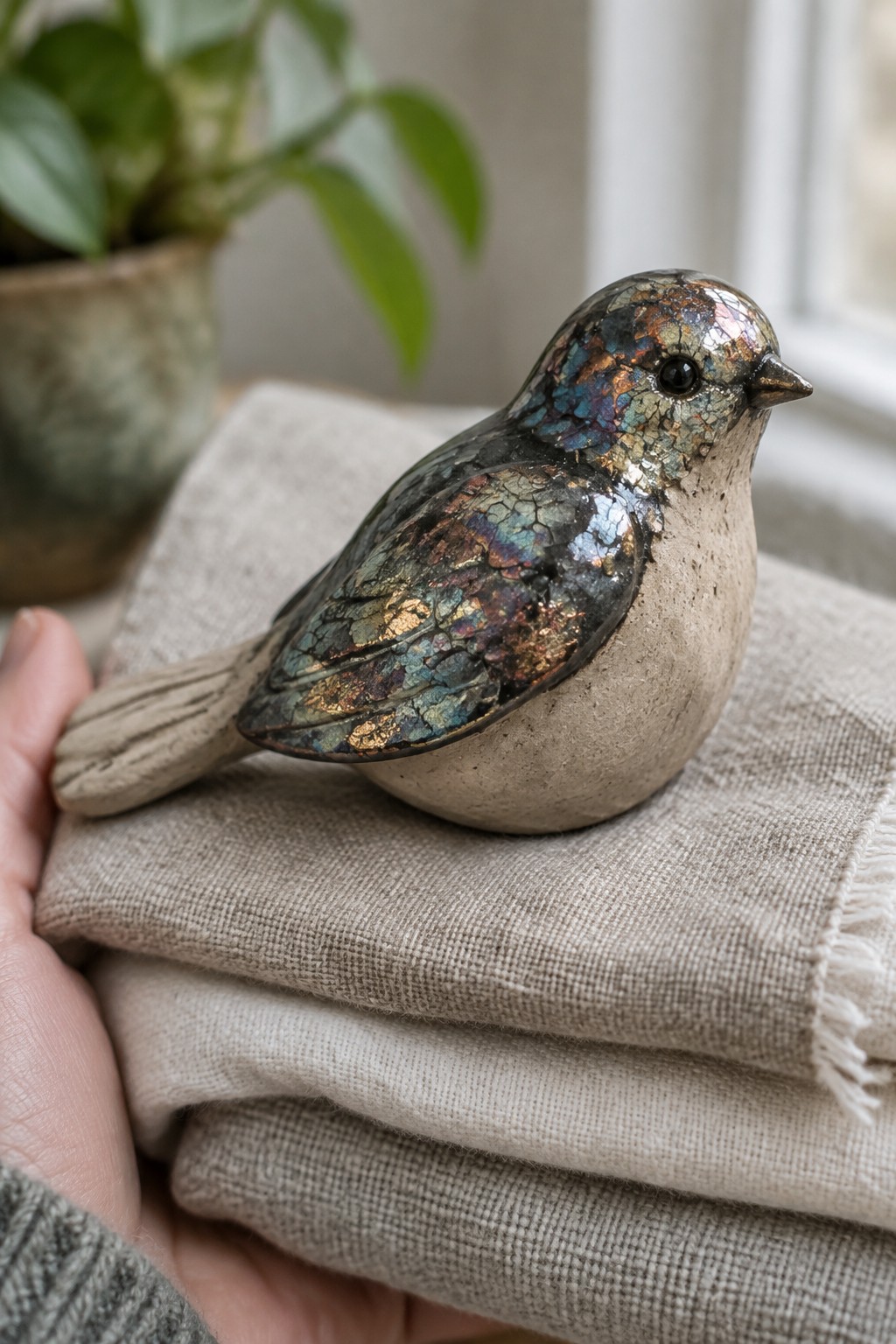
A handmade ceramic bird figurine pairs a plain, earthy body with dark, iridescent glaze across its head and wings. The contrast makes the feather shapes stand out while keeping the rounded form easy to read, making this a decorative take on the raku idea of combining glazed and unglazed surfaces.
A piece like this works well on a shelf, desk, or mantel, where its compact sculpted shape can serve as an accent without needing to be functional. Adapt the design with a different bird silhouette or a smaller glazed area, and use a few distinct glaze colors to make the feathers stand out in photos and on Pinterest.
Raku-Inspired Yarn Bowl with a Glazed Interior
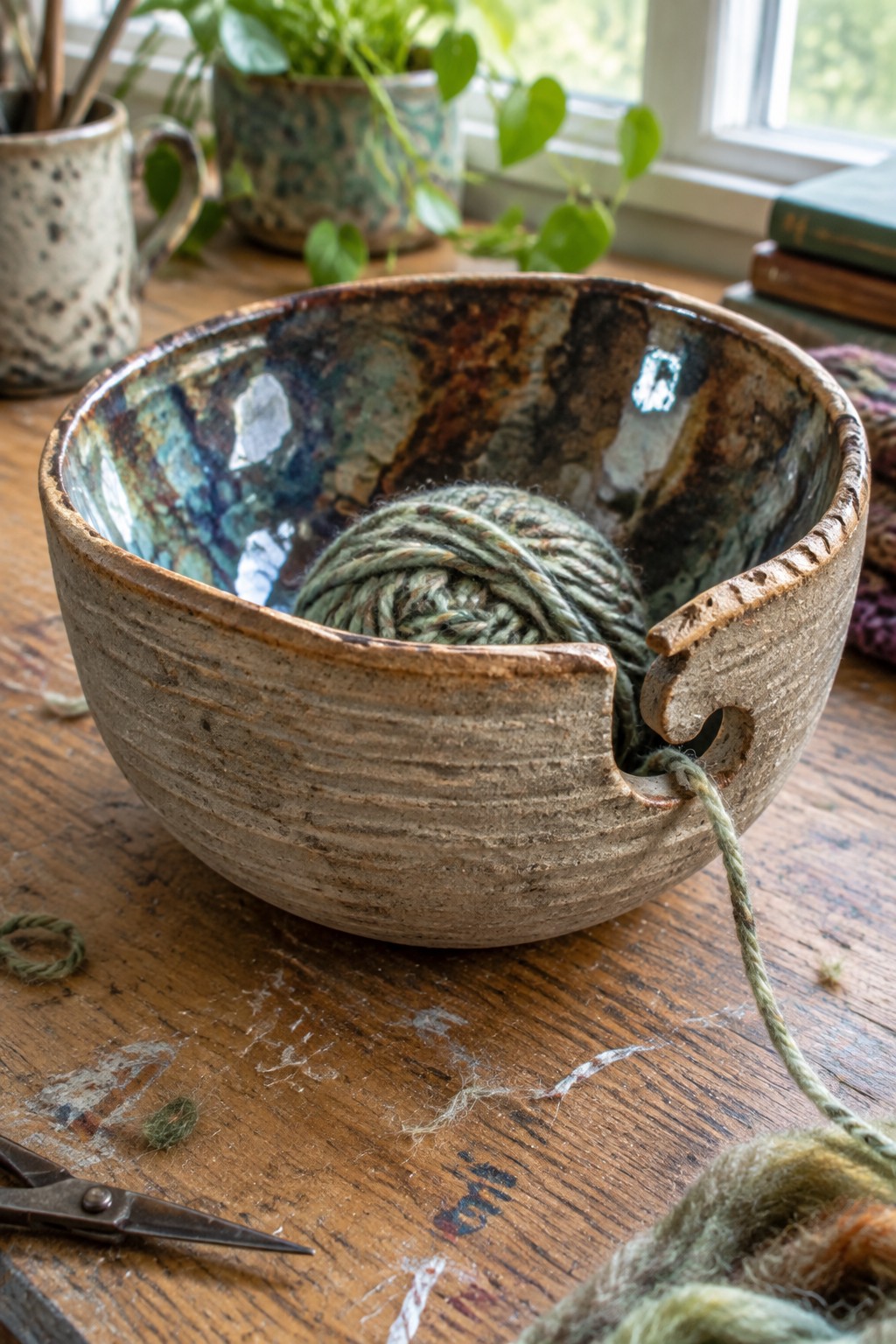
A handmade ceramic yarn bowl keeps a ball of yarn in place while a curved opening guides the strand out during knitting or crochet. The mottled, glossy interior contrasts with the rough, ridged exterior, making the split between glazed and unglazed surfaces the main design feature. The spiral cutout adds function without hiding the bowl’s handmade form.
This shape is useful beside a knitting chair or on a craft-room desk, and the yarn guide can be adjusted to suit different fiber thicknesses. For a simpler version, use a single curved notch; for a stronger contrast, leave the outside matte and glaze only the inside. The clear mix of texture and practical detail also makes this a distinctive craft-room gift idea.
Raku-Style Toothbrush Holder with Split Surfaces
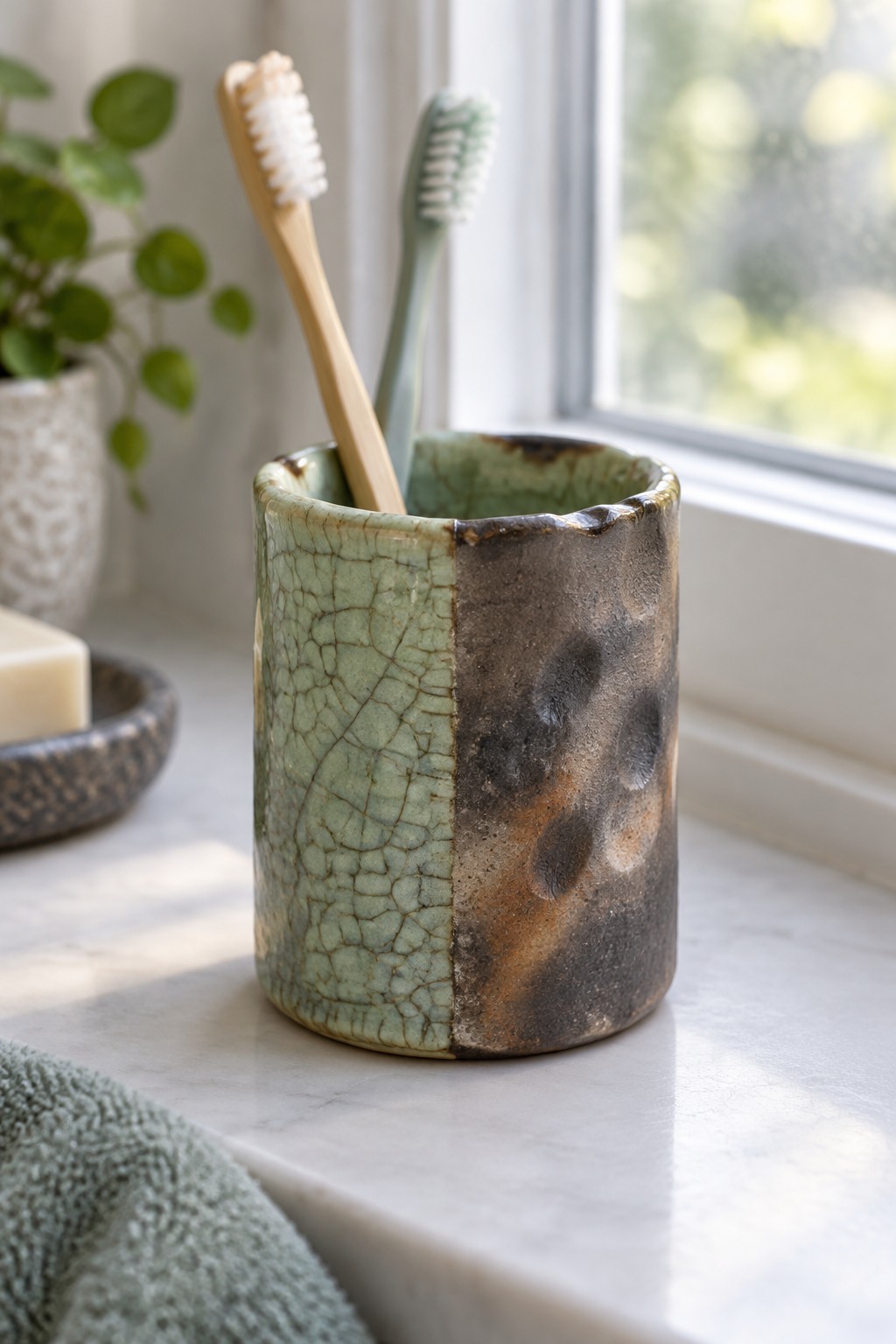
A cylindrical handmade ceramic toothbrush holder pairs a pale, crackled glaze with a dark, earthy unglazed-looking section. The clear vertical division makes the contrasting surfaces the focus, while the simple open form keeps the piece useful as bathroom storage.
Set it beside a sink to hold toothbrushes, or adapt the same design into a utensil crock or makeup-brush holder. You can shift the glaze colors to suit a bathroom palette or make the split less even for a more relaxed handmade look; the strong two-part contrast also gives the idea a clear, easy-to-save Pinterest reference.
Long Ceramic Tray with a Blue Glazed Half
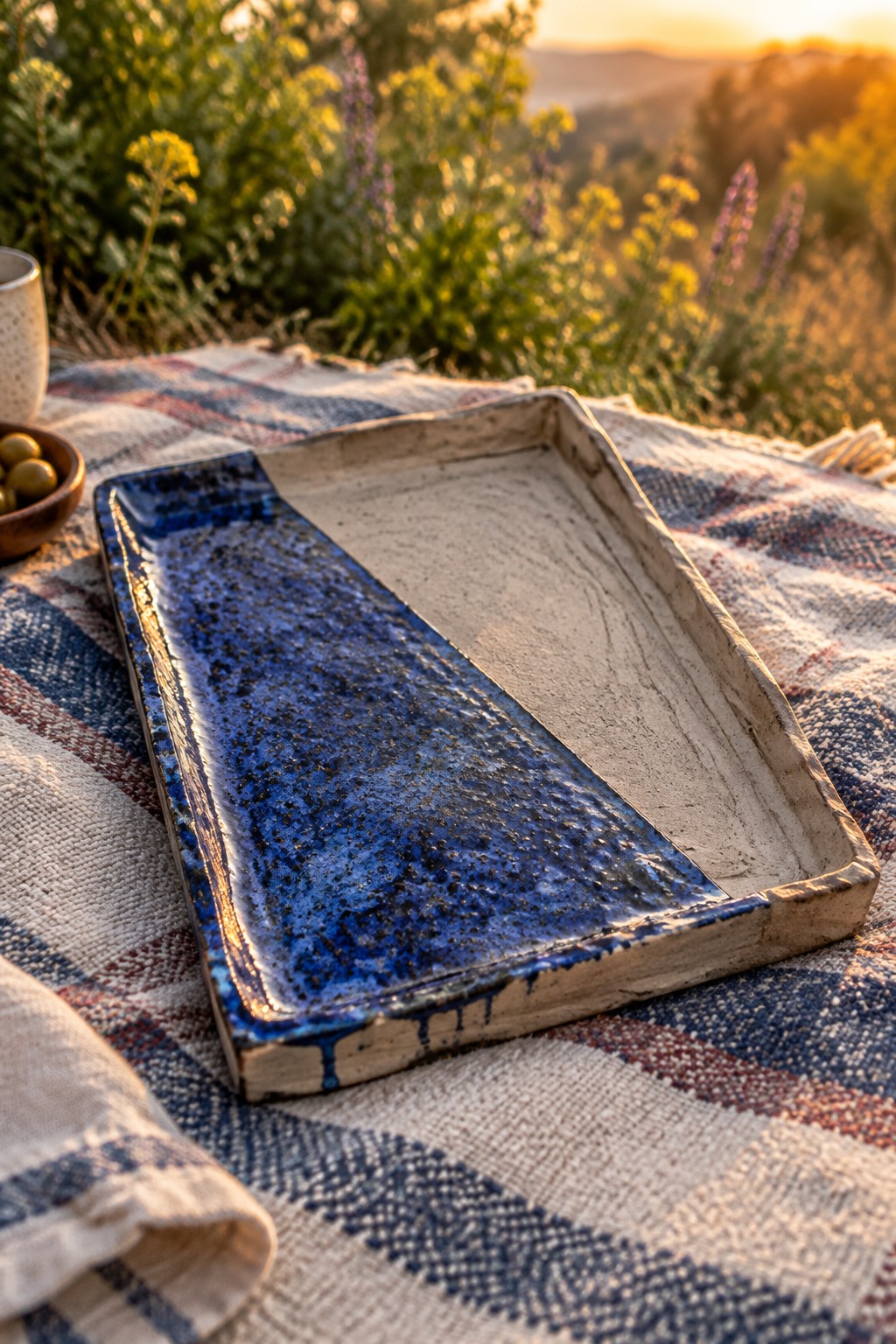
A handmade rectangular ceramic tray uses a strong split between a speckled blue glazed surface and a broad area of unglazed clay. The contrast makes this serving or display piece feel graphic without needing a painted pattern, while its raised edges help keep small items in place.
Use it as a catchall for keys and jewelry, or style it on a coffee table with candles or other small decor. You could adjust the glazed section to a narrow stripe, cover one end instead, or choose a different glaze color to suit your space; the clear division between finishes also makes the design easy to spot in a Pinterest collection of contrasting pottery surfaces.
Raku-Inspired Incense Holder with a Split Surface
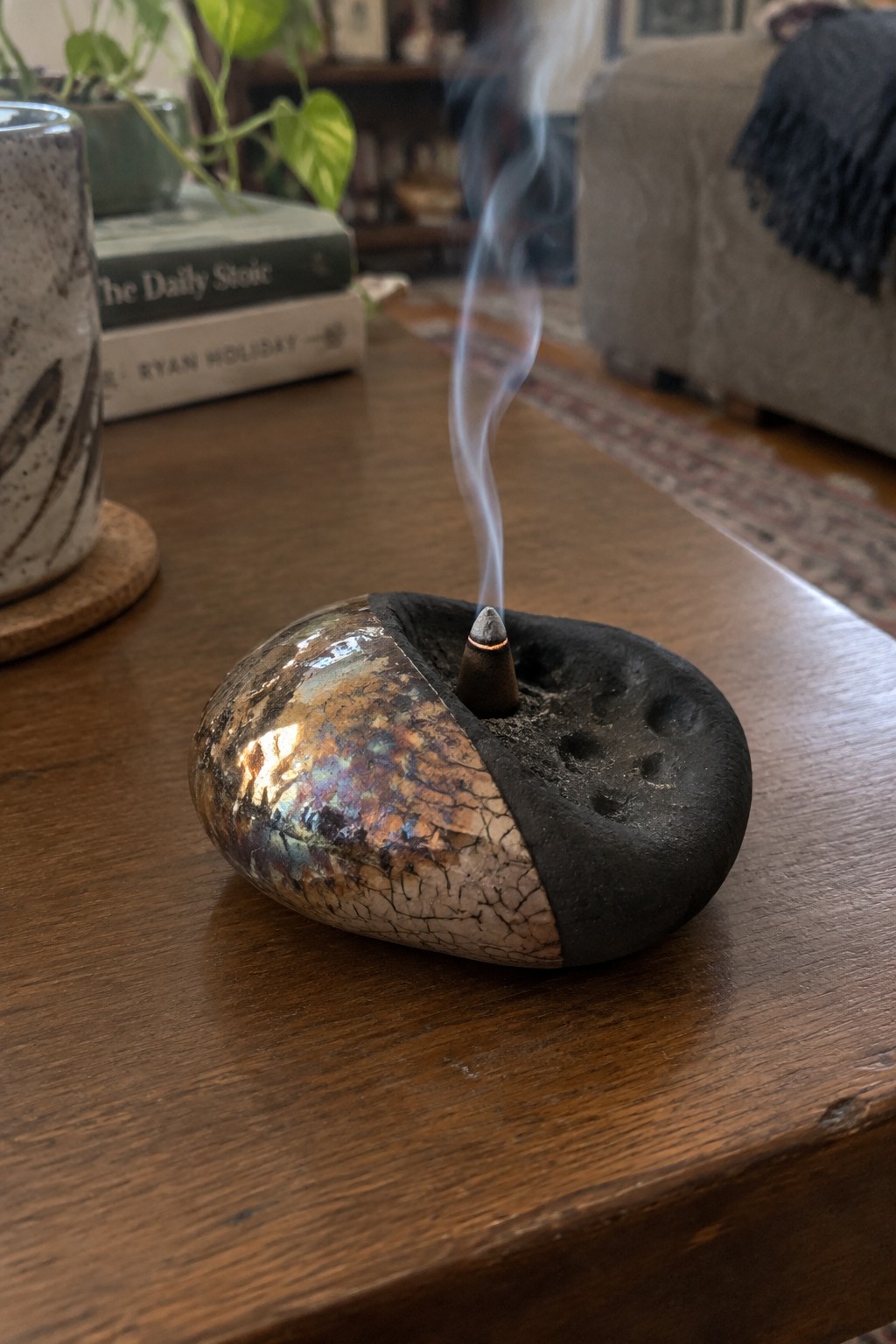
A handmade ceramic incense holder pairs a dark, unglazed-looking section with a crackled, iridescent glaze on its rounded base. The low pebble-like form and central cone opening make the contrast part of a small decorative incense accessory rather than a purely sculptural detail.
The broad base gives ash a place to collect, so this could sit on a side table or desk as a compact decor piece. For a simpler version, keep the rounded shape and divide the surface into two finishes, or adapt the idea into a small catchall dish by leaving out the incense opening.
Raku-Style Bud Vases with Glazed Tops and Unglazed Bases

These handmade ceramic bud vases pair rounded forms with a distinct contrast between glossy, colored upper sections and textured natural-clay bases. Their narrow openings suit single stems, making them a simple decor-focused project that fits the glazed-and-unglazed pottery category.
A small group works well on a windowsill, shelf, or dining table, where the different glaze colors can complement one another without competing. Adapt the idea with varied vase heights, a different glaze palette, or a less rounded shape, and keep each opening sized for a single flower or cutting.
Raku-Inspired Catchall Dish with a Crackled Glazed Center

A shallow handmade ceramic catchall pairs a glossy, crackled blue-and-copper center with a broad, rough unglazed rim. The contrast between the reflective interior and the earthy outer surface makes this small dish a useful example of a raku-inspired piece with clearly divided glazed and unglazed sections.
The shallow shape suits a ring dish, key holder, or spot for other small items on a dresser or entry table. To adapt the idea, keep the natural clay rim and try a different glaze palette, or make the dish smaller for jewelry and larger for a bedside catchall; its strong color contrast also makes it easy to feature in a pottery inspiration collection.
Raku-Style Mug with a Crackled Blue Glaze
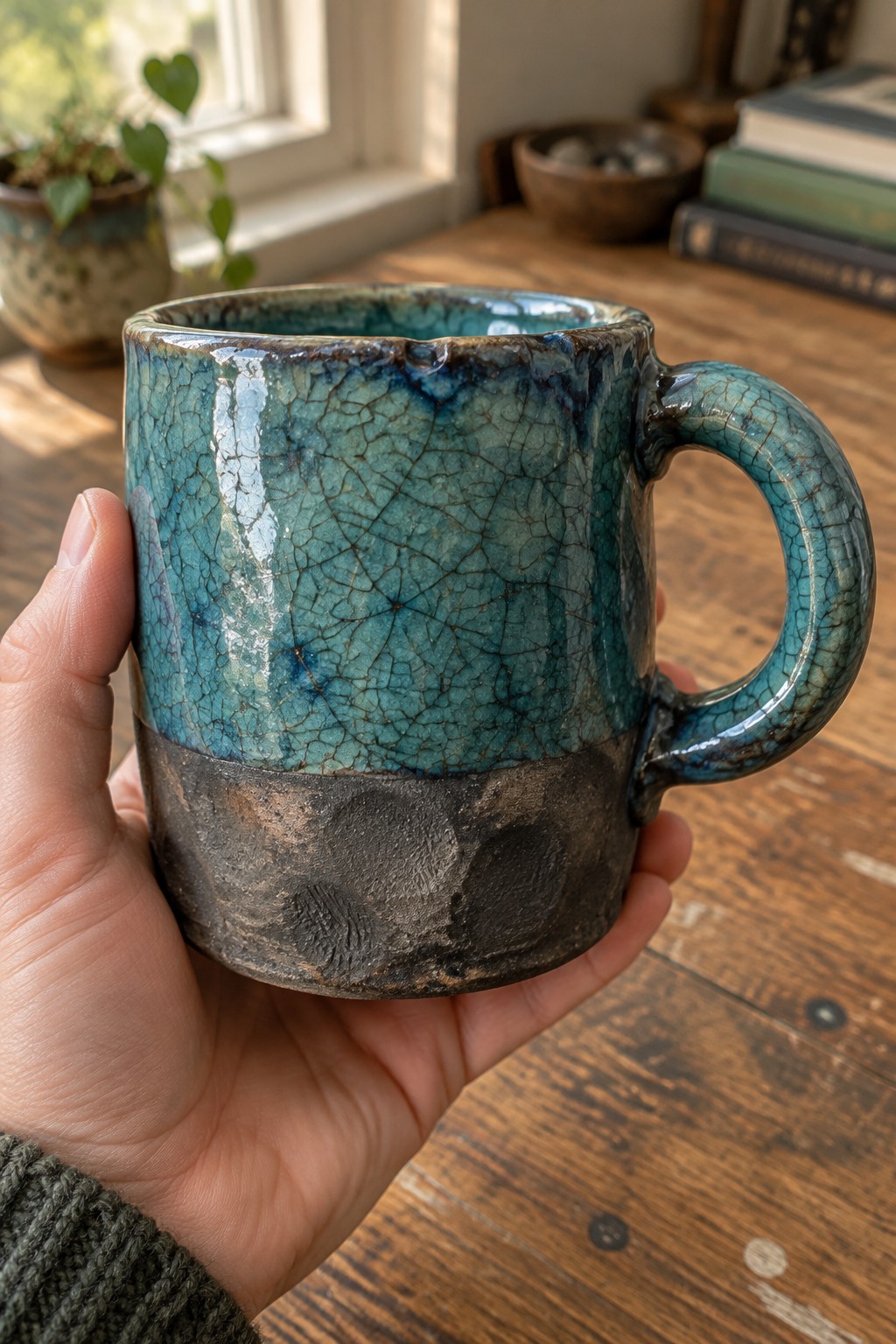
A handmade ceramic mug can pair a glossy, crackled blue-green glaze on the upper body with a rough, unglazed clay base for a clear contrast in surface and color. The straight-sided shape and large handle keep it practical, while the glaze pattern makes it a distinctive kitchen piece within a collection of contrasting glazed and bare-clay pottery.
The two-part finish is easy to adapt with a different glaze color or a narrower band of exposed clay, and the same idea could suit a small planter or utensil cup. As a mug, it makes a useful handmade gift and would stand out in a Pinterest collection because the split surface is easy to notice and customize.
Frequently Asked Questions
Raku pottery is known for its rapid firing and distinctive surface effects. The piece is heated in a kiln, removed while it is still hot, and often placed in a container with combustible materials. This process can create crackled glaze, smoky markings, and dramatic color variations. Combining glazed and unglazed areas makes those effects stand out even more: glaze adds shine and color, while bare clay shows the texture and warmth of the body.
Plan the boundary before glazing. You might use a crisp line, a wide band, repeating geometric shapes, or an irregular edge that echoes the organic feel of raku firing. Resist or masking materials can help keep glaze off selected areas. For a more natural transition, apply glaze unevenly or use brushwork that lets some clay remain visible. Test your approach on a small piece first, since raku results can be unpredictable.
Vases, bowls, sculptural vessels, wall pieces, and small decorative objects all offer useful surfaces for a glaze-and-clay contrast. A vase can feature a glossy band around its middle, while a bowl might have a glazed interior and an unglazed exterior. Sculptural forms can use bare clay to emphasize ridges, carved details, or hand-built textures. Choose a design where the contrast supports the shape rather than competing with it.
Raku-fired pieces are generally best treated as decorative rather than food-safe or suitable for holding liquids. Raku firing often leaves the clay body porous, and the glaze may not be durable or food-safe. Unglazed areas can also absorb moisture and stains. If you want a functional vessel, check with a qualified ceramicist about the clay, glaze, firing process, and intended use. For most raku projects, use the piece as sculpture or display pottery.
Handle it gently, keep it dry, and dust it with a soft cloth or brush. Avoid dishwashers, soaking, harsh cleaners, and sudden temperature changes. Unglazed sections are more likely to absorb oils or show marks, so handle them with clean hands and avoid using them as surfaces for food or liquids. Because raku pieces can be fragile, display them somewhere stable and away from busy areas.

Pottery Path is my cozy corner of the internet where I share clay ideas, pottery inspiration, and simple projects you can recreate at home. I love exploring everything from air dry clay to handbuilt pottery to cute minis that brighten your day. My goal is to make clay crafting feel easy, fun, and welcoming for anyone who wants to try it.
You will find beginner friendly tutorials, creative pottery painting ideas, and lots of warm inspiration for slow and happy crafting. If you enjoy hands on creativity, this space will feel like home.