Rooting a pine tree cutting requires specific techniques to ensure successful growth. Using the right materials and following proper procedures increases the likelihood of developing a healthy root system.
Essential Tools for Rooting Pine Cuttings
Successfully rooting a pine tree cutting requires the right tools to ensure optimal conditions for growth. This section outlines the essential equipment needed to facilitate the rooting process, from cutting tools to propagation supplies, helping beginners set up for success in nurturing their new plants. Understanding these tools will make the rooting journey smoother and more effective.
Before starting the rooting process, gather essential items to facilitate success. Having the right gear on hand will streamline your efforts and improve outcomes.
-
Sharp pruning shears for clean cuts
-
Rooting hormone to stimulate growth
-
Seedling trays or small pots with drainage holes
-
Potting mix designed for cuttings
-
Plastic bags or a propagation dome to maintain humidity
| Item | Purpose |
|---|---|
| Sharp pruning shears | Ensure clean cuts |
| Rooting hormone | Stimulate root growth |
| Seedling trays | Provide space for cuttings |
| Potting mix | Support healthy growth |
| Plastic bags | Maintain humidity |
Pine Cutting Preparation and Safety Tips
Preparing a pine tree cutting for rooting requires careful attention to detail and safety precautions. This section outlines essential tips to ensure a successful propagation process while minimizing risks. By following these guidelines, beginners can enhance their chances of growing healthy pine trees from cuttings.
Proper preparation is crucial for rooting pine cuttings. Start by selecting healthy, disease-free branches. Choose cuttings that are 4 to 6 inches long, ideally taken from the current year’s growth.
-
Wear gloves to protect your hands from sap and potential irritants.
-
Sanitize tools to prevent disease transmission.
-
Choose a clean workspace to avoid contamination.
Always work in a well-ventilated area to avoid inhaling any harmful substances from rooting hormones.
Pine Cutting Rooting Techniques for Beginners
Rooting a pine tree cutting can be a rewarding endeavor for beginners looking to propagate these resilient trees. Understanding the right techniques is essential for success, as it involves specific methods that enhance root development. This section outlines effective strategies to help you cultivate healthy pine cuttings from the start.
Follow these steps to effectively root your pine tree cuttings. Each step is vital for ensuring the cuttings develop a robust root system.
-
Cut the pine branch at a 45-degree angle to increase surface area.
-
Dip the cut end into rooting hormone to promote root growth.
-
Fill the seedling tray with potting mix, ensuring it is moist but not soggy.
-
Insert the cuttings into the potting mix, burying them about halfway.
-
Water the cuttings lightly to settle the soil around them.
-
Cover with plastic bags or a propagation dome to maintain humidity.
-
Place in indirect sunlight to avoid stress on the cuttings.
Recommended Products
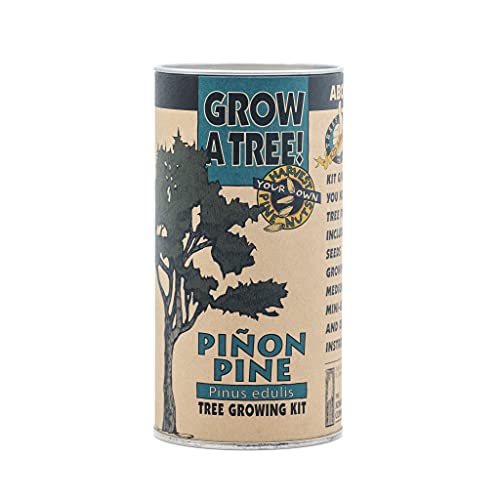
Grow your own tree from seed!

【Super Value】— Including 8 packs of clear rooting balls (4 Small Size + 4 Medium Size ), 8 packs of Light-Shielding Film (4 Small Size + 4 Medium Size), and 32 cable ties for securing the rooting balls as needed.Fit branch size: 0.1-0.47inch.

PROFESSIONAL GARDENING GRAFTING TOOLS: Including 2 in 1 grafting pruning tools, 3 replaceable blades, a grafting knife, a screwdriver, a wrench, 2 grafting films, 160 rubber bands, 40 wide rubber bands, and 50 colorful tag cards
Cutting Growth Monitoring and Care
Monitoring the growth of your pine tree cutting is essential for its successful rooting and overall health. This section will guide you through the key indicators of progress and the care techniques needed to ensure your cutting thrives as it develops roots. Understanding these factors will help you nurture your cutting effectively during this critical stage.
After planting, monitoring the cuttings is essential for success. Check moisture levels regularly and ensure they remain consistent.
-
Mist the cuttings daily to maintain humidity.
-
Remove plastic covers for short periods to allow air circulation.
-
Watch for root development by gently tugging on the cuttings after a few weeks.
If you notice mold or rot, remove affected cuttings immediately to protect healthy ones.
Pine Cutting Rooting Troubleshooting Guide
Rooting pine tree cuttings can sometimes present challenges, even for beginners. This troubleshooting guide addresses common issues that may arise during the rooting process, offering practical solutions to help ensure successful propagation. By understanding these potential pitfalls, you can enhance your chances of cultivating healthy pine trees from cuttings.
Rooting pine cuttings can present challenges. Understanding common issues can help you troubleshoot effectively.
-
Slow root development may be due to insufficient humidity. Increase misting or adjust covers.
-
Wilting cuttings often indicate underwatering. Ensure consistent moisture without overwatering.
-
Mold growth can occur with excessive moisture. Improve air circulation and reduce humidity levels.
Best Pine Species for Successful Rooting
Choosing the right pine species is crucial for successful rooting when propagating from cuttings. Certain varieties are more amenable to this process, offering higher success rates and faster growth. Understanding which species thrive in this setting can significantly enhance your chances of establishing healthy, robust pine trees.
Selecting the appropriate pine species for cuttings can affect rooting success. Some species root more readily than others.
-
Eastern White Pine is known for its adaptability and ease of rooting.
-
Scots Pine has a high success rate when cuttings are taken in early summer.
-
Lodgepole Pine can be challenging but offers unique growth characteristics.
Always research specific species requirements before starting the rooting process.
Transplanting Pine Cuttings Successfully
Successfully transplanting pine cuttings requires careful attention to detail and timing. This section outlines the essential steps to ensure your cuttings thrive once moved to their new environment. By following these guidelines, you can enhance the chances of your pine trees establishing strong roots and flourishing in their new home.
Once roots have developed, transplanting is the next crucial step. Follow these guidelines to ensure a smooth transition.
-
Prepare larger pots with fresh potting mix.
-
Gently remove cuttings from the seedling tray, taking care not to damage roots.
-
Place cuttings in new pots and fill with soil, ensuring roots are covered.
-
Water thoroughly to help settle the soil around the roots.
-
Gradually acclimate to outdoor conditions if planning to plant outside.
By following these steps and guidelines, you can successfully root pine tree cuttings and enjoy the benefits of growing your own trees.

My interest in trees started when I first saw the giant sequoias in Yosemite.I was a teenager then, and I remember thinking, “I need to learn more about this.”That moment stuck with me.A few years later, I went on to study forestry at Michigan Tech.
Since graduating, I’ve worked in a mix of hands-on tree care and community education.I’ve spent over ten years helping people understand how to plant, maintain, and protect the trees in their neighborhoods.I don’t see trees as just part of the landscape.They are living things that make a real difference in our daily lives.