Spraying an apple tree effectively requires specific treatments to combat pests and diseases. The right approach ensures healthy fruit production and tree vitality. This guide details the necessary steps and products to use for optimal results.
Apple Tree Spraying Supply Essentials
To effectively care for your apple trees, understanding the essential supplies for spraying is crucial. This section outlines the necessary tools and materials that will help you protect your trees from pests and diseases, ensuring a healthy and productive orchard. By equipping yourself with the right items, you can enhance the vitality of your apple trees.
Before you begin spraying your apple tree, gather the essential supplies. Having the right gear ensures safety and effectiveness in your treatment process. Here is a checklist of items you will need:
| Item | Purpose |
|---|---|
| Protective gloves | Safeguard hands from chemicals |
| Respirator mask | Prevent inhalation of harmful vapors |
| Spray nozzle | Ensure even application of treatments |
| Backpack sprayer | Facilitate large area coverage |
| Fungicide | Treat fungal infections |
| Insecticide | Control pest populations |
| Horticultural oil | Suffocate pests and their eggs |
Recommended Products

3-in-1 FORMULA: Aphid spray for outdoor plants for use on roses, flowers, shrubs and trees to control listed insects, disease and mites

INSECT KILLER - This pest control is great for use on beetles, fruit flies, caterpillars, mealybugs, spider mites, thrips, scale, leafhoppers, and other pests. Our pesticide delivers fast results.
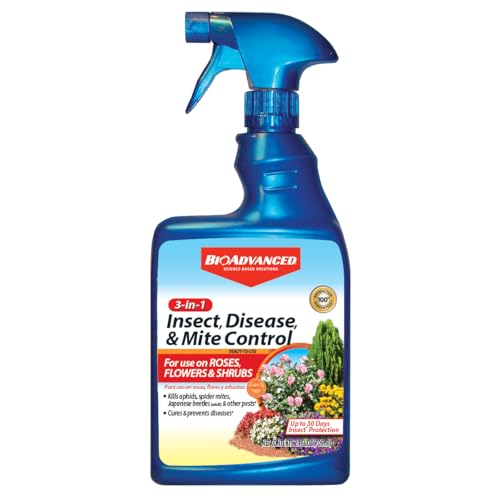
INSECT KILLER: Army worm killer. Also kills insects such as Aphids, Spider Mites, Japanese Beetles, Caterpillars, and other listed insects
Spraying Preparation and Safety Guidelines
Proper preparation and safety are essential when spraying an apple tree to ensure both effective pest control and the health of the tree. Understanding the necessary precautions and steps to take can help prevent harm to yourself, beneficial insects, and the environment. This section outlines the key guidelines to follow before you begin the spraying process.
Proper preparation is crucial for effective spraying. Begin by selecting a calm day to minimize drift.
Wear protective gear to avoid exposure to chemicals. Here are steps to follow:
-
Read product labels to understand application rates and safety precautions.
-
Mix solutions according to the manufacturer’s instructions.
-
Calibrate your sprayer to ensure even coverage.
-
Clear the area around the tree of debris and fallen fruit.
Always follow local regulations regarding pesticide use.
Apple Tree Spraying Techniques and Timing
Effective apple tree care involves understanding the right spraying techniques and timing to protect your trees from pests and diseases. This section delves into the best practices for applying treatments, ensuring your apple trees thrive and produce healthy fruit. By following these guidelines, you can enhance the vitality of your orchard and maximize your harvest.
Executing the spray application involves several key steps. Timing and technique are vital for successful treatment. Follow these steps for effective spraying:
-
Target the foliage by spraying both the upper and lower surfaces of leaves.
-
Apply treatments during the early morning or late evening to reduce evaporation.
-
Use a steady motion to cover all areas without oversaturating any section.
-
Monitor weather conditions to avoid rain shortly after application.
| Step | Action | Notes |
|---|---|---|
| 1 | Spray foliage | Focus on leaf undersides |
| 2 | Apply in calm weather | Prevent drift |
| 3 | Maintain steady pace | Ensure even coverage |
| 4 | Check for rain | Avoid washing off treatments |
Optimal Spray Timing for Apple Trees
Understanding the optimal timing for spraying apple trees is crucial for effective pest and disease management. This section outlines the best periods for applying treatments, ensuring that your apple trees receive maximum protection while promoting healthy growth. By following these guidelines, you can enhance your orchard’s productivity and fruit quality.
Timing your sprays throughout the growing season is essential for effective management. Here’s a seasonal breakdown of when to apply treatments:
-
Early Spring: Apply dormant oil to suffocate overwintering pests.
-
Mid-Spring: Use fungicides to prevent apple scab and powdery mildew.
-
Late Spring: Apply insecticides to control aphids and caterpillars.
-
Summer: Monitor for pests and apply horticultural oils as needed.
Recommended Products
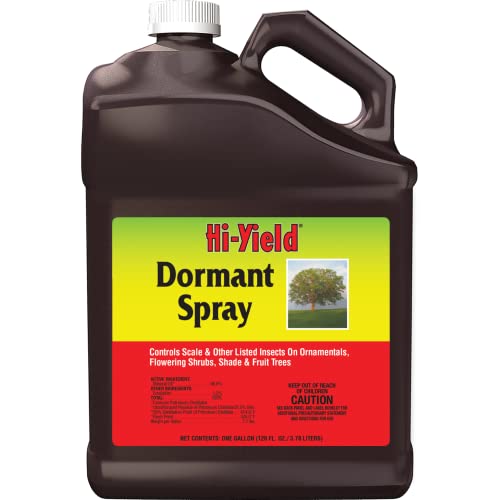
Controls a variety of Scale, Mites, Fruit Tree Leaf Rollers, Pear Psylla, Fall Armyworms, and Whiteflies

USE YEAR ROUND - Our 3-in-1 product provides year-round protection against insects, mites, and diseases. Can be used at the dormant stage, green tip stage, delayed dormant stage, and during the growing season to prevent pest infestations and disease.
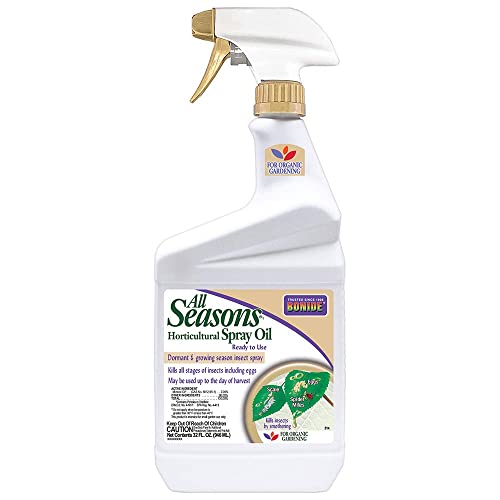
Control insects and diseases in your home garden with All Seasons Horticultural and Dormant Spray Oil Concentrate; use year-round to control listed insects and diseases
Apple Tree Pest Management Strategies
Effective pest management is crucial for maintaining the health and productivity of apple trees. This section outlines practical strategies for controlling common pests, ensuring your orchard thrives while minimizing damage. By implementing these targeted approaches, you can protect your apple trees and enhance their overall yield.
Understanding the common pests that affect apple trees helps in selecting appropriate treatments. Here are some typical pests and their recommended solutions:
| Pest | Treatment |
|---|---|
| Aphids | Insecticidal soap or neem oil |
| Codling moth | Pheromone traps or insecticides |
| Spider mites | Miticides or horticultural oil |
| Apple maggot | Insecticides or traps |
Apple Tree Disease Treatment Strategies
Effective treatment strategies are essential for maintaining the health of apple trees and ensuring a fruitful harvest. This section delves into various disease management techniques, focusing on the specific sprays and methods that can help combat common apple tree ailments. Understanding these strategies will empower you to protect your trees and enhance their resilience.
Diseases can severely impact apple tree health and fruit quality. Regular monitoring and treatment are necessary. Here are common diseases and their corresponding treatments:
| Disease | Treatment |
|---|---|
| Apple scab | Fungicides applied in spring |
| Powdery mildew | Sulfur-based fungicides |
| Fire blight | Prune infected branches and apply bactericides |
Always dispose of unused chemicals according to local regulations.
Recommended Products

BROAD-SPECTRUM PLANT FUNGICIDE FOR GARDEN USE: Helps prevent and control powdery mildew, blight, leaf spot, black spot, and crown rot on houseplants, vegetables, and ornamentals. Food-grade citric acid formula works throughout the growing cycle. Safe for use on edible crops.

🌿 Controls Common Fungal & Bacterial Diseases Defend your plants from powdery mildew, botrytis, anthracnose, and more. Works on contact to stop foliar plant diseases before they spread.
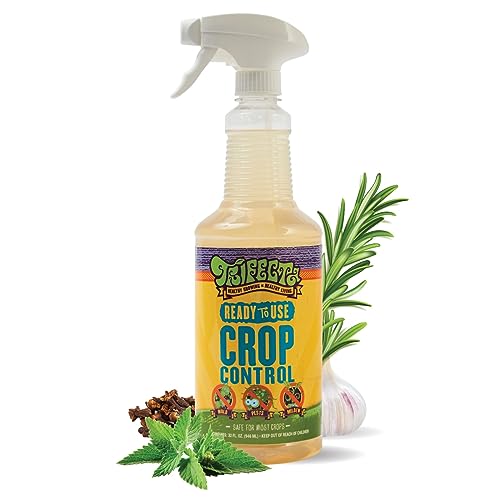
CROP, GARDEN & HOUSEPLANT INSECT CONTROL. Trifecta Crop Control all-natural, plant-based formula effectively combats destructive spider mites, aphids, whiteflies, fungus gnats, and other soft-bodied pests on indoor and outdoor plants. Our biodegradable, eco-friendly solution is safe for use on edible crops, without chemical residues. Our gentle yet potent plant spray suffocates and dehydrates pests without harming beneficial insects or the environment, making it ideal for organic gardening.
Post-Spraying Care for Apple Trees
After completing the spraying process, take additional steps to ensure the health of your apple tree. Regularly inspect your trees for signs of pests or diseases. Keep a log of treatments applied and their effectiveness. This practice helps in making informed decisions for future care.
Do not skip the post-application clean-up of equipment to prevent chemical residue.
Implementing these guidelines will enhance the health and productivity of your apple trees, ensuring a fruitful harvest each season.

My interest in trees started when I first saw the giant sequoias in Yosemite.I was a teenager then, and I remember thinking, “I need to learn more about this.”That moment stuck with me.A few years later, I went on to study forestry at Michigan Tech.
Since graduating, I’ve worked in a mix of hands-on tree care and community education.I’ve spent over ten years helping people understand how to plant, maintain, and protect the trees in their neighborhoods.I don’t see trees as just part of the landscape.They are living things that make a real difference in our daily lives.