Yes, you can grow an apple tree in Florida, but specific conditions must be met for optimal growth. Selecting the right variety and understanding local climate factors will significantly increase your tree’s lifespan.
Choose the Right Apple Tree Variety
Selecting an appropriate apple tree variety is crucial for successful growth in Florida’s unique climate. The state’s warm temperatures and humidity can be challenging for many apple varieties. Some are better suited for subtropical conditions, ensuring better fruit production and tree health.
Common varieties include:
-
Anna: Early-bearing and heat-tolerant.
-
Dorset Golden: Adapts well to warm climates.
-
TropicSweet: Produces sweet fruit and thrives in humidity.
Recommended Products

**Due to Agricultural Laws, we Cannot Ship to CA, AZ, AK, or HI- YOUR ORDER WILL BE CANCELED**

Live Fruit-Bearing Apple Tree – Grow your own Liberty apples, a disease-resistant variety known for its crisp texture, sweet-tart flavor, and deep red skin, perfect for fresh eating, baking, and cider-making
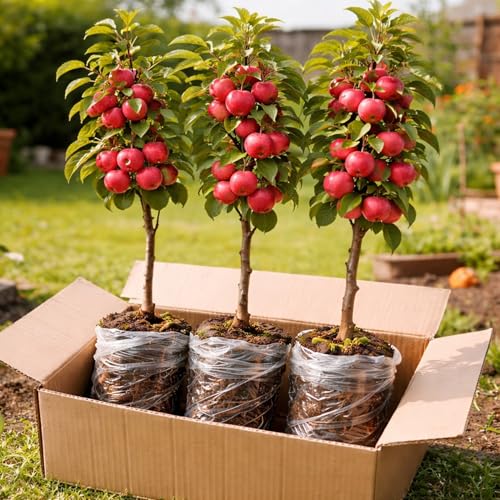
🍎 3 Live Crabapple Tree Saplings: Receive three healthy young apple tree saplings ready to plant and grow in your garden, backyard orchard, or container. Plants ship dormant (not leaves or fruit) in spring.
Florida Climate Effects on Apple Trees
Florida’s unique climate presents both challenges and opportunities for growing apple trees. Understanding how factors like humidity, temperature, and seasonal variations impact tree health is essential for maximizing their lifespan. This section delves into the specific climatic conditions in Florida and their effects on apple tree growth and longevity.
Florida’s climate is characterized by high humidity and warm temperatures, which can affect apple tree growth. Understanding these conditions helps in making informed decisions about planting and care.
Key climate factors include:
-
Temperature: Apple trees require a certain number of chill hours, typically between 300-1,000 hours below 45°F.
-
Humidity: High humidity can lead to fungal diseases, so proper air circulation is essential.
-
Soil Type: Well-draining sandy loam is ideal for apple trees.
Soil Preparation for Thriving Apple Trees
Preparing the right soil is crucial for cultivating healthy apple trees in Florida’s unique climate. The quality and composition of the soil directly influence the tree’s growth, fruit production, and overall lifespan. Understanding the specific soil requirements can significantly enhance your success in growing robust apple trees in this region.
Proper soil preparation is essential for the successful establishment of your apple tree. The right soil conditions promote healthy root development and long-term growth.
Steps for soil preparation:
-
Test the Soil: Determine pH and nutrient levels.
-
Amend the Soil: Add organic matter to improve drainage and fertility.
-
Dig a Hole: Ensure it is twice the width of the root ball and as deep as needed.
Apple Tree Watering Schedule for Florida
Understanding the unique watering needs of apple trees in Florida is crucial for their health and longevity. Given the state’s warm climate and varying rainfall, establishing a proper watering schedule can significantly impact growth and fruit production. This section outlines effective strategies to ensure your apple tree receives the right amount of moisture throughout the year.
Watering is critical for apple tree health, especially in Florida’s dry spells. Establishing a consistent watering schedule helps maintain soil moisture without overwatering.
Guidelines for watering:
-
Frequency: Water deeply once a week during dry periods.
-
Method: Use soaker hoses or drip irrigation to minimize evaporation.
-
Signs of Stress: Look for drooping leaves or dry soil as indicators of water needs.
| Watering Method | Frequency | Benefits |
|---|---|---|
| Deep Watering | Once a week | Encourages deep root growth |
| Drip Irrigation | Daily during dry spells | Reduces water waste |
| Soaker Hoses | Twice a week | Provides consistent moisture |
Pest Control Strategies for Florida Apple Trees
Managing pests is crucial for the health and longevity of apple trees in Florida’s unique climate. This section explores effective pest control strategies tailored to the region, ensuring that your apple trees remain vibrant and productive. Understanding local pest challenges will help you implement the right measures to protect your trees and enhance their lifespan.
Pest and disease management is vital for maintaining the health of your apple tree. Florida’s warm climate can promote various pests and diseases that threaten tree longevity.
Common issues include:
-
Apple Scab: Fungal disease that causes leaf spots.
-
Coddling Moth: Larvae that infest apples.
-
Spider Mites: Small pests that cause leaf damage.
Control methods:
-
Regular Inspections: Check for signs of pests and diseases.
-
Organic Treatments: Use neem oil or insecticidal soap for pest control.
-
Cultural Practices: Maintain good air circulation and avoid overhead watering.
Pruning Techniques for Apple Tree Vitality
Pruning is essential for maintaining the health and longevity of apple trees, especially in Florida’s unique climate. By employing the right techniques, you can enhance fruit production and ensure your tree thrives. Understanding the specific pruning methods suited for apple trees will help you cultivate a robust and fruitful tree for years to come.
Pruning is essential for maintaining the shape and health of your apple tree. Proper pruning encourages better air circulation and sunlight penetration, which are vital for fruit production.
Steps for effective pruning:
-
Timing: Prune during the dormant season, typically late winter.
-
Remove Dead Wood: Cut back any dead or diseased branches.
-
Shape the Tree: Maintain an open center to allow sunlight in.
Fertilization Strategies for Apple Trees
Fertilization is crucial for the health and longevity of apple trees, especially in Florida’s unique climate. Understanding the specific nutrient needs of these trees can significantly enhance their growth and fruit production. This section explores effective fertilization strategies tailored to ensure your apple trees thrive in the Sunshine State.
Fertilization supports healthy growth and fruit production in apple trees. A well-balanced fertilization program ensures that your tree receives the necessary nutrients throughout the growing season.
Fertilization tips:
-
Timing: Fertilize in early spring and again in late summer.
-
Type of Fertilizer: Use a balanced fertilizer with equal parts nitrogen, phosphorus, and potassium.
-
Application: Follow package instructions for the best results.
| Fertilizer Type | Application Rate | Timing |
|---|---|---|
| Balanced Fertilizer | 1 lb per year of age | Early spring |
| Organic Compost | 2-3 inches around the base | Late summer |
Apple Tree Health Monitoring Techniques
Monitoring the health of your apple tree is crucial for ensuring its longevity, especially in Florida’s unique climate. By employing specific techniques, you can identify potential issues early and take proactive measures to enhance your tree’s growth and fruit production. Understanding these methods will help you maintain a thriving apple tree in your garden.
Regular monitoring of your apple tree’s health is critical for early detection of issues. Observing growth patterns and overall appearance helps in making timely interventions.
Key signs to monitor:
-
Leaf Color: Healthy leaves should be vibrant green.
-
Fruit Development: Monitor for size and color changes.
-
Overall Growth: Look for signs of stunted growth or wilting.
Proper care and attention will enhance your apple tree’s lifespan in Florida.

My interest in trees started when I first saw the giant sequoias in Yosemite.I was a teenager then, and I remember thinking, “I need to learn more about this.”That moment stuck with me.A few years later, I went on to study forestry at Michigan Tech.
Since graduating, I’ve worked in a mix of hands-on tree care and community education.I’ve spent over ten years helping people understand how to plant, maintain, and protect the trees in their neighborhoods.I don’t see trees as just part of the landscape.They are living things that make a real difference in our daily lives.