Do you ever wonder if you’re watering your container garden enough or maybe too much? It’s a common struggle for many gardeners. You might notice your plants wilting or, on the flip side, see mold forming in the soil. Finding that sweet spot can feel tricky.
Key Takeaways
- Container Gardening Basics: Container gardens are flexible and suitable for small spaces, allowing for a variety of plants in pots, window boxes, and hanging baskets.
- Watering Frequency Factors: The frequency of watering depends on plant type, weather conditions, and container material—different plants have unique moisture needs and should be monitored accordingly.
- Signs of Underwatering: Look for wilting leaves and dry, cracked soil as key indicators that your container plants need watering.
- Essential Watering Practices: Water thoroughly to ensure moisture reaches the roots, and check soil moisture regularly. Generally, aim to provide about 1 inch of water per week.
- Seasonal Adjustments: Increase watering frequency in warmer months while gradually reducing it in cooler seasons to reflect the changing water needs of your plants.
- Container Selection Matters: Choose containers with drainage holes and consider materials—plastic retains moisture longer, while clay may require more frequent watering.
Understanding Container Gardens
Container gardens are a popular choice for many gardeners. They provide flexibility in terms of space and plant selection. You can use a variety of containers, like pots, window boxes, or hanging baskets. These containers allow you to grow plants in places where traditional gardens might not be possible, such as patios, balconies, or small yards.
Benefits of Container Gardening
Container gardening offers numerous advantages:
- Control Over Soil: You choose the soil mix, ensuring your plants have the right nutrients.
- Mobility: You can easily move containers to adjust for sunlight or shelter from harsh weather.
- Pest Management: Containers can help reduce soil-borne pests and diseases, keeping your plants healthier.
- Variety: Grow different types of plants, including vegetables, herbs, and flowers, even in limited space.
Common Challenges
While container gardening is rewarding, it comes with challenges:
- Watering Needs: Container plants tend to dry out faster than in-ground ones. Frequent checks are necessary.
- Limited Space for Roots: Roots have less room to spread out, requiring diligent attention to plant health.
- Temperature Fluctuations: Containers can heat up quickly in the sun, affecting plant growth.
Essential Tips for Container Care
Taking care of your container garden means understanding its needs:
- Choose the Right Container: Select containers with drainage holes. This promotes good water flow and prevents root rot.
- Use Quality Potting Mix: Opt for a potting mix designed for containers. This provides better drainage and aeration.
- Water Regularly: Check moisture levels daily. Water when the top inch of the soil feels dry. Adjust frequency based on weather and plant type.
- Fertilize as Needed: Use a balanced fertilizer every few weeks to provide essential nutrients. Follow package instructions for specific guidelines.
- Monitor for Pests: Regularly inspect plants for pests or diseases. Treat promptly to ensure plant health.
Understanding container gardens sets the foundation for successful plant care. Stay attentive to watering and maintenance to enjoy thriving plants in your space.
Factors Affecting Watering Frequency
Watering frequency in container gardens depends on multiple factors, each impacting how much water your plants need.
Recommended Products
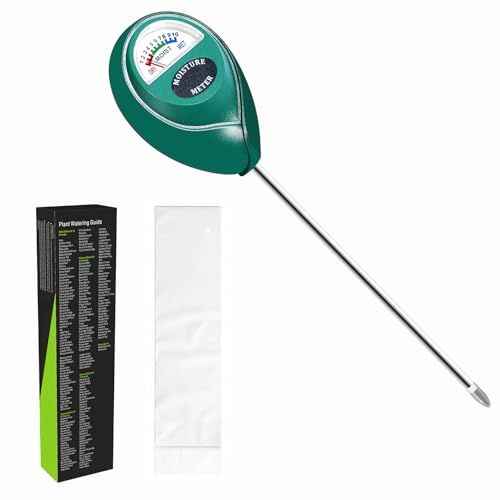
Trusted Since 2015: Become one of the many plant lovers who rely on the proven accuracy of XLUX. Established in 2015, our soil moisture meter has earned over 60,000+ verified ratings for its consistent performance. While many many newer brands come and go, we provide the long-term reliability and quality that American households have trusted for over a decade.

Accurate Soil Moisture Detection: The XLUX Soil Moisture Meter can tell you if the soil deep inside your pot or garden is dry, moist or wet; whereas your eyes and fingers can only determine the moisture level of the soil surface. The probe is 5.5 inches (14 cm) longer than regular styles, allowing it to measure the soil moisture at the bottom of larger and deeper flower pots.
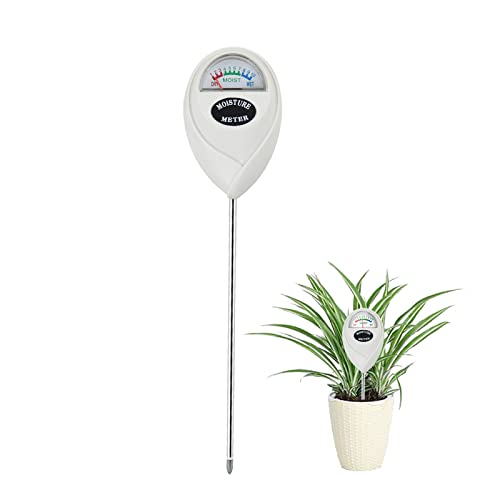
【SAVE YOUR PLANTS】: Over watering can cause problems with your plants or even kill them. This soil moisture meter helps you know the soil is dry, moist or wet.No more over watering!
Plant Type
Plant type plays a crucial role in watering needs. For instance:
- Succulents and Cacti: These plants prefer dry conditions. Water them every two to four weeks, allowing the soil to dry completely between watering.
- Herbs and Vegetables: Most herbs and vegetables thrive in moist soil. Check them every 1-2 days, especially during their growing season.
- Flowering Plants: Plants like petunias or geraniums often need daily watering, particularly in summer.
Weather Conditions
Weather affects soil moisture levels and, therefore, your watering schedule. Consider the following:
- Hot or Windy Days: Increased evaporation rates may require daily watering for your plants.
- Rainy Days: If rain occurs, reduce your watering frequency since excess moisture can harm roots.
- Seasonal Changes: During cooler months, many plants need less water. Adjust your schedule as temperatures drop.
Container Material
Container material influences how much moisture the soil retains. Choose wisely:
- Plastic Containers: These are lightweight and hold moisture longer. Check moisture levels every 3-5 days.
- Clay Pots: Clay absorbs moisture, requiring more frequent watering—typically every 2-4 days.
- Wood Containers: Depending on treatment, wood can either retain or lose moisture. Monitor your plants regularly.
By understanding these factors, you can adjust your watering routine and keep your container garden thriving.
Signs Your Container Garden Needs Watering
Recognizing the signs that your container garden needs watering is crucial for the health of your plants. Below are key indicators to look for.
Recommended Products
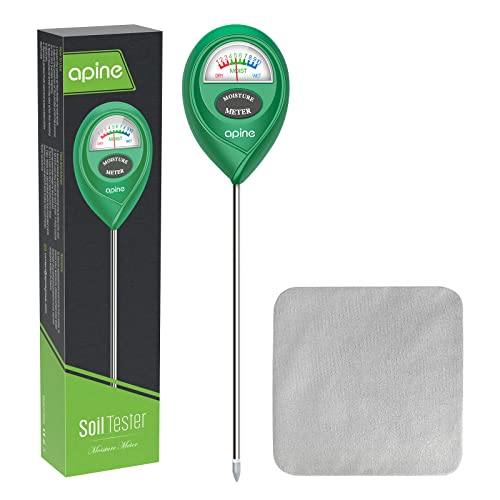
Quick Measurement:Just insert the probe of the plant water meter into the soil about two to four inches,wait a few seconds,you can get the soil moisture immediately.The color division of the dial is simple and clear,and the elderly can easily use it
Dimensions: 0.4 x 0.3 x 4.7 inches (small) - Intended for pot sizes of 2, 2.5, and 3 - Ideal for small succulents
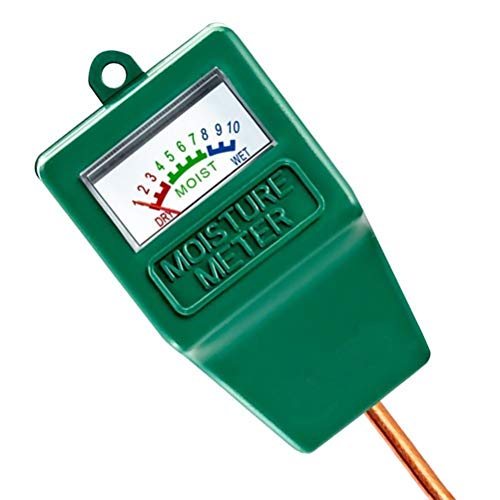
Soil Moisture Meter: This single probe soil moisture meter is specially designed for testing the moisture level in the soil, helps you decide whether the plants need water or not, helps to keep plants alive.
Wilting Leaves
Wilting leaves serve as one of the most noticeable signs that your plants lack water. Leaves may droop or lose their firmness. They often turn crispy, particularly at the edges. Check both young and mature leaves. If you observe these changes, it’s time to water your container garden.
Soil Appearance
Soil appearance provides important clues about moisture levels. When soil appears dry and cracks form on the surface, watering is essential. You might also notice a change in color; dark, moist soil looks rich, while dry soil often looks lighter and dusty. Utilize your finger to check the top inch of soil; if it feels dry to the touch, give your plants a drink.
Recommended Watering Practices
Watering your container garden requires careful attention. You can maintain healthy plants by following these practices.
Recommended Products

Large 2-gallon capacity with measurement markings for precise control.

Built tough for big watering jobs: This watering can has thickened PP resin walls to resist crushing and bending; 2 gallon capacity waters multiple plants and saves refills in heat; ideal for gardens, patios and large indoor pots with frequent refills

Chapin Watering Can: Designed for standard lawn and garden water tasks, the half gallon black poly water tank means it is lightweight to carry and the convenient large top opening ensures easy filling - making this watering can a versatile tool for all your watering needs
General Guidelines
- Water deeply, ensuring moisture reaches the roots. Aim for around 1 inch of water per week.
- Check the soil moisture regularly by sticking your finger into the top inch of soil. If it feels dry, it’s time to water.
- Water in the morning or evening to reduce evaporation. This practice helps to keep the soil moist longer.
- Use a watering can or hose with a gentle spray to avoid soil erosion. This method prevents disturbance to the root system.
- Space your watering sessions. Instead of daily watering, aim for a few times a week depending on weather conditions and plant needs.
- In spring and summer, increase watering frequency. Hotter temperatures can cause faster evaporation, necessitating more hydration.
- For fall, gradually reduce watering as temperatures drop. Most plants need less water during cooler months.
- In winter, monitor the soil moisture closely. Indoor plants need less water, while outdoor plants may require adjustments based on rainfall.
- Pay attention to plant types. Succulents and cacti thrive with less water, while flowering species often require more moisture.
- Consider container material. Clay pots tend to dry out faster than plastic ones, so adjust your watering accordingly.
Conclusion
Caring for your container garden is all about finding that sweet spot with watering. By paying attention to your plants and their specific needs you can create a thriving environment. Remember to check the soil moisture regularly and adjust your watering routine based on the weather and the type of plants you’re growing.
With a little practice and observation you’ll soon develop a feel for what works best for your container garden. Happy gardening and enjoy the beauty that comes from your efforts!
Frequently Asked Questions
What are the signs of under-watering in container gardens?
Under-watering in container gardens is often indicated by wilting leaves, drooping stems, or crispy foliage. Additionally, dry, cracked soil or a lighter soil color can signal a lack of moisture. Checking the top inch of soil with a finger can help determine if your plants need watering.
How do I know if my container garden is over-watered?
Over-watering symptoms include yellowing leaves, mold on the soil surface, and a foul smell from the container. Excess moisture can lead to root rot and other issues. If the soil feels constantly soggy or waterlogged, it’s a sign of over-watering.
What are the benefits of container gardening?
Container gardening offers several advantages, including flexibility in space, mobility, and control over soil quality. It also allows for pest management and the ability to grow various plants in areas unsuitable for traditional gardens.
What factors affect watering frequency for container gardens?
Watering frequency depends on plant type, weather conditions, and container material. For example, succulents require less water than flowering plants. Hot or windy weather increases watering needs, while rainy conditions may reduce them. Additionally, containers made of plastic retain moisture longer than those made of clay or wood.
How often should I water my container garden?
Generally, container gardens require about 1 inch of water per week. However, this can vary based on seasonal changes and specific plant needs. Regularly check soil moisture and adjust your watering schedule accordingly, especially during hotter months.
What type of container is best for gardening?
The best containers for gardening have good drainage holes to prevent waterlogging. Materials like clay, plastic, or wood can be used, but consider that plastic retains moisture better while clay allows for better airflow. Choose according to your plant’s needs.
How do I choose the right soil for my container garden?
Using high-quality potting mix is essential for container gardening. Look for mixes that offer good drainage, moisture retention, and nutrients. Avoid garden soil, as it can compact in containers and hinder root growth.
Why is it important to check soil moisture?
Checking soil moisture helps ensure that plants receive adequate hydration. By monitoring the top inch of soil, you can prevent under-watering and over-watering, both of which can harm plant health and growth.
How does temperature affect watering needs?
Temperature significantly impacts watering requirements. In warmer weather, plants may need more frequent watering, while cooler temperatures can lead to reduced evaporation, requiring less water. Always adjust your watering routine based on current weather conditions.
Can I grow any plant in a container garden?
Most plants can thrive in containers, but it’s essential to select species suitable for small root spaces, such as herbs, flowers, and certain vegetables. Research each plant’s specific needs to ensure successful growth in a container setting.

My interest in trees started when I first saw the giant sequoias in Yosemite.I was a teenager then, and I remember thinking, “I need to learn more about this.”That moment stuck with me.A few years later, I went on to study forestry at Michigan Tech.
Since graduating, I’ve worked in a mix of hands-on tree care and community education.I’ve spent over ten years helping people understand how to plant, maintain, and protect the trees in their neighborhoods.I don’t see trees as just part of the landscape.They are living things that make a real difference in our daily lives.