Are you excited to start your own raised garden bed but unsure how much soil you really need? You’re not alone. Many gardeners face this common question, and getting it right can make all the difference in your plants’ success.
Key Takeaways
- Soil Depth Matters: A minimum depth of 12 inches is essential for root growth, nutrient access, and moisture retention in raised garden beds.
- Plant-Specific Depths: Different plants, such as root vegetables, leafy greens, and tall plants, require varying soil depths for optimal growth—ranging from 6 to 24 inches.
- Climate Considerations: Soil depth requirements can vary based on climate, with deeper soil enhancing moisture retention in hot conditions.
- Avoid Common Mistakes: Misjudging plant needs, underestimating soil settling, and neglecting drainage can lead to improper soil depths, hindering plant health.
- Benefits of Proper Depth: Maintaining the correct soil depth promotes healthy root development, improves nutrient access, facilitates drainage, and supports diverse plant varieties.
- Regular Monitoring: Consistently check and adjust soil depth over time to accommodate settling, erosion, and changes in plant growth conditions.
Importance Of Soil Depth In Raised Garden Beds
Soil depth plays a crucial role in the health and productivity of your raised garden bed. Adequate depth ensures that plants have sufficient room to grow their roots, access nutrients, and retain moisture.
Root Growth
Root growth affects overall plant health. Shallow soil limits root expansion, restricting access to water and nutrients. A depth of at least 12 inches supports the establishment of robust root systems. For crops like tomatoes and carrots, consider 18 to 24 inches for optimal growth.
Nutrient Availability
Nutrient availability hinges on soil depth. Deeper soil promotes better nutrient retention and reduces competition among plants. With at least 12 inches of soil, you enhance nutrient cycling. Use compost or organic fertilizers to bolster nutrient presence, thereby improving growth rates.
Moisture Retention
Moisture retention significantly impacts your garden’s success. A deeper bed provides a larger volume of soil to retain moisture, reducing the need for frequent watering. Aim for 12 to 18 inches for adequate moisture levels, especially in hot weather.
Drainage
Proper drainage prevents waterlogging, which can harm plant health. Deep soil facilitates better drainage, allowing excess water to escape. Ensure a minimum of 12 inches of soil depth to encourage optimal drainage conditions for your plants.
Plant Variety Considerations
Certain plant varieties require specific soil depths. Leafy greens thrive in shallower beds, while root vegetables prefer deeper soil. Matching soil depth to plant type enhances garden productivity. Research the needs of each plant to determine the best depth for success.
By prioritizing soil depth, you set the stage for a thriving raised garden that flourishes with healthy plants and abundant yields.
Recommended Soil Depth For Different Plants
Different plants thrive best at varied soil depths. Understanding these needs helps ensure successful growth and abundant yields.
Recommended Products
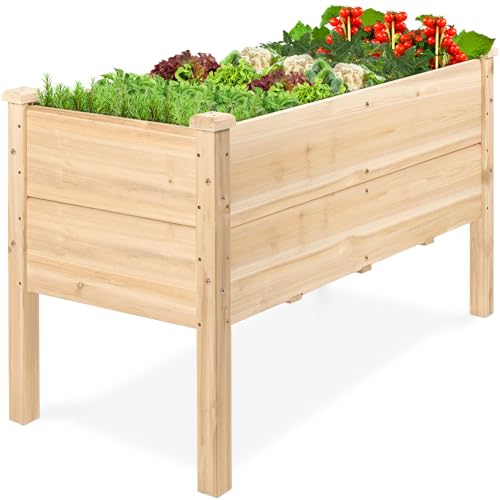
DEEP PLANTER FOR MAXIMUM YIELD: With 16" of soil depth and a spacious planting area, this elevated bed supports healthy root vegetables like carrots, beets, and radishes while allowing more crops per bed, boosting overall harvest and garden productivity

FOR USE: Ideal for raised garden beds and outdoor containers.

Vegetables
For most vegetables, a soil depth of 12 to 18 inches proves ideal.
- Root crops: Carrots and potatoes require at least 12 inches to allow roots to expand.
- Leafy greens: Spinach and lettuce thrive in 6 to 12 inches, though deeper soil promotes stronger growth.
- Tall plants: Tomatoes and peppers benefit from 18 to 24 inches to support deeper root systems.
Flowers
Flowering plants often need specific soil depths for optimal growth.
- Annuals: Most annual flowers like marigolds thrive in 8 to 12 inches of soil.
- Perennials: Perennials such as daisies and peonies do well with 12 to 18 inches depending on their root structure.
- Bulbs: Bulbs, like tulips and daffodils, should be planted 6 to 10 inches deep.
Herbs
Herbs generally require less soil than larger plants, but depth still matters.
- Shallow-rooted herbs: Basil and cilantro can grow well in 6 to 8 inches of soil.
- Established herbs: Rosemary and thyme benefit from 10 to 12 inches to support their root systems.
- Perennial herbs: Oregano and sage thrive best in 12 to 18 inches for resilience.
By tailoring the soil depth to the specific needs of each plant, you ensure that your raised garden bed flourishes.
Factors Influencing Soil Depth
Soil depth plays a crucial role in determining the success of your raised garden bed. Several factors influence how deep the soil should be to foster healthy plant growth.
Recommended Products


High-Quality PE Material with Drainage Hole: Crafted from durable and flexible PE material, these grow bags are built to withstand outdoor conditions without cracking. The bottom drainage hole provides essential airflow to roots and prevent overwatering and root rot, ensuring your plants thrive in a well-aerated environment.

Climate Conditions
Climate significantly impacts soil depth requirements. In regions with hot, dry climates, deeper soil—18 to 24 inches—retains moisture better, providing plants with a consistent water source. In contrast, cooler climates may allow for adequate growth with a depth of 12 to 18 inches. Understanding your local weather patterns helps you choose the right depth for moisture retention and temperature regulation.
Plant Type
Plant type greatly affects soil depth needs. Each plant variety has specific root structures that determine how deep the soil should be.
- Root Crops: Vegetables like carrots and potatoes require at least 12 inches to accommodate their extensive root systems.
- Leafy Greens: Plants such as lettuce and spinach thrive in 6 to 12 inches, as they have shallow roots.
- Tall Plants: Tomatoes and peppers benefit from 18 to 24 inches to support their growth and stability.
- Herbs: Shallow-rooted herbs like basil can flourish in 6 to 8 inches, while more established herbs such as rosemary thrive in 10 to 12 inches.
Matching soil depth to your chosen plants ensures vibrant growth and maximizes yield. Always consider both the climate and your selected plants to make informed decisions about soil depth in your raised garden bed.
Common Mistakes In Soil Depth Measurement
Understanding soil depth is crucial for a successful raised garden bed. However, many gardeners make mistakes in measuring the proper depth. Here’s a look at some of the most common errors.
Recommended Products

【Powerful Tilling & Weeding Capability】 Boasting high‑performance motor up to 360RPM, paired with 4‑set heavy‑duty steel tines. Delivers 9‑inch working width and max 7‑inch tilling depth. Efficiently break compact hard soil, churn soil clumps and clear weeds. Perfect for raised bed planting, spring soil turning and garden soil aeration to support better crop harvest.

Ready-to-Use Formula: No mixing or extra steps required. Simply pour and plant - perfect for gardeners of all experience levels.

Feed your raised bed for up to 3 months
Ignoring Plant Needs
Ignoring specific plant needs causes miscalculations in soil depth. Different plants, like tomatoes or carrots, require varying depths for optimal growth. Always research your plants’ requirements before deciding on depth.
Underestimating Settling
Underestimating soil settling can lead to inadequate depth. Soil compresses over time. Initial measurements might seem correct, but as soil settles, the depth decreases. Allow space for settling by adding an extra 2 to 3 inches of soil at first.
Not Considering Drainage
Not considering drainage is a critical oversight. Soil that’s too shallow affects drainage capabilities. A minimum of 12 inches prevents water from pooling, reducing the risk of root rot. Ensure drains are clear and check moisture levels regularly.
Forgetting About Soil Types
Forgetting to account for soil types is another frequent mistake. Different soil types—like clay or sandy soils—have varying drainage and retention properties, which impact depth. Adjust your soil layers based on the type you use.
Missing Compaction Impact
Missing the impact of compaction leads to inaccurate depth measurements. Compacted soil restricts root growth and water flow. Avoid walking on or placing heavy objects directly on your soil bed, which helps maintain proper depth.
Skipping Regular Checks
Skipping regular checks can result in unpredictable growth conditions. Monitor your soil depth over time. Doing so allows you to adjust for erosion or settling as necessary, ensuring your plants thrive.
Measuring Inconsistently
Measuring inconsistently is a common error. Use a consistent method for measuring depth, whether it’s a ruler or a marked stake. This approach keeps your soil depth uniform across the entire garden bed.
By avoiding these mistakes, you ensure your raised garden bed has the right depth for healthy, productive plants. Each of these components plays a vital role in creating the best environment for your garden.
Benefits Of Proper Soil Depth
Proper soil depth plays a crucial role in the success of your raised garden bed. Here are key benefits of maintaining the right soil depth:
- Enhanced Root Development
Adequate soil depth allows roots to grow freely. Strong root systems promote healthy plants and improve nutrient uptake. - Improved Nutrient Access
Deeper soil provides more nutrients for plants. When roots can spread out, plants can access essential minerals and vitamins needed for growth. - Better Moisture Retention
Soil depth influences moisture levels. A minimum of 12 inches helps hold moisture, reducing the need for frequent watering, especially in warm climates. - Effective Drainage
Sufficient depth enhances drainage. Proper drainage prevents waterlogging, which can harm roots and lead to diseases in plants. - Support for Diverse Plant Varieties
Meeting specific depths accommodates different plant types. For example, root crops thrive with at least 12 inches of soil, while taller varieties like tomatoes need 18 to 24 inches. - Fewer Weeds
A well-prepared, deeper planting bed can discourage weed growth. The deeper soil layers make it harder for weeds to compete with your desired plants. - Easier Maintenance
Managing an adequately deep bed can simplify tasks. You’ll find it easier to amend soil, plant seeds, and care for your garden. - Longer Growing Seasons
Deeper soil can extend your growing season. Warmer soil temperatures promote earlier planting in spring and longer harvests in fall.
By understanding these benefits, you can create an optimal environment for your plants, ensuring they thrive in your raised garden bed.
Conclusion
Getting the soil depth right for your raised garden bed is key to growing healthy and productive plants. By considering the specific needs of your chosen plants and adjusting the soil accordingly, you can create a thriving garden environment. Whether you opt for the minimum of 12 inches or go deeper for those root-loving crops, the right depth will help your plants access nutrients and moisture effectively.
Remember to keep an eye on soil conditions and make adjustments as needed. With a little care and attention, you’ll set the stage for a bountiful harvest and enjoy the fruits of your labor. Happy gardening!
Frequently Asked Questions
What is the ideal soil depth for a raised garden bed?
A minimum soil depth of 12 inches is recommended for most plants in raised garden beds. Deeper soil, between 18 to 24 inches, is ideal for root crops like tomatoes and carrots to ensure healthy root development and sufficient nutrient access.
Why is soil depth important for my plants?
Soil depth is crucial as it affects root growth, nutrient availability, moisture retention, and drainage. Proper depth allows plants to establish robust root systems, leading to healthier and more productive gardens.
How do different plants affect soil depth requirements?
Each plant type has specific soil depth needs based on its root structure. For example, root crops like carrots require at least 12 inches, while taller plants like tomatoes benefit from a depth of 18 to 24 inches.
What are common mistakes gardeners make with soil depth?
Common mistakes include ignoring specific plant needs, underestimating soil settling, not considering drainage, and inconsistently measuring soil depth. These errors can lead to inadequate growth conditions for the plants.
How can I maintain proper soil depth in my garden?
To maintain proper soil depth, regularly check for settling, use appropriate soil types, and account for potential compaction. It’s essential to adjust and measure soil consistently based on the specific needs of your plants.
What benefits come from maintaining the right soil depth?
Maintaining the right soil depth enhances root development, improves nutrient access, and provides better moisture retention and drainage. This also supports diverse plant varieties and leads to longer growing seasons and healthier gardens.

My interest in trees started when I first saw the giant sequoias in Yosemite.I was a teenager then, and I remember thinking, “I need to learn more about this.”That moment stuck with me.A few years later, I went on to study forestry at Michigan Tech.
Since graduating, I’ve worked in a mix of hands-on tree care and community education.I’ve spent over ten years helping people understand how to plant, maintain, and protect the trees in their neighborhoods.I don’t see trees as just part of the landscape.They are living things that make a real difference in our daily lives.