Do you ever wonder if you’re watering your garden plants just right? Too little water can leave them thirsty and struggling, while too much can drown their roots. Finding that perfect balance can feel tricky, but it’s key to a thriving garden.
Key Takeaways
- Understanding Plant Needs: Different plants have unique water requirements based on species, soil type, climate, and growth stage; recognizing these factors is crucial for optimal care.
- Signs of Underwatering & Overwatering: Watch for wilting, brown tips, and dry soil for underwatering; yellowing leaves, mold, and root rot indicate overwatering. Adjust watering practices accordingly.
- Effective Watering Techniques: Utilize methods such as soaker hoses, drip irrigation, and rain barrels to enhance water efficiency and support plant health.
- Timing Matters: Early morning watering is ideal to minimize evaporation and ensure deep soil penetration, while late afternoon can be a secondary option.
- Seasonal Adjustments: Modify watering schedules based on seasonal changes, with increased needs during hot months and minimal requirements in winter dormancy periods.
- Regional Considerations: Take local climate and soil types into account when planning watering routines, as these greatly influence moisture needs.
Understanding Plant Water Requirements
Plants have unique water needs based on various factors. Knowing these requirements helps you ensure your garden thrives.
Factors Influencing Water Needs
- Plant Type: Different plant species prefer varying moisture levels. Succulents require less water, while ferns typically need more.
- Soil Type: Sandy soils drain quickly and necessitate more frequent watering. Clay soils retain moisture longer, so monitor them closely.
- Climate: Hot, dry climates increase evaporation rates, requiring additional watering. Conversely, cooler, humid climates may reduce your watering frequency.
- Growth Stage: Young plants need more water for establishment. Established plants often require less, so adjust accordingly.
- Mulching: Applying mulch reduces evaporation and conserves moisture, leading to less frequent watering.
- Vegetables: Most vegetables, like tomatoes and peppers, thrive with consistent moisture, typically 1-2 inches per week.
- Herbs: Many herbs, such as basil and rosemary, prefer well-drained soil and consequently require less water. Water them when the top inch of soil is dry.
- Flowers: Flowering plants like petunias and marigolds benefit from moderate watering, approximately 1 inch per week, depending on weather conditions.
- Shrubs: Established shrubs, such as boxwoods and hydrangeas, typically require deeper watering every 1-2 weeks. Check the soil moisture before watering.
- Perennials: Perennials often need regular watering during their growing season, about 1 inch weekly, while dormant.
Understanding these factors and categories aids in determining appropriate watering schedules for your garden plants.
How Much to Water Garden Plants
Watering garden plants effectively requires understanding their specific needs. You’ll notice signs when plants are thirsty or overwatered, which helps in adjusting your watering practices.
Recommended Products

Trusted Since 2015: Become one of the many plant lovers who rely on the proven accuracy of XLUX. Established in 2015, our soil moisture meter has earned over 60,000+ verified ratings for its consistent performance. While many many newer brands come and go, we provide the long-term reliability and quality that American households have trusted for over a decade.

Accurate Soil Moisture Detection: The XLUX Soil Moisture Meter can tell you if the soil deep inside your pot or garden is dry, moist or wet; whereas your eyes and fingers can only determine the moisture level of the soil surface. The probe is 5.5 inches (14 cm) longer than regular styles, allowing it to measure the soil moisture at the bottom of larger and deeper flower pots.
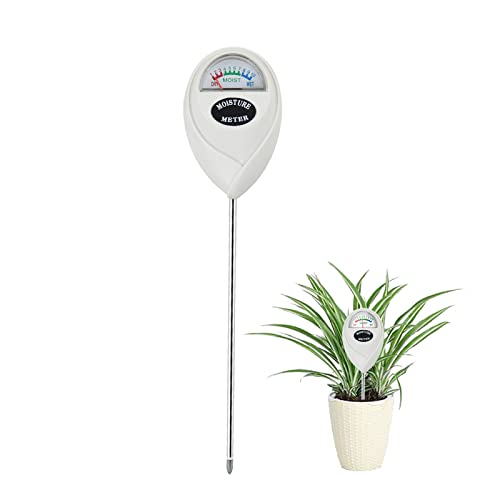
【SAVE YOUR PLANTS】: Over watering can cause problems with your plants or even kill them. This soil moisture meter helps you know the soil is dry, moist or wet.No more over watering!
Signs of Underwatering
Underwatered plants exhibit clear signs. Look for:
- Wilting Leaves: Leaves may droop or appear limp instead of standing up.
- Brown Tips: The tips of leaves can turn brown and crispy, indicating stress.
- Dry Soil: Soil feels dry and crumbly, pulling away from the edges of pots or garden beds.
- Slow Growth: Plants struggle to grow or produce blooms, showing diminished vitality.
Addressing underwatering involves checking the soil regularly and ensuring it stays moist but not soggy. Deep watering helps establish strong root systems, especially during hot, dry spells.
Signs of Overwatering
Overwatered plants also provide telltale signs. Pay attention to:
- Yellowing Leaves: Leaves may turn yellow, often accompanied by wilting.
- Mold or Fungi: Fungal growth on the soil surface signals too much moisture.
- Root Rot: Soft, dark roots indicate that the roots are suffering from excess moisture.
- Soil Saturation: Soil remains soggy and doesn’t drain well.
To manage overwatering, check drainage in pots and soil. Watering should be reduced when conditions are damp and monitoring rainfall is important during wet seasons. Adjusting your watering schedule based on the weather ensures plants thrive.
Best Practices for Watering Techniques
Watering garden plants requires careful attention to technique. Implementing the right methods and timing can significantly improve plant health and soil quality.
Recommended Products
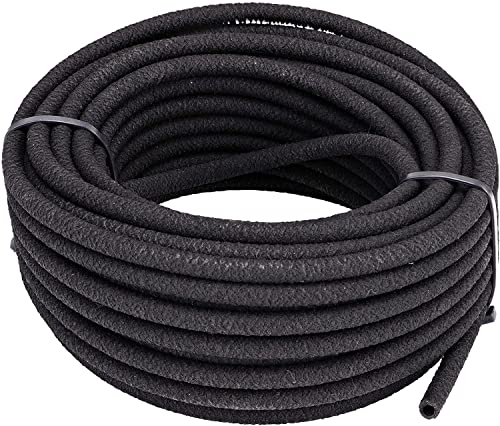
Slowly waters the soil around your plants for complete root zone hydration; Ideal for short runs on flat surfaces, such as vegetable gardens, borders, and around small plants

Lightweight water hose is made of 100% recycled vinyl, clog resistant fabric cover for consistent soaking in the garden or around foundations

Works like soaker hose only better because it doesn’t clog and requires no maintenance
Watering Methods
- Soaker Hoses: Use soaker hoses for efficient watering. They deliver water directly to the soil through porous material, minimizing evaporation.
- Drip Irrigation: Install drip irrigation systems. These low-pressure emitters target the root zone, providing consistent moisture without water waste.
- Hand Watering: Use a hose with a spray nozzle for targeted watering. This method allows you to assess plant needs directly, making it easier to avoid overwatering.
- Rain Barrels: Collect rainwater for eco-friendly irrigation. Rain barrels provide natural water free of chemicals, benefiting plant health.
- Mulching: Apply organic mulch around plants. Mulch retains moisture, reduces soil temperature, and limits weed growth, all of which support healthy plants.
- Early Morning: Water garden plants in the early morning. This timing reduces evaporation and allows moisture to soak into the soil before the heat of the day.
- Late Afternoon: If morning watering isn’t possible, late afternoon is another option. Ensure you finish watering before evening to prevent fungal issues.
- As Needed: Adjust watering frequency based on weather. During hot, dry spells, increase watering. In cooler, rainy periods, reduce it.
- Watch for Signs: Monitor plants for signs of thirst or excess moisture. Adjust your watering schedule based on observations of soil moisture and plant health.
By using effective watering methods and timing, you’ll support the growth and vitality of your garden plants.
Seasonal Considerations
Understanding seasonal changes in temperature and precipitation helps you manage your garden plants’ watering needs effectively. The amount of water required varies significantly between seasons.
Recommended Products

Kindly NOTE: This soil tester can not be applied to test pH value of any other liquid. If the soil is too dry the indicator will not move, and water it before testing.

【4 in 1 function】This is a 4-in-1 multifunctional soil tester.Our soil tester fastly to measure soil moisture, pH, temperature and sunlight to help you take better care of flowers and plants.You can know when you need to water your soil by measuring moisture and pH & Temperature value of the soil and sunlight level of plants with it.
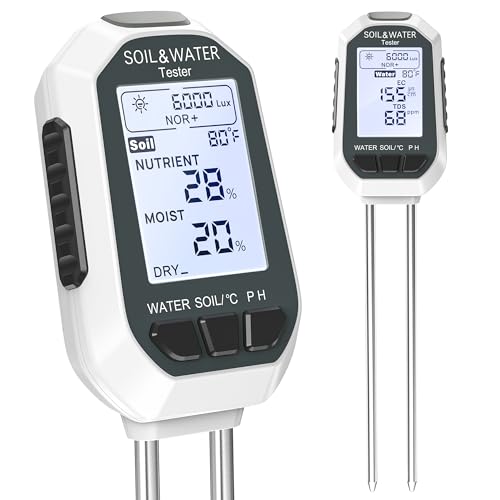
【7-in-1 Features】This is a 7-in-1 multi-function soil tester. Our soil tester quickly measures soil moisture, pH, temperature and light intensity, and its fertility function helps you take better care of your plants. With this device you can measure the soil moisture, pH, temperature and light intensity for your plants and with the EC and TDS functions you will know when it is time to water the soil.
Adjusting Watering in Different Seasons
During spring, new growth emerges, necessitating regular watering. You should aim for 1 to 1.5 inches of water per week, especially if rain is scarce. In summer, high temperatures accelerate evaporation; thus, plants may require up to 2 inches of water weekly. Water deeply to encourage root growth and help plants withstand heat.
In autumn, temperatures drop, but plants continue to grow. Adjust your watering to about 1 inch per week, keeping an eye on rainfall. Winter poses unique challenges; many plants enter dormancy and require minimal water. Water only if there are extended dry spells, ensuring the soil doesn’t completely dry out.
Regional Differences in Water Needs
Regional climate affects how you water your garden. In arid regions, plants require more frequent irrigation due to high evaporation rates. You might need to water every few days during summers. Conversely, in humid areas, you may water less often as moisture retention is higher.
Consider local soil type too. Sandy soils drain quickly, needing more frequent watering, while clay soils hold moisture longer. Use a soil moisture meter to help determine when to water based on regional conditions. Adjust your schedule and methods accordingly throughout the year for healthier, thriving plants.
Conclusion
Finding the right balance for watering your garden plants is key to their health and vitality. By paying attention to your plants’ specific needs and the environmental conditions around them, you can create a thriving garden. Remember to check soil moisture regularly and adjust your watering techniques accordingly.
Utilizing efficient methods like drip irrigation or soaker hoses can save both time and water. Seasonal changes will also play a role in how much you need to water, so stay mindful of those shifts. With a little practice and observation, you’ll master the art of watering and enjoy a flourishing garden all year round. Happy gardening!
Frequently Asked Questions
Why is proper watering important for garden plants?
Proper watering is crucial because it helps plants absorb nutrients and maintain health. Insufficient water can lead to wilting and slow growth, while too much water can cause root rot and other issues. Finding the right balance ensures robust plant development.
How can I tell if my plants are underwatered or overwatered?
Underwatered plants often show wilting leaves, brown tips, and dry soil. Overwatered plants may exhibit yellowing leaves, mold, and root rot. Regularly checking soil moisture will help you identify their needs more accurately.
What factors influence a plant’s watering needs?
A plant’s watering needs vary based on type, soil composition, climate, growth stage, and the use of mulch. Understanding these factors helps gardeners develop appropriate watering schedules for their plants.
What is the best time of day to water plants?
The best times to water are early morning or late afternoon. This timing minimizes evaporation, allowing more moisture to soak into the soil and reach the plant roots effectively.
How much should I water my plants throughout the year?
In spring, aim for 1 to 1.5 inches per week. Summer may require up to 2 inches, while autumn needs about 1 inch. Winter generally calls for minimal watering as many plants enter dormancy.
What watering techniques are most effective?
Using soaker hoses, drip irrigation, or hand watering provides targeted moisture application. Collecting rainwater and applying organic mulch also helps retain moisture and reduce weed growth, promoting healthier plants.
How can I adapt my watering schedule to weather changes?
Regularly monitor weather conditions and adjust your watering frequency accordingly. For instance, during hot or dry periods, plants may need more frequent watering, while rainy conditions may reduce their needs.
Are there regional differences in watering needs?
Yes, watering needs can differ significantly by region. Arid areas typically require more frequent irrigation, while humid climates may need less. Using a soil moisture meter can help tailor your watering schedule.

My interest in trees started when I first saw the giant sequoias in Yosemite.I was a teenager then, and I remember thinking, “I need to learn more about this.”That moment stuck with me.A few years later, I went on to study forestry at Michigan Tech.
Since graduating, I’ve worked in a mix of hands-on tree care and community education.I’ve spent over ten years helping people understand how to plant, maintain, and protect the trees in their neighborhoods.I don’t see trees as just part of the landscape.They are living things that make a real difference in our daily lives.