Wondering how much dirt you need for your garden bed? You’re not alone. Many new gardeners face this challenge when planning their perfect patch of green. Getting the right amount of soil is crucial for healthy plants, but it can be tricky to figure out.
Imagine standing in your yard, ready to plant, only to realize you’ve underestimated the amount of dirt needed. It’s frustrating and can delay your gardening dreams. This article will guide you through the simple steps to calculate the right amount of soil for your garden bed. With a little guidance, you’ll be well on your way to creating a thriving garden that flourishes all season long.
Key Takeaways
- Determine Garden Bed Depth: Most vegetable gardens require at least 12 inches of soil, while root vegetables may need 18 to 24 inches; consider specific plant needs for optimal growth.
- Accurate Volume Calculation: Measure the length, width, and height of your garden bed, and use the formula Volume = Length × Width × Height to calculate the amount of soil required accurately.
- Select the Right Soil Types: Loamy soil mixed with peat moss and compost is ideal for most gardens, while sandy soil suits drought-resistant plants, and clay soil can be improved with organic matter.
- Focus on Soil Quality: Ensure high nutrient content, proper pH levels, good drainage, and organic matter to promote healthy and productive plants.
- Consider Garden Size: Adjust soil calculations based on garden size; small beds are straightforward, while medium and large beds may require careful measurements and layering of soil types.
- Sourcing Quality Soil: Purchase from local garden centers, home improvement stores, bulk suppliers, or create compost from organic waste to enhance soil quality effectively.
Understanding Garden Bed Depth
Determining the depth for your garden bed plays a crucial role in plant health. Adequate soil depth encourages robust root systems and optimal growth.
Average Depth Recommendations
Most vegetable gardens require a soil depth of at least 12 inches. For root vegetables like carrots or potatoes, consider 18 to 24 inches. Raised garden beds typically range from 6 to 12 inches, accommodating a variety of plants. For perennials, a depth of 12 to 18 inches works well. Adjust these recommendations based on specific plant needs.
Factors Influencing Depth
Several factors influence the ideal depth for your garden bed:
- Plant Type: Different plants require varying root depths. Plan according to the species you intend to grow.
- Soil Quality: Poor quality soils may need additional depth to support root growth and nutrient availability.
- Drainage Needs: Well-draining soil benefits from deeper beds, especially in areas prone to waterlogged conditions.
- Climate: In colder climates, deeper beds promote warmer soil temperatures and extended growing seasons.
- Pests: Deeper beds discourage some pests, offering better protection for your plants.
Consider these factors carefully when deciding on your garden bed depth to ensure a thriving garden.
Calculating Garden Bed Volume
Calculating the volume of your garden bed is vital for determining how much dirt you need. Accurate measurements ensure your plants grow in optimal conditions.
Recommended Products

Ready-to-Use Formula: No mixing or extra steps required. Simply pour and plant - perfect for gardeners of all experience levels.
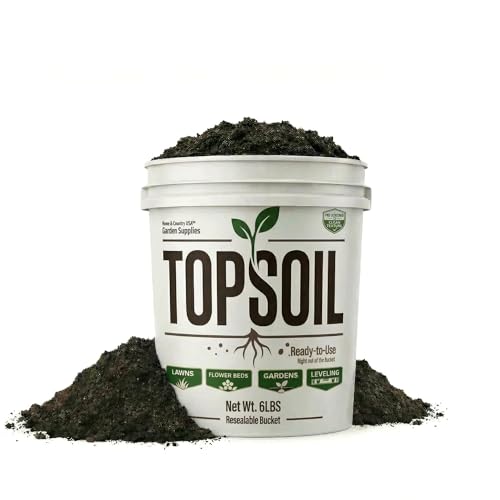
Versatile garden soil and all purpose potting mix works as a raised bed soil, container potting soil, outdoor planting mix, indoor plant soil, flower bed soil, vegetable garden soil, shrub planting mix, and landscaping soil amendment, making this premium topsoil the only garden soil blend you need for every planting application around your home.

● HARVEST: Miracle-Gro Organic Raised Bed & Garden Soil is guaranteed to grow more vegetables for a bigger harvest versus unfed plants (satisfaction guaranteed or your
Measuring Garden Bed Dimensions
Start by measuring the length, width, and height of your garden bed.
- Length: Use a tape measure to find the total length of the bed. Record this in feet.
- Width: Measure the width in feet. Ensure you measure the widest point if the bed isn’t a perfect rectangle.
- Height: If the bed is raised, measure the height (depth) in feet. For in-ground beds, measure the desired depth for your soil.
For example, if your garden bed is 4 feet long, 2 feet wide, and 1 foot deep, those dimensions are key to your calculations.
Volume Calculation Formula
Use this formula to calculate the volume:
Volume = Length × Width × Height
For your garden bed example:
- Length: 4 feet
- Width: 2 feet
- Height: 1 foot
The calculation would be:
4 feet × 2 feet × 1 foot = 8 cubic feet.
So, you’d need 8 cubic feet of dirt for this garden bed.
To convert cubic feet to cubic yards (if needed), divide the cubic feet by 27:
8 cubic feet ÷ 27 = 0.30 cubic yards.
This calculation simplifies your buying process, ensuring you order what you need without excess.
Types of Soil for Garden Beds
Selecting the right type of soil is crucial for your garden’s success. Different plants thrive in specific soil conditions, making understanding soil types essential for optimal growth.
Recommended Products
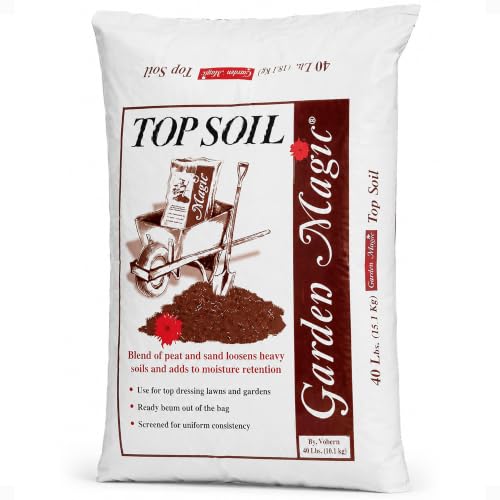
Ready-to-Use for All Planting Needs: This general-purpose potting soil is ready to use out of the bag, perfect for both indoor and outdoor planting without any extra prep

【Moisture retention】Peat moss can absorb and retain water very well. This makes a great place for seed starting and as the mixes with other growing materials
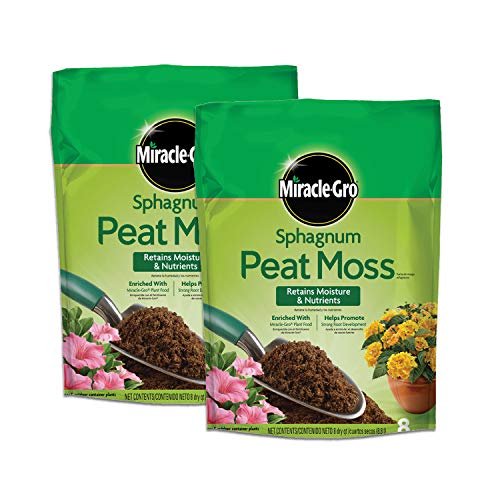
MOISTURE RETENTION: Miracle-Gro Sphagnum Peat Moss for plants retains moisture and nutrients, and helps promote strong root development
Best Soil Mixtures
Use a combination of soil types to create the best growing environment.
- Loamy Soil: Loamy soil, a mix of sand, silt, and clay, holds moisture and drains well. This type is ideal for most vegetable gardens.
- Sandy Soil: Sandy soil drains quickly but doesn’t retain nutrients. It suits drought-resistant plants like succulents.
- Clay Soil: Clay soil is often dense and retains water. While it can be challenging to work with, amending it with organic matter can improve its structure.
- Peat Moss: Peat moss adds acidity to the soil and boosts moisture retention. It’s great for acid-loving plants such as blueberries.
- Compost: Compost enriches soil with nutrients and improves its structure. Mixing compost into your soil mixture promotes healthy plant growth.
Aim for a mixture of loamy soil with peat moss and compost for most garden beds to ensure your plants thrive.
Importance of Soil Quality
Soil quality significantly impacts your plants’ health.
- Nutrient Content: High-quality soil provides essential nutrients like nitrogen, phosphorus, and potassium. Testing your soil can identify deficiencies.
- pH Level: The pH level affects nutrient availability. Most plants prefer a pH between 6.0 and 7.0. Amend the soil as needed to achieve the ideal range.
- Drainage: Good drainage prevents waterlogging and root rot. Ensure your soil mixture contains materials like perlite or coarse sand to enhance drainage.
- Organic Matter: Incorporating organic matter improves soil structure and moisture retention. It promotes beneficial microbial activity crucial for plant health.
Prioritizing soil quality will lead to healthier, more productive plants in your garden bed.
Estimating Soil Needed for Different Garden Sizes
Finding the right amount of soil for your garden bed varies based on its size. Knowing how much soil to use simplifies planting and promotes healthy growth.
Small Garden Beds
For small garden beds, measuring dimensions is straightforward. Calculate the volume with the formula: Volume = Length × Width × Height.
Example: If your small bed is 3 feet long, 2 feet wide, and 1 foot deep, the calculation would be:
- Volume = 3 ft × 2 ft × 1 ft = 6 cubic feet.
You can convert cubic feet to cubic yards by dividing by 27. In this case, 6 cubic feet equals about 0.22 cubic yards. This amount suffices for most small vegetable or flower beds.
Medium and Large Garden Beds
For medium and large garden beds, the process remains the same but may require more careful calculation. Larger areas can lead to greater soil volume.
Example: For a medium garden bed measuring 6 feet long, 4 feet wide, and 1.5 feet deep:
- Volume = 6 ft × 4 ft × 1.5 ft = 36 cubic feet.
This equals approximately 1.33 cubic yards of soil.
For large beds, you may also consider layering different soil types for optimal results. Mixing loamy soil, peat moss, and compost improves structure and nutrients. Be mindful of depth requirements; for instance, root vegetables thrive in beds at least 18 inches deep, while leafy greens may be fine with 12 inches.
By following these calculations and considerations, you’ll achieve a well-prepared garden bed, perfectly sized for your planting needs.
Tips for Successful Soil Sourcing
Finding the right soil for your garden bed involves knowing where to look and how to use local resources effectively. Follow these tips to ensure you get quality soil without breaking the bank.
Where to Buy Soil
- Local Garden Centers: Check your nearby garden centers for high-quality soil mixes tailored for gardening. Staff can provide guidance on selecting the right soil for your plants.
- Home Improvement Stores: Visit home improvement stores, as they often carry a variety of soil types and brands. Compare prices and read product labels to ensure nutrient content fits your needs.
- Bulk Suppliers: Consider bulk suppliers or landscape suppliers for larger quantities. Buying in bulk often saves money and lets you source soil suited for your specific requirements. Make sure to ask about soil testing or quality assurance.
- Online Retailers: Explore online retailers for convenience. Many offer home delivery, which simplifies the process, especially for heavy purchases. Look for trusted sellers with good reviews.
- Farm Supply Stores: Farm supply stores frequently stock premium soil products. They may also carry compost and organic options, making it easy to find healthy soil amendments.
- Composting: Create your own compost from kitchen scraps and yard waste. Mix browns (e.g., dried leaves) with greens (e.g., fruit peels) to form rich compost, enhancing soil quality naturally.
- Native Soil: Assess your existing soil before buying more. If it’s amendable, combine local soil with organic materials like peat moss or compost to improve its structure and nutrient content.
- Local Mulch Providers: Use mulch from local providers as part of your soil mix. Wood chips and bark can improve soil drainage and retain moisture, promoting plant health.
- Community Gardens: Connect with local community gardens. They may share soil resources or give advice based on their experiences. Participating in these gardens can also enhance your gardening skills.
- Workshops and Events: Attend gardening workshops hosted by gardening clubs or local universities. These often cover soil sourcing and may introduce you to reliable local soil providers.
By sourcing soil wisely, you create a solid foundation for your gardening endeavors. Prioritize quality and local resources to ensure thriving plants.
Conclusion
Getting the right amount of dirt for your garden bed is key to your plants’ success. By understanding the depth and volume needed you can set your garden up for healthy growth.
Remember to consider the type of soil that’ll work best for your plants and don’t hesitate to mix different soil types for optimal results. Sourcing quality soil from local suppliers or even creating your own compost can save you money and boost your garden’s health.
With a little planning and the right materials you’ll be well on your way to cultivating a flourishing garden that brings you joy for seasons to come. Happy gardening!
Frequently Asked Questions
How do I calculate the amount of soil I need for my garden bed?
To calculate the soil needed, measure the length, width, and height of your garden bed in feet. Use the formula: Volume = Length × Width × Height. For example, a bed 4 feet long, 2 feet wide, and 1 foot deep requires 8 cubic feet of soil.
What is the ideal depth for vegetable garden beds?
Most vegetable gardens typically require a minimum depth of 12 inches to support healthy root growth. However, deeper beds may be needed for root vegetables, which benefit from 18 to 24 inches of soil.
What types of soil are best for garden beds?
A mixture of loamy soil, peat moss, and compost is recommended for optimal plant growth. This combination provides essential nutrients, good drainage, and a healthy balance of moisture for your plants.
How can I source quality soil for my garden?
You can find quality soil at local garden centers, home improvement stores, or through bulk suppliers. Online retailers and farm supply stores are also good options. Consider creating compost from kitchen scraps to enhance your soil.
What factors should I consider when choosing garden bed depth?
When determining bed depth, consider the type of plants you’ll grow, soil quality, drainage needs, climate conditions, and pest management. These factors will help ensure your plants thrive and develop strong root systems.

My interest in trees started when I first saw the giant sequoias in Yosemite.I was a teenager then, and I remember thinking, “I need to learn more about this.”That moment stuck with me.A few years later, I went on to study forestry at Michigan Tech.
Since graduating, I’ve worked in a mix of hands-on tree care and community education.I’ve spent over ten years helping people understand how to plant, maintain, and protect the trees in their neighborhoods.I don’t see trees as just part of the landscape.They are living things that make a real difference in our daily lives.