Are you struggling to keep your garden thriving in the summer heat? You’re not alone. Many gardeners face the challenge of figuring out how much water their plants really need as temperatures soar. Too little water can lead to wilting and stress, while too much can drown your plants and promote disease.
Key Takeaways
- Understand Plant Needs: Different plants have unique watering requirements based on type, growth stage, and soil conditions.
- Watering Frequency: During summer, water delicate plants daily, established plants every 2-3 days, and consider deep watering to promote root growth.
- Optimal Timing: Water in the early morning or late afternoon to minimize evaporation and fungal diseases.
- Monitor Signs of Stress: Look for wilting leaves, dry soil, and cracked surfaces to determine when to water your plants.
- Use Effective Techniques: Implement drip irrigation and soaker hoses for efficient watering while minimizing water waste.
- Avoid Common Mistakes: Prevent overwatering by checking soil moisture and adjusting your schedule according to soil type to keep plants healthy.
Understanding Plant Watering Needs
Watering plants requires understanding their unique needs. Factors like plant type and soil condition impact how often you should water. Timing, temperature, and humidity also play vital roles in ensuring plants stay healthy.
Factors Influencing Watering Frequency
- Plant Type: Different plants demand varying amounts of water. Succulents need less water, while vegetables often require more.
- Soil Condition: Well-draining soil retains less moisture and requires more frequent watering. Conversely, clay soils hold water longer, so you might water them less often.
- Growth Stage: Young plants and seedlings usually need more water than established plants. Monitor them closely during their early development.
- Weather Conditions: Hot, sunny days increase evaporation rates, necessitating more frequent watering. Rainy periods reduce the need for additional water.
- Mulch Application: Using mulch reduces evaporation, maintaining soil moisture and extending the time between watering.
- Summer: Increased heat and evaporation typically require more frequent watering, often every 2 to 3 days. Early morning or late afternoon is ideal for watering during the hottest months to reduce evaporation.
- Humidity Levels: High humidity can reduce the need for watering. Adjust your schedule when humidity levels rise to avoid overwatering.
- Rain Patterns: Monitor local weather forecasts. If rain is forecasted, adjust your watering schedule accordingly to prevent waterlogging.
- Plant Maturity: Established plants or perennials often need less frequent watering than newly planted ones. Adapt your watering frequency as plants mature.
- Drought Conditions: In extended dry spells, consider deep watering less frequently instead of shallow watering frequently. This encourages deeper root growth.
How Often to Water a Garden in Summer
Watering frequency varies based on plant needs, weather, and soil conditions. Understanding these factors ensures your garden thrives during the summer heat.
Recommended Products

Trusted Since 2015: Become one of the many plant lovers who rely on the proven accuracy of XLUX. Established in 2015, our soil moisture meter has earned over 60,000+ verified ratings for its consistent performance. While many many newer brands come and go, we provide the long-term reliability and quality that American households have trusted for over a decade.
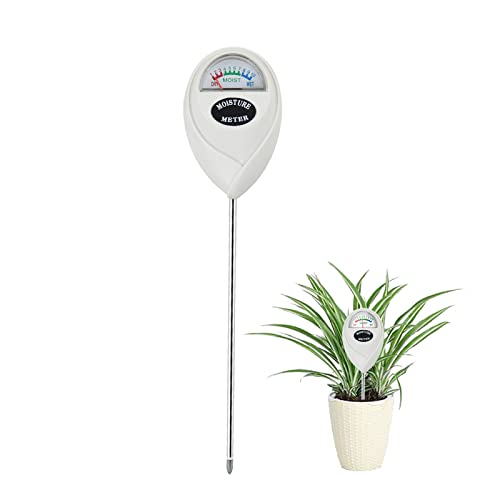
【SAVE YOUR PLANTS】: Over watering can cause problems with your plants or even kill them. This soil moisture meter helps you know the soil is dry, moist or wet.No more over watering!

【Easy Programming Program】Through the Sprinkler Timer to program, you can set the Start Time, Watering Duration is 1min-3h59min, Watering Frequency from 1h to 12h or 1 day to 7 days, so you can customize your watering time, and can be more accurate.
General Guidelines
- Daily Watering: Water delicate plants like seedlings or new transplants daily in hot, dry spells.
- Every Other Day: Established plants, including flowers and vegetables, typically thrive with watering every two to three days.
- Deep Watering: Water deeply to encourage roots to grow down. Aim for about 1 to 2 inches of water per week, adjusting according to rainfall.
- Morning Timing: Water early in the morning to reduce evaporation and prevent diseases that thrive in moist conditions overnight.
- Wilting Leaves: Observe for droopy or curled leaves, indicating your plants need water.
- Dry Soil: Check if the top inch of soil feels dry—this often signals that it’s time to water.
- Leaf Discoloration: Look for yellowing leaves, which can suggest water stress.
- Cracked Soil: Notice cracks forming in the soil surface, signaling a lack of moisture.
Adjusting watering schedules based on these signs helps maintain a healthy garden during summer.
Techniques for Effective Watering
Effective watering techniques help maintain a healthy garden during the summer. Understanding and implementing these methods ensures your plants receive the right amount of moisture.
Recommended Products

[Smart Water Timer Included – Fully Automatic, Hands-Free Watering]Take the work out of daily watering. The programmable timer allows you to set watering time, frequency, and duration with ease. Rain Delay Mode (1–15 days) pauses irrigation during rainy weather, while Child Lock prevents accidental changes.Note: Batteries are not included

SET AND FORGET WATERING WITH SMART TIMER: Program your ideal schedule by time, frequency, and duration. Rain Delay mode (1–15 days) automatically pauses watering during rainfall and resumes your custom plan afterward. Includes child lock for safety. Note: Timer requires 2 AA batteries (not included)—please install before setup

[1/2" High-Flow Mainline for Stable Pressure] Featuring a professional-grade 1/2" (12mm) mainline hose, this kit solves the common issue of water pressure drop-off found in thin 1/4" tubes. The heavy-duty 12mm pipe ensures consistent and balanced water delivery to every plant, making it an ideal automatic watering system for expansive gardens and backyard landscaping.
Drip Irrigation Systems
Drip irrigation systems deliver water directly to the roots of plants. These systems minimize water waste and reduce evaporation. Installing a drip irrigation system involves the following steps:
- Plan the Layout: Assess your garden’s needs and design a layout for the hoses.
- Gather Materials: Purchase a drip irrigation kit, including main hoses, emitters, and connectors.
- Install the System: Lay the main hose along plant rows, attach emitters where needed, and secure everything with stakes.
- Adjust Settings: Set timers to water during early morning or late afternoon for optimal absorption.
- Monitor Performance: Regularly check for leaks or blockages to ensure efficiency.
Drip irrigation suits gardens with various plants, saving time and effort in watering tasks.
Soaker Hoses
Soaker hoses are porous hoses that allow water to seep out slowly along their length. This technique promotes deep moisture penetration and reduces water runoff. Follow these steps to use soaker hoses in your garden:
- Lay the Hose: Position soaker hoses in a spiral or grid layout around flowers and vegetable plants.
- Connect to Water Source: Attach the hose to a water faucet or a timer for controlled watering.
- Adjust Flow Rate: Control the water flow to prevent waterlogging, using a pressure reducer if necessary.
- Water Consistently: Allow the hoses to run for 30 minutes to 1 hour, depending on your soil type and plant needs.
- Mulch Around Hoses: Add mulch to help retain moisture and keep soil temperature stable.
Soaker hoses work well for flower beds and vegetable gardens while minimizing the risk of fungal diseases caused by overhead watering.
Common Mistakes to Avoid
Maintaining a garden in summer requires attention to detail. Avoid these common mistakes to keep your plants healthy and thriving.
Recommended Products

Kindly NOTE: This soil tester can not be applied to test pH value of any other liquid. If the soil is too dry the indicator will not move, and water it before testing.

【4 in 1 function】This is a 4-in-1 multifunctional soil tester.Our soil tester fastly to measure soil moisture, pH, temperature and sunlight to help you take better care of flowers and plants.You can know when you need to water your soil by measuring moisture and pH & Temperature value of the soil and sunlight level of plants with it.

✅ 1Dial & 1 LCD Screen - Replace/install all 3 batteries each time. Put button to %RH/°F to - Turn On, and put to LIGHT to - Turn Off. Read the LCD results in 3-5 mins. (Not Water Moisture Meter, so, please don't test liquid)
Overwatering Issues
Overwatering leads to root rot and disease. It’s crucial to check soil moisture before watering. Stick your finger an inch deep into the soil. If it feels dry, water your plants. If it’s moist, hold off. Deep watering once or twice a week is better than frequent shallow watering. This practice encourages deep root growth, making plants more resilient during dry spells. Watch for signs like yellowing leaves or wilting, which may indicate overwatering.
Ignoring Soil Type
Ignoring soil type affects how often you need to water. Sandy soil drains quickly, needing more frequent watering, while clay soil retains moisture, requiring less. Conduct a simple soil test by squeezing a handful of soil. If it forms a ball and crumbles easily, it holds moisture well. If it falls apart, it likely drains fast. Tailor your watering schedule based on your soil type, ensuring efficient moisture retention and healthier plants.
Conclusion
Keeping your garden thriving during the summer heat doesn’t have to be overwhelming. By understanding your plants’ specific needs and adjusting your watering routine accordingly, you can foster a healthy and vibrant garden. Remember to check soil moisture and look for signs of stress to fine-tune your approach.
Using techniques like deep watering and incorporating mulch can make a big difference in retaining moisture. With a little attention and care, you’ll enjoy a flourishing garden all summer long. Happy gardening!
Frequently Asked Questions
How often should I water my garden in the summer?
During hot summer months, established plants generally need watering every two to three days. However, delicate seedlings may require daily watering. Aim for 1 to 2 inches of water each week, adjusting based on rainfall and plant needs.
What are the signs of water stress in plants?
Signs of water stress include wilting leaves, dry and cracked soil, leaf discoloration, and general droopiness. Monitoring these indicators helps you adjust your watering schedule to keep your garden healthy.
Is it better to water in the morning or afternoon?
Watering early in the morning or late in the afternoon is best during hot months. This timing reduces evaporation and allows plants to absorb moisture before the heat peaks.
What are the benefits of mulch for watering?
Mulch helps retain soil moisture, reducing the need for frequent watering. It also regulates soil temperature and prevents weed growth, which can compete for water and nutrients.
Why is deep watering important for plants?
Deep watering encourages root growth by providing moisture deeper in the soil. This practice helps plants withstand drought and heat more effectively, promoting a healthier garden overall.
What watering techniques are recommended for summer gardening?
Drip irrigation systems and soaker hoses are effective techniques. They deliver water directly to the roots, minimizing evaporation and disease risk associated with overhead watering.
How do soil types affect watering needs?
Sandy soil drains quickly and requires more frequent watering, while clay soil retains moisture and needs less. Understanding your soil type helps tailor your watering schedule for optimal plant health.
What common mistakes should I avoid when watering?
Avoid overwatering, as it can cause root rot and disease. Also, check soil moisture before watering and prefer deep watering once or twice a week instead of shallow watering frequently.

My interest in trees started when I first saw the giant sequoias in Yosemite.I was a teenager then, and I remember thinking, “I need to learn more about this.”That moment stuck with me.A few years later, I went on to study forestry at Michigan Tech.
Since graduating, I’ve worked in a mix of hands-on tree care and community education.I’ve spent over ten years helping people understand how to plant, maintain, and protect the trees in their neighborhoods.I don’t see trees as just part of the landscape.They are living things that make a real difference in our daily lives.