Do you ever wonder if you’re watering your vegetable garden just right? Too much or too little can lead to unhappy plants and wasted resources. Many gardeners struggle with finding the perfect balance, especially when using drip irrigation systems.
Key Takeaways
- Drip Irrigation Efficiency: Drip irrigation delivers water directly to the root zone, minimizing evaporation and runoff while optimizing water use for vegetable gardens.
- Water Needs Variation: Different vegetables have distinct water requirements; leafy greens typically need less water compared to root and fruiting vegetables, which require more during key growth phases.
- Impact of Soil Type: Soil composition greatly affects water retention. Sandy soils drain quickly, needing more frequent watering, while clay soils hold moisture but risk waterlogging.
- Climate Considerations: Environmental factors such as temperature and humidity influence watering needs. Adjust irrigation schedules according to seasonal weather and monitor soil moisture regularly.
- Watering Best Practices: Implement a consistent watering schedule, ideally early or late in the day, and use soil moisture checks to maintain optimal hydration levels without overwatering.
Understanding Drip Irrigation
Drip irrigation provides a targeted watering method, delivering water straight to the plant roots. This system minimizes evaporation and runoff, making it efficient for vegetable gardening.
What Is Drip Irrigation?
Drip irrigation uses a network of tubes and emitters to distribute water slowly and directly. You can set up the system to release a specific amount of water over time. For example, a standard emitter may deliver 1 to 4 gallons of water per hour. You can customize the system based on the needs of different plant types, ensuring each receives adequate moisture without excess.
Benefits of Drip Irrigation for Vegetable Gardens
Drip irrigation offers several advantages for vegetable gardens:
- Water Efficiency: Drip systems target the root zone, reducing water waste from evaporation or runoff.
- Reduced Weeds: By delivering water directly to plants, you minimize moisture on surrounding soil, limiting weed growth.
- Disease Prevention: Wet foliage leads to diseases. Drip irrigation keeps foliage dry, promoting healthier plants.
- Time Savings: Automated systems can operate on timers, freeing you from manual watering.
- Soil Health: Slow, steady watering encourages deep root growth and improves soil structure.
Integrating drip irrigation in your vegetable garden brings about significant benefits, allowing for better resource management and healthier plants.
Factors Affecting Water Needs
Water requirements for your vegetable garden depend on several key factors. Understanding these can help optimize your drip irrigation system and ensure healthy plants.
Recommended Products


Type of Vegetables
Different vegetables have varying water needs. Leafy greens like lettuce prefer consistent moisture but typically require less water than root vegetables like carrots and potatoes, which need deeper watering. Fruiting vegetables such as tomatoes and peppers thrive with moderate watering but need more moisture during fruit development.
Soil Composition
Soil type significantly impacts water retention. Sandy soils drain quickly and often require more frequent watering. Clay soils, on the other hand, hold moisture but may lead to waterlogging if overwatered. Loamy soils offer a balanced retention of moisture and drainage, making them ideal for many vegetables. Testing your soil composition can help adjust your watering schedule appropriately.
Climate Conditions
Climate plays a crucial role in water needs. Hot, dry climates generally increase evaporation rates, requiring more water for your plants. Conversely, humid or cooler areas may lessen the amount of water your garden needs. During hotter months or drought periods, check soil moisture regularly and adjust your irrigation accordingly to prevent stress on your plants.
Calculating Water Requirements
Understanding water requirements is essential for a successful vegetable garden, especially when using drip irrigation. Proper calculation ensures healthy plants and efficient water use.
Recommended Products

Pure Brass Inlet & Metal Thread: Durable heavy-duty brass construction ensures exceptional durability and effortless installation or removal.
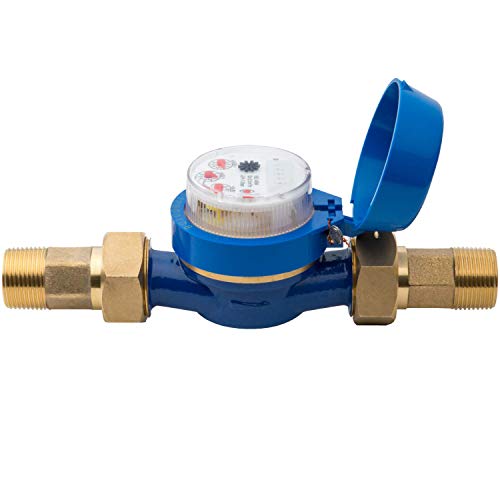
KNOW EXACTLY HOW MUCH WATER YOU’RE USING: Stop wasting water and money. This smart 1" flow meter delivers real-time usage data through your Hunter controller, helping you fine-tune your watering and save big on utility bills.

Attention: LinkTap Micro Flow Meter is NOT compatible with the LinkTap G1S water timer
General Guidelines for Watering
Follow these guidelines to determine how much water your vegetable garden needs:
- Assess Plant Needs: Different vegetables require varying amounts of water. For example, leafy greens like lettuce typically need 1 to 1.5 inches of water per week, while tomatoes may need 2 inches.
- Monitor Soil Moisture: Check soil moisture regularly. Insert your finger about an inch deep into the soil. If it feels dry, it’s time to water.
- Consider Growing Conditions: Adjust your watering schedule based on weather conditions. During hot spells, increase rates to combat higher evaporation.
Measuring Water Output from Drip Systems
Measuring the output from your drip irrigation system is vital for delivering the right amount of water. Use these steps:
- Calculate System Flow Rate: Determine the flow rate of the emitters. Most emitters deliver between 0.5 to 2 gallons per hour. Multiply the number of emitters by their flow rate to find total output.
- Track Watering Duration: Keep a log of how long you run the system. For instance, if 10 emitters deliver 1 gallon per hour each and you run the system for 2 hours, your garden receives 20 gallons of water.
- Adjust for Plant Needs: Use the collected data to adjust watering times. If your leafy greens need 1 inch per week, calculate the volume of water needed for your garden area and compare it to your system’s output.
These steps provide a clear framework for ensuring your vegetable garden receives the optimal amount of water through drip irrigation.
Best Practices for Drip Irrigation
Implementing drip irrigation effectively requires careful planning and execution. Following these best practices ensures your vegetable garden thrives while using water efficiently.
Recommended Products

Kindly NOTE: This soil tester can not be applied to test pH value of any other liquid. If the soil is too dry the indicator will not move, and water it before testing.

Accurate Soil Moisture Detection: The XLUX Soil Moisture Meter can tell you if the soil deep inside your pot or garden is dry, moist or wet; whereas your eyes and fingers can only determine the moisture level of the soil surface. The probe is 5.5 inches (14 cm) longer than regular styles, allowing it to measure the soil moisture at the bottom of larger and deeper flower pots.

PROMOTES PLANT GROWTH: The Ladybug Themed Moisture Meter helps any gardener test the moisture level of their plant soil and works well indoors for potted plants as well as outdoors to promote healthier lawns, gardens, and shrubs
Scheduling Watering Times
Schedule watering early in the morning or late in the afternoon. These times minimize evaporation and ensure higher water absorption. Depending on the climate, consider watering 1 to 2 times per week. Monitor weather patterns; adjust your schedule if rainfall is adequate. For example, a hot summer may need more frequent watering, while a cooler season could decrease your watering frequency.
Monitoring Soil Moisture Levels
Regularly check soil moisture levels to ensure proper hydration. Use a soil moisture meter for accurate readings or conduct a simple test by sticking your finger into the soil about 2 inches deep. If it feels dry, it’s time to water. Aim for consistent moisture but avoid waterlogged soil, which can harm plant roots. Adjust your drip system’s output based on these readings to maintain optimal soil conditions for your vegetables.
Conclusion
Adopting drip irrigation for your vegetable garden can truly transform your gardening experience. By understanding the specific water needs of your plants and adjusting your system accordingly, you’re setting yourself up for success.
You’ll not only conserve water but also promote healthier plants and a more productive garden. Remember to keep an eye on soil moisture and adjust your watering schedule as needed. With a little attention and care, your vegetable garden can thrive while using resources efficiently. Happy gardening!
Frequently Asked Questions
What is drip irrigation, and how does it work?
Drip irrigation is a targeted watering method that delivers water directly to plant roots through a network of tubes and emitters. This system minimizes evaporation and runoff, allowing for efficient water use. It can be customized to meet the specific moisture needs of different plants, ensuring they receive the right amount of water.
What are the benefits of drip irrigation for vegetable gardens?
Drip irrigation offers several benefits: it improves water efficiency, reduces weed growth, prevents plant diseases, saves time through automation, and enhances soil health. These advantages lead to better resource management and healthier plants in your vegetable garden.
How do I determine the water needs of my vegetable garden?
Water needs depend on the type of vegetables, soil composition, and climate. Leafy greens require less water than root or fruiting vegetables, while soil type affects drainage. Hot, dry conditions increase evaporation, necessitating more frequent watering. Understanding these factors helps optimize your watering strategy.
How can I calculate the water requirements for my vegetable garden?
To calculate water needs, assess plant requirements and monitor soil moisture. Measure the output of your drip system by calculating flow rates and adjusting watering duration based on plant needs. This helps ensure your garden gets the optimal amount of water for healthy growth.
What are the best practices for using drip irrigation?
Best practices for drip irrigation include watering early in the morning or late in the afternoon to reduce evaporation, with a frequency of 1 to 2 times per week. Monitor soil moisture using a meter or finger test and adjust watering based on rainfall and seasonal changes to maintain consistent moisture levels without overwatering.

My interest in trees started when I first saw the giant sequoias in Yosemite.I was a teenager then, and I remember thinking, “I need to learn more about this.”That moment stuck with me.A few years later, I went on to study forestry at Michigan Tech.
Since graduating, I’ve worked in a mix of hands-on tree care and community education.I’ve spent over ten years helping people understand how to plant, maintain, and protect the trees in their neighborhoods.I don’t see trees as just part of the landscape.They are living things that make a real difference in our daily lives.