How often do you water your vegetable garden? If you’ve ever watched your plants droop on a hot day, you know it’s a crucial question. Overwatering can drown your plants while underwatering can leave them parched and struggling to thrive.
Key Takeaways
- Understand Watering Needs: Watering frequency varies by plant type, soil type, climate conditions, growth stage, and mulch usage.
- Seasonal Guidelines: In spring, water weekly; in summer, daily; in fall, every 5-7 days; and in winter, infrequently check for moisture.
- Recognize Signs of Stress: Look for wilting leaves and use the finger test to assess soil moisture—if dry at two inches deep, it’s time to water.
- Watering Techniques: Use early morning watering, soaker hoses, drip irrigation, or targeted watering with cans for efficient moisture delivery.
- Adjust for Conditions: Provide 1-1.5 inches of water per week, increase during heatwaves, and consider soil type for further adjustments.
- Mulch Benefits: Applying mulch conserves moisture and can reduce watering frequency, benefiting overall plant health.
Understanding Vegetable Garden Watering Needs
Watering requirements in vegetable gardens depend on several factors. You’re aiming for a balance that meets your plants’ hydration needs without overdoing it.
Factors Influencing Water Requirements
- Plant Type: Different vegetables need varying amounts of water. Root vegetables like carrots require more moisture than leafy greens.
- Soil Type: Sandy soils drain quickly and need frequent watering. Clay soils hold moisture longer, reducing the watering frequency.
- Climate Conditions: Hot, dry weather increases water needs. Conversely, cooler, humid conditions reduce the amount of water your garden requires.
- Growth Stage: Seeds and seedlings need consistent moisture. Once established, most plants can tolerate drier conditions.
- Mulch Usage: Applying mulch helps retain soil moisture. Gardens with mulch require less frequent watering compared to those without.
- Spring: During spring, temperatures warm up but rainfall may still be common. Watering once a week works for most gardens, adjusting based on rainfall.
- Summer: In summer heat, daily watering is often necessary, especially for crops that are directly in the sun. Early mornings or late evenings are ideal for watering to prevent evaporation.
- Fall: As temperatures cool, watering can decrease. Monitor the soil moisture and adjust accordingly, usually watering every 5-7 days.
- Winter: Most gardens enter dormancy in winter. If your area experiences little precipitation, check for moisture and water as needed, though it’s typically infrequent.
By considering these factors and understanding the seasons, you can effectively meet your vegetable garden’s watering needs.
Signs Your Garden Needs Water
Recognizing when your vegetable garden requires water is crucial. Several signs indicate a need for watering.
Recommended Products

Trusted Since 2015: Become one of the many plant lovers who rely on the proven accuracy of XLUX. Established in 2015, our soil moisture meter has earned over 60,000+ verified ratings for its consistent performance. While many many newer brands come and go, we provide the long-term reliability and quality that American households have trusted for over a decade.

Accurate Soil Moisture Detection: The XLUX Soil Moisture Meter can tell you if the soil deep inside your pot or garden is dry, moist or wet; whereas your eyes and fingers can only determine the moisture level of the soil surface. The probe is 5.5 inches (14 cm) longer than regular styles, allowing it to measure the soil moisture at the bottom of larger and deeper flower pots.
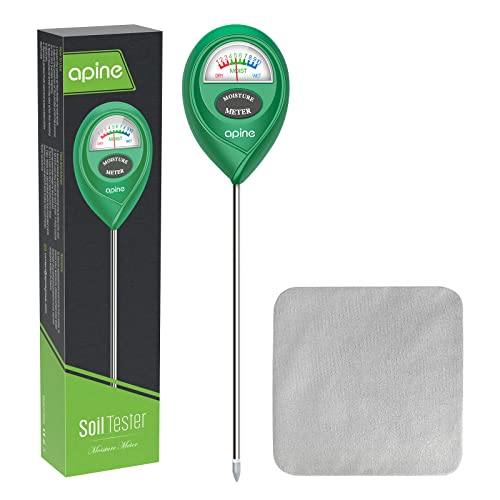
Quick Measurement:Just insert the probe of the plant water meter into the soil about two to four inches,wait a few seconds,you can get the soil moisture immediately.The color division of the dial is simple and clear,and the elderly can easily use it
Wilting Plants
Wilting leaves is a clear sign that your plants need water. Leaves may droop or curl, signaling stress from insufficient moisture. Look for wilting during the hottest part of the day; this condition often reverses after watering. For example, if squash plants exhibit wilting in the afternoon, a good soak can restore them quickly.
Soil Moisture Indicators
Checking soil moisture helps you understand your garden’s watering needs. One reliable method is the finger test. Simply stick your finger into the soil up to two inches deep. If the soil feels dry at this depth, it’s time to water. Additionally, observe the color of the soil. Dark, crumbly soil indicates sufficient moisture, while light, dusty soil suggests dryness.
Using these methods allows you to keep your garden healthy and thriving. Regular checks will help you identify when watering is necessary.
General Watering Guidelines
Proper watering significantly impacts your vegetable garden’s health. Follow these guidelines to ensure your plants thrive.
Recommended Products
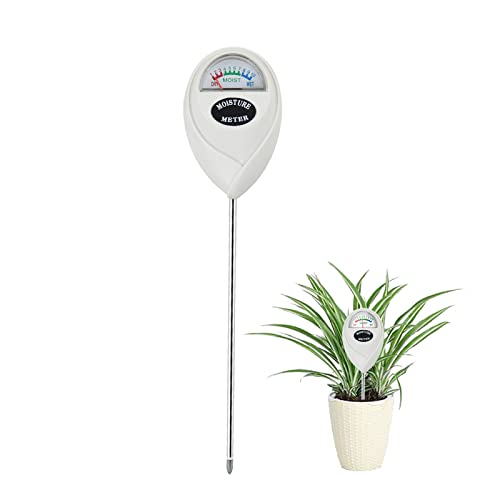
【SAVE YOUR PLANTS】: Over watering can cause problems with your plants or even kill them. This soil moisture meter helps you know the soil is dry, moist or wet.No more over watering!

PROMOTES PLANT GROWTH: The Ladybug Themed Moisture Meter helps any gardener test the moisture level of their plant soil and works well indoors for potted plants as well as outdoors to promote healthier lawns, gardens, and shrubs

✔️Accurate - A helpful tool of water meter for indoor plants which senses the moisture in the soil around plants. No more guess if the plant needs more or less water
Frequency of Watering
Watering frequency varies based on several factors. Generally, aim for these schedules:
- Spring: Water once a week. This allows seedlings to establish roots.
- Summer: Water daily, especially when temperatures rise above 85°F. Ensure moisture reaches the root zone.
- Fall: Reduce watering as temperatures cool. Water every 10-14 days, depending on rainfall.
- Winter: Water infrequently. Only do so if the ground is dry and there’s little precipitation.
Use the finger test to check soil moisture. Stick your finger up to two inches deep; if it’s dry, it’s time to water.
Amount of Water Needed
The amount of water varies by plant type and soil conditions. Consider these guidelines:
- General Rule: Provide around 1-1.5 inches of water per week, including rainfall.
- Deep Watering: Water thoroughly to encourage deep root growth. Ensure that moisture reaches six to eight inches deep in the soil.
- Soil Type Considerations:
- Sandy Soil: Requires more frequent watering due to quick drainage.
- Clay Soil: Needs less frequent watering as it retains moisture longer.
Adjust the amount based on weather conditions. During heatwaves, increase the water as needed to prevent stress on your vegetables. Monitor the soil’s appearance; if it looks cracked or dry, apply more water.
Tips for Efficient Watering
Efficient watering keeps your vegetable garden healthy while conserving water. Here are some effective strategies.
Recommended Products

Quick Connect Design: Newly Upgraded Quick Connect Irrigation System Say Goodbye to Complicated Settings! Our upgraded 4-way connectors, tees, and nozzles can now be easily connected directly to 1/4 "irrigation pipes. No more trouble with heating or softening - just plug and play!
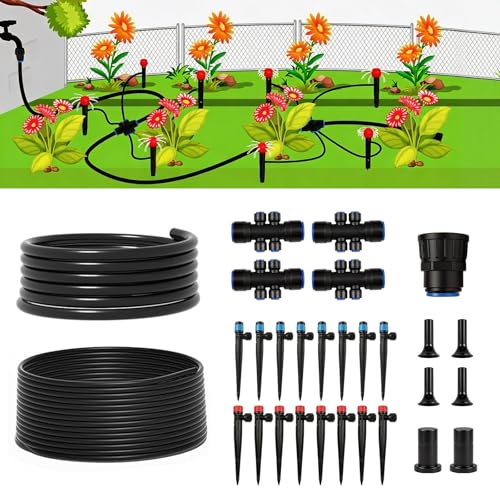
TRUE QUICK CONNECT – NO LEAKS, NO STRUGGLE: Unlike traditional kits that require twisting and force-fitting, our quick-connect design lets you simply push tubing into place. Secure, leak-resistant connections every time — no tools needed.

✔Comprehensive Drip Irrigation Kit:MIXC drip irrigation system, equipped with a versatile range of components, caters to all your garden watering needs.Includes essential parts such as 197ft 1/4'' irrigation tube, 33ft 1/2'' irrigation tube, 1/2‘’ Lock Barbed Tee connectors, drip emitter streams, vortex emitters, Blue Mist Nozzles, Quick connection tees, Faucet Connector, and more.
Best Time of Day to Water
Watering early in the morning is ideal. Morning temperatures are cooler, minimizing evaporation. This allows plants to absorb moisture throughout the day. If daily watering isn’t feasible, consider late afternoon or early evening. Avoid watering during peak heat to prevent leaf scorch.
Techniques for Watering
Utilize various watering techniques to enhance efficiency:
- Soaker Hoses: Lay soaker hoses on the soil surface, allowing water to seep slowly and deeply into the soil.
- Drip Irrigation: Install a drip irrigation system to deliver water directly to plant roots. Adjust the system to provide consistent moisture.
- Watering Cans: Use watering cans for targeted watering, especially for small spaces. This prevents oversaturation around delicate seedlings.
- Sprinklers: Choose oscillating or rotating sprinklers for larger areas, ensuring even coverage. Timing the duration helps avoid overwatering.
- Mulching: Apply a 2-3 inch layer of organic mulch around plants. Mulch retains soil moisture and reduces evaporation.
Implement these practices to optimize your watering routine and maintain a thriving vegetable garden.
Conclusion
Finding the right watering routine for your vegetable garden is key to its success. By paying attention to your plants and soil conditions you can ensure they get the moisture they need without overdoing it.
Remember to adjust your approach with the seasons and keep an eye out for signs of stress in your plants. With a little practice and observation you’ll develop a watering schedule that works for you and helps your garden thrive. Happy gardening!
Frequently Asked Questions
What is the ideal watering frequency for vegetable gardens?
Proper watering frequency depends on the season: in spring, once a week is often enough; in summer, daily watering may be necessary; in fall, every 10-14 days can suffice; and in winter, water infrequently unless it’s dry.
How can I tell if my vegetable garden needs water?
Signs that your garden needs water include wilting leaves, particularly during the hottest part of the day. Additionally, use the finger test to check soil moisture; if it feels dry up to two inches deep, it’s time to water.
Why is overwatering as harmful as underwatering?
Overwatering can drown plants by suffocating roots, leading to root rot, while underwatering causes plants to wilt and potentially die from lack of moisture. Both extremes disrupt plant health and growth.
How does soil type affect watering needs?
Soil type significantly influences watering needs. Sandy soils drain quickly and require more frequent watering, while clay soils retain moisture longer, necessitating less frequent watering. Understanding your soil can help optimize watering.
What are some efficient watering techniques for vegetable gardens?
To water efficiently, consider early morning watering to reduce evaporation. Techniques include using soaker hoses for deep watering, drip irrigation for consistent moisture, watering cans for targeted areas, and sprinklers for larger spaces.
Should I use mulch in my vegetable garden?
Yes, applying a 2-3 inch layer of organic mulch helps retain soil moisture and reduce evaporation. Mulch also suppresses weeds and enhances soil quality, contributing to healthier plants.
How much water do vegetable gardens typically need weekly?
Most vegetable gardens require 1-1.5 inches of water per week, including rainfall. Adjust the amount based on plant type, soil conditions, and seasonal changes to ensure adequate hydration for healthy growth.

My interest in trees started when I first saw the giant sequoias in Yosemite.I was a teenager then, and I remember thinking, “I need to learn more about this.”That moment stuck with me.A few years later, I went on to study forestry at Michigan Tech.
Since graduating, I’ve worked in a mix of hands-on tree care and community education.I’ve spent over ten years helping people understand how to plant, maintain, and protect the trees in their neighborhoods.I don’t see trees as just part of the landscape.They are living things that make a real difference in our daily lives.