Have you ever wondered if you’re watering your garden too much or not enough? It’s a common concern for many gardeners. Overwatering can drown your plants while underwatering can leave them thirsty and wilted. Finding that sweet spot can feel tricky.
Key Takeaways
- Understand Plant Needs: Different plants have varying water requirements based on their type, growth stage, and environmental conditions.
- Monitor Soil Types: Sandy soils dry quickly and need more frequent watering, while clay soils retain moisture longer.
- Adjust for Weather: Hot, dry days increase evaporation, requiring more water, whereas rain decreases the need for irrigation.
- Seasonal Watering Practices: Modify your watering schedule seasonally, increasing frequency in summer and reducing it during winter dormancy.
- Use Efficient Techniques: Implement drip irrigation for efficiency or manual watering to cater to specific plant needs and monitor soil moisture regularly.
- Recognize Signs of Stress: Look for wilting leaves and dry, crumbly soil to determine when your garden needs watering for optimal plant health.
Understanding Plant Water Needs
Understanding how often to water relies on various factors, including environmental conditions and plant types. Each plant has unique water requirements that affect its growth and health.
Recommended Products

Accurate Soil Moisture Detection: The XLUX Soil Moisture Meter can tell you if the soil deep inside your pot or garden is dry, moist or wet; whereas your eyes and fingers can only determine the moisture level of the soil surface. The probe is 5.5 inches (14 cm) longer than regular styles, allowing it to measure the soil moisture at the bottom of larger and deeper flower pots.
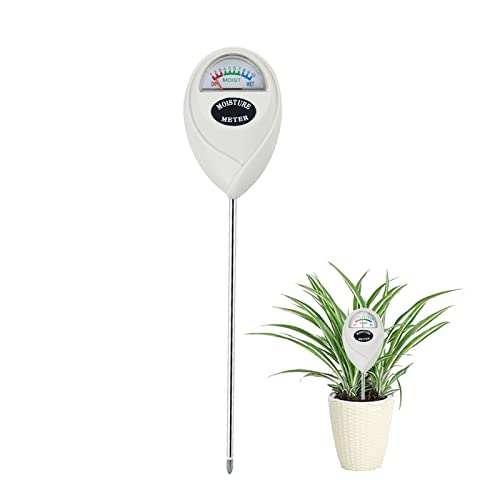
【SAVE YOUR PLANTS】: Over watering can cause problems with your plants or even kill them. This soil moisture meter helps you know the soil is dry, moist or wet.No more over watering!

Accurate Soil Moisture Detection: The XLUX Soil Moisture Meter can tell you if the soil deep inside your pot or garden is dry, moist or wet; whereas your eyes and fingers can only determine the moisture level of the soil surface. The probe is 5.5 inches (14 cm) longer than regular styles, allowing it to measure the soil moisture at the bottom of larger and deeper flower pots.
Factors Influencing Water Frequency
- Soil Type: Sandy soils drain quickly, requiring more frequent watering. Clay soils retain moisture longer, reducing the need for regular watering.
- Weather Conditions: Hot, dry days increase evaporation, necessitating more frequent watering. Rainy periods reduce the need for irrigation.
- Humidity Levels: High humidity slows down evaporation, lessening the need for additional water. Low humidity prompts increased watering.
- Plant Maturity: Young plants typically require more water as they establish roots. Mature plants often need less frequent watering.
- Sun Exposure: Full sun exposure increases water loss. Shaded areas retain moisture longer.
- Vegetables: Most vegetables need consistent moisture. Water them deeply every 2-3 days during hot weather.
- Perennials: Water perennials based on their specific needs; for example, established perennials may only need watering once a week.
- Shrubs: Newly planted shrubs require watering every 3-5 days. Established shrubs can thrive with bi-weekly watering.
- Flowers: Annual flowers generally need more frequent watering. Regular checks of soil moisture help determine watering needs.
- Succulents: Succulents store water in their leaves, requiring less frequent watering—typically every 2-3 weeks.
Monitoring moisture levels and adjusting based on these factors ensures healthy plants.
Seasonal Considerations
Maintaining an appropriate watering schedule varies with the changing seasons. It’s essential to adjust your approach based on environmental factors and plant requirements.
Recommended Products

Kindly NOTE: This soil tester can not be applied to test pH value of any other liquid. If the soil is too dry the indicator will not move, and water it before testing.
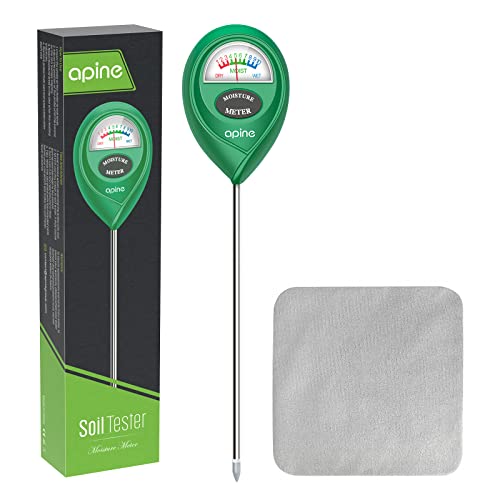
Quick Measurement:Just insert the probe of the plant water meter into the soil about two to four inches,wait a few seconds,you can get the soil moisture immediately.The color division of the dial is simple and clear,and the elderly can easily use it

Accurate Soil Moisture Detection: The XLUX Soil Moisture Meter detects deep soil moisture in pots or gardens (dry/moist/wet), unlike eyes or fingers that only sense surface soil.
Summer Watering Tips
Summer heat often leads to increased evaporation rates. You might find that your garden requires more frequent watering during this season. Here are some tips:
- Water Early or Late: Water your plants in the early morning or late evening. This timing minimizes water loss through evaporation.
- Check Soil Moisture: Stick your finger about an inch into the soil. If it feels dry, it’s time to water.
- Use Mulch: Apply a layer of mulch around plants. This helps retain moisture and keeps the soil temperatures stable.
- Deep Watering: Water deeply to encourage roots to grow deeper. This practice helps plants withstand heat stress.
Winter Watering Strategies
Winter can present unique challenges for watering. While plants may need less frequent watering, it’s crucial to monitor their moisture levels. Consider the following strategies:
- Reduce Frequency: Many plants enter dormancy during winter. Water less often, focusing on keeping the soil slightly moist, not soggy.
- Watch for Thawing: If temperatures fluctuate, check the soil often. Plants may need water during warm spells.
- Avoid Ice: Prevent water from freezing in containers. Consider insulating pots or bringing them inside during cold snaps.
- Monitor Indoor Plants: Indoor plants often dry out faster due to heating. Check their moisture levels regularly and adjust watering as necessary.
Adjusting your watering practices according to seasonal changes can lead to healthier, more resilient plants.
Techniques for Watering the Garden
Effective watering techniques enhance plant health and vitality. Understanding methods can help you optimize moisture levels.
Recommended Products

[1/2" High-Flow Mainline for Stable Pressure] Featuring a professional-grade 1/2" (12mm) mainline hose, this kit solves the common issue of water pressure drop-off found in thin 1/4" tubes. The heavy-duty 12mm pipe ensures consistent and balanced water delivery to every plant, making it an ideal automatic watering system for expansive gardens and backyard landscaping.
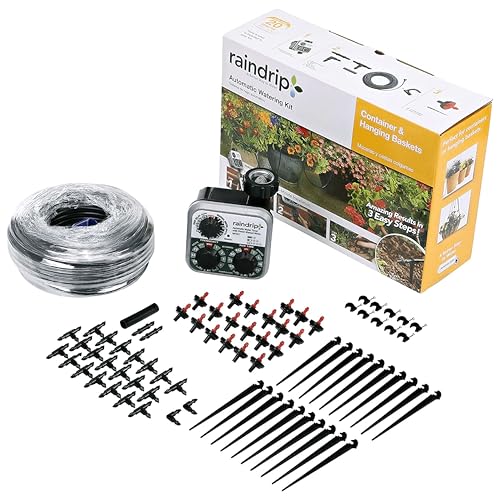
Save Time and Effort: This Raindrip drip irrigation kit includes everything you need to create a drip watering system for potted plants and precisely water up to twenty plants, saving time and effort while keeping your garden healthy

🌷With perfect gardening automatic watering system🌷: 1 set of automatic watering system, 32FT 5/16“ID thick hose +1/4" hose 130FT, adjustable water volume gushing sprinkler nozzle 16PCS, plant root drip irrigation sprinkler nozzle 12PCS, 1 set of 3/4" Y-connectors, 32 sets of other connectors.
Drip Irrigation vs. Manual Watering
- Drip Irrigation: This system delivers water directly to the plant roots. It’s efficient, reducing water waste and encouraging deep root growth. You can set it on a timer to ensure consistent moisture. Consider using drip irrigation for vegetable beds or flower gardens needing regular watering.
- Manual Watering: Using a watering can or hose allows flexibility in watering locations and volumes. It’s ideal for container gardens or areas with plants requiring specific moisture levels. Check soil moisture before watering, using the finger test. Insert your finger about an inch into the soil; if it feels dry, water your plants.
- Early Morning: Watering in the early morning reduces evaporation. Cooler temperatures allow water to soak into the roots effectively, minimizing stress during the hottest part of the day.
- Late Afternoon: If mornings aren’t feasible, late afternoon is a suitable alternative. Avoid watering too late to prevent fungal diseases from prolonged moisture on foliage overnight.
- Avoiding Peak Sun Hours: Don’t water during peak sun hours. Watering when temperatures are high leads to evaporation, wasting water and not benefiting your plants.
By implementing these techniques, you can ensure your garden receives the right amount of moisture to thrive.
Signs Your Garden Needs Water
Pay attention to key indicators to determine when your garden requires watering. Recognizing these signs can help maintain healthy plants.
Wilting and Discoloration
Watch for wilting leaves. When plants lack water, they droop and appear exhausted. Discoloration, particularly yellowing leaves, also signals distress. For example, if your tomato plants’ leaves start turning yellow, it’s a clear sign they need more moisture. Checking for wilting and discoloration helps you act quickly to revive your garden.
Soil Moisture Levels
Feel the soil with your fingers. If it’s dry and crumbly, plants likely need watering. A good rule of thumb is to check about one inch below the surface. If the soil feels dry at that depth, it’s time to water. Tools like moisture meters can offer additional help in assessing moisture levels. Regularly checking soil moisture ensures your plants receive the proper hydration for optimal growth.
Conclusion
Finding the right watering routine for your garden can make all the difference in keeping your plants healthy and thriving. By considering the unique needs of each plant and adjusting your approach based on factors like weather and soil type, you can create a flourishing garden.
Remember to stay observant and responsive to your plants’ signals. Whether it’s wilting leaves or dry soil, these cues can guide you in determining when to water. With a bit of practice and attention, you’ll develop a watering schedule that works best for you and your garden. Happy gardening!
Frequently Asked Questions
How do I know if my plants are overwatered or underwatered?
Overwatered plants often show yellowing leaves, and wilting due to root suffocation. Underwatered plants may have dry, crispy leaves and show signs of wilting. Check the soil moisture 1 inch below the surface; if it’s dry and crumbly, it’s time to water.
What factors influence how often I should water my plants?
Watering frequency depends on soil type, weather conditions, humidity, plant maturity, and sun exposure. Different plants also have unique water needs. Understanding these factors helps gardeners determine the right watering schedule for their specific plants.
When is the best time to water my garden?
The ideal times to water your garden are early morning or late afternoon. This timing minimizes evaporation and ensures that plants absorb moisture effectively. Avoid watering during peak sun hours to maximize water retention.
How can I tell when it’s time to water again?
Look for signs like wilting leaves or discoloration, such as yellowing. Additionally, feel the soil about 1 inch below the surface; if it’s dry and crumbly, it’s time to water. You can also use a moisture meter for more accurate readings.
What are the best watering techniques for plant health?
Drip irrigation delivers water directly to the roots, promoting deep growth, while manual watering gives flexibility. It’s important to water deeply and less frequently, allowing roots to reach for moisture. Mulching can also help retain soil moisture.
How does seasonal change affect plant watering needs?
Plants generally require more water in summer due to higher evaporation rates. In winter, watering needs decrease, but it’s crucial to monitor for moisture. Adjust your watering frequency based on temperature, humidity, and soil conditions to keep plants healthy year-round.

My interest in trees started when I first saw the giant sequoias in Yosemite.I was a teenager then, and I remember thinking, “I need to learn more about this.”That moment stuck with me.A few years later, I went on to study forestry at Michigan Tech.
Since graduating, I’ve worked in a mix of hands-on tree care and community education.I’ve spent over ten years helping people understand how to plant, maintain, and protect the trees in their neighborhoods.I don’t see trees as just part of the landscape.They are living things that make a real difference in our daily lives.