Are you planning to transform your garden but unsure about the cost of soil? You’re not alone. Many gardeners face the challenge of figuring out how much garden soil they need and how much it’ll set them back. It can feel overwhelming, especially when you’re trying to stick to a budget.
Key Takeaways
- Understanding Soil Types: Different types of garden soil, like topsoil, garden blend, and potting soil, vary in cost and suitability for different gardening needs.
- Cost Factors: The price of garden soil per cubic yard is influenced by soil type, quality of ingredients, and geographical location affecting transportation costs.
- National Averages: On average, garden soil costs between $20 to $50 per cubic yard, with specialized blends being more expensive than standard topsoil.
- Buying Options: Bulk soil purchases are generally more economical for larger projects, while bagged soil offers convenience for smaller applications.
- Local vs. Online Suppliers: Local suppliers often provide competitive pricing and delivery options, while online retailers may have varying costs due to shipping, so it’s beneficial to compare both.
- Soil Testing Importance: Conducting soil tests can identify nutrient levels and pH, ensuring you choose suitable soil amendments for optimal plant health.
Overview of Garden Soil
Garden soil is essential for successful gardening. It provides nutrients, structure, and a habitat for plants. The right soil greatly influences plant growth and health.
Types of Garden Soil
- Topsoil: This layer contains organic matter and is rich in nutrients. It’s often used for initial planting.
- Garden Blend Soil: A mixture of topsoil, compost, and other organic materials. This blend enhances plant growth and drainage.
- Potting Soil: Specially formulated for container gardening. It contains components like peat moss, perlite, and vermiculite for moisture retention.
- Native Soil: The existing soil in your yard. It may require amendments for gardening, depending on its quality.
Soil Composition
Soil is made up of various components. The key elements include:
- Sand: Improves drainage and aeration.
- Silt: Retains moisture and nutrients.
- Clay: Provides structure but can lead to drainage issues.
- Organic Matter: Essential for nutrient supply and soil structure.
Soil Testing
Testing your soil helps determine its pH and nutrient levels. Kits are available at garden centers. Testing allows you to amend your soil effectively.
- Add Organic Matter: Compost boosts nutrient levels and improves soil structure.
- Mulch: Apply a layer of mulch to retain moisture and suppress weeds.
- Test and Amend: Regularly check your soil’s health and make adjustments to maintain fertility.
Understanding garden soil’s importance and composition helps you make informed choices for your gardening projects.
Factors Affecting Cost
Various elements influence the cost of garden soil per cubic yard. Understanding these factors helps you make informed decisions when budgeting for your gardening projects.
Recommended Products

Certified Organic Composition: Crafted from a blend of peat and composted farm manures, this topsoil is OMRI Listed, ensuring it's suitable for organic gardening practices.
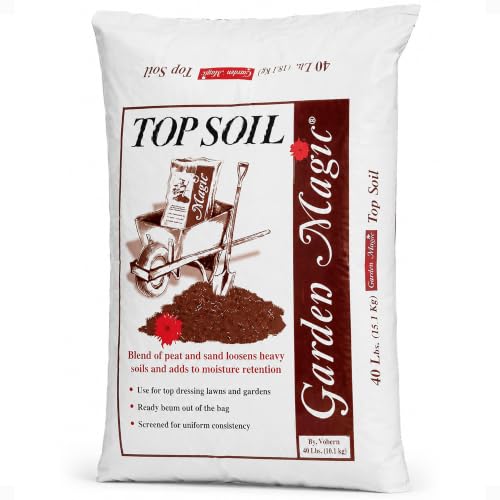
Ready-to-Use for All Planting Needs: This general-purpose potting soil is ready to use out of the bag, perfect for both indoor and outdoor planting without any extra prep

100% Organic & Peat-Free: Our compost mix is 100% organic & peat-free. Peat is one of Mother Nature’s most important stores of carbon. Instead of imported peat, the base of our soils is made from upcycled plant matter or wood fines from the United States!
Type of Garden Soil
Different types of garden soil have distinct price ranges. For instance, topsoil usually costs less than specialty blends, such as organic or potting soil. Topsoil typically provides a solid base for many garden projects, while potting soil offers specific benefits for container gardening. The more specialized the soil type, the higher the price often becomes.
Quality of Ingredients
The quality of the ingredients in garden soil significantly impacts its cost. High-quality soil blends contain richer organic materials, like compost and peat moss. These ingredients improve nutrient retention and promote plant health. Conversely, lower-quality soils may contain fillers or lower nutrient levels, resulting in a cost reduction. Invest in higher-quality soil for long-term benefits and healthier plants.
Location and Delivery
Your location affects soil prices due to transportation costs. Regions with abundant soil suppliers typically offer lower prices due to competition. If you live in a remote area, delivery fees may increase overall costs. To save money, consider purchasing soil in bulk or sourcing it locally to minimize delivery charges.
Average Price Range
Understanding the price range of garden soil helps you budget effectively for your gardening projects.
Recommended Products
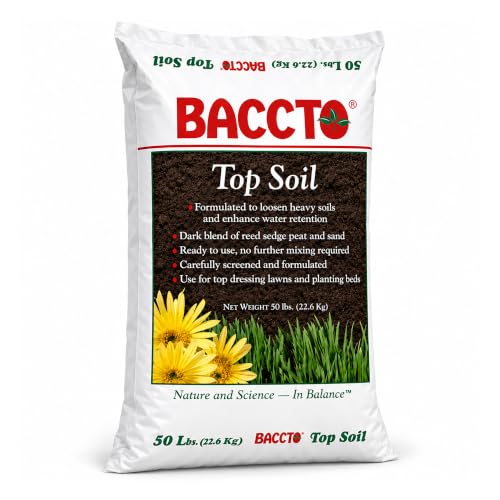
High-Quality Topsoil Blend: Crafted with a mix of reed, sedge, peat, and sand, this loam-like soil provides a strong environment for strong, healthy black dirt plant growth in your yard or any raised bed soil

Ready-to-Use for All Planting Needs: This general-purpose potting mix is ready to use out of the bag, making it perfect for both indoor and outdoor planting without any additional preparation

100% American Tennessee Topsoil - All Natural Dirt
National Averages
On average, the cost of garden soil typically falls between $20 and $50 per cubic yard. Topsoil usually sits at the lower end, while specialized blends like organic or potting soil can reach the higher end. For instance, a high-quality organic garden blend might cost around $40 to $60 per cubic yard. Retailers often set these prices, so checking local stores and garden centers can provide the best options.
Regional Variations
Prices for garden soil can vary significantly based on location. For example, urban areas may charge more due to higher demand and transportation costs. In contrast, rural regions often offer more competitive rates. Additionally, some states have unique soil types, which can influence pricing. In the Northeast, for instance, costs for compost and organic mixes might be higher than in the Midwest, where topsoil is more abundant. Always compare prices from multiple sources in your area to find the most cost-effective options for your needs.
Buying Options
Understanding where and how to buy garden soil can help you stay within budget while meeting your gardening needs.
Bulk vs. Bagged Soil
Buying garden soil in bulk often proves more economical for larger projects. Bulk soil typically costs between $20 and $40 per cubic yard, depending on the type. For example, if you require ten cubic yards for a landscaping project, buying in bulk could save you significant money compared to purchasing bags.
On the other hand, bagged soil provides convenience, especially for smaller areas or container gardening. Bags usually range from 1 to 2 cubic feet and may cost between $2 and $10 each. While bagged soil offers easier handling and transport, it may not be the most cost-effective choice for extensive gardens.
Local Suppliers vs. Online Retailers
Local suppliers often present the best options for purchasing garden soil. They typically offer competitive prices and may provide delivery services. You’re likely to find different types of soil, especially if you need something specific, like compost or organic soil.
Online retailers can also be convenient, often featuring customer reviews to assist in your decision-making. Prices may be slightly higher due to shipping costs, but some companies offer free shipping on bulk orders. Compare local options with online prices to determine the best choice for your budget and convenience.
By exploring both bulk and bagged options from local suppliers and online retailers, you can find the right garden soil at a price that fits your project and needs.
Conclusion
Finding the right garden soil at a price that works for you can make all the difference in your gardening success. By considering factors like soil type quality and local availability you can save money while ensuring your plants have the best foundation to thrive.
Don’t forget to compare prices from different suppliers and consider buying in bulk for larger projects. With a little research you’ll be well on your way to creating a beautiful garden that flourishes for years to come. Happy gardening!
Frequently Asked Questions
What is the importance of garden soil?
Garden soil is vital for successful gardening as it provides essential nutrients, structure, and a habitat for plants. The right soil significantly influences plant growth and health, making it a crucial factor in garden transformation.
What types of garden soil are available?
There are various types of garden soil, including topsoil, garden blend soil, potting soil, and native soil. Each type serves different gardening needs, such as planting beds, pots, or landscaping.
How do I determine the right soil composition?
Soil composition includes key elements like sand, silt, clay, and organic matter. To find the right mix, consider your plants’ needs and conduct soil testing to assess pH and nutrient levels.
What factors influence the cost of garden soil?
The cost of garden soil is influenced by the type of soil, quality of ingredients, location, and delivery options. Specialty soils, like organic blends, typically cost more than standard topsoil.
What is the average price range for garden soil?
The average price for garden soil falls between $20 and $50 per cubic yard. Topsoil is less expensive, while specialized blends like organic or potting soil are at the higher end.
Is it more economical to buy soil in bulk or in bags?
Buying soil in bulk is generally more economical for larger projects, usually costing between $20 and $40 per cubic yard. Bagged soil may be convenient for smaller areas but is typically pricier.
How can I find the best prices for garden soil?
To find the best prices, compare offerings from multiple local suppliers, as they often provide competitive rates and delivery options, unlike online retailers, which may have higher shipping costs.

My interest in trees started when I first saw the giant sequoias in Yosemite.I was a teenager then, and I remember thinking, “I need to learn more about this.”That moment stuck with me.A few years later, I went on to study forestry at Michigan Tech.
Since graduating, I’ve worked in a mix of hands-on tree care and community education.I’ve spent over ten years helping people understand how to plant, maintain, and protect the trees in their neighborhoods.I don’t see trees as just part of the landscape.They are living things that make a real difference in our daily lives.