Have you ever dreamed of growing your own fresh vegetables but didn’t know where to start? You’re not alone. Many people find themselves overwhelmed by the thought of planting a vegetable garden. With so many options and techniques, it can feel like a daunting task.
Key Takeaways
- Location Matters: Choose a site with ample sunlight (6-8 hours) and easy access to water to optimize vegetable growth.
- Soil Preparation is Key: Test and amend your soil for proper nutrient levels and pH balance to ensure healthy plants.
- Select Wisely: Choose vegetables based on their growing seasons and consider companion planting for better yields and pest management.
- Effective Planting Techniques: Utilize seed starting indoors and careful transplanting methods to reduce stress and promote strong growth.
- Maintain Your Garden: Regular watering, using drip irrigation, and implementing integrated pest management techniques are essential for a fruitful harvest.
Choosing the Right Location
Selecting the appropriate location for your vegetable garden significantly impacts growth and yield. Consider factors like sunlight exposure and water access for optimal results.
Sunlight Requirements
Most vegetables thrive in full sun, needing at least 6 to 8 hours of direct sunlight daily. Observe your chosen area throughout the day to identify sun patterns. Make sure large trees or structures don’t cast shadows on your garden. For example, tomatoes, peppers, and squash excel in sunny spots, while leafy greens like lettuce tolerate partial shade. Evaluate your garden’s light conditions before planting.
Water Access
Water access affects the health of your plants. Choose a location with easy access to a water source, like a hose or rain barrel. Ensure your garden layout allows for efficient watering. For instance, raised beds minimize water runoff and help retain moisture. Planning irrigation systems, like drip irrigation or soaker hoses, saves time and effort. Assess your water needs during dry spells to keep plants hydrated.
Preparing the Soil
Preparing the soil is essential for a thriving vegetable garden. Healthy soil nurtures strong plants and increases your yield. Follow these steps to ensure your soil is primed for planting.
Recommended Products

Quick, at home results for Soil pH, Nitrogen, Phosphorous and Potash Innovative and inexpensive soil test kit features an easy-to-use capsule system and patented color comparators
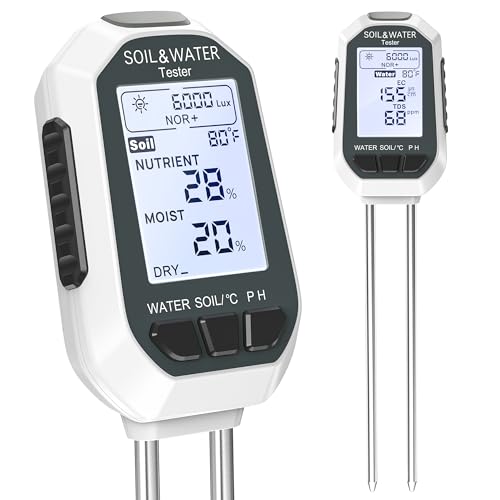
【7-in-1 Features】This is a 7-in-1 multi-function soil tester. Our soil tester quickly measures soil moisture, pH, temperature and light intensity, and its fertility function helps you take better care of your plants. With this device you can measure the soil moisture, pH, temperature and light intensity for your plants and with the EC and TDS functions you will know when it is time to water the soil.

KNOW BEFORE YOU GROW | Grow the healthiest, sustainable lawn and garden with the most accurate and easy to use professional soil test kit on the market
Soil Testing
Soil testing helps you understand its nutrient levels and pH balance. You can purchase a soil testing kit or send a sample to a local extension service. Aim for soil pH between 6.0 and 7.0 for most vegetables. If your test reveals deficiencies, focus on correcting them before planting.
Amending the Soil
Amending the soil improves its structure and nutrient content. Consider these common amendments:
- Organic Matter: Add compost or well-rotted manure to enhance fertility and moisture retention.
- Lime: Use lime to raise pH if your soil is too acidic.
- Sulfur: Apply sulfur to lower pH if your soil is too alkaline.
- Fertilizers: Choose balanced fertilizers to supply essential nutrients based on your soil test.
Incorporate amendments into the top 12 inches of soil, as this zone influences root growth. After mixing, let the soil rest for a week or two before planting for optimal results.
Selecting Vegetables to Plant
Choosing the right vegetables for your garden can enhance your gardening experience and boost your harvest. Consider the following aspects when selecting vegetables.
Recommended Products
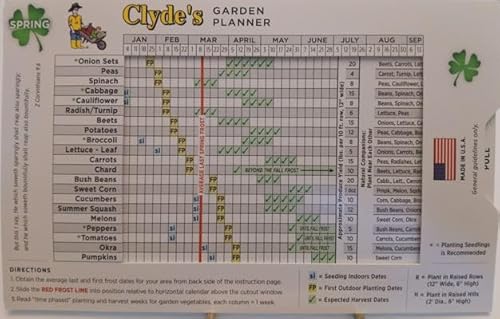
Chart Provides Both Indoor and Outdoor Seeding Dates for 22 Commonly Grown Garden Veggies, (Chart Size = 51/8" x 81/2", 12 Point Cardstock Paper).

EASY TO USE & UNDERSTAND - Simplify your garden with our easy-to-use wheel-based vegetable garden planner! Determine seeds needed, planting depth, optimal spacing, and much more for 21 popular vegetables. The garden planner works in all regions of the USA and Canada. Simply adjust the frost line with the frost dates of your area to get started.

Seasonal Considerations
Understand the growing seasons for your chosen vegetables. Cool-season crops, like spinach and peas, thrive in early spring and fall. Warm-season crops, such as tomatoes and peppers, flourish in summer. Plant cool-season vegetables a few weeks before the last frost date, and wait until soil temperatures reach at least 60°F for warm-season varieties. Keep local climate in mind, as variations can affect planting times.
Companion Planting
Use companion planting to maximize your garden’s potential. Some plants grow better together, enhancing flavors or deterring pests. For example, plant tomatoes alongside basil, as they complement each other in taste and can improve growth. Avoid planting onions near beans, as they can hinder each other’s development. Research companion plant pairings to create a thriving ecosystem in your garden, ensuring better yields and healthier plants.
Planting Techniques
Planting techniques play a vital role in establishing a productive vegetable garden. You’ll find that proper methods make all the difference in growth and yield.
Seed Starting
Starting seeds indoors gives you a head start on the growing season. Use seed trays or biodegradable pots filled with seed-starting mix.
- Fill your trays or pots with the mix.
- Plant seeds at the recommended depth.
- Water the seeds gently but thoroughly.
- Place trays in a warm location with ample light, like a south-facing window or under grow lights.
Monitor the soil moisture, keeping it consistently damp but not soggy. Once the seedlings develop two to three true leaves, they’re ready for transplanting.
Transplanting Seedlings
Transplanting seedlings requires careful handling to minimize stress. Follow these steps for a successful transition to your garden:
- Harden off seedlings by exposing them to outdoor conditions gradually. Start with an hour of sunlight per day, increasing the time over a week.
- Choose a cloudy day or transplant in the evening to reduce shock.
- Dig holes larger than the root ball of each seedling.
- Place seedlings into the holes, ensuring the soil level matches the depth they were in pots.
- Fill back with soil, pressing gently around the base to eliminate air pockets.
- Water thoroughly after transplanting, ensuring the roots receive moisture.
Follow these techniques for seed starting and transplanting seedlings to set the foundation for a thriving vegetable garden.
Garden Maintenance
Maintaining your vegetable garden ensures healthy plants and a bountiful harvest. Focus on two key areas: watering practices and pest management.
Watering Practices
Watering plays a crucial role in plant health. Provide consistent moisture by watering deeply once a week, adjusting as needed during hot weather. Early morning is best for watering, as it reduces evaporation and allows leaves to dry before evening.
Consider the following practices for effective watering:
- Soil Check: Stick your finger into the soil. If the top inch feels dry, it’s time to water.
- Drip Irrigation: Implement a drip irrigation system to ensure direct, slow watering at the roots. This method conserves water and promotes healthy growth.
- Mulching: Apply a 2-3 inch layer of organic mulch around plants. Mulch retains moisture, suppresses weeds, and regulates soil temperature.
Pest Management
Managing pests protects your vegetables and promotes a healthy garden ecosystem. Use integrated pest management (IPM) techniques to control unwanted insects effectively.
Consider these pest management tips:
- Monitoring: Regularly check your plants for signs of pests, such as holes in leaves or discolored foliage. Catching problems early simplifies control.
- Beneficial Insects: Encourage beneficial insects, like ladybugs and lacewings, that prey on harmful pests. Planting flowers, like marigolds and dill, attracts these helpful allies.
- Natural Remedies: Use natural repellents, such as neem oil or insecticidal soap, to manage pest populations without harsh chemicals. Follow label instructions for effective application.
By prioritizing watering and pest management, you establish a thriving vegetable garden that yields healthy produce.
Conclusion
Growing your own vegetable garden can be incredibly rewarding. With the right planning and care you can enjoy fresh produce right from your backyard. Remember to choose a sunny spot and prepare your soil properly to set the stage for success.
As you select your vegetables think about the seasons and how certain plants can support each other. Don’t forget to keep up with maintenance practices like watering and pest management to ensure your plants stay healthy.
With a little patience and effort you’ll be on your way to harvesting your own delicious vegetables in no time. Happy gardening!
Frequently Asked Questions
What is the best location for a vegetable garden?
The best location for a vegetable garden should provide at least 6 to 8 hours of direct sunlight daily. Observe sun patterns and avoid areas with shadows from trees or buildings. Additionally, ensure easy access to a water source for efficient watering.
How can I prepare soil for my vegetable garden?
Start by conducting a soil test to determine nutrient levels and pH, ideally between 6.0 and 7.0. Amend soil with organic matter, lime, or balanced fertilizers if needed. Incorporate these amendments into the top 12 inches of soil and let it rest for a week or two before planting.
When is the best time to plant vegetables?
Cool-season crops can be planted a few weeks before the last frost date, while warm-season vegetables should be planted when soil temperatures reach at least 60°F. Timing based on seasonal considerations helps ensure successful growth.
What is companion planting and its benefits?
Companion planting involves growing certain plants together for mutual benefits. For instance, tomatoes and basil support each other, while onions and beans should not be planted together. This practice fosters a healthier ecosystem, leading to better yields.
How should I water my vegetable garden?
Water deeply once a week, ensuring the soil remains moist but not waterlogged. Check soil moisture before watering, and use drip irrigation or mulch to help retain moisture and regulate soil temperature efficiently.
What pest management practices should I use?
Implement integrated pest management (IPM) techniques, which include regular pest monitoring, promoting beneficial insects, and using natural remedies like neem oil or insecticidal soap. These methods help maintain healthy plants and a fruitful harvest.

My interest in trees started when I first saw the giant sequoias in Yosemite.I was a teenager then, and I remember thinking, “I need to learn more about this.”That moment stuck with me.A few years later, I went on to study forestry at Michigan Tech.
Since graduating, I’ve worked in a mix of hands-on tree care and community education.I’ve spent over ten years helping people understand how to plant, maintain, and protect the trees in their neighborhoods.I don’t see trees as just part of the landscape.They are living things that make a real difference in our daily lives.