Do you ever feel overwhelmed by the weeds in your garden? You’re not alone. Many gardeners struggle with keeping those pesky invaders at bay, wondering how often they should tackle this ongoing chore. Weeds can quickly take over and steal nutrients from your plants, but knowing when and how to weed can make all the difference.
Key Takeaways
- Weeding is essential for ensuring plant health by preventing competition for water, nutrients, and sunlight.
- The frequency of weeding should be adjusted based on plant growth stages, environmental conditions, and soil type.
- Effective weeding techniques include hand-pulling, using a weeding fork, and hoeing for different situations and sizes of infestations.
- Regular garden inspections at least once a week during the growing season can help control weed growth effectively.
- Common mistakes to avoid include neglecting regular checks, improper pulling techniques, and over-reliance on chemical herbicides.
- Implementing a mulching strategy can greatly reduce weed growth while enhancing soil quality and moisture retention.
Importance Of Weeding Your Garden
Weeding your garden plays a crucial role in maintaining plant health. Weeds compete for essential resources like water, nutrients, and sunlight. Removing them helps ensure that your plants receive what they need to thrive.
Healthy plants yield more flowers, fruits, or vegetables. Without regular weeding, weeds can hinder growth, reducing overall productivity. Weeds can harbor pests and diseases, further threatening the health of your garden. By keeping weeds at bay, you protect your plants from these risks.
Weeding also improves the garden’s appearance. A neat and tidy garden enhances curb appeal and creates a pleasant space for you to enjoy. Regular weeding is essential for promoting biodiversity, as it creates a balanced ecosystem. A well-maintained garden supports beneficial insects while deterring harmful ones.
Weeding frequency varies depending on several factors. For instance, climate, soil conditions, and the type of plants in your garden influence weed growth. Typically, you should check for weeds every week, especially during the growing season. Early identification and removal of weeds prevent them from spreading.
Additionally, you can use different methods for weeding. Hand-pulling works for small infestations, while tools like hoeing are useful for larger areas. Mulching offers a preventative measure, suppressing weed growth while retaining moisture for your plants.
Regular weeding ultimately saves time in the long run. Spending a little effort each week prevents overwhelming tasks later. This proactive approach maintains garden health and enhances your gardening experience.
Recommended Products
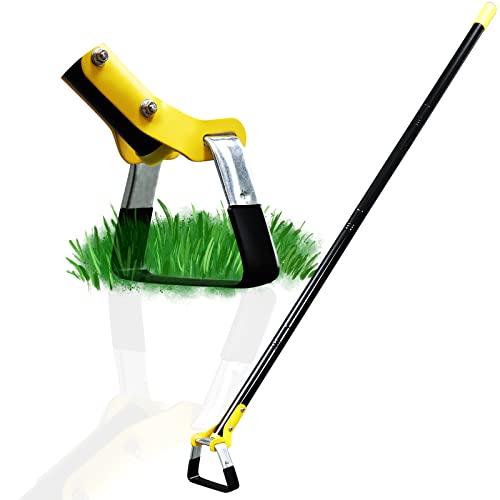
▲【Push Pull Hoe Garden Tool】Sold by DonSail US store and garden hoes are designed with push-pull motion which is safer and more efficient for weeding, cut weed roots or cultivating around live growing plants with ease.
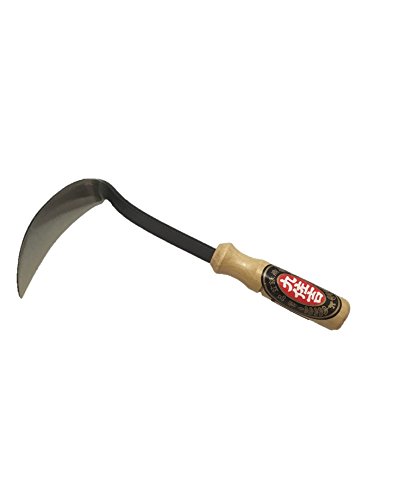
Strong but lightweight Japanese hand hoe
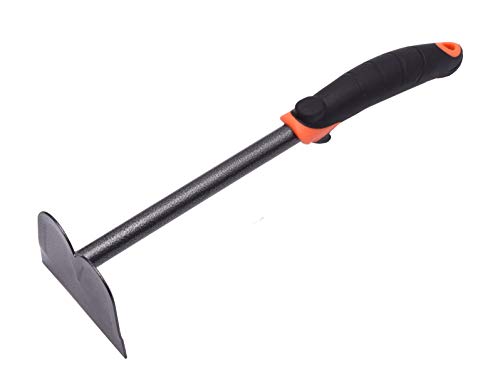
Heavy duty carbon steel garden tool does not bend or break
Factors That Influence Weeding Frequency
Weeding frequency can change based on several important factors. Understanding these can help you manage your garden better.
Plant Growth Stages
Weeding often needs to align with the growth stages of your plants. During early stages, young plants require protection from weeds that compete for nutrients. Check your garden at least twice a week to ensure weeds aren’t choking your seedlings. As your plants mature, their growth can outcompete weeds, so you might reduce your weeding frequency to once a week. Monitor your garden closely, as some plants may grow faster than others, influencing how frequently you need to weed.
Environmental Conditions
Environmental conditions play a significant role in how often you weed. Higher temperatures and ample rainfall facilitate weed growth. In these conditions, inspect your garden more frequently, ideally at least once a week. If conditions are dry, weeds may grow slower, allowing you to check every two weeks. Soil type also affects weeding. Sandy soils may require less frequent weeding compared to clay soils, which tend to retain moisture. By observing these environmental factors, you can personalize your weeding schedule for optimal results.
Best Practices For Weeding
Effective weeding helps maintain your garden’s health and appearance. Implementing best practices makes the process manageable and efficient.
Recommended Products

GARDENING ESSENTIAL: Heavy duty, ergonomic hand cultivator with sharp tines ideal for a variety of gardening tasks like digging in tough soil, aerating soil, removing weeds, and more to encourage overall plant health and appearance

GARDENING ESSENTIAL: Garden weeder ideal for a variety of gardening tasks like removing invasive weeds, maintaining your herb garden, uprooting dandelions and thistles, and more to encourage overall plant health and appearance

Thickened Aluminum Alloy Material: Our gardening shovel is made of high-quality aluminum alloy material, allowing the garden trowel to dig deeply into the soil and cut through hard turf easily. The 0.08 inch thickness makes our spade shovel more sturdy and long lasting, ensures durability and stability during use, and makes the trowel not easy to break and long lasting
Manual Weeding Techniques
Manual weeding offers complete control without harming surrounding plants. Use the following techniques for best results:
- Hand-Pulling: Grab weeds close to the base. Ensure you pull out the entire root to prevent regrowth. This works well for annual weeds and small patches.
- Weeding Fork: Use a weeding fork or trowel for deeper-rooted weeds. Insert it into the soil near the weed, loosen it up, and pull it out. This method minimizes soil disturbance.
- Hoeing: Employ a hoe to chop off weeds just below the surface. This method works effectively for larger areas but focuses on less cultivated spaces to avoid damage to your plants.
When To Use Tools
Using tools can make weeding easier and more efficient, especially in larger gardens. Consider these situations for tool usage:
- Larger Areas: For extensive weed infestations, a hoe or cultivator will save time compared to manual methods.
- Established Weeds: Use a garden knife or hoe for stubborn weeds with deep roots. Such tools provide the leverage needed to remove them fully.
- Soil Type: If your soil is compacted or hard, a tool can break up the soil, making it easier to pull out weeds. Choose a sturdy hoe or weeding fork for such conditions.
Adopting these practices will streamline your weeding process, enhance your garden’s vitality, and preserve its overall beauty.
Common Mistakes To Avoid
Avoiding common mistakes in weeding helps maintain a healthy garden. Here are key pitfalls and how to sidestep them:
Neglecting Regular Checks
Checking your garden less frequently than needed allows weeds to establish. Make it a habit to inspect your garden at least once a week during the growing season.
Pulling Weeds Without Proper Technique
Pulling weeds incorrectly can leave roots behind, causing them to regrow. Always grasp the weed near the base and pull it straight out, ensuring you remove the entire root.
Weeding in Wet Conditions
Weeding when the soil is wet leads to disrupted soil structure and may cause more harm than good. Wait for dry conditions, which ensure easier uprooting and minimal soil disturbance.
Overusing Herbicides
Relying too much on chemical herbicides can harm beneficial plants and insects. Opt for manual methods or targeted applications to reduce environmental impact.
Ignoring Mulching
Skipping mulch allows weeds to spread unchecked. Apply a thick layer of organic mulch, like straw or wood chips, to suppress weed growth while also enriching soil quality.
Weeding Too Late
Waiting too long to weed can make the task more daunting. Remove weeds early, especially when they’re small and easier to handle.
Failing to Use Proper Tools
Using the wrong tools leads to inefficiency and potential plant damage. Choose appropriate tools like hoeing or hand weeding forks tailored to your garden’s needs.
By recognizing and avoiding these mistakes, you can keep your garden thriving and beautiful.
Conclusion
Weeding might seem like a daunting task but it’s essential for a thriving garden. By staying consistent and adapting your weeding routine to your garden’s needs you’ll not only keep those pesky weeds at bay but also promote the health of your plants.
Remember to pay attention to the specific conditions of your garden and adjust your weeding frequency accordingly. Embracing the right techniques will make the process easier and more enjoyable.
With a little effort and care your garden can flourish beautifully while you enjoy the fruits of your labor. Happy gardening!
Frequently Asked Questions
Why is weeding important for my garden?
Weeding is crucial because it prevents invasive plants from competing with your desired plants for resources like water, nutrients, and sunlight. Regular weeding helps maintain the health of your plants, promotes greater blooms and yields, and protects them from pests and diseases.
How often should I weed my garden?
Weeding frequency depends on various factors such as climate, soil conditions, and plant types. Typically, it’s recommended to check your garden weekly during the growing season, with more frequent checks (at least twice a week) for seedlings.
What are the best weeding methods?
Effective weeding methods include hand-pulling, hoeing, and mulching. Hand-pulling is ideal for small areas, while hoes are better for larger, established weed populations. Mulching helps suppress weed growth and retains soil moisture.
What mistakes should I avoid while weeding?
Common mistakes include neglecting regular checks, improper pulling techniques, weeding when the soil is wet, and overusing herbicides. It’s also essential not to ignore mulching or to weed too late in the season.
How does weeding affect curb appeal?
A tidy garden enhances curb appeal significantly. By regularly weeding, you create a well-maintained garden, which not only looks attractive but also supports a healthier ecosystem by attracting beneficial insects.

My interest in trees started when I first saw the giant sequoias in Yosemite.I was a teenager then, and I remember thinking, “I need to learn more about this.”That moment stuck with me.A few years later, I went on to study forestry at Michigan Tech.
Since graduating, I’ve worked in a mix of hands-on tree care and community education.I’ve spent over ten years helping people understand how to plant, maintain, and protect the trees in their neighborhoods.I don’t see trees as just part of the landscape.They are living things that make a real difference in our daily lives.