Wondering how often you should water your vegetable garden? You’re not alone. Many gardeners struggle with finding the right balance between keeping their plants hydrated and avoiding overwatering. Too little water can lead to wilting and stress, while too much can drown roots and cause diseases.
Key Takeaways
- Understand Plant Water Needs: Different vegetables have varying water requirements; for instance, tomatoes need more water than leafy greens like lettuce.
- Soil Type Matters: Watering frequency is influenced by soil type; sandy soils may require daily watering, while clay-rich soils can go 3-5 days between watering.
- Monitor Weather Conditions: Hot, dry weather increases water needs, while cooler or overcast conditions reduce them; adjust your schedule accordingly.
- Growth Stage Considerations: Young plants need more water to establish roots; mature plants also require consistent hydration during their fruiting stage.
- Use Effective Watering Techniques: Employ methods like drip irrigation and mulch to maintain soil moisture while minimizing evaporation and runoff.
- Regular Soil Checks: Test soil moisture regularly by sticking your finger into the soil; if it feels dry an inch down, it’s time to water.
Understanding Water Needs for Vegetable Gardens
Watering your vegetable garden requires knowledge of specific needs. Factors such as plant type, weather conditions, and soil quality play key roles in determining how often you should water.
Factors Affecting Watering Frequency
- Plant Type: Certain vegetables, like tomatoes and cucumbers, prefer more water. Leafy greens, such as lettuce, need consistent moisture.
- Soil Quality: Well-drained soils require more frequent watering than clay-heavy soils, which retain moisture longer.
- Weather Conditions: Hot, dry weather increases the need for watering, while overcast or rainy conditions reduce it.
- Growth Stage: Young plants need more water for establishment. Mature plants, especially those producing fruits or vegetables, require more hydration as they grow.
- Underwatering: Look for wilting leaves, dry soil, or stunted growth. Leaf edges may brown, and plants may become leggy as they reach for moisture.
- Overwatering: Observe yellowing leaves, a sour smell from the soil, or mold growth. Plants may develop root rot, which can be fatal.
Maintaining the right moisture balance keeps your vegetable garden thriving. Regular monitoring and adjusting based on these factors ensure your plants get what they need.
General Guidelines for Watering
Watering your vegetable garden requires careful consideration of soil type, weather conditions, and plant needs. Understanding these factors helps maintain optimal moisture levels.
Recommended Products

Kindly NOTE: This soil tester can not be applied to test pH value of any other liquid. If the soil is too dry the indicator will not move, and water it before testing.

Accurate Soil Moisture Detection: The XLUX Soil Moisture Meter can tell you if the soil deep inside your pot or garden is dry, moist or wet; whereas your eyes and fingers can only determine the moisture level of the soil surface. The probe is 5.5 inches (14 cm) longer than regular styles, allowing it to measure the soil moisture at the bottom of larger and deeper flower pots.
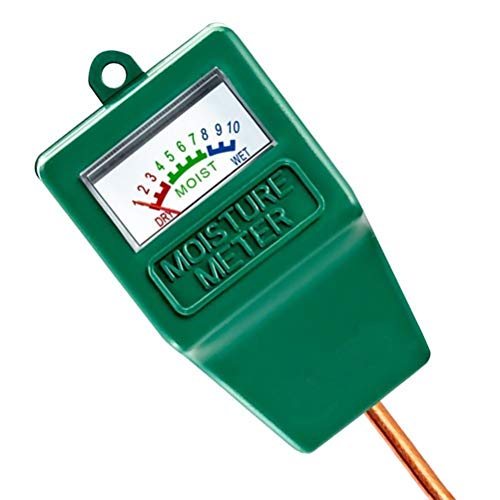
Soil Moisture Meter: This single probe soil moisture meter is specially designed for testing the moisture level in the soil, helps you decide whether the plants need water or not, helps to keep plants alive.
Soil Type and Its Impact
Soil type significantly influences how often you water. Sandy soils drain quickly, often requiring daily watering during dry spells. Clay soils hold moisture longer, so you might water every three to five days. Loamy soils, which are ideal for most vegetables, typically need watering every two to three days.
Tips for Soil Monitoring:
- Check soil moisture by inserting your finger about an inch deep. If it feels dry, it’s time to water.
- Look for signs like soil cracks in clay or dry surface soil in sandy types.
- Use mulch to regulate moisture, especially in sandy or loamy soils.
Climate Considerations
Climate plays a crucial role in your watering routine. Hot, dry conditions can increase evaporation and plant water needs. In contrast, cooler, humid weather may reduce these needs.
- Water early in the morning or late in the evening to minimize evaporation.
- Adjust your watering schedule during a heatwave, possibly watering daily.
- During cooler months, reduce watering frequency as plant growth slows.
Monitoring these conditions helps ensure your garden remains healthy and productive. Keep a close eye on the weather and adjust your watering habits accordingly for the best results.
Seasonal Watering Plans
Understanding seasonal variations in weather helps you develop an effective watering plan for your vegetable garden. Each season presents specific water needs based on temperature and humidity levels.
Recommended Products
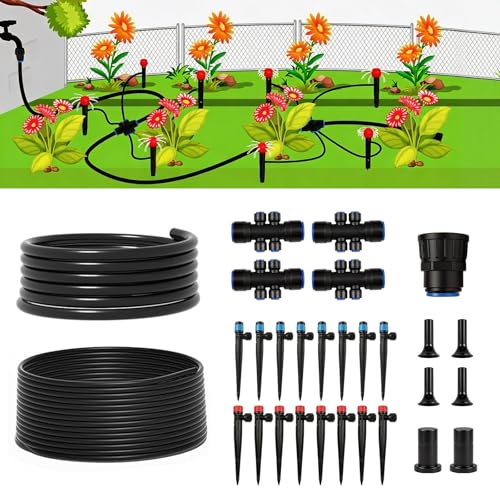
TRUE QUICK CONNECT – NO LEAKS, NO STRUGGLE: Unlike traditional kits that require twisting and force-fitting, our quick-connect design lets you simply push tubing into place. Secure, leak-resistant connections every time — no tools needed.
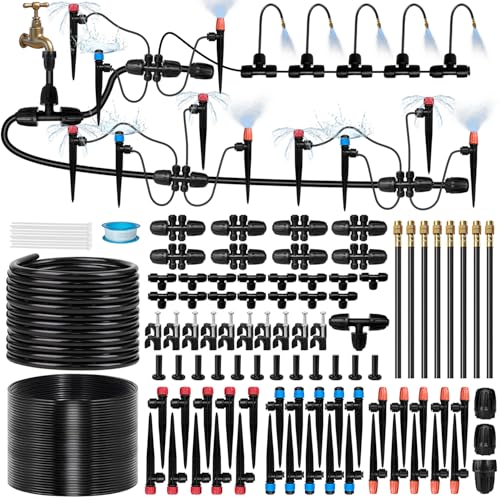
【Upgraded Tube Design & Water Saving】 Our garden watering system is upgraded to 1/2” diameter to support high water pressure. The 1/2” tee connector allows seamless splitting into 2 independent zones for customized watering schedules. By delivering moisture directly to root zones, this drip Irrigation system significantly reduces evaporation and runoff—saving more water compared to conventional sprinklers while eliminating the need for manual watering.

NO MORE HARD INSTALLATION - SET UP IN MINUTES. Tired of struggling with stiff barbed fittings? This drip irrigation system features quick-connect fittings that let you push, lock, and secure tubing effortlessly. No tools, no leaks, just a smooth setup experience. Enjoy a frustration-free installation and get your garden watering system running in minutes.
Spring and Early Summer
During spring and early summer, temperatures rise, and plant growth accelerates. Watering frequency typically increases during this time.
- Water garden beds every 1 to 3 days, depending on soil type and weather conditions.
- Monitor soil moisture by inserting your finger about an inch into the soil. If it feels dry, it’s time to water.
- Apply mulch around plants to retain soil moisture and minimize evaporation.
- Use soaker hoses or drip irrigation systems for consistent watering without splashing leaves, which can lead to disease.
For newly planted vegetables, ensure they receive adequate watering daily, especially during their first few weeks.
Late Summer and Fall
As summer transitions to fall, temperatures often cool, and rainfall becomes unpredictable. Adjust your watering schedule accordingly.
- Water once every 3 to 5 days, focusing on deeper watering to encourage root growth.
- Check moisture levels frequently, as cooler temperatures can create misleading soil conditions.
- Reduce watering when heavy rains occur, but be ready to increase it during dry spells.
- Harvest your vegetables before the first frost, which can affect both moisture needs and vegetable quality.
Consider covering your garden with frost blankets during late fall for added protection against temperature drops while maintaining soil moisture.
Tools and Techniques for Effective Watering
Understanding the right tools and techniques can enhance your vegetable watering routine, ensuring your plants thrive.
Recommended Products

Complete Drip Irrigation Kit: This comprehensive garden watering system includes 1*79ft 1/4'' irrigation tube, 1*16ft 1/2'' irrigation tube, 4* barbed tees (1/2'' to 1/4''), 8 *drip emitter streams, 8 *drip emitter vortices, 1 *4/6 faucet connector, 1 *main line end closure, and 10* end closures. It's a one-stop solution for all your irrigation needs, transforming your garden into a lush oasis.

[240FT Complete Drip Irrigation Kit]:Includes 40FT heavy-duty 1/2" main tubing and 200FT 1/4" distribution lines. This versatile set provides 136 essential drip irrigation parts, allowing you to customize a large 240FT system or two separate 120FT watering zones for your garden layout.

Quick Connect Design: Newly Upgraded Quick Connect Irrigation System Say Goodbye to Complicated Settings! Our upgraded 4-way connectors, tees, and nozzles can now be easily connected directly to 1/4 "irrigation pipes. No more trouble with heating or softening - just plug and play!
Watering Methods Comparison
- Hand Watering: Use a garden hose or watering can for precise control. Hand watering allows you to target the base of each plant, minimizing waste. It’s ideal for small gardens or specific areas that need attention.
- Drip Irrigation: Employ a drip system for efficient water delivery directly to the roots. Drip irrigation minimizes evaporation and runoff. Ideal for larger gardens, it saves time and conserves water.
- Sprinklers: Utilize oscillating or stationary sprinklers for larger areas. Sprinklers provide even coverage but may lead to water loss due to evaporation. Time your watering sessions for early morning or late evening to maximize water absorption.
- Soaker Hoses: Consider soaker hoses for a low-tech approach. Lay these hoses on top of the soil or below mulch, allowing water to seep out slowly. They’re effective for long rows of plants, promoting deep soil moisture.
- Rain Barrels: Collect rainwater using barrels to naturally hydrate your garden. Rain barrels conserve water and reduce reliance on municipal sources. This eco-friendly option works well during rainy seasons.
- Know Your Soil: Test soil moisture regularly. Stick your finger about an inch into the soil; if it feels dry, it’s time to water.
- Water Deeply: Aim for deeper watering sessions, typically 6 to 12 inches. This encourages roots to grow deeper, making plants more resilient during dry spells.
- Use Mulch: Apply organic mulch around plants to retain moisture. Mulch reduces evaporation and regulates soil temperature. It also prevents weed growth, which competes for water.
- Monitor Weather: Adjust your watering schedule based on recent rainfall. Keep an eye on weekly forecasts to avoid overwatering.
- Choose Water-Saving Tools: Invest in water timers and moisture sensors to automate your watering. Smart technology helps maintain consistent moisture levels without guesswork.
- Group Plants Wisely: Plant similar watering needs together. Grouping helps ensure you provide the right amount of water to each plant type without wasting resources.
Implementing these tools and techniques ensures a well-hydrated vegetable garden while conserving water resources effectively.
Conclusion
Finding the right watering routine for your vegetable garden can be a bit of a balancing act. By keeping an eye on your plants and understanding their specific needs you can ensure they thrive. Remember to consider the type of soil you have and the current weather conditions as these factors will influence how often you need to water.
Don’t hesitate to adjust your schedule as the seasons change. With a little patience and observation you’ll develop a watering strategy that works best for your garden. Happy gardening and enjoy the fruits of your labor!
Frequently Asked Questions
How often should I water my vegetable garden?
The frequency of watering your vegetable garden varies based on soil type, weather, and plant needs. Generally, sandy soils need daily watering, while clay soils can go 3 to 5 days. Loamy soils typically require watering every 2 to 3 days. Adjust watering based on signs of plant stress, such as wilting or yellowing leaves.
What are the signs of underwatering in vegetables?
Signs of underwatering include wilting leaves, dry soil, and stunted growth in your vegetables. If you notice these symptoms, check the soil moisture and consider increasing your watering frequency to ensure your plants are properly hydrated.
How can I tell if my vegetables are overwatered?
Overwatered vegetables may show signs like yellowing leaves, root rot, and a damp or moldy surface in the soil. To prevent overwatering, ensure well-draining soil and adjust your watering schedule based on weather conditions.
What factors influence watering frequency for my garden?
Watering frequency depends on several factors, including plant type, soil quality, weather conditions, and the growth stage of your vegetables. Each plant has unique hydration needs, which must be monitored closely for optimal growth.
When is the best time to water my vegetable garden?
The best times to water your vegetable garden are early in the morning or late in the evening. These times help minimize evaporation and ensure more water reaches the plants’ roots.
How does soil type affect watering needs?
Soil type plays a crucial role in watering needs. Sandy soils generally drain quickly and may require daily watering. Clay soils hold moisture longer, needing less frequent watering (every 3 to 5 days). Loamy soils offer a balance, typically requiring watering every 2 to 3 days.
What tools can help with effective watering?
Effective watering tools include drip irrigation systems, soaker hoses, sprinklers, and rain barrels. Additionally, moisture sensors and timers can help you monitor watering needs efficiently, ensuring your vegetable garden remains well-hydrated.
How should I adjust my watering schedule with changing seasons?
In spring and early summer, increase watering to every 1 to 3 days as temperatures rise. During late summer to fall, adjust to watering every 3 to 5 days, focusing on deeper watering to encourage root growth and closely monitor changing weather conditions.

My interest in trees started when I first saw the giant sequoias in Yosemite.I was a teenager then, and I remember thinking, “I need to learn more about this.”That moment stuck with me.A few years later, I went on to study forestry at Michigan Tech.
Since graduating, I’ve worked in a mix of hands-on tree care and community education.I’ve spent over ten years helping people understand how to plant, maintain, and protect the trees in their neighborhoods.I don’t see trees as just part of the landscape.They are living things that make a real difference in our daily lives.