Have you ever picked fresh herbs from your garden only to wonder how to clean them properly? You’re not alone. Many gardeners face the same challenge, wanting to enjoy the vibrant flavors of their homegrown herbs without the dirt or pests that can cling to them.
Key Takeaways
- Proper Tools: Use a bowl, colander, kitchen towel, and clean scissors or pruning shears for efficient herb cleaning.
- Timing Matters: Harvest herbs in the morning after dew has dried to enhance flavor and freshness.
- Effective Rinsing: Soak herbs in cool water to loosen dirt, then rinse under running water to ensure thorough cleaning.
- Gentle Drying: Shake off excess water and pat the herbs dry with a towel to prevent bruising.
- Storing Techniques: Store cleaned herbs by refrigeration or freezing to maintain freshness, labeling containers for tracking.
- Natural Cleaning Boost: Consider using a vinegar or lemon juice solution for an extra clean while avoiding pesticide residue.
How To Clean Herbs From Garden
Cleaning fresh herbs from your garden involves several simple steps to ensure they are free from dirt, pests, and moisture. Follow these guidelines for effective herb cleaning.
Recommended Products

Large Capacity & Durable Design - With 4 layers and a load capacity of 2.2 lbs per layer, this herb drying rack is perfect for drying herbs, flowers, tea, fruits, and vegetables. Made from high-quality polyester with built-in steel wire rings, it provides strong support and resists deformation.

Elegant Dark Brown Finish & Premium Pine Wood:Crafted from 100% natural solid pine wood with a rich dark brown finish, this eco-friendly herb drying rack (0% chemical coating) offers superior durability. Its 15"x5" compact size combines sturdiness with lightweight convenience for effortless use.

Package includes: You will receive a 13.78 × 13.78 inch garlic drying rack with 4 reinforced chains and 20 S-hooks. This ensures each garlic clove hangs freely, enjoying 360° airflow. Approximately 20 garlic cloves can be dried in 5-7 days. Suitable for various garlic varieties.
Gather Your Tools
- Bowl: Use a large bowl to hold the herbs.
- Colander: A colander helps rinse away dirt and debris.
- Kitchen Towel: A clean towel assists in drying herbs.
- Scissors or Pruning Shears: For cutting herbs from the plant.
Harvesting Herbs
- Choose the Right Time: Harvest herbs in the morning after the dew has dried. This timing enhances flavor and freshness.
- Cut with Care: Use scissors or pruning shears to avoid damaging the plant. Cut just above a leaf node to encourage new growth.
Initial Rinse
- Place Herbs in a Bowl: Arrange your freshly cut herbs in a bowl.
- Fill with Water: Submerge the herbs in cool water. Let them soak for a few minutes. This step loosens dirt and insects.
Rinsing Process
- Use a Colander: After soaking, transfer the herbs to a colander to drain the water.
- Rinse Under Running Water: Gently rinse each herb under cool running water. Make sure to separate the leaves for thorough cleaning.
Drying Herbs
- Shake Off Excess Water: Lightly shake the colander to remove extra water.
- Pat Dry with a Towel: Spread the herbs on a kitchen towel and gently pat them dry. Avoid rubbing, as this can bruise the leaves.
- Air Dry: For larger herbs, place them on a clean towel or drying rack to air dry completely.
- Refrigerate: Place dried herbs in a sealed container or plastic bag. Store them in the refrigerator for fresh use.
- Freeze: For long-term storage, chop the herbs and place them in ice cube trays with water or olive oil. Freeze until solid, then transfer to a freezer bag.
Steps To Clean Your Herbs
Cleaning your herbs effectively ensures you enjoy their fresh flavors while removing any dirt or pests. Follow these steps for optimal results.
Recommended Products

Maximum drying power: One-handed pump spins lettuce, herbs or fruit fast with minimal effort. Dry greens quickly with no plugs or cords needed.

One-Touch OXO Salad Spinner: Did you know that OXO invented the one-touch salad spinner? Its one-handed pump gives you maximum drying of lettuce with minimum effort

Versatile Kitchen Gadget: This 3-in-1 salad greens and vegetable cleaning spinner is a triple threat—washing, drying, and chopping all in one device. Equipped with 5 different blades, it effortlessly slices, shreds, and dices, meeting the preparation needs for a variety of dishes in your kitchen
Harvesting Herbs
- Choose the Right Time: Pick herbs in the morning after the dew has dried. This timing preserves flavor and freshness.
- Use Clean Tools: Use sharp, clean scissors to cut herbs. Ensure tools are sanitized to avoid contamination.
- Clip Carefully: Cut off the necessary stems without damaging the plant. This method encourages new growth.
Rinsing The Herbs
- Prepare a Bowl: Fill a bowl with cool water. Use enough water to completely submerge the herbs.
- Soak the Herbs: Place the harvested herbs into the bowl. Allow them to soak for about 5 minutes. This process helps loosen any dirt and bugs.
- Rinse Under Running Water: Hold the herbs under cold running water. Make sure to rinse all sides thoroughly, ensuring no residue remains.
- Shake Off Excess Water: After rinsing, gently shake the herbs to remove excess water. This step primes them for drying.
- Pat Dry with a Towel: Use a clean kitchen towel to pat the herbs dry gently. Avoid rubbing them, as this can bruise the leaves.
- Air Dry Larger Herbs: Lay larger herbs on a towel or drying rack to air dry. Ensure they’re in a well-ventilated area. This prevents wilting and keeps them fresh longer.
Best Practices For Cleaning Herbs
Cleaning herbs correctly ensures safety and flavor. Use these strategies for the best results.
Recommended Products

The information below is per-pack only
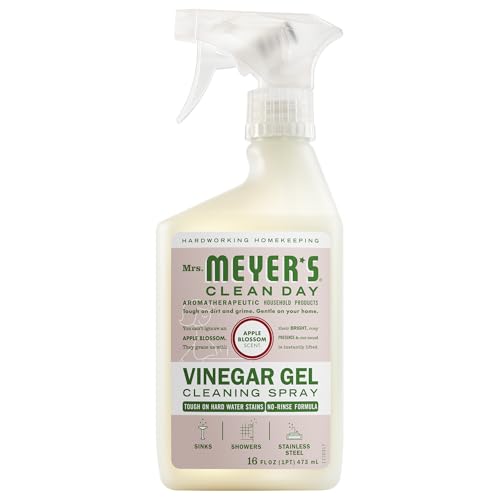
Mrs. Meyer's Vinegar Gel Cleaning Spray not only breaks down everyday grime, but also lifts dirt from surfaces leaving a cleaner surface

Mrs. Meyer's Vinegar Gel Cleaning Spray not only breaks down everyday grime, but also lifts dirt from surfaces leaving a cleaner surface to make your bathroom look spotless
Use Of Natural Cleaners
Choose natural cleaners like vinegar or lemon juice for an additional cleaning boost. Mix one part vinegar or lemon juice with three parts water for a gentle solution. Soak the herbs in this mixture for five minutes before rinsing thoroughly under cool, running water. This method helps remove dirt and any lingering bugs without adding chemicals.
Avoiding Pesticide Residue
Check for pesticide residue if you use treatments in your garden. Rinse herbs under running water for at least 30 seconds to help wash away remaining chemicals. If you’re concerned, consider using a peeler or scissors to remove outer leaves, which may contain more residue. Always look for organic herb varieties to limit exposure to pesticides in the first place.
Storing Cleaned Herbs
Storing cleaned herbs properly ensures they maintain their flavor and freshness. Here are some effective methods to store your herbs:
Refrigeration
- Wrap in Damp Paper Towels: Moisten a paper towel and wrap your cleaned herbs. Place them in a resealable plastic bag, then store them in the crisper drawer of your refrigerator. This method keeps herbs fresh for about one week.
- Use Water Jars: For hardy herbs like basil or parsley, trim the stems and place the herb bunch in a jar of water, similar to how you’d store fresh flowers. Cover the leaves loosely with a plastic bag and refrigerate. Change the water every few days to prolong freshness.
Freezing
- Chop and Freeze: Chop your cleaned herbs finely, place them in an ice cube tray, fill the tray with water or olive oil, and freeze. Transfer the cubes to a freezer bag. This method preserves flavors and makes for easy use in your cooking.
- Freezing Whole Leaves: For larger herbs like mint or sage, spread the cleaned leaves in a single layer on a baking sheet. Freeze them until solid, then transfer the leaves to an airtight container or freezer bag.
Drying
- Air Drying: Bundle the cleaned herbs with a rubber band and hang them upside down in a cool, dark place. Ensure good airflow to prevent mold. Once dried, store the leaves in an airtight container away from light.
- Using a Dehydrator: Place cleaned herbs on the dehydrator trays, ensuring they don’t overlap. Dehydrate according to the manufacturer’s instructions until the herbs are crispy, then jar them for storage.
- Label Containers: Always label freezer bags and jars with the herb name and date of storage. This helps you keep track of freshness.
- Check for Mold: Regularly inspect stored herbs for any signs of mold. Discard any affected herbs immediately.
- Experiment with Preservation: Try different storage methods to see which works best for the herbs you grow and your cooking habits.
By following these storage tips, you enhance your ability to keep your homegrown herbs fresh and available for delicious meals.
Conclusion
Cleaning your homegrown herbs doesn’t have to be a chore. With the right tools and a little know-how you can enjoy the freshest flavors straight from your garden. Remember to handle your herbs gently and take your time during the cleaning process to ensure they’re free from dirt and pests.
Once cleaned store them properly to keep their vibrant taste alive. Whether you choose to refrigerate or freeze your herbs experimenting with different storage methods will help you find what works best for your kitchen. Embrace the joy of cooking with your freshly cleaned herbs and elevate your dishes with the flavors of your garden. Happy gardening and cooking!
Frequently Asked Questions
How do I clean fresh herbs from my garden?
To clean fresh herbs, start by gathering tools like a bowl, colander, and kitchen towel. Rinse the herbs in cool water to remove dirt and pests, then rinse under cold running water for thorough cleaning. Shake off excess water and dry them gently. Consider soaking them in a solution of vinegar or lemon juice mixed with water for an extra cleaning boost.
When is the best time to harvest herbs?
The best time to harvest herbs is in the morning after the dew has dried. This timing helps preserve their flavor and essential oils, leading to a more aromatic and tasty herb.
What should I do about pesticide residue on herbs?
To reduce pesticide residue, rinse your herbs under running water for at least 30 seconds. If you’re concerned, consider removing the outer leaves or opting for organic herb varieties to limit pesticide exposure.
How should I store cleaned herbs?
For short-term storage, wrap cleaned herbs in damp paper towels and place them in the refrigerator. You can store hardy herbs in jars of water or freeze them by chopping and placing in ice cube trays for long-term preservation.
What are some effective methods for drying herbs?
To dry herbs, you can air dry by hanging them upside down in a cool, dry place, or use a dehydrator for faster results. Make sure to check for mold regularly and experiment with different drying methods to suit your needs.

My interest in trees started when I first saw the giant sequoias in Yosemite.I was a teenager then, and I remember thinking, “I need to learn more about this.”That moment stuck with me.A few years later, I went on to study forestry at Michigan Tech.
Since graduating, I’ve worked in a mix of hands-on tree care and community education.I’ve spent over ten years helping people understand how to plant, maintain, and protect the trees in their neighborhoods.I don’t see trees as just part of the landscape.They are living things that make a real difference in our daily lives.