Have you ever looked at your garden and wished it had that extra touch of tranquility? A water feature can transform your outdoor space into a serene oasis, making it a perfect spot for relaxation and enjoyment. Whether it’s a bubbling fountain or a peaceful pond, the sound of flowing water can create a calming atmosphere that draws you outside.
Key Takeaways
- Types of Water Features: Understand the various types, including fountains, ponds, waterfalls, and streams, each offering unique aesthetic and ecological benefits.
- Environmental Considerations: Choose locations based on sun exposure and nearby vegetation to promote healthy ecosystems and attract wildlife.
- Planning and Design: Create a detailed blueprint for your water feature, considering size, shape, and materials that complement your garden’s style.
- Installation Tips: Follow a step-by-step process involving excavation, plumbing, and electrical setup to ensure proper functionality and accessibility.
- Maintenance Essentials: Regularly clean and inspect your water feature to prevent debris buildup, maintain water quality, and prepare for seasonal changes.
- Enhancing Ambiance: Leverage the soothing sounds and cooling effects of water features to create a peaceful and inviting atmosphere in your outdoor space.
Understanding Water Features
Water features enrich your garden by adding visual appeal and creating a soothing environment. Various types exist, each offering distinct benefits. Here are common examples:
Types of Water Features
- Fountains: Fountains vary from small tabletop designs to large backyard installations. They provide constant water movement, attracting birds and enhancing relaxation through sound.
- Ponds: Ponds serve as natural habitats for fish and plants. They require more maintenance but offer an immersive experience with aquatic life.
- Waterfalls: Waterfalls create a dynamic visual and auditory element, usually incorporated into ponds or streams. Their cascading water adds excitement and tranquility to your landscape.
- Streams: Streams mimic natural water flow, often connecting different parts of your garden. They add movement and interest while offering opportunities for aquatic plants.
Benefits of Water Features
- Enhanced Aesthetic Appeal: Water features enhance visual beauty, adding focal points in your garden.
- Attracting Wildlife: Birds, butterflies, and beneficial insects are drawn to water features, boosting your garden’s biodiversity.
- Sound Barrier: The sound of flowing water can mask unwanted noise, creating a peaceful atmosphere.
- Cooling Effect: Water features can lower temperatures in the surrounding area, making your outdoor space more comfortable during hot months.
- Space Planning: Assess your garden size before choosing a water feature. Ensure there’s ample space for the feature without overcrowding existing plants.
- Maintenance Needs: Consider the maintenance required for each type. Fountains may need regular cleaning, while ponds require seasonal management.
- Local Climate: Choose water plants and fish that thrive in your climate to ensure a healthy ecosystem.
- Installation Tips: For fountains, follow manufacturer guidelines. When setting up ponds or waterfalls, create a sloped landscape for better water flow and drainage.
By understanding water features and their components, you can craft a tranquil, inviting atmosphere in your garden that fosters relaxation and connection with nature.
Choosing the Right Location
Selecting the ideal location for your water feature enhances its beauty and functionality. Consider various factors to ensure your garden oasis thrives.
Factors to Consider
- Space Availability: Assess your garden size. A small fountain suits compact areas, while larger ponds require more room.
- Accessibility: Choose a location that’s easy to access for maintenance. Ensure pathways allow you to reach the feature without difficulty.
- Viewpoints: Locate your water feature where you can enjoy it from multiple angles, such as patios, windows, or seating areas.
- Sound Dynamics: Think about how sound travels in your garden. Place fountains near seating areas for soothing water sounds during relaxation.
- Wildlife Attraction: Consider nearby plants and trees. Placing your feature near lush vegetation encourages birds and beneficial insects to visit.
Sunlight and Shade
Balance sunlight and shade when positioning your water feature.
- Sunlit Areas: Full sun boosts evaporation but enhances the visual appeal of some types of water features. If you choose this spot, monitor water levels regularly.
- Partial Shade: Select a location that receives both sun and shade. This balance supports plant life while reducing algae growth.
- Full Shade: Consider features like ponds in shaded areas. These spots prevent overheating, maintaining cooler water temperatures and providing a habitat for diverse wildlife.
By considering these factors, you create a harmonious space that enhances your garden’s tranquility.
Types of Water Features
Exploring various types of water features can help you choose the perfect addition for your garden. Each option offers unique benefits, enhancing both aesthetics and atmosphere.
Recommended Products

Environment-Friendly Design: This solar fountain is an extremely competent Solar Water Pump. This fountain is controlled by solar power completely. The Outdoor Submersible Fountain needn't any battery or electricity.This fountain does not store energy and is powered entirely by direct sunlight;It will stop working on cloudy, rainy days.

SOLAR POWERED FOUNTAIN PUMP: Mademax solar birdbath fountain only needs 3 seconds to operate automatically in direct sun, with a spray height of 4–27.5 inches (10-70cm). No electricity or battery needed. (Solar fountains does not store energy, can not work on cloudy days or night, please make sure the product is used in direct sunlight, and it is recommended to use it in clean water, which will prolong the life of the product

Eco-Friendly Solar Powered: Yeomi solar fountain is a high-performance floating solar water pump, fully solar-powered with no batteries, electricity or wiring. Energy saving, eco-friendly and cost-effective for outdoor use
Ponds
Ponds serve as captivating focal points. You can create a tranquil habitat for fish and aquatic plants. Consider adding marginal plants and water lilies to boost biodiversity. For a small pond, use a preformed liner for easy installation. If opting for a larger pond, an excavated design provides flexibility in size and shape. Always ensure proper filtration and aeration to maintain water quality and health.
Fountains
Fountains present an elegant touch. They not only provide soothing sounds but also create eye-catching displays. Choose from wall-mounted, freestanding, or tiered styles. These features can vary greatly in size, from small tabletop designs to large outdoor fountains. Solar-powered models reduce energy costs while installing a fountain hose can enhance water circulation. Ensure regular cleaning to prevent algae and debris buildup.
Waterfalls
Waterfalls introduce dynamic movement to your garden. These features offer visual beauty while providing soothing sounds of flowing water. Incorporate them above a pond or as a standalone feature. You can create a natural look by using rocks and boulders in the design. Ensure proper water flow and filtration to keep the feature functioning smoothly. Additionally, using pump systems that recirculate water maintains energy efficiency and reduces maintenance needs.
Planning Your Design
Planning your garden water feature design requires careful consideration. You’ll want to visualize how the feature integrates into your outdoor space.
Creating a Blueprint
Creating a detailed blueprint helps clarify your vision. Start by sketching the entire garden area, including existing plants and structures. Include the proposed location of your water feature. Think about the following elements:
- Size: Determine the dimensions suitable for your space. A small fountain might suit a cozy garden, while a larger pond fits bigger areas.
- Shape: Choose a shape that complements your garden style. Curved forms often blend well with natural landscapes.
- Flow: If considering a stream or waterfall, map out the water’s path. Ensure a natural flow that doesn’t disrupt existing plants.
Selecting Materials
Selecting the right materials is crucial for durability and aesthetics. Consider these key materials for your water feature:
- Stone: Natural stone offers a rustic look. It’s durable and blends well with garden elements.
- Concrete: Concrete provides versatility in shape and size. It’s also lightweight but may require coatings for aesthetics.
- Fiberglass: This material is lightweight and easy to install. It often comes in various designs, making it a great choice for custom features.
- Plants: Include aquatic or marginal plants. These enhance your water feature’s beauty and provide habitat for wildlife.
Use these guidelines to develop a cohesive plan that suits your garden’s unique personality.
Installation Process
Creating a water feature involves several steps, ensuring a smooth installation that enhances your garden’s beauty.
Recommended Products

This kit maximizes quality and affordability. 10' x 15' Pond Kit can build an 6' x 11' (750 gallon) fishpond or water garden at a 1.5' depth. Finished pond length, width, and depth can be tailored to your specific requirements.
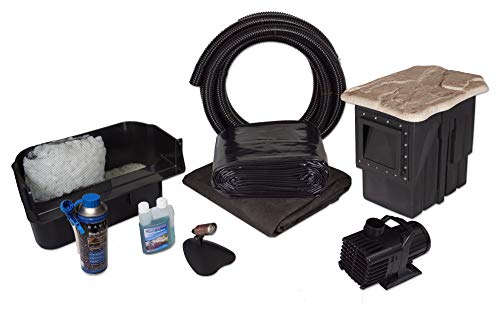
Build Your Dream Pond - 10' x 15' Pond Kit can build a 6' x 11' 700-gallon water garden or fish pond at a 1.5' depth. Finished pond length, width, and depth can be tailored to your specific requirements.

This kit maximizes quality and affordability. 15' x 20' Pond Kit can build an 11' x 16' (2,000 gallon) fishpond or water garden at a 1.5' depth. Finished pond length, width, and depth can be tailored to your specific requirements.
Digging and Placement
Start by marking the layout using stakes and string. Ensure the size and shape suit your garden’s design.
- Excavate the Area: Dig to the necessary depth, typically 12 to 24 inches for ponds, depending on the desired capacity.
- Create a Level Base: Use a level tool to ensure the base is even. It helps prevent water from pooling unevenly in certain areas.
- Add a Liner: If installing a pond, line the excavated area with a pond liner. Smooth out wrinkles and folds to minimize water loss.
- Positioning: Place your feature in a location where it can be viewed from multiple angles. Ensure it’s accessible for maintenance.
Plumbing and Electrical Setup
Installing plumbing and electrical elements requires careful planning for optimal functionality.
- Plan Your Plumbing: If using a fountain or waterfall, determine how water will circulate. Position the pump at the lowest area, ensuring it can easily draw water.
- Connect the Pump: Fit the pump to the chosen power source. Make sure to use outdoor-rated extension cords to ensure safety.
- Install Tubing: Use flexible PVC tubing to direct water from the pump to the feature. Secure any joints with waterproof tape to prevent leaks.
- Set Up Lighting: If adding lights, place them near the water for a dramatic effect. Follow the manufacturer’s instructions and ensure they’re waterproof.
By following these steps diligently, you can effectively install a water feature that not only looks great but also functions well in your garden.
Maintenance Tips
Maintaining your water feature ensures it remains attractive and functional year-round. Regular care can prevent issues and enhance the beauty of your garden.
Recommended Products

4 inch small fish net measures 4" L x 3" W with a pocket depth of 3 inches. Perfect for small fish without getting stuck
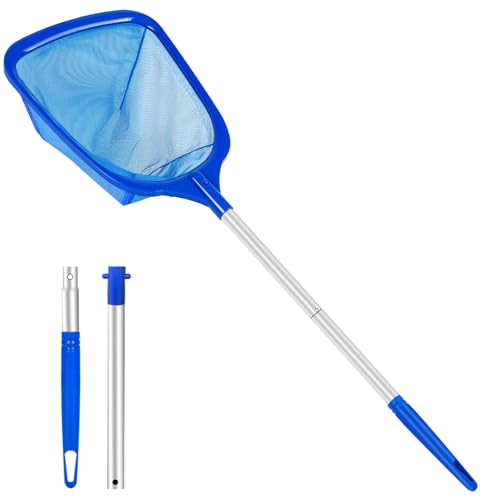
ULTRA FINE MESH FOR TINY DEBRIS — Designed to catch fine floating debris like hair, leaves and grass before they sink, helping keep your hot tub or spa water cleaner with quick daily maintenance.

Handy Skimmer Net: Our pool skimmer net is compact and easy to handle making it the perfect tool for quick and efficient debris pick up. Whether you need to skim leaves, bugs, or other floating debris, this net is designed to get the job done swiftly
Cleaning Your Water Feature
Cleaning your water feature involves removing debris and maintaining water clarity.
- Remove debris: Use a skimmer net or your hands to take out leaves and twigs weekly. This helps keep the water clear and reduces algae growth.
- Clean filters: Check and clean filters monthly to ensure proper water circulation. Rinse them gently with a hose to remove dirt.
- Change water: Replace 10-20% of the water every few weeks to refresh it and maintain quality. Topping off the water level on hot days also helps.
- Inspect plants: Trim dead or overgrown aquatic plants as needed. This promotes healthy growth and prevents blockages in pumps.
- Treat algae: Apply natural treatments or UV clarifiers if algae appears. Regular checks prevent buildup.
Seasonal Adjustments
Adjusting your water feature for the seasons helps it thrive throughout the year.
- Spring: Start with a thorough cleaning after winter. Fill the water feature and check the pump and filter.
- Summer: Monitor water levels closely. Increase the frequency of cleaning since warm temperatures can encourage algae growth.
- Fall: Remove fallen leaves to prevent decay in the water. Consider placing a cover over the feature to minimize debris.
- Winter: Depending on climate, you may need to winterize your feature. Drain the water or set up a heater to keep it from freezing if it’s a pond. Remove plants that won’t survive cold temperatures.
By implementing these maintenance tips, your water feature will enhance your garden’s charm while providing a peaceful retreat.
Conclusion
Creating a water feature in your garden can truly elevate your outdoor experience. Whether you choose a tranquil pond or a lively fountain you’re adding a touch of nature that invites relaxation and joy.
With thoughtful planning and the right materials you can design a beautiful oasis that not only enhances your garden’s aesthetic but also supports local wildlife.
Remember to keep up with maintenance to ensure your water feature remains a stunning focal point year-round. Embrace the journey of crafting your serene retreat and enjoy the soothing sounds and sights that come with it. Your garden deserves this special touch!
Frequently Asked Questions
What are the benefits of adding a water feature to my garden?
Adding a water feature can enhance the tranquility of your garden, providing a serene oasis that promotes relaxation. Features like fountains, ponds, or waterfalls improve aesthetic appeal, attract wildlife, and help mask environmental noise. They can also provide cooling effects during hot months, enriching your outdoor experience.
What types of water features can I choose from?
You can choose from several types of water features, including fountains, ponds, waterfalls, and streams. Each offers unique benefits: fountains provide calming sounds, ponds serve as habitats for fish and plants, and waterfalls add dynamic movement and natural beauty.
How do I select the right location for my water feature?
To select the best location, consider space availability, accessibility, and viewpoints. Think about how the water feature will interact with sound dynamics and wildlife attraction. Balance sunlight and shade to maintain the health of the feature and surrounding plants.
What materials are best for constructing a water feature?
Common materials for water features include natural stone, concrete, and fiberglass. Each material offers different aesthetic qualities and durability. Choosing the right one depends on your design preferences and the specific function of the water feature.
What is the installation process for a water feature?
The installation process involves several steps: marking the layout, excavating the area, creating a level base, and adding a liner for ponds. Don’t forget plumbing and electrical setup for water circulation, pump connection, tubing installation, and optional lighting.
How can I maintain my water feature?
To maintain your water feature, regularly clean it by removing debris and keeping the water clear. Inspect and trim aquatic plants as needed. Adjust your maintenance routine seasonally, with tasks like spring cleaning, summer water level monitoring, fall leaf removal, and winter preparations.

My interest in trees started when I first saw the giant sequoias in Yosemite.I was a teenager then, and I remember thinking, “I need to learn more about this.”That moment stuck with me.A few years later, I went on to study forestry at Michigan Tech.
Since graduating, I’ve worked in a mix of hands-on tree care and community education.I’ve spent over ten years helping people understand how to plant, maintain, and protect the trees in their neighborhoods.I don’t see trees as just part of the landscape.They are living things that make a real difference in our daily lives.