What’s the first thing that comes to mind when you think about your garden? Is it the vibrant colors of blooming flowers or the fresh veggies you can grow? Deciding what to plant can feel overwhelming, especially with so many options out there. You might find yourself wondering which plants will thrive in your space and bring you the most joy.
Key Takeaways
- Understand Climate Zones: Research your local climate zone to choose plants that will thrive in your specific conditions for optimal growth.
- Test and Know Your Soil: Conduct a soil test to identify pH and nutrient levels, enabling you to select plants that match your soil type and amend it if necessary.
- Assess Sunlight Exposure: Observe daily sun patterns in your garden to pinpoint which areas receive full sun or shade, guiding your plant placement accordingly.
- Explore Plant Options: Consider a variety of vegetables, flowers, and herbs that fit your garden’s environment and your family’s preferences for a diverse and enjoyable garden.
- Implement Companion Planting: Use companion planting techniques to enhance plant health and maximize space through beneficial plant pairings.
- Plan for Seasons: Align your planting schedules with seasonal changes to ensure better growth and yield, encouraging the right crops for spring and fall planting.
Factors To Consider When Deciding What To Plant
Choosing the right plants for your garden involves several important factors. Understanding these will guide you in making the best decisions for your outdoor space.
Climate Zones
Climate zones play a crucial role in plant selection. Each zone has unique temperature ranges and weather patterns. Research your local climate zone to find plants that thrive in those specific conditions. For instance, if you live in USDA Hardiness Zone 5, consider planting perennials like peonies or daylilies.
Soil Type
Soil type directly impacts plant health and growth. Conduct a soil test to check pH levels and nutrient content. Different plants prefer different soil types. For example, sandy soil drains quickly and suits drought-tolerant plants, while clay soil retains moisture, making it ideal for water-loving varieties like ferns. Adjust your soil as needed with amendments like compost or peat moss.
Sunlight Exposure
Sunlight exposure influences how well plants will flourish. Observe your garden throughout the day to determine sun patterns. Most vegetables and flowers prefer full sun, needing at least 6 hours of direct sunlight daily. If you notice shaded areas, consider shade-tolerant plants, such as hostas or ferns. Use this knowledge to place sun-loving plants where they’ll receive ample light.
Types Of Plants To Consider
Choosing the right plants involves exploring various options tailored to your garden’s environment.
Recommended Products

Curated Collection - This Collection features 10 of the most popular and high-yielding vegetables and herbs for home gardening, containing over 2500 seeds. Help you cultivate a bountiful and healthy home garden.
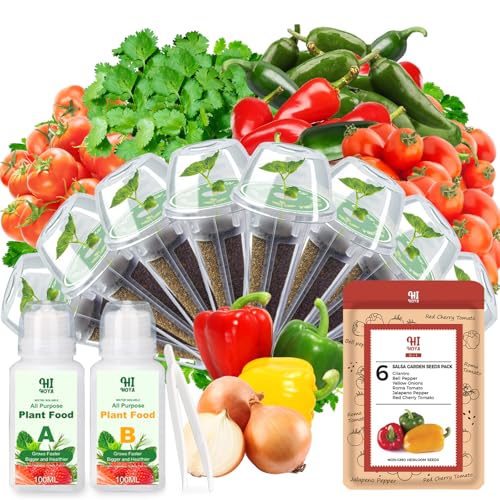
Heirloom Non-GMO Seeds: The seeds in garden starter kit contains approximately 600 easy grow salad greens gardening seeds, including Red Cherry Tomato, Bell Pepper, Yellow Onions, Cilantro, Jalapeno Pepper and Roma Tomato. This diverse selection ensures you have all the fresh produce needed for homemade salsa

Set includes 43 lightly assorted Vegetable and Herb seeds!
Vegetable Options
Select vegetables that thrive in your climate zone. Consider popular choices like tomatoes, peppers, and zucchinis. Tomatoes flourish in warm conditions, while peppers prefer similar sunlight and warmth. When choosing vegetables, also think about your family’s preferences. If you enjoy salads, plant lettuce, cucumbers, and radishes. Incorporate a mix of cool-season and warm-season crops to maximize your harvest throughout the year.
Flower Varieties
Explore a range of flower varieties to add color and beauty to your garden. Perennials like daisies and daylilies return year after year, while annuals such as marigolds and petunias provide vibrant seasonal blooms. Assess your garden’s sunlight conditions to select appropriate flowers. For full sun, consider sunflowers and zinnias. For shadier spots, try astilbes and hostas. Combining different types creates visual interest while providing habitats for pollinators.
Herb Selections
Herbs are easy to grow and enhance your culinary creations. Popular herbs include basil, parsley, and rosemary. Basil thrives in sunny spots and pairs well with tomatoes. Parsley grows well in both full sun and partial shade, making it versatile. Rosemary prefers well-drained soil and can tolerate drought, ideal for low-maintenance gardens. Grow herbs in containers or garden beds for easy access while cooking.
Planning Your Garden Layout
Planning your garden layout involves careful consideration of various factors, ensuring a productive and visually appealing space. Start by thinking about plant compatibility and spacing.
Recommended Products

5 COMPANION PLANTS - This five-pack includes heirloom seeds for growing Large Leaf Basil (Ocimum basilicum), Borage (Borago officinalis), Compact Dill (Anethum graveolens), Crackerjack Marigold (Tagetes erecta), and Tip Top Mix Nasturtium (Tropaeolum majus)


Reliable Germination: Genovese basil seeds sprout in 5-10 days. Genovese sweet basil seeds can be started directly at 65°F soil. For early start plant 6-8 weeks before last frost 4-6 seeds per cell, sow 1/2 inch deep in moist, well-drained soil.
Companion Planting
Companion planting promotes plant health and maximizes space. Certain plants benefit from growing together. For example, tomatoes flourish alongside basil, which can deter pests. Marigolds planted near vegetables can repel harmful insects. Research specific plant pairings to enhance growth and yield.
Spacing Requirements
Spacing impacts plant growth and airflow. Each plant variety has unique spacing needs. For instance, tomatoes typically require 24 to 36 inches between plants for optimal growth, while lettuce needs 12 to 18 inches. Follow spacing guidelines found on seed packets or gardening resources. This practice minimizes competition for nutrients, promoting healthier plants.
Understanding these aspects aids in efficient garden layout planning. Implementing companion planting and respecting spacing requirements creates a thriving garden environment.
Seasonal Considerations
Understanding seasonal changes helps you make informed choices about what to plant. Different plants thrive at various times of the year, so considering the season ensures better growth and yield.
Spring Planting Ideas
Spring brings warmth and extended daylight, making it ideal for many plants. Consider these options:
- Vegetables: Plant cool-weather crops like peas, lettuce, spinach, and radishes. These varieties mature quickly and can be sown as soon as the soil is workable.
- Flowers: Opt for early bloomers such as pansies, snapdragons, and primroses. These flowers add color to your garden and endure the cooler temperatures of spring.
- Herbs: Sow herbs like cilantro, dill, and chives. Their growth is vigorous in cooler conditions, and they’ll flourish as the weather warms.
Fall Planting Suggestions
Fall offers a different planting opportunity with its mild temperatures. Use this time to plant:
- Vegetables: Choose hardy crops like kale, broccoli, and carrots. They tolerate frost and develop better flavor after cooler temperatures.
- Flowers: Plant spring-blooming bulbs such as tulips, daffodils, and hyacinths. These bulbs need the cold winter months to bloom beautifully in spring.
- Herbs: Consider planting garlic in the fall, as it needs a period of cold before it sprouts in the spring.
By aligning your planting choices with the season, you enhance the success of your garden and enjoy a more productive growing experience.
Conclusion
Choosing what to plant in your garden can be a rewarding journey. By considering your climate zone soil type and sunlight exposure you’ll set yourself up for success.
Don’t forget to think about what you and your family enjoy eating or the flowers that bring you joy. Planning your layout thoughtfully and understanding seasonal changes will help your garden thrive.
With a little research and creativity you can create a garden that’s not only beautiful but also fulfilling. Happy planting and enjoy the fruits of your labor!
Frequently Asked Questions
What factors should I consider when choosing plants for my garden?
When selecting plants, consider climate zones, soil type, and sunlight exposure. Research your local climate zone to find suitable plants, conduct a soil test to understand pH and nutrient content, and observe your garden to determine sun patterns, choosing plants that thrive in either full sun or shade.
Which vegetables are best for a beginner’s garden?
For beginners, easy-to-grow vegetables like tomatoes, peppers, zucchinis, and lettuce are great options. These varieties tend to thrive in various conditions and can accommodate family preferences, leading to a rewarding gardening experience.
What types of flowers should I plant?
Consider a mix of perennials and annuals for your garden. Perennials like daisies and daylilies provide lasting beauty, while annuals such as marigolds and petunias add seasonal color. Choose flowers based on your garden’s sunlight conditions for optimal growth.
How can I improve my garden layout?
To improve your garden layout, plan for plant compatibility and proper spacing. Use companion planting techniques, like pairing tomatoes with basil, to enhance growth and deter pests, while following spacing guidelines on seed packets for optimal airflow.
What is companion planting and why is it important?
Companion planting involves growing certain plants together for mutual benefits, such as improved growth and pest deterrence. For example, tomatoes and basil thrive together. This technique can enhance the productivity of your garden and promote a healthier ecosystem.
When is the best time to plant vegetables and flowers?
For spring planting, focus on cool-weather vegetables like peas and lettuce, as well as early-blooming flowers like pansies. In the fall, plant hardy vegetables such as kale and garlic, and spring-blooming bulbs like tulips for an effective seasonal strategy.

My interest in trees started when I first saw the giant sequoias in Yosemite.I was a teenager then, and I remember thinking, “I need to learn more about this.”That moment stuck with me.A few years later, I went on to study forestry at Michigan Tech.
Since graduating, I’ve worked in a mix of hands-on tree care and community education.I’ve spent over ten years helping people understand how to plant, maintain, and protect the trees in their neighborhoods.I don’t see trees as just part of the landscape.They are living things that make a real difference in our daily lives.