Are pesky weeds taking over your garden? You’re not alone. Many gardeners face this frustrating challenge, watching their hard work get overshadowed by unwanted plants. But don’t worry; tackling weeds doesn’t have to be a daunting task.
Key Takeaways
- Understand Weed Types: Familiarize yourself with annual, perennial, and biennial weeds to effectively identify and manage them in your garden.
- Utilize Proper Tools: Employ essential gardening tools like a weeding fork, hand trowel, and hoe for efficient weed removal and maintenance.
- Follow a Step-by-Step Process: Prepare the area, moisten the soil, and dig deeply to ensure complete removal of weeds, including their root systems.
- Prevent Future Growth: Use mulching and ground covers to block sunlight and limit space for weeds, promoting a healthier garden environment.
- Maintain Regularly: Inspect your garden weekly and promptly remove any new weed growth to stay ahead of infestations.
- Rotate Crops and Use Barriers: Annual crop rotation and the use of landscape fabric can significantly disrupt weed growth and improve your garden’s resilience.
Understanding Weeds and Their Impact
Weeds are unwanted plants that compete with your garden’s flowers and vegetables for resources. They thrive in various conditions and can quickly spread if not controlled. Understanding their nature helps you manage them effectively.
Types of Weeds
- Annual Weeds: Life cycle completes in one season. Examples include crabgrass and pigweed. They often germinate quickly and produce numerous seeds.
- Perennial Weeds: Grow back each year from root systems. Examples include dandelions and bindweed. They can be particularly challenging because their roots may extend deep into the soil.
- Biennial Weeds: Require two years to complete their life cycle. Common examples include foxglove and burdock. They usually grow leaves in the first year, flower in the second year, and then die.
Impact on Your Garden
- Resource Drain: Weeds absorb nutrients, water, and sunlight from your garden plants. This competition stunts the growth of your flowers and vegetables.
- Pest Attraction: Some weeds attract pests that can harm your garden. For example, certain weeds might provide habitats for aphids or beetles.
- Disease Reservoir: Weeds can harbor diseases that threaten your garden plants. Fungal spores can live on weeds and transmit illnesses to your desired crops.
- Rapid Growth: Notice plants growing faster than others in your garden. This may indicate a weed invasion.
- Overcrowding: If you see patches of plants where there shouldn’t be any, weeds might be taking over.
- Diverse Leaf Shapes: Different leaf shapes or textures can signal weed presence. Identify anything that doesn’t match your garden plants.
Knowing the types of weeds and their impact enables you to take proactive measures. Remember, regular monitoring is crucial. Keeping an eye on your garden helps you catch weeds early, reducing their negative effect on your plants.
Tools and Equipment Needed
Using the right tools makes weed removal efficient and less strenuous. Here’s a breakdown of essential hand tools and optional power tools that can help you effectively tackle weeds in your garden.
Recommended Products

【Cordless Freedom & Powerful Performance】Reffmov cordless tiller say goodbye to gas and tangled cords. The tiller cultivator powered by a 21V high-performance motor, this battery powered tiller delivers reliable torque for breaking up compact soil, preparing seed beds, and weeding without the noise, fumes, or maintenance of gas engines, the garden tiller easy to handle in gardens, lawns, raised beds, and tight spaces—perfect for beginners, seniors, and anyone who wants effortless soil work.

1. This electric weeder operates without emitting toxic substances or harmful gases, making it safe for the environment and allowing your pets and children to freely enjoy the garden.

Cordless lawn mower: The head can be rotated 90°, you can really reach any area on the lawn. The high-quality foldable protection bar protects the blade and surrounding plants, so you can trim your area in a targeted manner.
Essential Hand Tools
- Weeding Fork
A weeding fork helps uproot weeds by loosening soil around the roots. Insert it beneath the weed and pry it out. - Hand Trowel
A hand trowel allows for precise digging. Use it to scoop out small weeds or their roots with care. - Hoe
A hoe is ideal for cutting weeds at soil level. Swing it back and forth to slice through surface weeds before they can take hold. - Garden Gloves
Protect your hands by wearing sturdy gloves. Good gloves keep them clean and shield against thorns or irritating plants. - Kneeling Pad
Using a kneeling pad provides comfort when working close to the ground. It protects your knees and makes the task more enjoyable.
- Rotary Weeder
A rotary weeder can save time and energy. This tool rotates to cut weeds at the root level, ideal for larger areas. - Gas-Powered Tiller
A gas-powered tiller is useful for extensive weed control. It breaks up the soil, making it easier to remove aggressive weeds and prepare for planting. - Electric Weeder
An electric weeder works like a mini-tiller but is quieter and easier to maneuver. It’s perfect for smaller gardens needing weed management.
Selecting the right tools enhances your gardening experience and can significantly impact the effectiveness of your weed removal efforts.
Step-by-Step Guide on How to Dig Up Weeds in Garden
Digging up weeds requires preparation and effective techniques. Follow these steps for a successful weeding process.
Recommended Products

GARDENING ESSENTIAL: Heavy duty, ergonomic hand cultivator with sharp tines ideal for a variety of gardening tasks like digging in tough soil, aerating soil, removing weeds, and more to encourage overall plant health and appearance

GARDENING ESSENTIAL: Garden weeder ideal for a variety of gardening tasks like removing invasive weeds, maintaining your herb garden, uprooting dandelions and thistles, and more to encourage overall plant health and appearance

Thickened Aluminum Alloy Material: Our gardening shovel is made of high-quality aluminum alloy material, allowing the garden trowel to dig deeply into the soil and cut through hard turf easily. The 0.08 inch thickness makes our spade shovel more sturdy and long lasting, ensures durability and stability during use, and makes the trowel not easy to break and long lasting
Preparing the Area
- Clear Debris: Remove any leaves, sticks, or other debris from the area. This helps expose the weeds and makes it easier to see what you’re dealing with.
- Moisten the Soil: Water the area a day before you plan to dig. Damp soil softens and loosens, making it easier to pull out weeds.
- Identify Weeds: Determine which weeds need removal. Understand the types of weeds in your garden—annuals, perennials, and biennials—so you can target them effectively.
- Use the Right Tools: Employ a weeding fork or hand trowel for deep-rooted weeds. A hoe works well for surface weeds. Garden gloves protect your hands while allowing for a better grip.
- Dig Deeply: Insert the tool a few inches away from the base of the weed. Push down to loosen the roots. Pull the weed out gently, ensuring you remove the entire root system.
- Pull with Precision: Grab the weed at the base, pulling straight up. Twisting can break the roots, leaving them in the soil to regrow.
- Collect Weeds: Place the pulled weeds in a compost bin (if not seeding) or a garbage bag. This keeps your garden tidy and prevents weeds from spreading.
- Fill the Gaps: After removal, consider adding mulch or planting ground cover in the areas cleared. This adds nutrients and helps prevent future weed growth.
Implement these steps and techniques to maintain a weed-free garden efficiently. Regular monitoring and proactive removal keep your garden healthy and vibrant.
Preventing Weeds from Returning
Preventing weeds from returning ensures a healthier garden. Employing a few effective strategies keeps weeds at bay.
Recommended Products

Natural Cedar; Use with your outdoor and indoor plants; will hold moisture in! THIS IS A 4 QUART SIZE OF CEDAR CHIPS
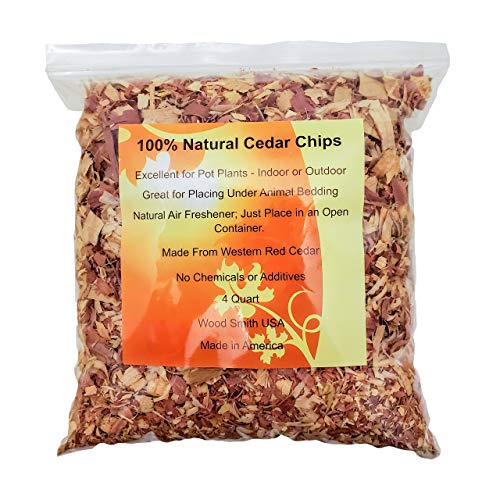
100% Natural Cedar; Use with your outdoor and indoor plants; will hold moisture in! 4 Quart; Natural product so cedar shavings vary in size.

100% Natural Expanding Mulch Medium - Made from natural coconut husks, Plantonix Coco Chips create a protective mulch layer for outdoor plants, raised beds, flower gardens, trees, shrubs, and container plants. Coco husk chips are perfect for tropical plants, orchids, and outdoor gardens where it’s important to retain moisture throughout the growing season.
Mulching and Ground Covers
Mulching suppresses weed growth by blocking sunlight. Use organic mulch like wood chips, straw, or grass clippings. Apply a layer of 2 to 4 inches around your plants. This helps retain soil moisture and provides nutrients as it breaks down.
Ground covers, like clover or creeping thyme, create a dense layer over the soil. This diminishes the space available for weeds. Choose varieties that thrive in your garden’s conditions. These plants not only prevent weeds but also enhance the garden’s aesthetic.
Regular Maintenance Practices
Regular maintenance helps you stay ahead of weeds. Inspect your garden weekly for any signs of new growth. Pull up small weeds immediately, before they establish deeper roots.
Watering your garden early in the morning encourages healthy plant growth while discouraging weeds. Focus on deep watering a few times a week instead of shallow watering daily.
Consider rotating your crops annually. This disrupts weed growth by altering the environment. Different crops compete differently with weeds, making it harder for them to thrive.
Use landscape fabric under paths or planting areas as a barrier. This reduces soil exposure and inhibits weed seeds from germinating.
Implementing these methods consistently keeps your garden thriving, minimizing the weed problem effectively.
Conclusion
Taking control of weeds in your garden is totally doable with the right approach and tools. By staying proactive and monitoring your garden regularly you can keep those pesky invaders at bay. Remember to prepare your soil and choose the right tools for the job to make the process easier.
Don’t forget about prevention strategies like mulching and using ground covers to stop weeds before they start. With a little effort and consistency your garden can flourish without the competition from unwanted plants. Enjoy the satisfaction of cultivating a beautiful and healthy space that you can be proud of. Happy gardening!
Frequently Asked Questions
What are weeds, and why are they a problem in gardens?
Weeds are unwanted plants that compete with your garden flowers and vegetables for nutrients, water, and sunlight. They can spread quickly, draining resources and sometimes attracting pests or diseases that harm your plants. Managing weeds is crucial for maintaining a healthy garden.
What types of weeds should I be aware of?
There are three main types of weeds: annual, perennial, and biennial. Annual weeds complete their life cycle in one season, perennial weeds return each year from their root systems, and biennial weeds take two years to mature. Knowing these types helps in effective management.
How can I identify signs of a weed invasion in my garden?
Signs of a weed invasion include rapid weed growth, overcrowding in certain areas, and a variety of leaf shapes that differ from your garden plants. Early detection is vital to prevent weeds from taking over your garden.
What tools do I need for effective weed removal?
Essential hand tools include a weeding fork, hand trowel, hoe, garden gloves, and kneeling pad. For larger areas, optional power tools like a rotary weeder or an electric weeder can save time and effort. Choosing the right tools enhances your weeding effectiveness.
What steps should I follow to dig up weeds effectively?
Start by preparing the area, clearing debris, and moistening the soil. Identify the type of weeds present, then use appropriate tools to dig deeply and pull the weeds out carefully. Collect the weeds properly to prevent them from spreading, and fill gaps with mulch afterward.
How can I prevent weeds from returning to my garden?
Prevent weeds by using organic mulch to block sunlight and retain moisture, and consider ground covers like clover to limit weed growth. Regular maintenance, including weekly inspections and crop rotation, can also disrupt weed germination and keep them at bay.

My interest in trees started when I first saw the giant sequoias in Yosemite.I was a teenager then, and I remember thinking, “I need to learn more about this.”That moment stuck with me.A few years later, I went on to study forestry at Michigan Tech.
Since graduating, I’ve worked in a mix of hands-on tree care and community education.I’ve spent over ten years helping people understand how to plant, maintain, and protect the trees in their neighborhoods.I don’t see trees as just part of the landscape.They are living things that make a real difference in our daily lives.